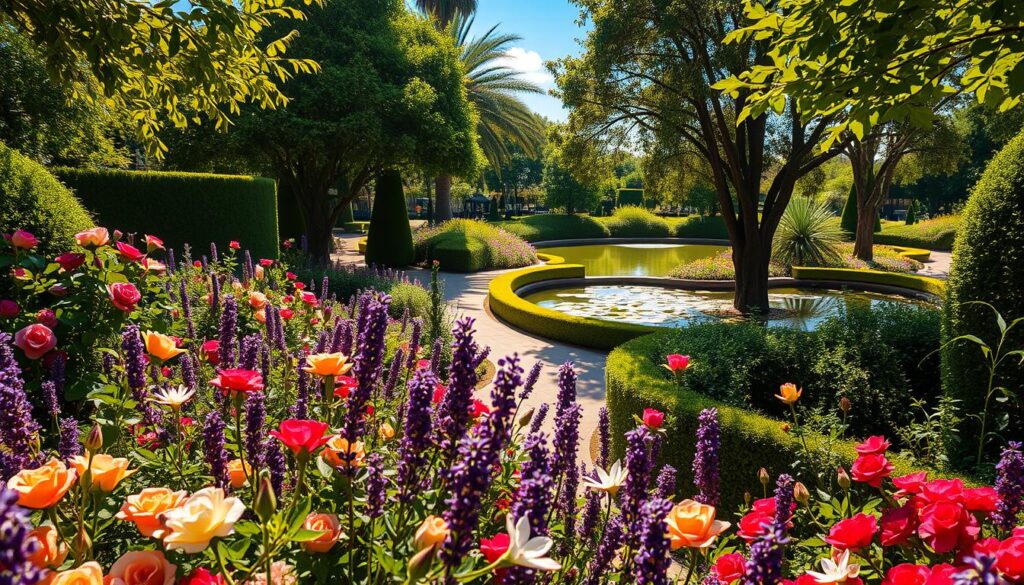
Starting your first garden can feel like stepping into a whole new world. The good news? You don’t need a “green thumb” to create a thriving garden. Whether you dream of fresh vegetables, beautiful flowers, or a peaceful herb garden, this guide will walk you through everything you need to know about how to start a garden for beginners. We’ll cover essential steps and common mistakes to avoid, helping you create a garden that brings joy and satisfaction from day one.
The Joy and Benefits of Starting Your Own Garden
Before diving into the how-to, let’s talk about why gardening is worth your time and effort. Gardening isn’t just about growing plants—it’s about growing yourself too.
Physical Benefits
- Enjoy fresh, nutritious produce right from your backyard
- Get natural exercise through digging, planting, and maintaining
- Spend more time outdoors in the fresh air and sunshine
- Save money on groceries with homegrown vegetables
Mental Benefits
- Reduce stress and anxiety through mindful garden work
- Experience the satisfaction of creating something beautiful
- Connect with nature and seasonal rhythms
- Build patience and resilience as you nurture plants
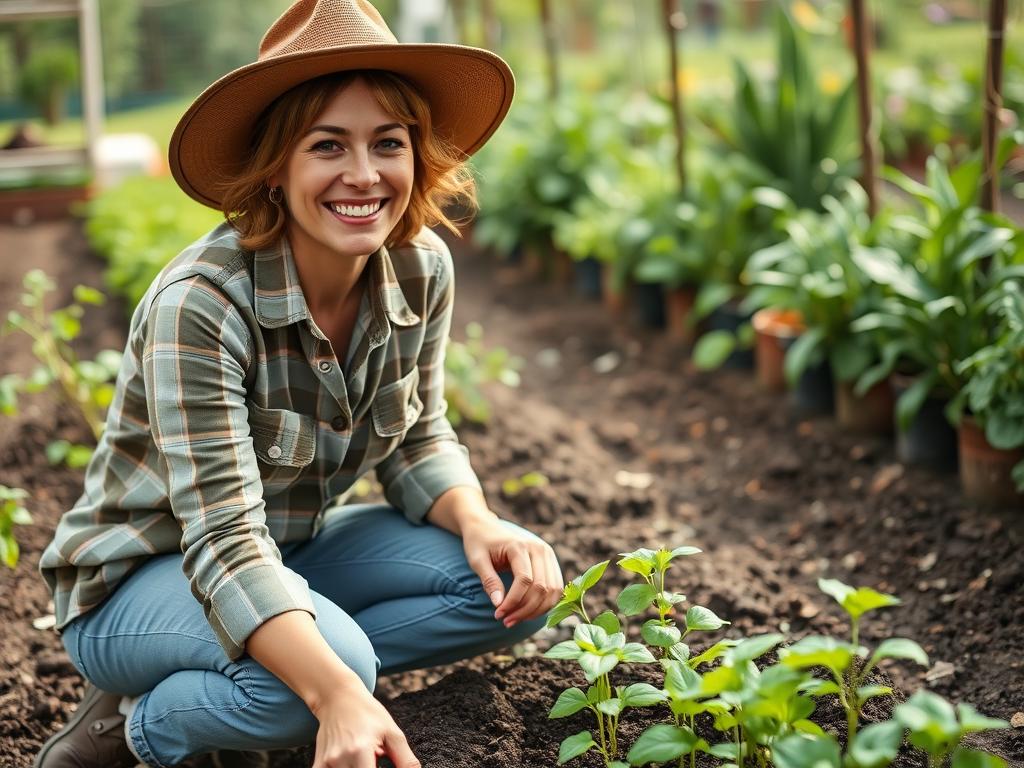
Ready to Experience These Benefits?
Let’s get started with the essential steps to create your first garden. Remember, everyone starts somewhere—and mistakes are just part of the learning process!
Step 1: Choosing the Right Location
The location of your garden is perhaps the most critical decision you’ll make. A poor location can lead to struggling plants, while the right spot sets you up for success from the start.
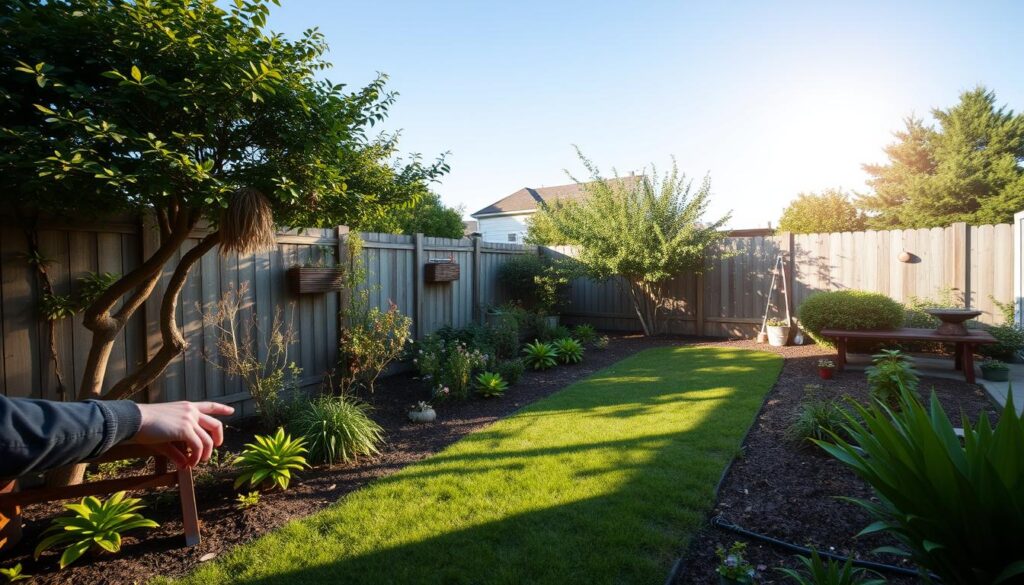
Key Factors for the Perfect Garden Location:
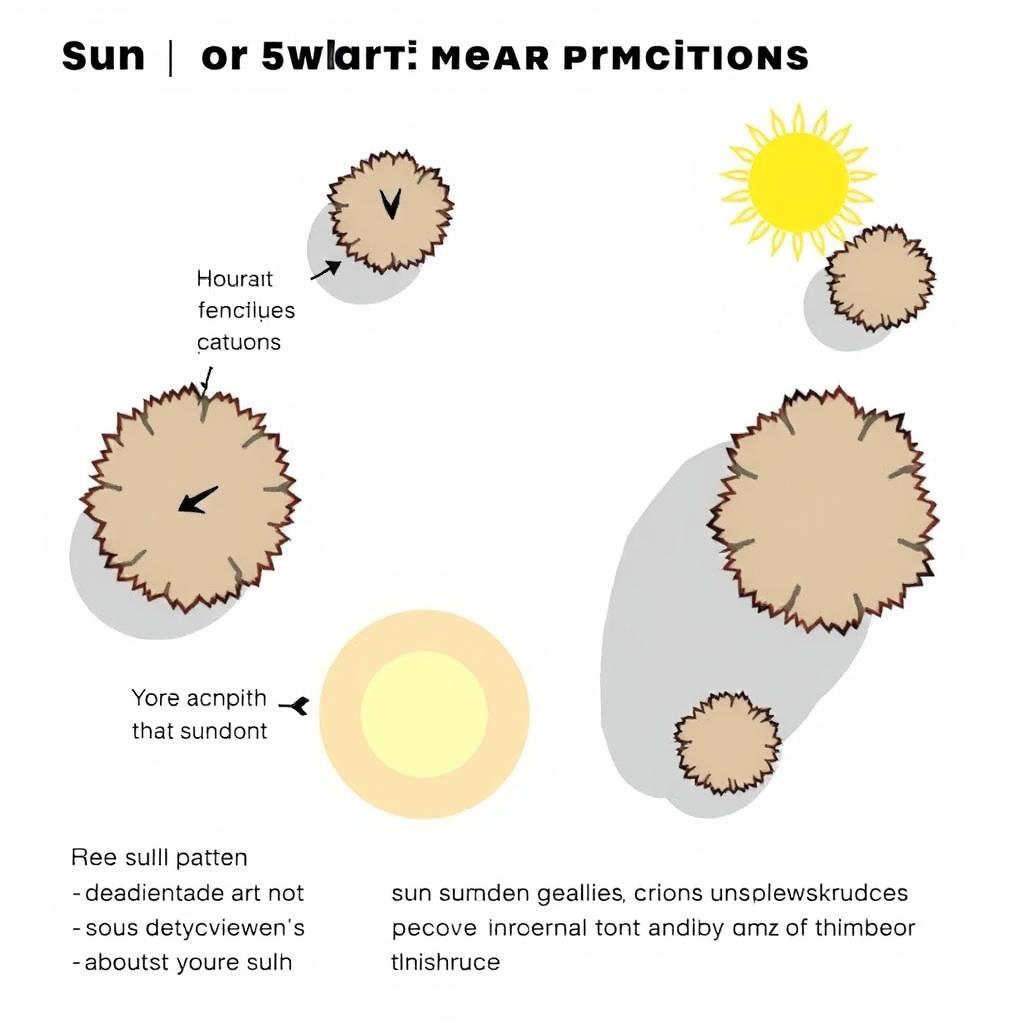
Sunlight
Most vegetables need 6-8 hours of direct sunlight daily. Use a compass to identify south-facing areas (in the Northern Hemisphere) for maximum sun exposure.
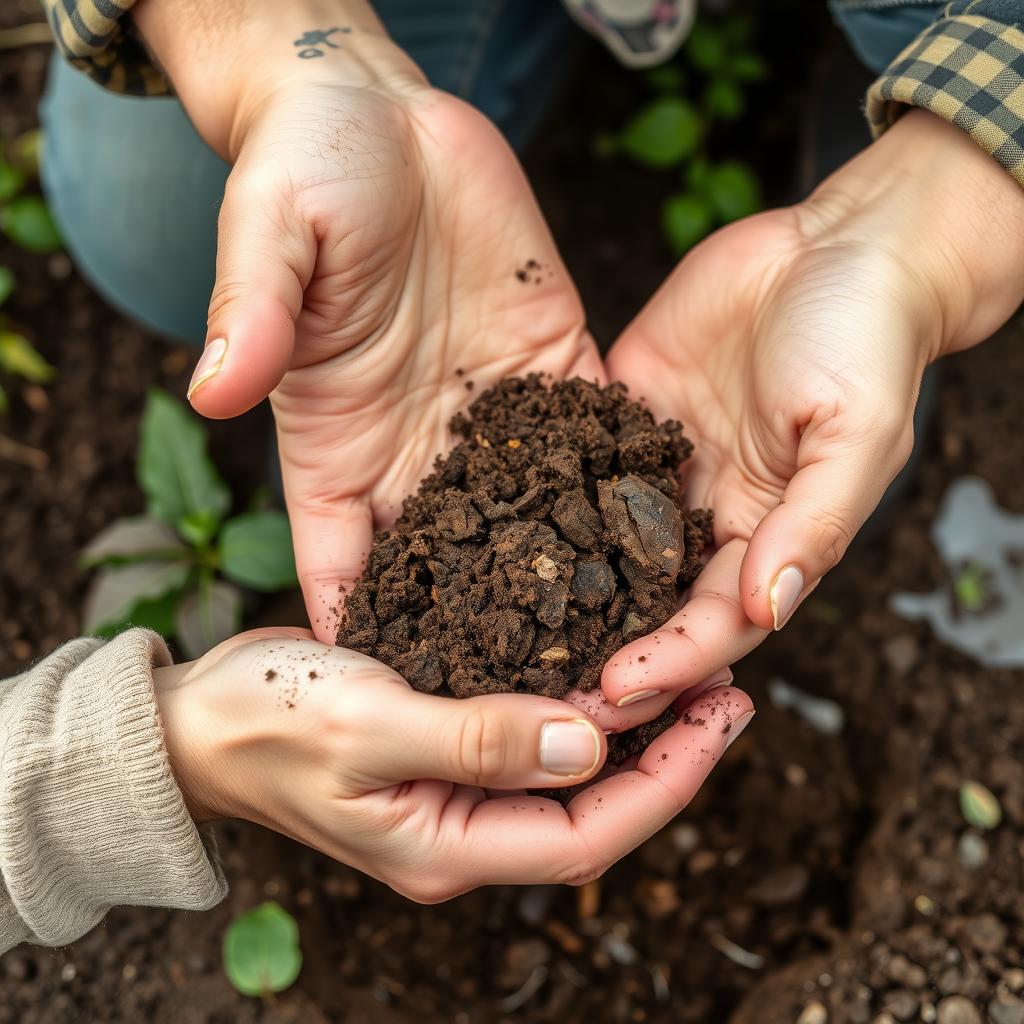
Soil Quality
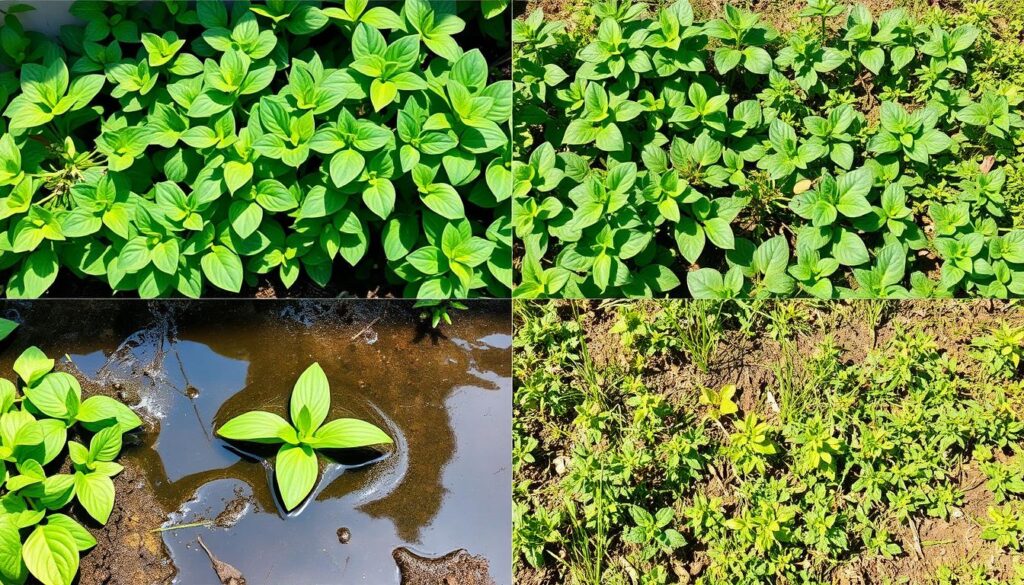
Look for well-draining soil that doesn’t stay soggy after rain. Avoid areas where water pools, as wet roots lead to rotted plants. Rocky soil will need improvement before planting.
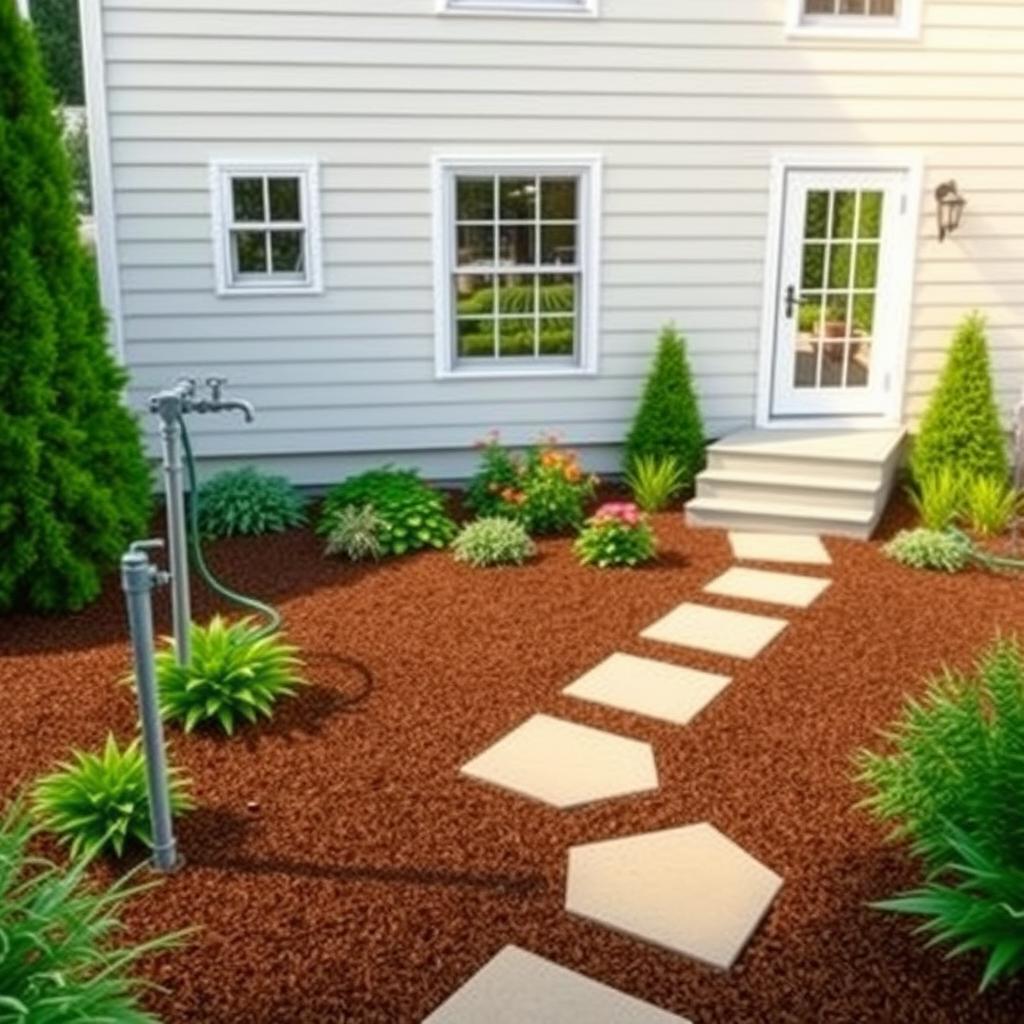
Accessibility
Place your garden where you’ll see it daily. Gardens hidden behind garages often get neglected. Ensure easy access to water sources and consider proximity to your kitchen for herb and vegetable gardens.
Beginner Tip: Start Small!
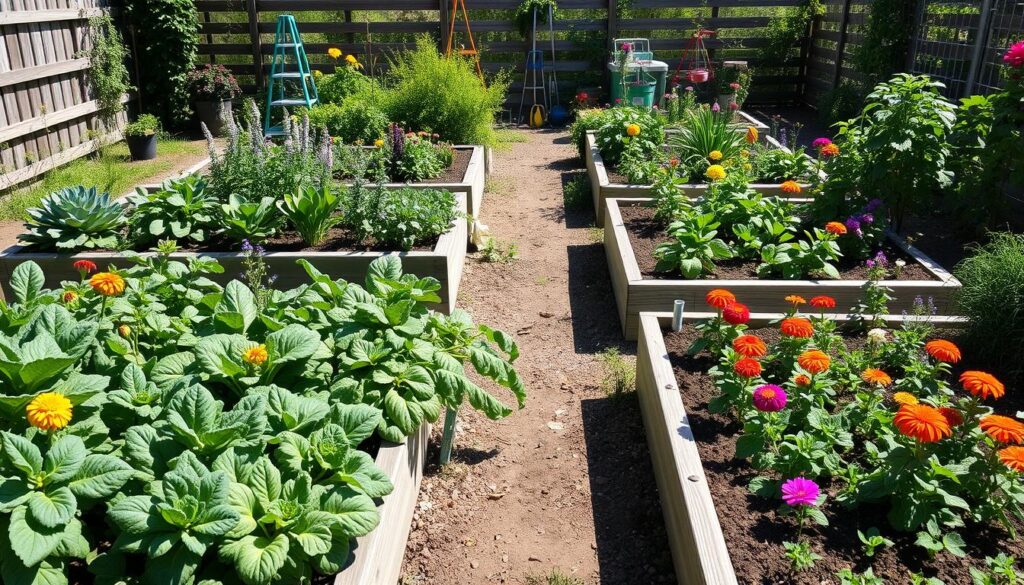
It’s better to be proud of a small, thriving garden than overwhelmed by a large one. For first-timers, a 4×4 or 4×8-foot raised bed is perfect. You can always expand later!
Step 2: Selecting Easy-to-Grow Plants for Beginners
The plants you choose can make or break your first gardening experience. Start with varieties known for being forgiving and productive to build your confidence.

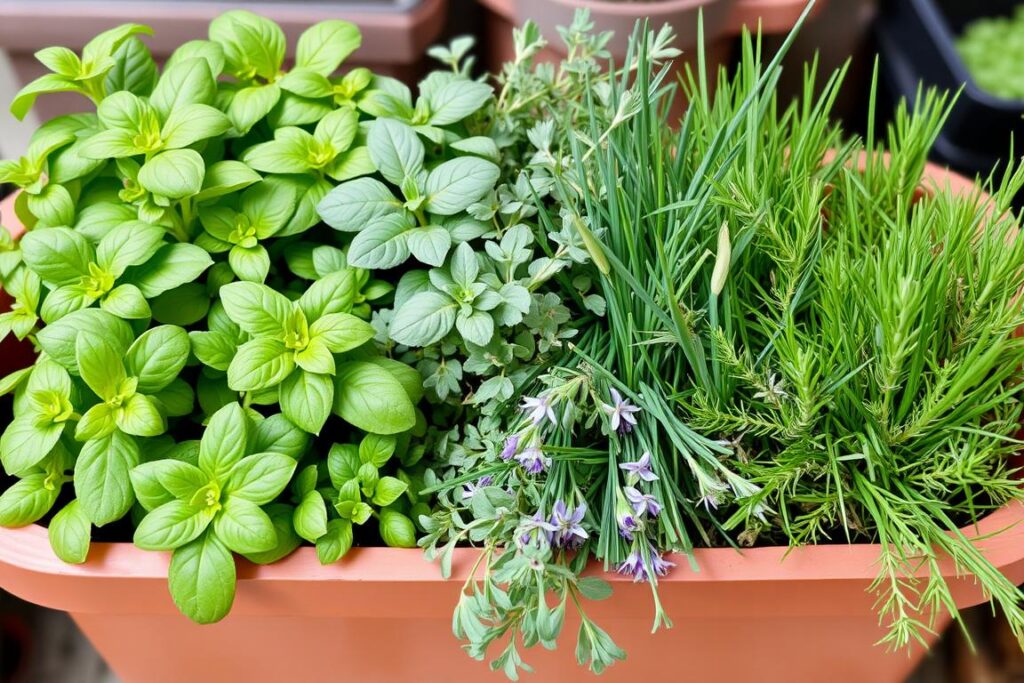
Herbs
Herbs are perfect for beginners—they grow quickly, don’t need much space, and you can harvest them repeatedly.
- Basil – Loves sun and produces all summer
- Mint – Vigorous grower (best in containers to prevent spreading)
- Chives – Returns year after year with minimal care
- Rosemary – Drought-tolerant and aromatic
Vegetables
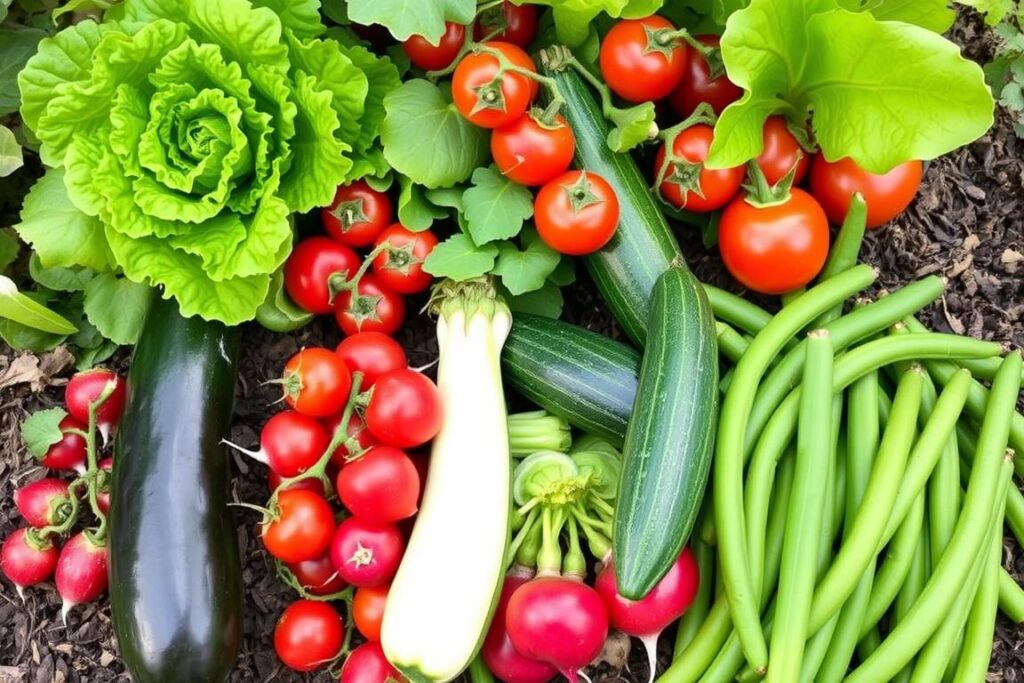
These vegetables offer quick rewards and are more forgiving for first-time gardeners.
- Lettuce – Ready to harvest in just weeks
- Cherry Tomatoes – More productive than larger varieties
- Zucchini – One plant produces abundantly
- Radishes – From seed to harvest in 3-4 weeks
- Green Beans – Reliable and productive
Flowers
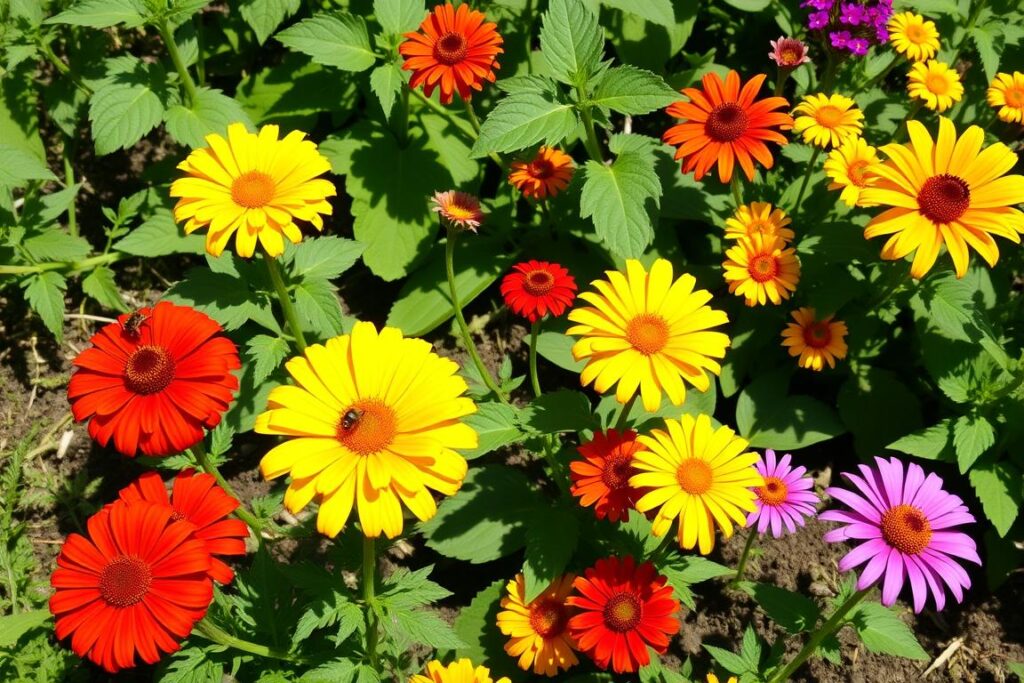
Add beauty and attract beneficial insects with these easy-growing flowers.
- Marigolds – Repel pests and add color
- Sunflowers – Fast-growing and dramatic
- Nasturtiums – Edible flowers with peppery taste
- Zinnias – Bloom all summer with minimal care
Plant Selection Matters!
Choose what you and your family will actually eat and enjoy. There’s no point growing vegetables nobody likes! Consider availability at your local grocery store—growing unique varieties can be more rewarding.
Step 3: Preparing Your Soil and Gathering Essential Tools
Good soil is the foundation of a successful garden. Most beginners underestimate how important soil quality is to plant health. Let’s look at how to prepare your soil and what tools you’ll need.
Soil Preparation
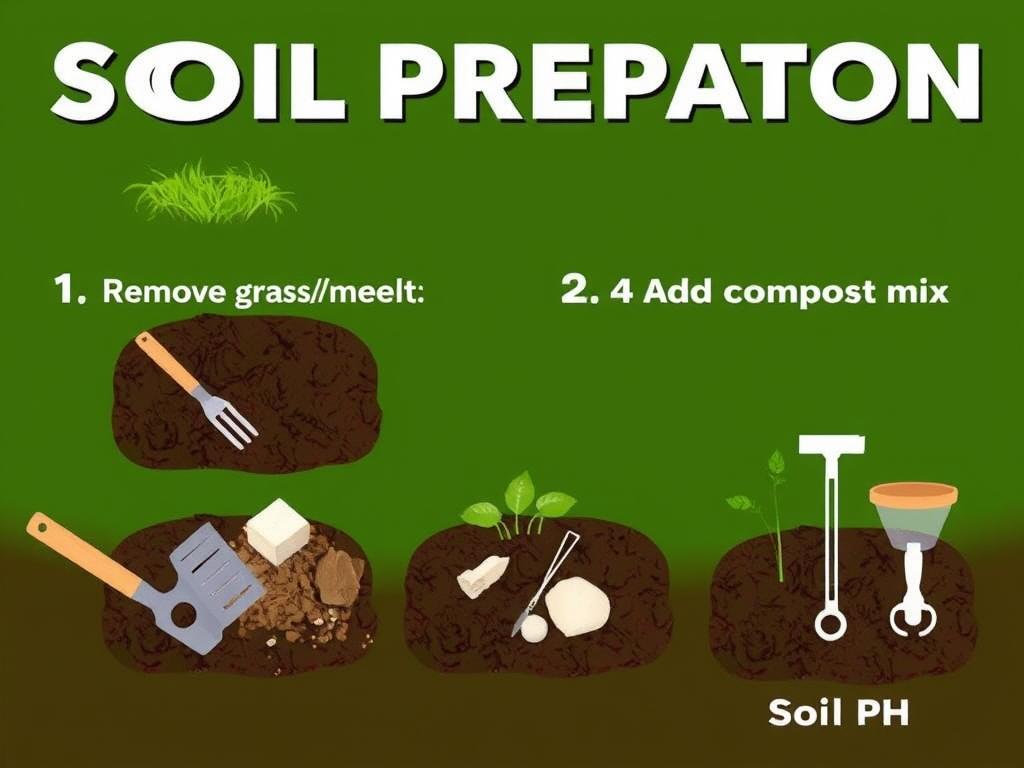
Garden soil needs to be loose, nutrient-rich, and well-draining. Here’s how to prepare it:
- Remove grass and weeds from your garden area
- Loosen compacted soil with a garden fork or tiller
- Add 2-3 inches of compost and mix into existing soil
- For raised beds, use a mix of topsoil, compost, and coarse sand
- Test soil pH (most vegetables prefer 6.0-7.0)
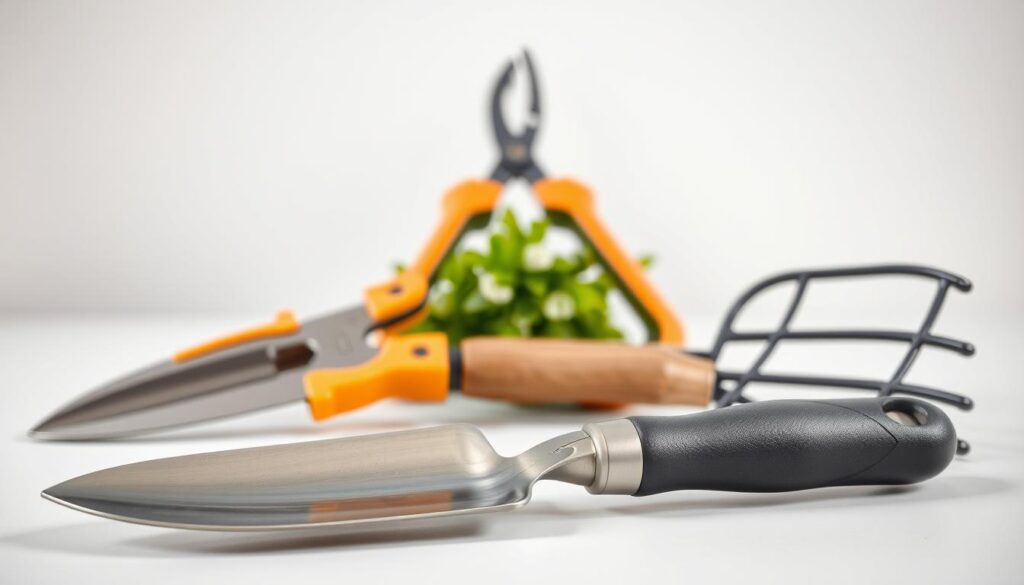
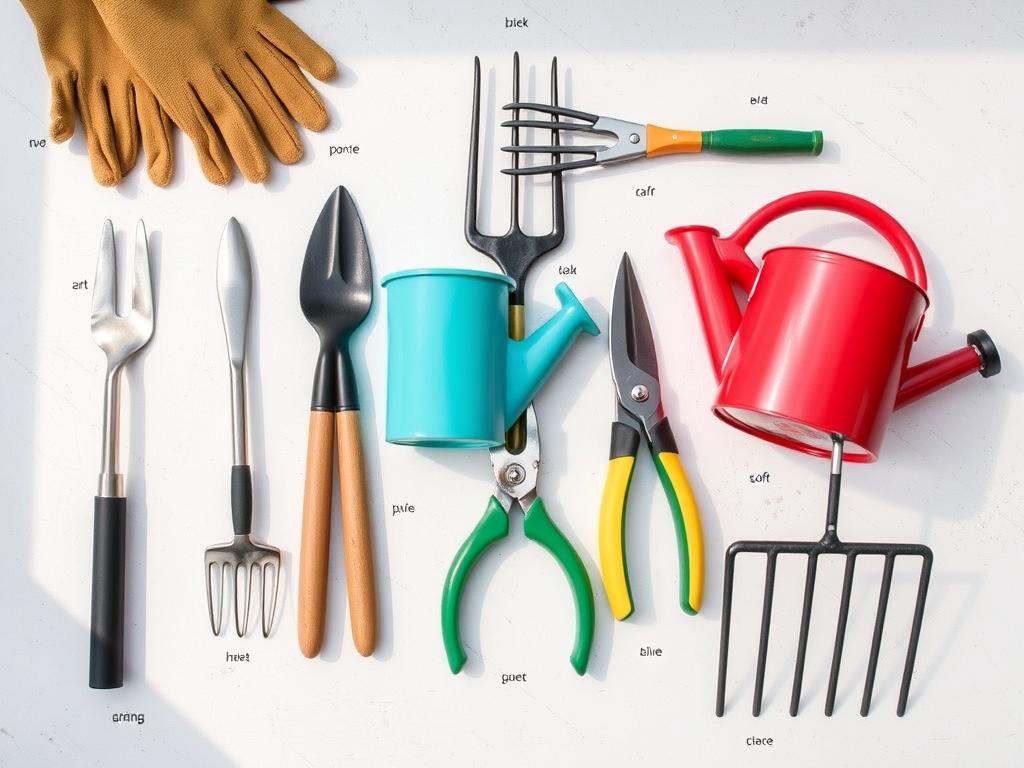
Essential Gardening Tools
You don’t need every tool in the garden center to get started. These basics will cover most needs:
- Garden gloves – Protect your hands
- Hand trowel – For planting and transplanting
- Garden fork or spade – For turning soil
- Watering can or hose with adjustable nozzle
- Pruning shears – For harvesting and trimming
- Garden rake – For smoothing soil and removing debris
- Wheelbarrow or garden cart (for larger gardens)
Soil Quality Tip:
When wet, good garden soil should hold its shape when squeezed but crumble easily when poked. If it stays in a tight ball, it has too much clay. If it falls apart immediately, it’s too sandy.
Step 4: Planting Tips and Techniques
Now for the exciting part—getting those plants in the ground! Proper planting techniques give your garden the best start possible.
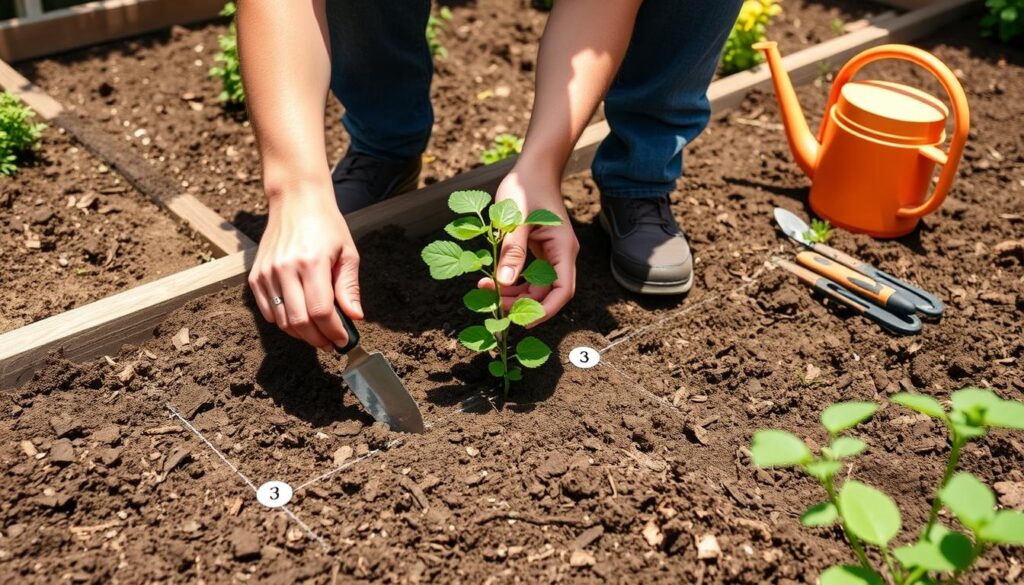
Planting Guidelines:
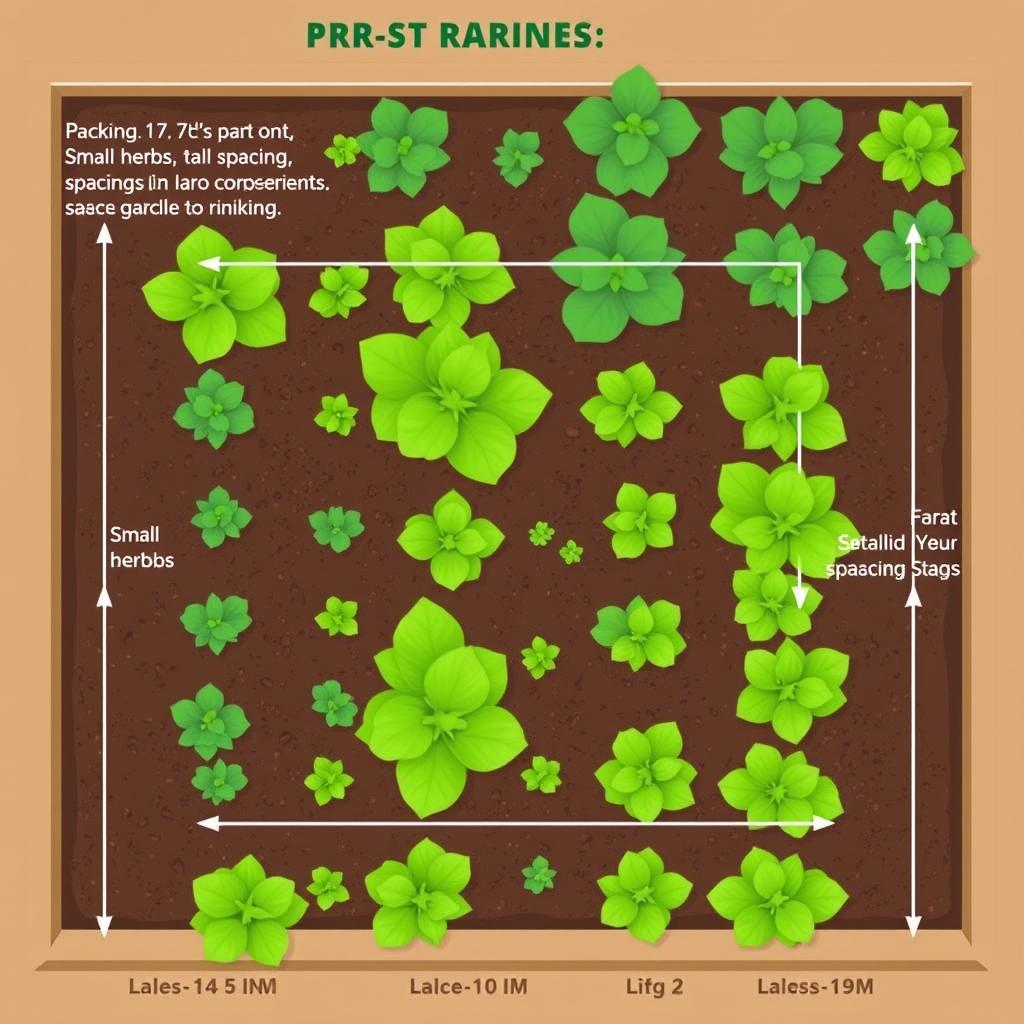
Spacing
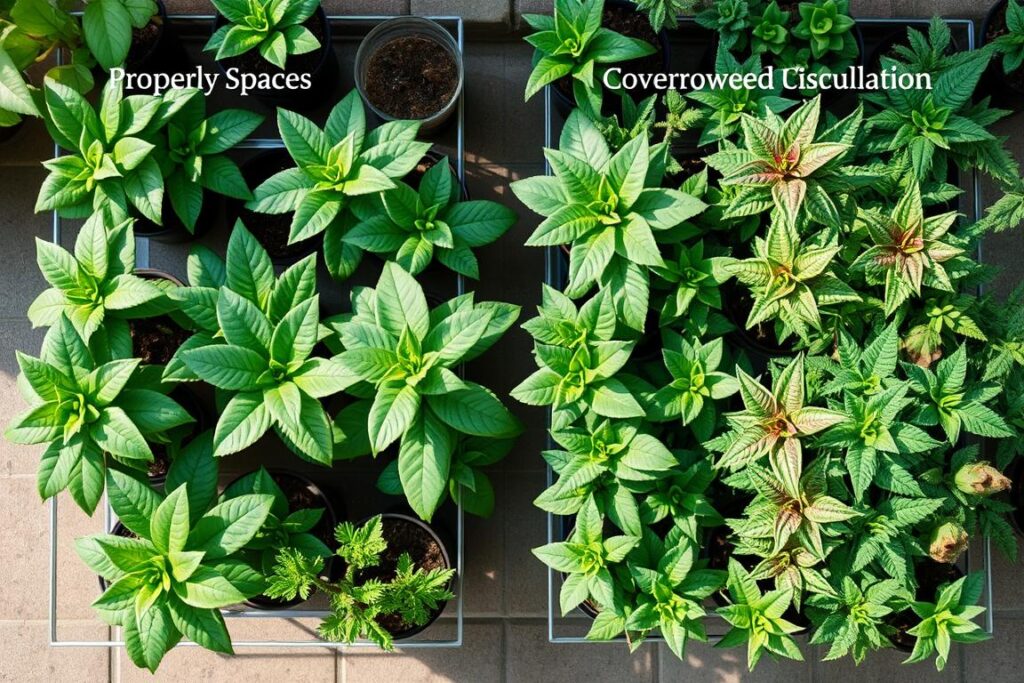
Give plants enough room to grow. Crowded plants compete for nutrients and are more susceptible to disease.
- Follow seed packet or plant tag recommendations
- Consider mature size, not current size
- Use a ruler or spacing guide for consistent results
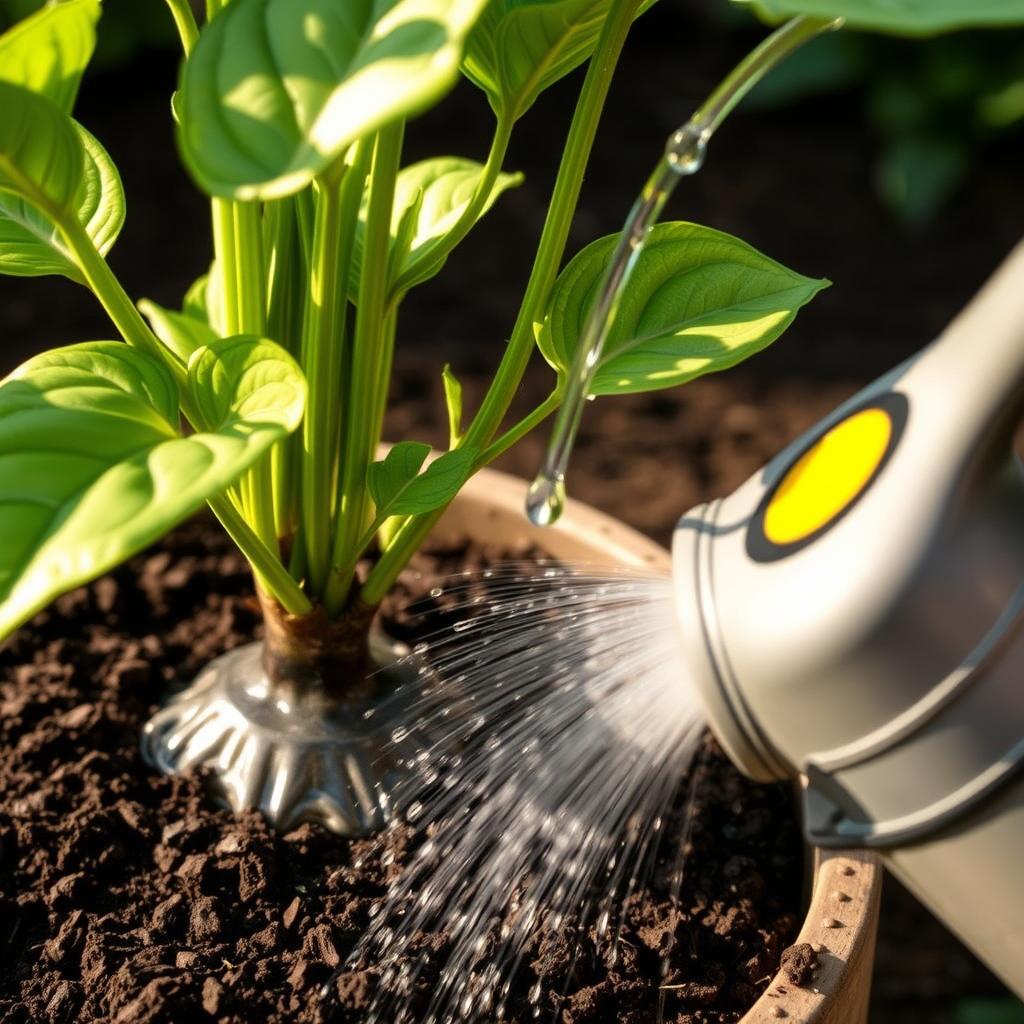
Watering
Consistent watering is crucial, especially for new plants and during dry periods.
- Water deeply but less frequently to encourage deep roots
- Water at the base of plants, not the leaves
- Morning watering reduces evaporation and disease
- Consider drip irrigation for consistent moisture
Seasonal Considerations
Timing matters in gardening. Plant according to your local growing season.
- Cool-season crops: spring and fall (lettuce, peas, radishes)
- Warm-season crops: summer (tomatoes, peppers, zucchini)
- Check your local frost dates before planting
- Stagger plantings for continuous harvests
“The best time to plant a garden was last year. The second best time is today.”
Step 5: Basic Garden Maintenance
Regular maintenance keeps your garden healthy and productive. Establishing good habits from the start will save you time and frustration later.
Weeding
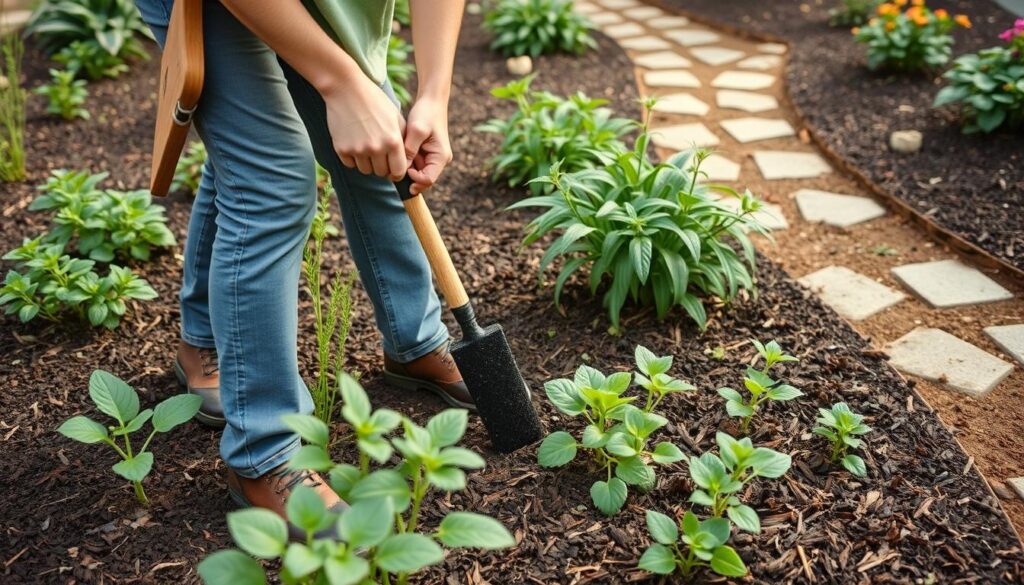
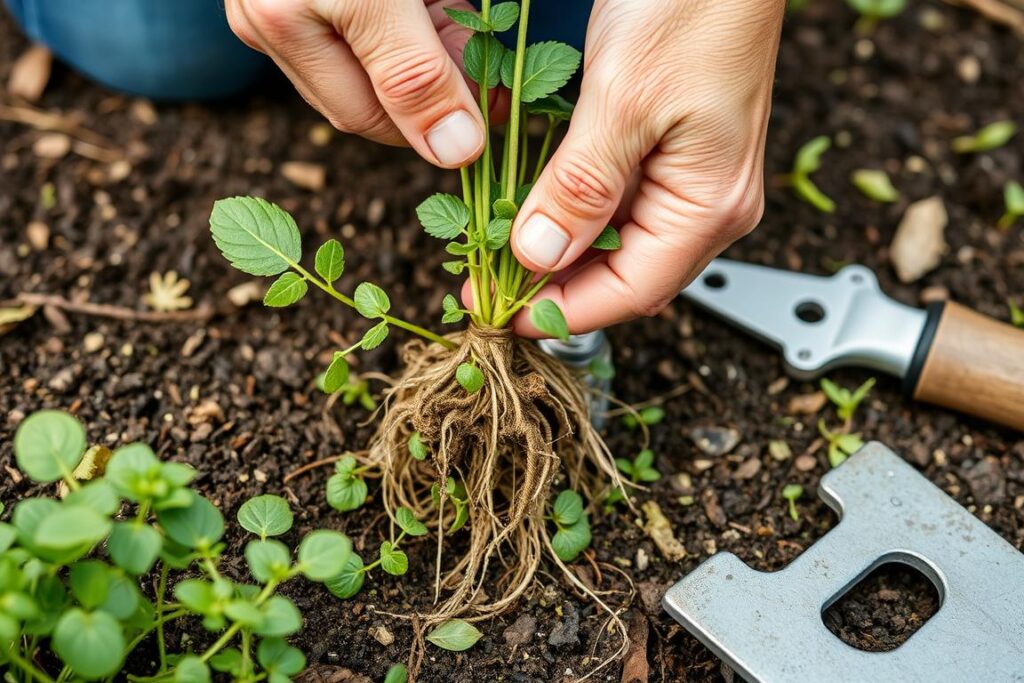
Weeds compete with your plants for water, nutrients, and sunlight. Stay on top of them with these strategies:
- Weed regularly when weeds are small
- Use a hand tool to remove the entire root
- Apply mulch to suppress weed growth
- Consider landscape fabric for persistent weed areas
Fertilizing
Plants need nutrients to thrive. Here’s how to keep them well-fed:
- Apply compost as a natural, slow-release fertilizer
- Use organic fertilizers for vegetables and herbs
- Follow package directions—more isn’t better
- Heavy feeders (tomatoes, corn) need more nutrients

Pest Control
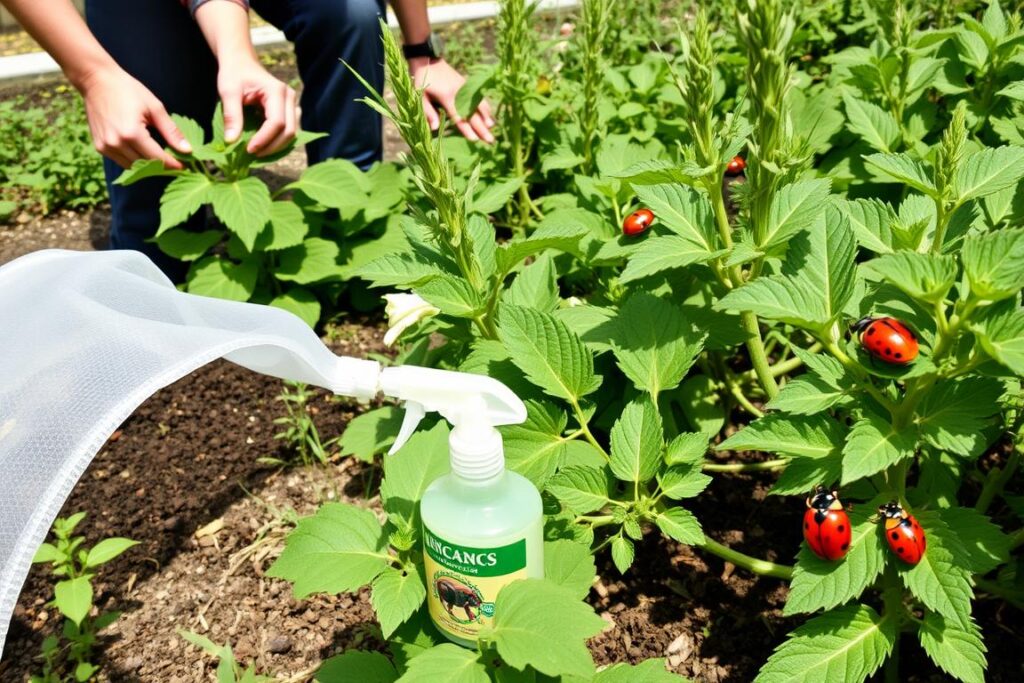
Every garden faces pest challenges. Start with these gentle approaches:
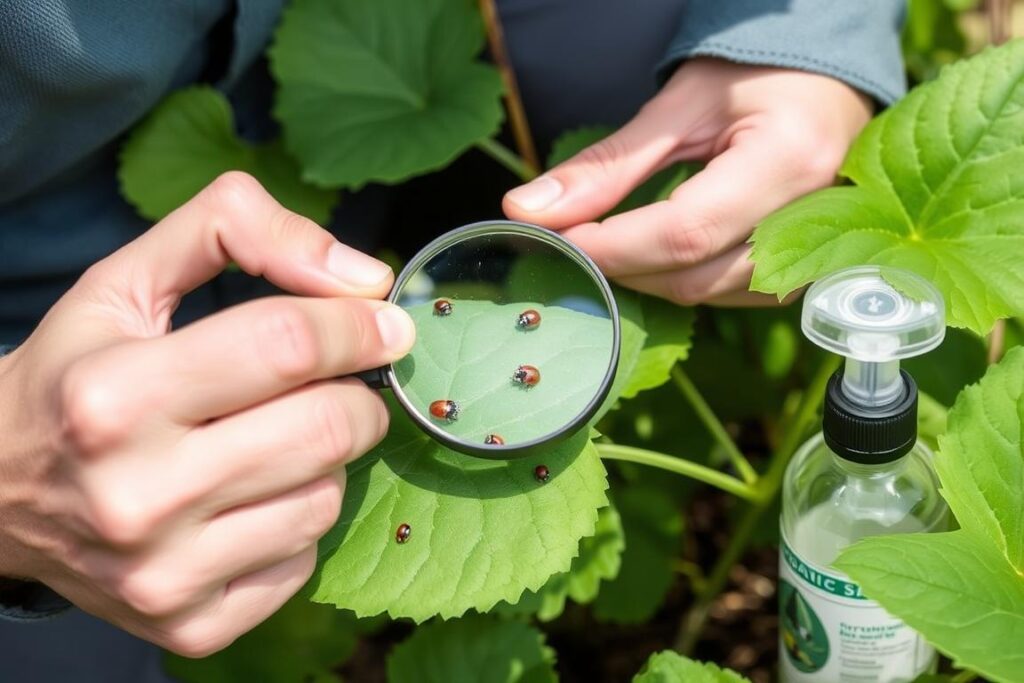
- Inspect plants regularly for signs of pests
- Remove pests by hand when possible
- Use row covers to protect vulnerable plants
- Try organic solutions before chemical pesticides
- Encourage beneficial insects like ladybugs
Maintenance Made Simple
Spending just 15 minutes daily in your garden can prevent most maintenance tasks from becoming overwhelming. Make it part of your morning or evening routine!
Common Mistakes to Avoid When Starting a Garden
Even experienced gardeners make mistakes. Learning what to avoid can save you time, money, and disappointment.
What To Do
- Start small and expand gradually
- Test soil before planting
- Follow spacing guidelines
- Water deeply but infrequently
- Match plants to your climate and conditions
- Keep a garden journal to track progress
- Use mulch to retain moisture and suppress weeds
- Harvest regularly to encourage production
What To Avoid
- Overwatering (causes root rot)
- Underwatering (stresses plants)
- Planting too early or too late in the season
- Ignoring soil quality and pH
- Crowding plants (reduces air circulation)
- Neglecting pest prevention
- Using too much fertilizer
- Starting with difficult plants
Five Most Common Beginner Mistakes:
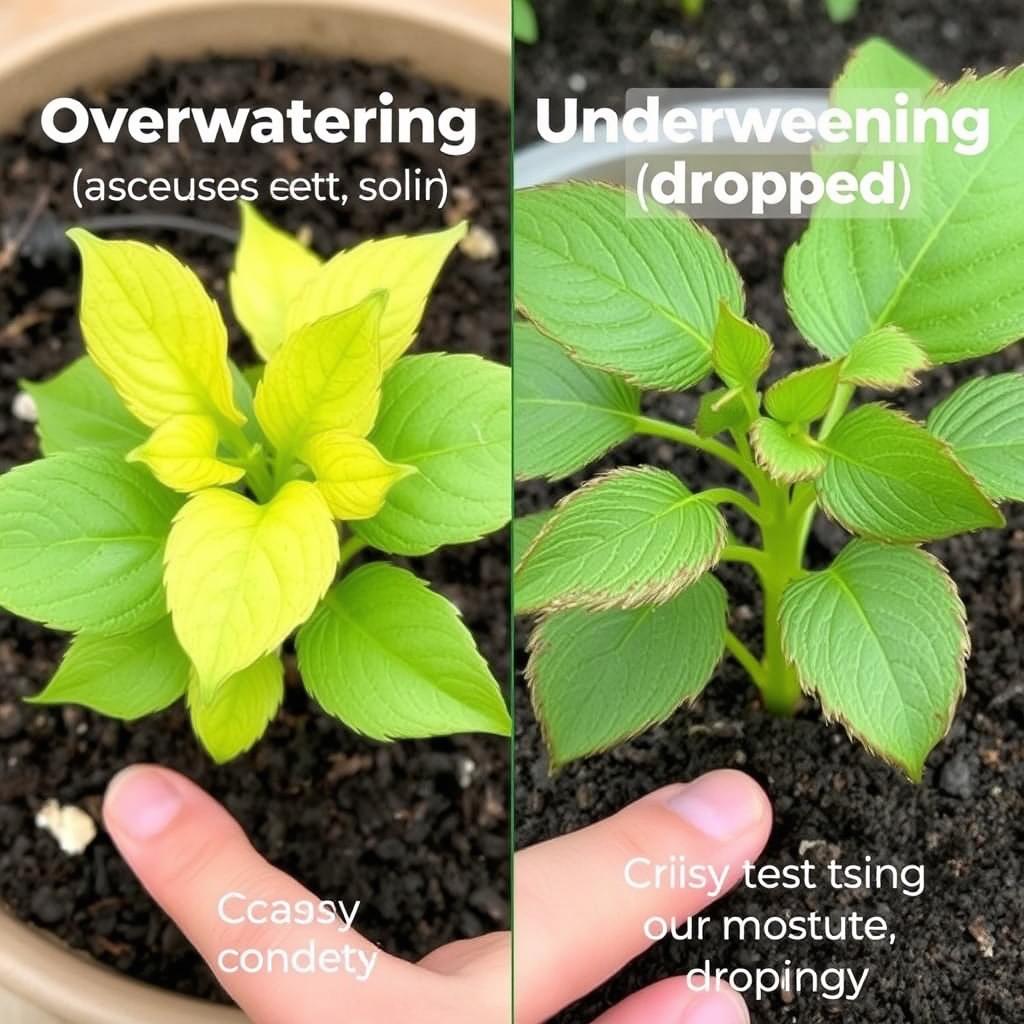
1. Improper Watering
Both overwatering and underwatering can kill plants. Learn to read your plants’ needs and check soil moisture before watering.
2. Wrong Plant, Wrong Place
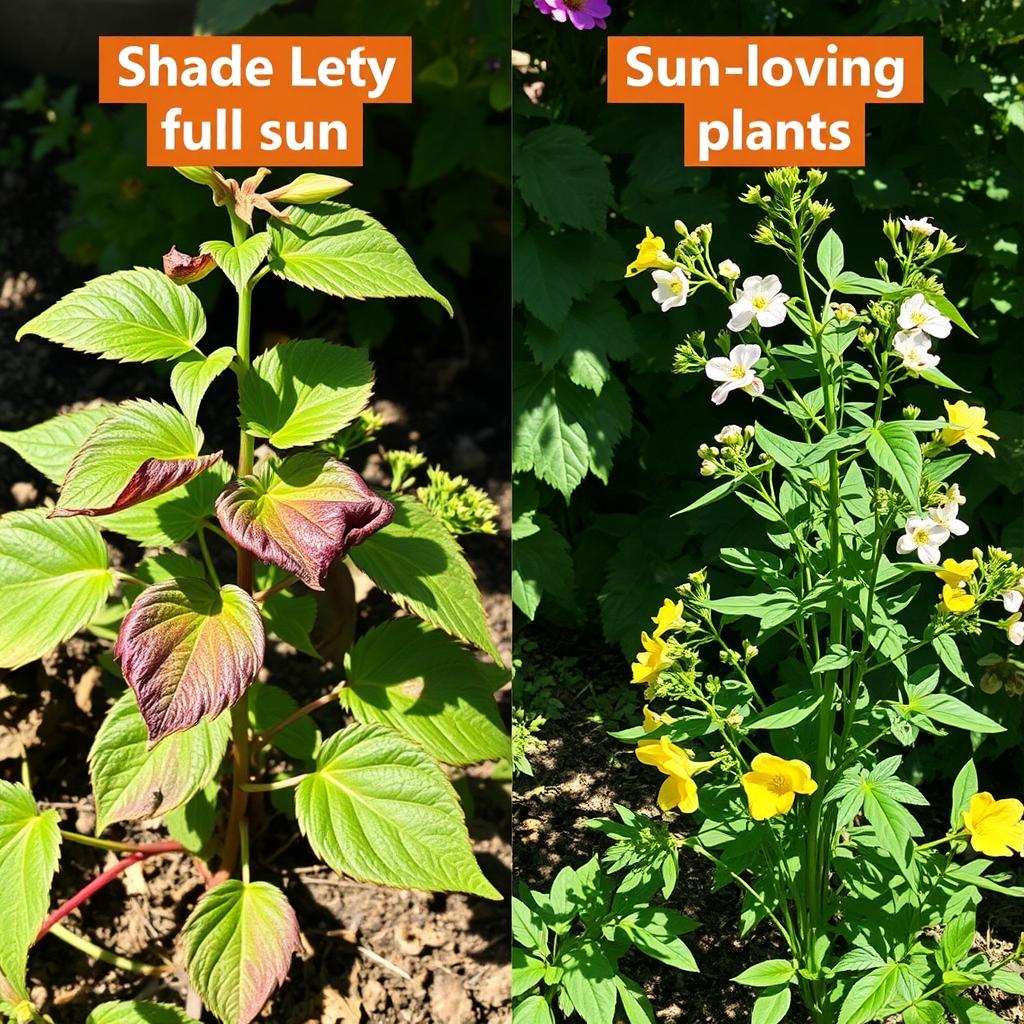
Planting sun-lovers in shade or shade-lovers in full sun leads to struggling plants. Always match plants to their preferred growing conditions.
3. Ignoring Soil Quality
Plants can only be as healthy as the soil they grow in. Invest time in improving your soil before planting for better results.

4. Overcrowding Plants
It’s tempting to plant densely, but crowded plants compete for resources and have poor air circulation, leading to disease problems.
5. Neglecting Pest Prevention
Waiting until pests are a problem makes control much harder. Regular inspection and early intervention are key to garden health.
Remember:
Every gardener kills plants sometimes! Don’t get discouraged by setbacks—they’re valuable learning opportunities that make you a better gardener.
Different Garden Types for Beginners
There are several approaches to creating your first garden. Each has advantages depending on your space, time, and goals.

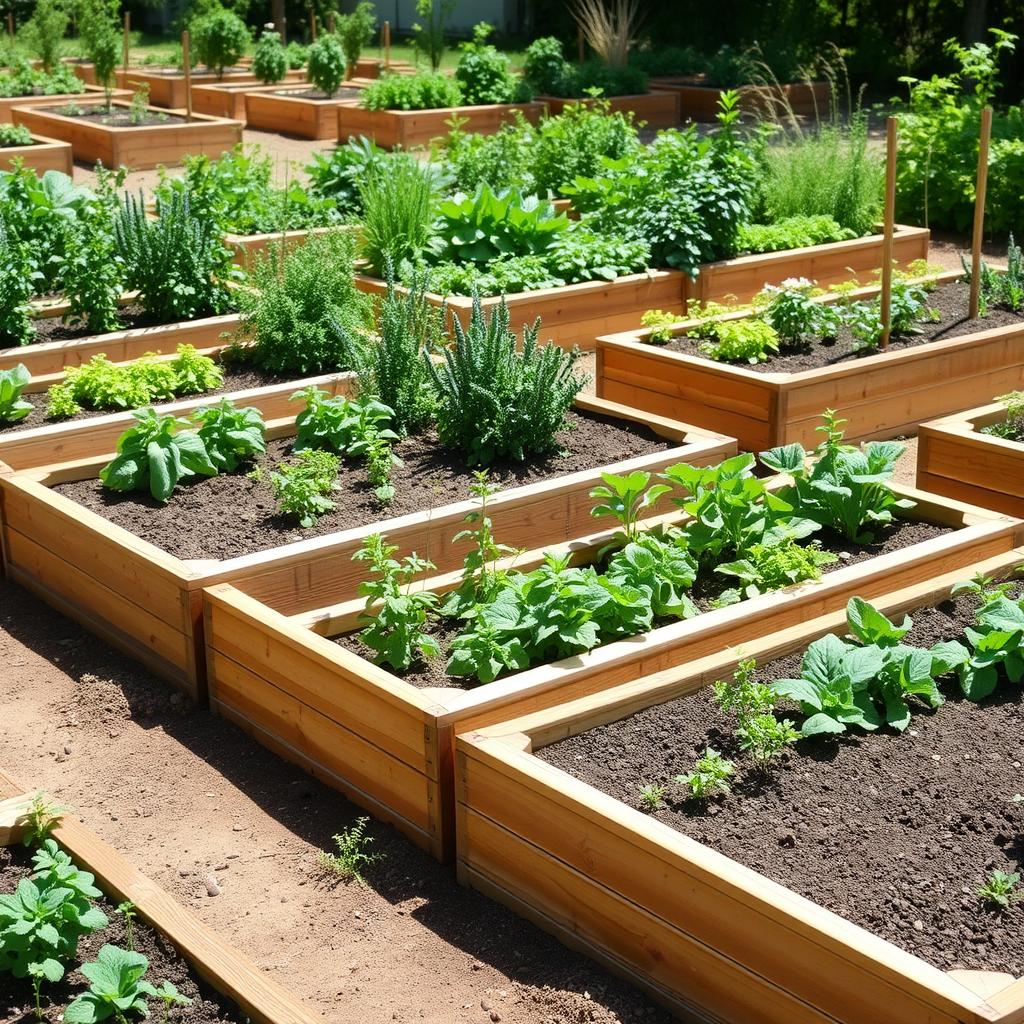
Raised Bed Gardens
Perfect for: Areas with poor soil, limited mobility, organized gardeners
- Better drainage and soil control
- Fewer weeds and less bending
- Warm up faster in spring
- Clear boundaries make maintenance easier
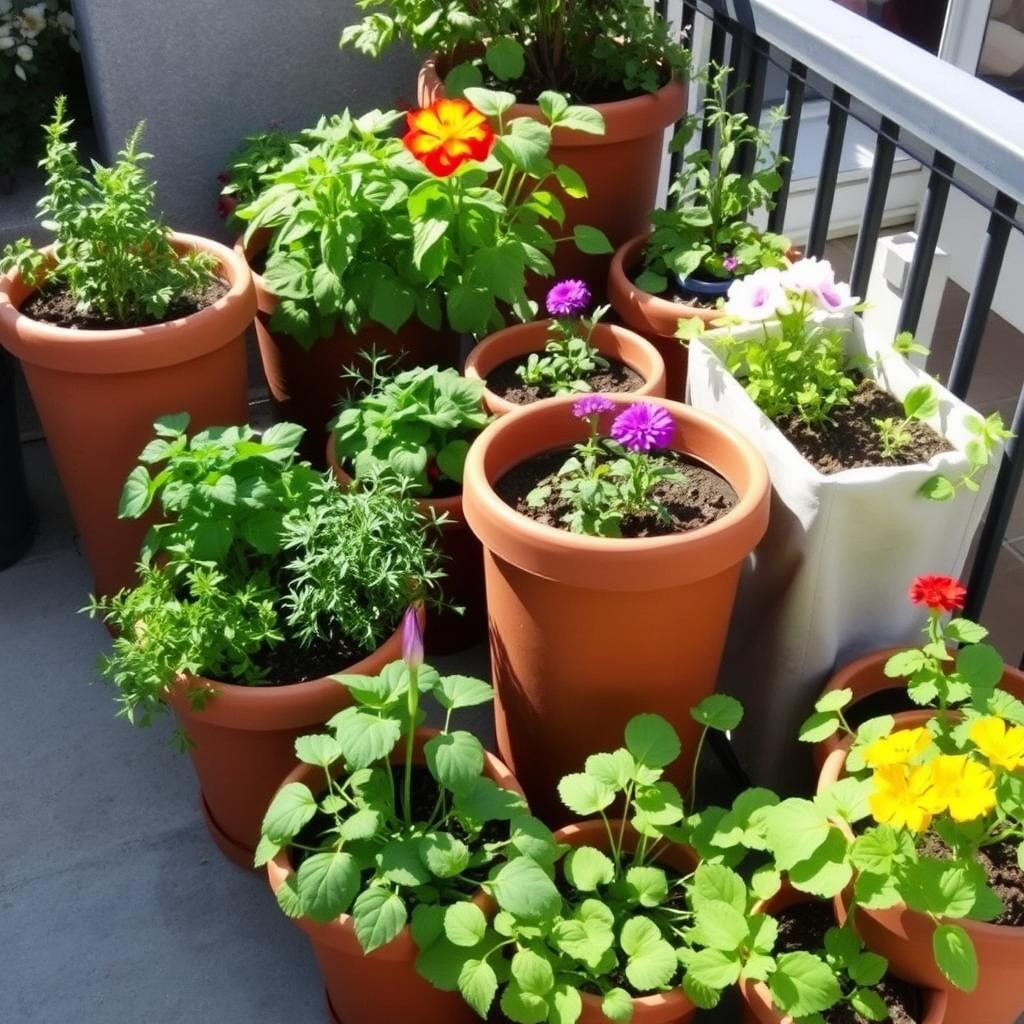
Container Gardens
Perfect for: Small spaces, patios, balconies, rental properties
- Highly portable and flexible
- Perfect for herbs and small vegetables
- Can be placed in optimal sun locations
- Less commitment than in-ground gardens
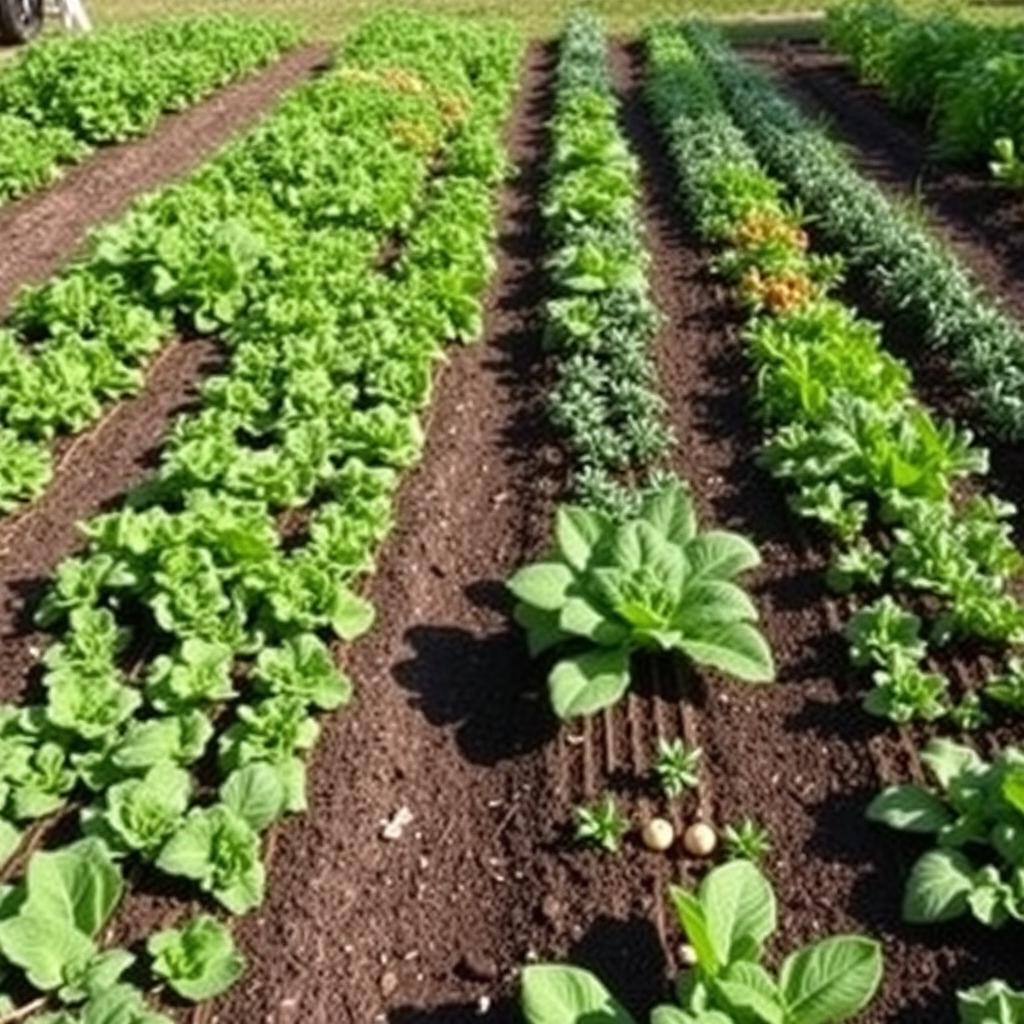
In-Ground Gardens
Perfect for: Large spaces, established yards, traditional gardeners
- Lower startup costs
- Plants can develop deeper root systems
- More space for sprawling plants
- Natural soil ecosystem benefits
Beginner Recommendation:
If you’re just starting out, a 4×4 foot raised bed or a collection of 5-7 large containers is an ideal size. You’ll get enough harvest to be rewarding without feeling overwhelmed by maintenance.
Start Small, Learn Big: Your Garden Journey Begins
Remember that gardening is a journey, not a destination. Every season brings new lessons and opportunities to grow—both plants and your skills. The most important step is simply to begin.

Key Takeaways for How to Start a Garden for Beginners:
- Start with a small, manageable space
- Choose the right location with adequate sunlight
- Invest time in preparing good soil
- Select easy-to-grow plants that you’ll actually use
- Establish regular maintenance routines
- Learn from mistakes and adjust as you go
- Keep a garden journal to track what works
- Celebrate every success, no matter how small
“To plant a garden is to believe in tomorrow.”
Your garden will evolve as you gain experience and confidence. What matters most is taking that first step and enjoying the process. With each season, you’ll discover new plants to try, techniques to master, and the deep satisfaction that comes from growing something with your own hands.
Share Your Garden Journey!
We’d love to hear about your gardening experiences, questions, or tips. What are you planning to grow in your first garden? Have you overcome any challenges already? Share in the comments below!
Frequently Asked Questions About Starting a Garden
How much time does a beginner garden require?
A small beginner garden typically needs about 1-3 hours per week, depending on the season and weather conditions. This includes watering, weeding, and harvesting. Spending just 15-20 minutes daily is often more effective than one long session weekly.
When is the best time to start a garden?
Spring is traditionally the best time to start a garden, after the last frost date in your area. However, you can start planning and preparing your garden space during winter. Some cool-season crops can be planted in early spring or fall. Container gardens can be started almost any time of year if kept in appropriate conditions.
How much does it cost to start a small garden?
A basic container garden can be started for as little as £30-£50, while a small raised bed garden might cost £100-£200 for materials, soil, and plants. In-ground gardens have lower startup costs but may require soil amendments. Seeds are much more economical than buying starter plants, though they take longer to produce.
What if I don’t have much outdoor space?
Even a sunny windowsill, balcony, or small patio can become a productive garden space. Focus on container gardening with compact varieties and vertical growing techniques. Herbs, salad greens, cherry tomatoes, and many flowers grow well in containers. Community gardens are also an excellent option if you have no outdoor space at all.
How do I know if my garden is getting enough water?
The finger test is the simplest way to check: insert your finger about an inch into the soil. If it feels dry at that depth, it’s time to water. Most gardens need about 1-1.5 inches of water per week, either from rainfall or irrigation. Signs of underwatering include wilting and dry, crispy leaf edges. Signs of overwatering include yellowing leaves and soggy soil.