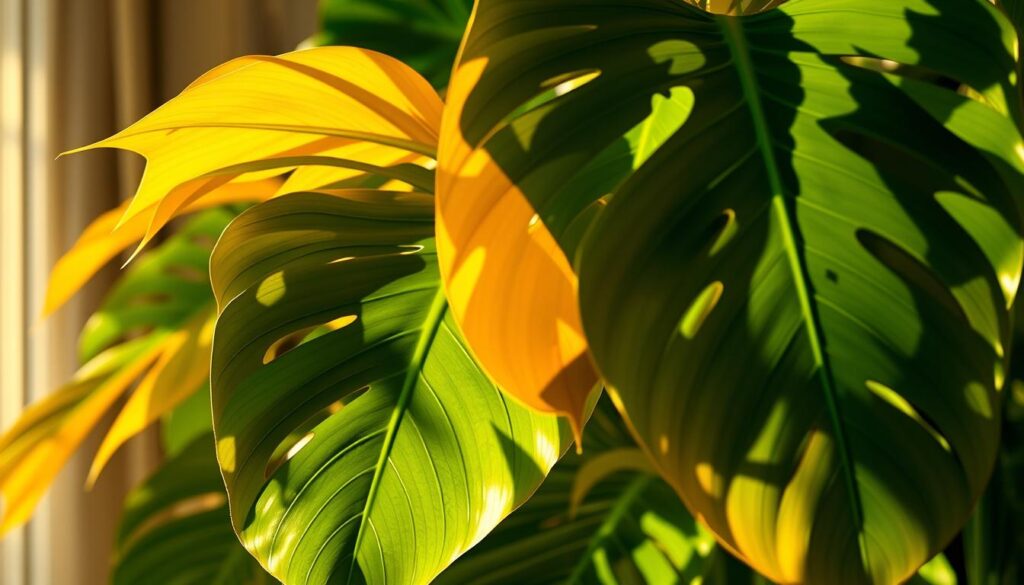
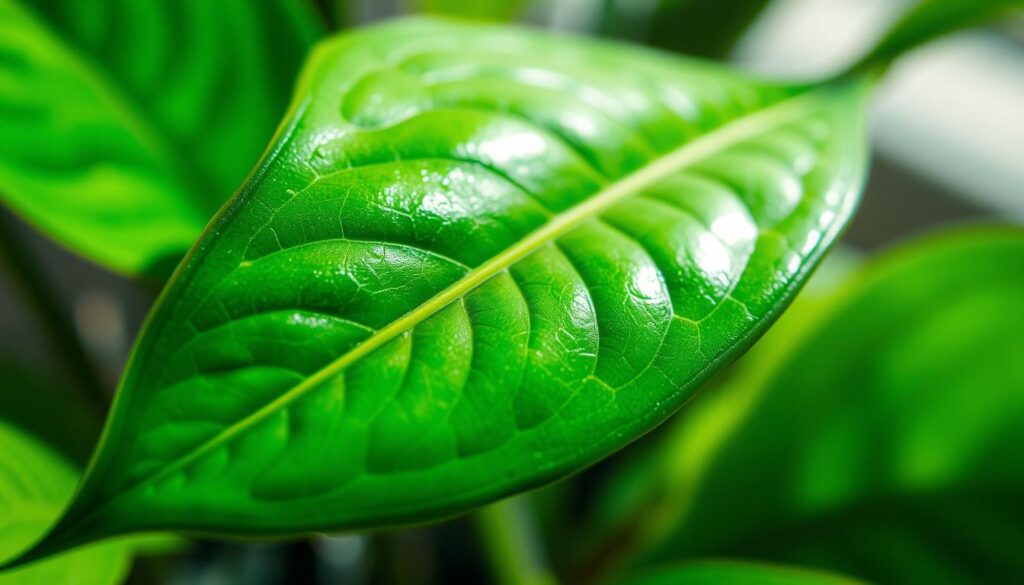
Ever thought if the shine on your houseplants is good or bad for them? The debate on polishing houseplants is tricky. It makes owners choose between looks and plant health. A shiny leaf can make your home look nice, but it’s important to know the risks of leaf shine products.
In this article, we’ll look into how to care for your plants. We’ll see if the glossy look is really good or if it might harm your plants.
Key Takeaways
- Polishing houseplants can improve their appearance but may pose risks.
- Understanding the balance between aesthetics and plant health is essential.
- Some products may be harmful to the leaf surfaces, affecting photosynthesis.
- Exploring eco-friendly alternatives can benefit both plants and the environment.
- Consistent houseplant maintenance is key to a thriving indoor garden.
Understanding the Appeal of Polishing Houseplants
Many people polish houseplants for several reasons. It makes indoor plants look better and improves their health. This practice shows how much we care for our plants.
The Aesthetic Benefits
Polishing makes leaves shiny and vibrant, changing your room’s look. It makes leaves look healthy and attractive. This makes them stand out in your decor.
Shiny leaves reflect light well, making rooms brighter. People often notice and comment on these plants. It makes you feel proud of your plants.
Boosting Indoor Mood
Caring for plants can make you feel better. Studies show that indoor plants can lift your mood and reduce stress. Polishing plants is a simple way to bond with them.
This activity helps you relax and feel accomplished. It can improve your mental health.
Creating a Lush Environment
Polishing houseplants makes your space feel welcoming and lush. A well-kept indoor garden adds colour and texture. It also improves the air quality.
Having a thriving garden makes you feel close to nature. The care you give your plants shows in their health. It makes your home richer.
The Science Behind Leaf Shine
Leaf shine is more than just a pretty look. It’s about how plants work. Each leaf is built differently, affecting how it reflects light. This is key for photosynthesis.
A clean leaf surface helps it absorb more light. This makes your plants look healthier and more alive.
The Role of Leaf Surfaces
Leaf surfaces are vital for plant health. They can be waxy or textured, changing how light hits them. A shiny surface reflects light better, boosting photosynthesis.
Keeping your plants clean helps keep this shine. It ensures they stay healthy and use light well.
Photosynthesis and Light Reflection
Light reflection is key for photosynthesis. It decides how much light a plant can use. Shiny, well-cared-for plants capture more light, growing stronger.
This shows why leaf shine matters. Knowing about light reflection helps you care for your plants better.
Common Products Used for Polishing
There are many ways to polish houseplants. Knowing what products are out there can really help. You can choose from commercial sprays or make your own solutions. Each option has its own benefits and things to watch out for.
Commercial Leaf Shine Sprays
Many people use commercial leaf shine sprays for a quick fix. These sprays have synthetic ingredients that make leaves shiny. But, they can leave a residue that might harm your plant.
Homemade Solutions: Natural Alternatives
For a natural way to clean your plants, try homemade solutions. A mix of water, dish soap, or vinegar can clean leaves well. These methods are good for your plants and the planet.
The Risks of Using Oils
Oils can make leaves look great, but they’re not without risks. They can block leaf pores, which stops plants from making food. Use oils carefully and only when you really need to. Always check what your plants need before using any product.
| Product Type | Benefits | Risks |
|---|---|---|
| Commercial Leaf Shine Sprays | Quick application, glossy finish | Potential residue, synthetic chemicals |
| Homemade Solutions | Naturally derived, eco-friendly | May require more effort to apply |
| Oils | Provides sheen | Can clog pores, hinder photosynthesis |
The Environmental Impact of Leaf Shine Products
When you care for your houseplants, it’s key to know how leaf shine products affect the environment. Many sprays have harsh chemicals that harm natural ecosystems. This can affect plant health and the wildlife around them. We’ll look at the chemicals in these products and their harm, and also talk about safer options.
Chemical Ingredients and Their Effects
Leaf shine products often have synthetic chemicals for a shiny look. Ingredients like petroleum distillates, silicone, and waxes are common. These can harm in several ways:
- They can pollute soil and water.
- They can mess with plants’ natural processes, like photosynthesis.
- They might harm good insects and organisms.
Knowing these risks shows why picking the right products is so important. It’s about thinking of the bigger picture and the planet’s health.
Eco-Friendly Alternatives
If you’re looking for safer options, there are many. Here are a few:
- Neem oil mixed with water for a natural shine.
- A simple mix of water and mild soap to clean leaves.
- Homemade leaf shine sprays from natural stuff like coconut oil and vinegar.
Choosing these eco-friendly options lets you enjoy your plants’ beauty without harming the planet. It’s good for your plants and the environment too.
Recognising the Signs of Leaf Burn
It’s important to watch your houseplants for signs of stress. Leaf burn can happen when plants get too much sunlight. But, too much polish can make it worse. Spotting these signs early helps you keep your plants healthy.
Symptoms of Over-Polishing
Over-polishing can cause many problems. You might see:
- Browning leaf edges: This shows your plant’s leaves are reacting to too much polish.
- Yellowing or wilting: This could mean your plant is having trouble breathing because of polish buildup.
- Cracked or dry leaves: These are signs of a plant that’s been harmed by harsh chemicals or too much polish.
Damage Caused by Certain Chemicals
Knowing how chemicals in leaf shine products work is key. Some chemicals can cause leaf burn, harming your plant’s health. Be careful of:
- Petroleum-based products: These can suffocate leaves and stop them from getting the moisture they need.
- Abrasive cleaning agents: They can remove the natural oils from leaves, making them more prone to damage.
- Alcohol-containing solutions: These can dry out plants, causing them to turn brown and wilt.
How to Properly Clean Your Houseplants
Keeping your houseplants clean is key to their health and beauty. Use gentle cleaning methods to make them look great and stay healthy. Simple routines can keep your plants happy and thriving.
Gentle Cleaning Techniques
Use a damp cloth or soft brush for cleaning. Start by gently wiping the leaves to remove dust and debris. For textured leaves, a soft brush is best to clean deep crevices.
Stay away from harsh chemicals or rough materials. They can harm the leaves and stop the plant from breathing well.
Frequency of Cleaning
Cleaning your plants regularly is important for their health. Clean the leaves every couple of weeks, or more often in dusty places. A regular cleaning schedule keeps your plants looking good and helps them get enough light.
Light is vital for photosynthesis. Regular cleaning routines improve your plant’s living conditions, leading to healthier growth.

Alternatives to Polishing for Leaf Care
Looking for ways to care for your indoor plants without polishing? Simple steps like dusting and misting can make a big difference. These methods help your plants thrive without the need for shiny products.
Regular Dusting Solutions
Dust on indoor plants can block light and harm photosynthesis. Regular dusting keeps your plants looking their best. Here are some tips:
- Use a soft, damp cloth to gently wipe the leaves, removing dust without causing damage.
- A small, soft brush can help reach those tricky spots between stems and leaves.
- Regularly showering your plants can give them a thorough clean and keep their surfaces fresh.
Benefits of Misting
Misting does more than just add moisture to the air. It helps keep your plants healthy and shiny. Here’s why misting is good for your plants:
- Misting enhances humidity, which is great during dry months or in heated homes.
- It aids dust removal while promoting leaf hydration, encouraging robust growth.
- Regular misting can ward off pests by creating a less favourable environment for them.
Myth-Busting: Common Misconceptions
Many people think polishing houseplants is a must. But, it’s key to clear up these myths for the best care of your plants. Some believe all plants need regular shine and that shiny leaves mean they’re healthy. Let’s look into these beliefs.
Is Polishing Necessary for All Plants?
Not every plant needs the same care. While some plants benefit from polishing, others are better off without it. For example, ferns and succulents don’t need shine because their leaves have special roles. It’s vital to know what each plant needs, not just follow a general rule.
Are Shiny Leaves Healthier?
Many think shiny leaves mean a plant is healthy. But, this isn’t true. A plant’s health depends on many things like water, light, and nutrients. Shine might make leaves look good for a while, but it doesn’t show a plant’s true health. Knowing this helps you care for your plants better.
Recommendations for Safe Products
Choosing the right leaf shine product is key for houseplant care. Many products claim to make your plants look better and stay healthy. Knowing what to look for helps you pick safe options that won’t harm your plants.
What to Look for in a Leaf Shine Product
When picking a leaf shine product, look at its ingredients carefully. Here are important things to check:
- Non-toxic Ingredients: Make sure the product doesn’t have harmful chemicals that can hurt your plants.
- Organic Options: Natural ingredients are safer for your plants.
- UV Protection: Some products protect leaves from sun damage.
- Biodegradable Packaging: Choose brands with eco-friendly packaging to help the environment.
Reviews of Popular Brands
Here are reviews of well-known leaf shine products to help you decide:
| Brand | Type | Rating | Key Features |
|---|---|---|---|
| Shine & Protect | Commercial Spray | 4.5/5 | Non-toxic, UV protection, makes leaves glossy |
| EcoLeaf | Organic Spray | 4.8/5 | 100% natural ingredients, biodegradable, great for sensitive plants |
| Leafy Shine | Homemade Recipe | 4.6/5 | Made with natural oils, safe, cost-effective |
Using the right leaf shine product can make your houseplants look great and stay healthy. Always choose safe products that fit your plant care approach for the best results.
Your Houseplant’s Needs: Tailoring Care
Looking after your indoor plants means tailoring care to their needs. Knowing the different types of plants you have is key to their health. Each plant has its own needs, like light and humidity, which are vital for their growth.
Understanding Plant Varieties
Each plant type has its own needs. Succulents and cacti love bright light and dry air. On the other hand, ferns prefer shady spots with more moisture. Learning about your plants’ needs helps you create the best environment for them. Use reliable sources or plant guides to get the information you need.
Seasonal Considerations
Plant care changes with the seasons. In winter, plants often need less water because they grow less. But in summer, they might need more water and humidity. Keep an eye on the seasons and adjust your care to meet your plants’ needs. This way, you can help them stay healthy all year.
Final Thoughts on Caring for Your Houseplants
Starting your plant care journey is exciting. It’s important to balance looks with health. Beautiful leaves make your space look great, but keeping plants healthy is key.
This mix of looks and health makes your plants grow well and live long. It turns your home into a lush jungle. Enjoying both aspects makes caring for your plants more fun and strengthens your bond with them.
Balancing Aesthetics and Health
Getting the right mix of looks and health needs a personal touch. Each plant is different, so what works for one might not work for another. Knowing what each plant needs helps you create a care plan that suits both your plants and your style.
Choosing the right cleaning methods or picking the perfect pots and soil all help your plants thrive. Every choice you make helps your indoor garden grow.
Your Unique Plant Care Journey
Your plant care journey should show who you are and how you change. Be open to new ways of caring for your plants. As you learn, adjust your methods to keep your plants happy and healthy.
By focusing on both the beauty and health of your plants, you create a space that celebrates nature. Enjoy every step of the way as you care for your plants and make your home beautiful and healthy.