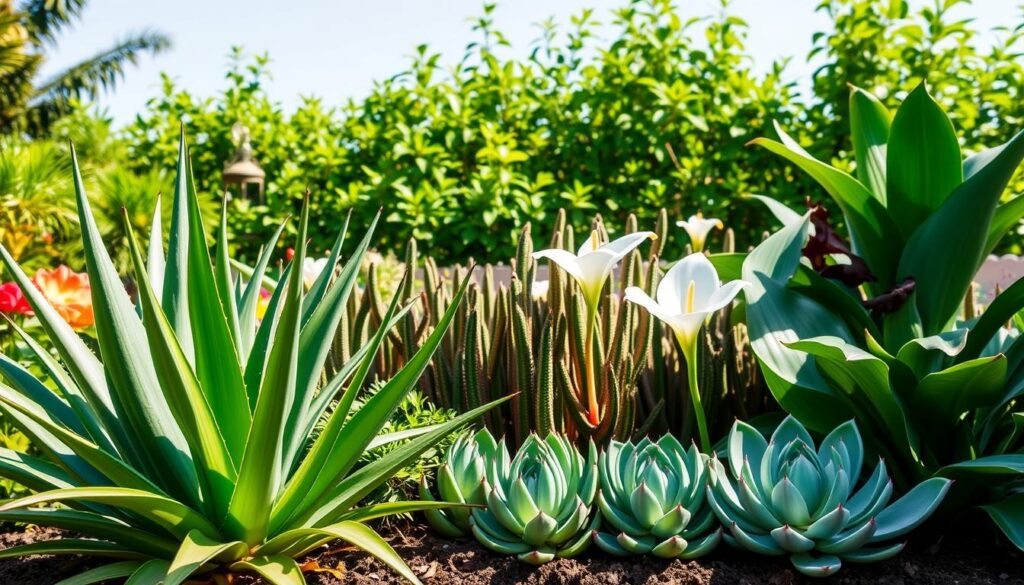
Ever thought your plants might be trying to tell you something? The right plants can be like gardening detectives, spotting problems early. This article reveals the top 5 easy-to-grow plants that act as your garden’s watchful eyes. They help you catch on to important health signals in your garden.
Learning to read these signs can make gardening easier, even if you’re new to it. Find out which plants can help you grow a beautiful garden.
Key Takeaways
- Plants can signal when something is wrong in your garden.
- Choosing easy-to-grow plants enhances your gardening experience.
- Aloe Vera, Spider Plant, Lavender, and Peace Lily are excellent indicators.
- Understanding plant health signals can save you time and effort.
- Regular observation is key to a thriving garden.
Why Choose Easy-to-Grow Plants?
Choosing easy care plants can change your gardening for the better. These plants are perfect for beginners because they grow well with little effort. They make gardening fun for everyone, whether you’re new or experienced.
Time-Saving Benefits
Easy-to-grow plants need less care. This means you spend less time watering, pruning, or fixing problems. You can relax and enjoy your garden instead of always working on it.
Cost-Effective Gardening
Choosing beginner-friendly plants can save you money. These plants are tough and don’t need to be replaced often. Buying the right gardening tools can also cut costs. This way, you spend less on your garden over time.
Boosting Your Gardening Confidence
Starting with easy plants helps you feel more confident in gardening. As you care for these plants, you learn and grow. This confidence lets you try harder plants later, making your gardening journey better.
Understanding Plant Health Indicators
To keep your garden looking great, it’s key to know about plant health signs. Each sign tells you if something’s wrong before it gets worse. We’ll look at how too much water, not enough nutrients, and pests can harm your plants.
Signs of Overwatering
Too much water can hurt your plants. Watch out for these signs:
- Wilting leaves: Plants look droopy even with plenty of water.
- Yellowing foliage: This means the roots are too wet and can’t get oxygen.
- Root rot: If roots are dark and mushy, they’ve had too much water.
Recognising Nutrient Deficiencies
Not getting enough nutrients can also harm plants. Spotting these signs early can save your plants. Look out for:
- Stunted growth: Plants grow slowly without the right nutrients.
- Discoloured leaves: Yellow or brown leaves often mean a nutrient shortage.
- Pale foliage: Leaves turning light green can mean too little nitrogen.
Pest Presence and Plant Response
Pests can really hurt your plants. Here are signs you might have pests:
- Damaged leaves: Look for holes, spots, or odd shapes.
- Sticky residue: Sap or honeydew on leaves is a pest sign.
- Visible insects: Seeing pests like aphids or spider mites means you need to act fast.
The Top 5 Plants Easy to Grow
Whether you’re a pro or a beginner, these top 5 plants are perfect for your indoor space. They’re easy to care for and make your home look great. Here’s a closer look at each of these great choices.
1. Aloe Vera
Aloe Vera is famous for its healing powers. It loves being ignored and only needs water now and then. It also cleans the air and can help with minor burns.
2. Spider Plant
The Spider Plant is a hit with city folks. Its bright green leaves and cute shoots are a joy to see. It grows well in many conditions and needs little water, making it a top pick.
3. Lavender
Lavender is not just pretty; it also smells wonderful. It loves the sun and well-drained soil. It keeps pests away and blooms beautifully with a bit of care.
4. Peace Lily
The Peace Lily is loved for its clear signals. When its leaves droop, it’s time to water. It’s easy to care for and adds a calm touch to your space.
Aloe Vera: Your Garden’s Sentinel
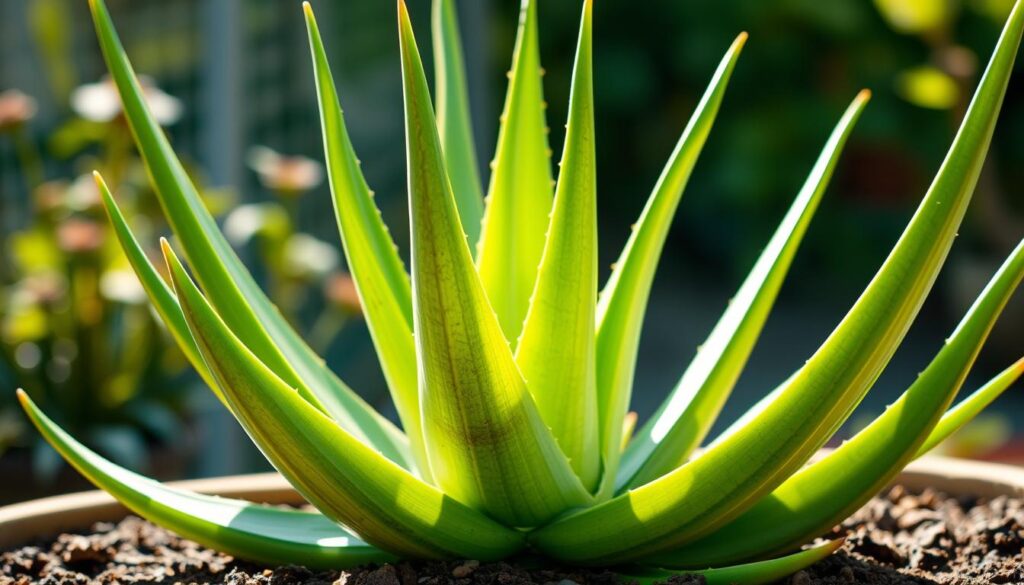
Aloe vera is a top choice for easy care plants. It’s known for being tough and having many health benefits. This succulent does well in different conditions, loved by both new and seasoned gardeners.
Health Benefits
This plant is famous for its healing powers. Aloe vera is used in skincare because it soothes and hydrates. The gel in its leaves helps minor cuts and burns heal.
Adding aloe vera to your home improves your space and skin health.
Growth Patterns
Aloe vera grows in a clumping pattern, perfect for small spaces. It likes bright, indirect light, making it great for indoors. With the right care, it grows fast, producing offsets for easy propagation.
Care Tips
Good aloe vera care involves a few simple steps. Plant it in soil that drains well to avoid root rot. Water only when the top inch of soil is dry.
Ensure good air circulation for your plant’s health. Follow these tips for a thriving aloe vera that beautifies your garden and offers health benefits.
Spider Plant: A Resilient Companion
The spider plant is a top pick for gardeners of all levels. It’s known for being very hardy and adaptable. It shows you when it needs something, keeping it healthy and bright.
Common Indicators of Stress
Stress in your spider plant shows in a few ways. Look out for:
- Browning tips of the leaves
- Wilting or drooping foliage
- Yellowing leaves
These signs usually mean it’s getting too much water or not enough light. You’ll need to change how you care for it.
Propagation Tips
Propagating your spider plant is easy and fun. Here’s how to get new growth:
- Find the offshoots, or pups.
- Cut the pups from the main plant, making sure they have roots.
- Put them in water until they grow roots, which takes about two weeks.
- Move the rooted pups to a pot with good drainage.
This way, you can grow more spider plants and share them with others.
Ideal Growing Conditions
For your spider plant to thrive, it needs bright, indirect light. Use a potting mix that drains well to prevent too much water. Check the soil often and water only when it’s dry. This will keep your plant looking great in your garden.
Lavender: The Aromatic Guardian
Lavender adds a lovely scent to any garden and shows if the garden is healthy. By spotting signs of lavender trouble, you can keep this favourite herb thriving. Knowing what it needs helps keep it lush and fragrant. Plus, it’s great at keeping pests away from your garden.
Signs of Poor Health
If your lavender looks wilted or its flowers are dull, it needs help. Problems like bad drainage or not enough sunlight can cause this. Keeping an eye on your lavender helps stop bigger issues later.
Pest Resistance
Lavender is known for fighting off pests, making it a top pick for gardeners. It naturally keeps many pests away. But, if you ignore it, pests like aphids might show up, so it’s important to care for it well.
Maintenance Tips
To keep your lavender happy, follow some simple care tips. Pruning helps it grow fuller and keeps air moving, which stops mildew. Make sure the soil drains well and it gets enough sunlight for a beautiful lavender garden.
Peace Lily: The Easy-to-Read Indicator
The Peace Lily is known for its clear communication of its needs. This makes caring for it easy, even for beginners. Its white blooms are not just beautiful but also serve as flowering signals of health. This plant is not only attractive but also does well in various conditions, including low light.
Flowering Signals
When the Peace Lily blooms, it’s a sign of a happy, healthy plant. But, if the leaves droop, it means the plant needs more water. This simple trait makes the Peace Lily a great choice for learning about gardening.
Watering Needs
Getting the right amount of water is key for peace lily care. The Peace Lily likes consistent moisture but not too much. Let the top inch of soil dry out before watering again. Checking the soil regularly helps keep the moisture just right, ensuring the plant grows well.
Ideal Lighting Requirements
This adaptable plant is perfect for low light spaces. It can handle some direct sunlight but thrives in shaded areas. Good lighting is important for its vibrant blooms, which show its health and add beauty to your home.
Snake Plant: The Tough Survivor
The Snake Plant, also known as Sansevieria, is a hardy indoor plant. It does well in low light, perfect for dark rooms. It’s not just beautiful but also easy to care for.

Low Light Adaptability
The Snake Plant loves low light and grows well in shaded spots. Its leaves stay green and often have cool patterns. This makes it great for places with little sunlight.
Identifying Plant Distress
Snake plant care is easy, but knowing when it’s sick is key. Watch for yellow leaves or a soft base, signs of too much water. Catching these problems early helps your plant stay healthy.
Care Requirements
Looking after a Snake Plant is simple. Don’t water it too often, letting the soil dry out. Good drainage stops diseases. Fertilising is rare, making it perfect for those who don’t have much time to garden. It’s a low-effort way to add beauty to your home.
Combining Plants for a Healthy Garden
Putting different plants together in your garden can make it healthier and more lively. By using smart companion planting, you can mix plants that work well together. This leads to stronger growth and a garden that thrives.
Harmonising Plant Traits
When picking plants to grow side by side, think about their traits. Some plants keep pests away, while others draw in good bugs. By matching these traits, you can make plant groups that are efficient. For instance, marigolds keep nematodes at bay and attract pollinators. Growing them with veggies can protect your crops and make them more plentiful.
Companion Planting Benefits
Using companion planting brings many advantages to your garden. You might see:
- Plants sharing nutrients, leading to better growth.
- Stronger resistance to pests, cutting down on chemical use.
- More plants in your garden, thanks to smart spacing.
Creating a Balanced Ecosystem
By choosing the right plants to grow together, you help create a balanced garden ecosystem. This balance boosts biodiversity, improving soil health and pest control. A mix of plants keeps your garden strong against diseases and harsh weather, keeping it vibrant all year.
Common Gardening Mistakes to Avoid
Every gardener makes mistakes, but knowing them can help. Understanding common gardening mistakes can save you from frustration. By avoiding common plant care errors, you can grow a healthier garden.
Focus on avoiding overwatering, understanding soil importance, and ensuring proper sunlight. These are key areas to pay attention to.
Overwatering
Overwatering is a common mistake. It may seem kind to water your plants a lot, but too much water harms them. Make sure the soil drains well and let it dry between waterings.
Ignoring Soil Quality
Soil quality is vital in gardening. Poor soil limits plant growth and performance. Good soil gives plants nutrients and helps with drainage.
Investing in quality soil or improving your existing soil can greatly benefit your plants.
Neglecting Sunlight Requirements
Plants need specific light to grow well. Ignoring this can harm their health and beauty. Check your garden’s light and choose plants that match.
Resources for Further Reading
There are many ways to learn more about gardening. Educational books can give you deep insights into plant care and maintaining a healthy garden. Books like “The Garden Primer” by Barbara Damrosch or “The New Organic Grower’s” guide are great resources.
Online gardening communities are also very helpful. They let you connect with others, share tips, and get advice. These communities can make your gardening journey better.
Don’t forget about local workshops and classes. They offer hands-on learning. You can apply what you’ve learned from books and discussions. This way, you’ll get the skills to care for your garden well. Using these resources will help you grow as a gardener.