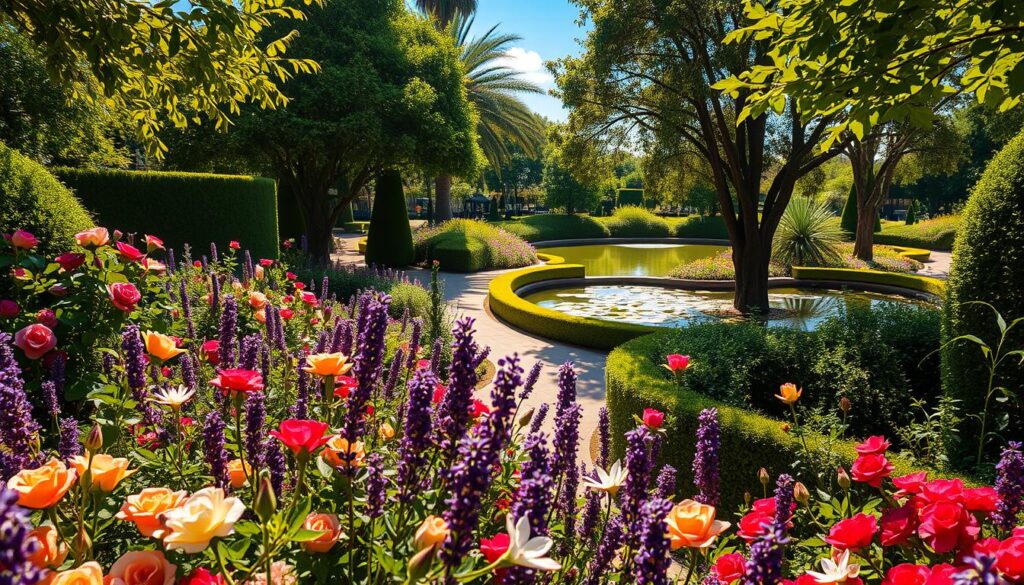
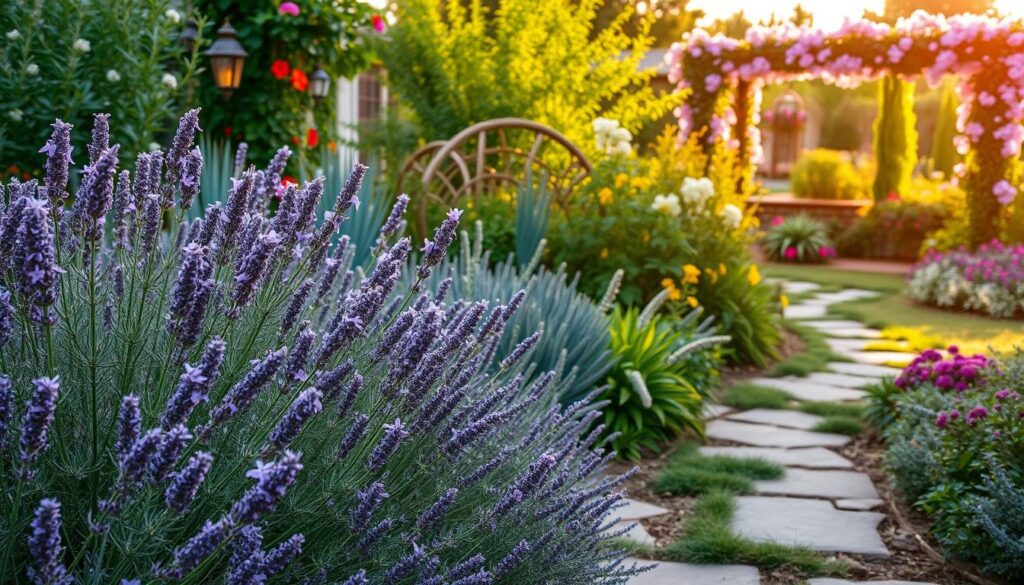
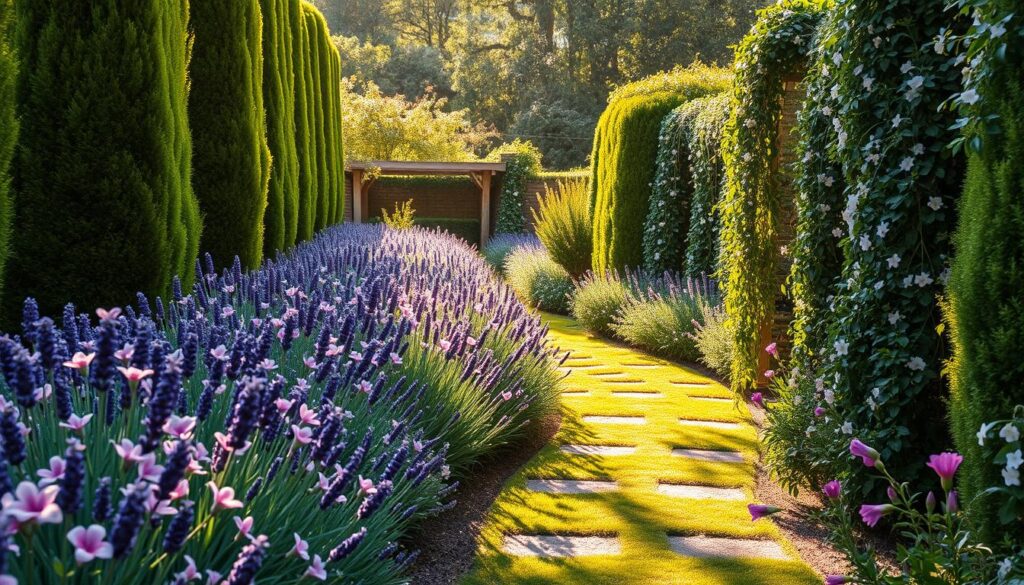
Ever thought of making your garden pathway a scent paradise? An aroma garden not only looks great but also fills the air with lovely smells. By picking plants like lavender and rosemary, you can create a fragrant herb garden that welcomes everyone. Imagine walking on a path where flowers bloom all year, filling the air with sweet scents.
With the right plants and a little planning, your pathway can be a treat for your senses. For more tips on making your garden smell amazing, check out this guide on aromatic plants for your garden.
Key Takeaways
- Select a variety of plants to ensure continual fragrance throughout the seasons.
- Incorporating aromatic plants enhances both the visual appeal and the sensory experience of your garden.
- Consider the sunlight and soil requirements of each plant to create an optimal growing environment.
- A well-planned pathway not only provides access but also serves as a fragrant journey through your garden.
- Maintaining your aroma garden involves regular watering and care to keep it flourishing.
The Benefits of Aromatic Plants in Your Garden
Aromatic plants add a lively touch to your garden. They fill the air with enchanting smells that wake up your senses. These plants make your garden a perfumed paradise and attract helpful wildlife, improving your garden’s health.
By adding aromatic shrubs, you create a peaceful oasis. This oasis is both welcoming and calming.
Enhancing Your Senses with Fragrance
The scents from aromatic shrubs can take you back to happy memories. As you walk through your garden, the smells of lavender and rosemary fill the air. They wrap you in a comforting hug.
This sensory journey can lift your mood and offer a break from everyday worries.
Attracting Beneficial Wildlife
Aromatic plants attract a variety of wildlife to your garden. Bees and butterflies come for the sweet nectar. They are key to keeping your garden healthy and diverse.
This brings life to your garden, making it a lively home for plants and animals.
Creating a Relaxing Environment
The calming scents of aromatic plants turn your garden into a peaceful haven. By choosing the right plants, you make a space that’s not just pretty but also calming.
Your garden becomes a place to relax, meditate, or simply enjoy nature. It improves your life in many ways.
Choosing the Right Location for Your Aroma Garden
Starting a fragrant herb garden means picking the perfect spot. The right environment is key for your plants to thrive. Here are important things to think about when picking a spot for your aroma garden.
Sunlight Requirements
Most aromatic plants love full sunlight. They need at least six to eight hours of direct sun each day. Plants like lavender and rosemary grow better with more sun, making their scents stronger. Make sure your garden spot gets enough sunlight for your plants to grow well.
Soil Quality Considerations
The soil’s quality is very important for your plants. Different plants like different soils. For example, lavender likes well-drained, slightly alkaline soil, while gardenias prefer rich, acidic soil. Preparing the soil well before planting will help your plants grow strong and healthy.
Accessibility for Maintenance
It’s important to be able to easily reach your garden for upkeep. A good path makes it easy to water and care for your plants. Think about how you’ll move around your garden to keep it looking great.
By carefully choosing sunlight, soil, and access, you can make a beautiful and fragrant garden. This careful planning will help your garden flourish and fill the air with lovely scents all year round.
Popular Aromatic Plants for Pathways
Creating a welcoming pathway in your garden is easy with the right plants. These plants look great and smell wonderful, making your garden more enjoyable. Lavender, rosemary, and thyme are great choices. They turn any pathway into a treat for your senses.
Lavandula (Lavender)
Lavender is loved for its calming scent and pretty purple flowers. It loves the sun and well-drained soil, perfect for sunny spots. Plus, its oil is used in aromatherapy to help you relax.
Rosmarinus officinalis (Rosemary)
Rosemary has a strong scent that makes any garden special. It grows well in the sun, just like lavender. It’s also great for cooking, adding fresh herbs to your meals.
Thymus (Thyme)
Thyme has a soft scent and is easy to care for. It’s great for covering the ground and loves sunny spots. Its leaves are perfect for cooking, adding flavor to your dishes.
Creating a Layered Approach to Planting
A layered planting approach makes your garden look and smell amazing. By using plants of different heights, you get more fragrance and beauty. This method adds depth to your garden and offers a magical experience, ideal for any scented flower bed or aromatherapy garden.
Tall Plants for Background
Tall plants like wisteria and clematis make a stunning backdrop. They release their lovely smells high up, making your garden smell even better. The falling flowers add beauty and make your garden feel bigger and more welcoming.
Medium Plants for Mid-Level Interest
Medium-height plants, such as roses or daphnes, add interesting spots in your garden. They look great and smell wonderful, encouraging you to wander around. They connect the tall plants in the back with the ground cover, making your garden’s scent even richer.
Ground Cover Options
Low-growing plants like chamomile and thyme make a fragrant layer at your feet. They smell great when you touch them or walk on them. Mixing these plants makes your garden a wonderful place to relax and enjoy.
Incorporating Herbs into Your Pathway Design
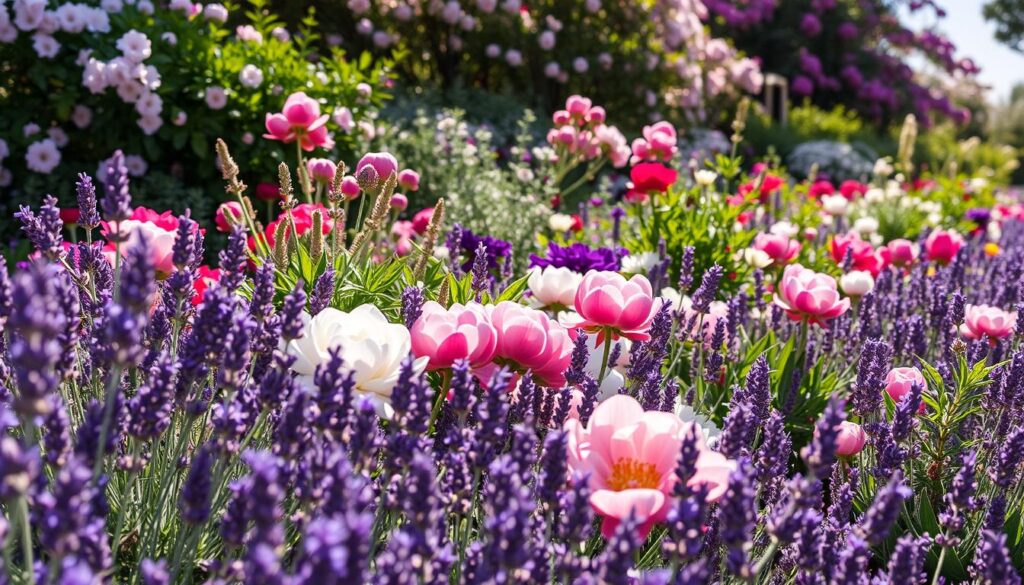
A well-designed pathway can greatly benefit from culinary herbs. These plants add delightful aromas and serve practical uses in your kitchen. Imagine walking past a scented flower bed with fresh basil, mint, and rosemary, ready for your cooking.
Culinary Uses of Aromatic Herbs
Adding culinary herbs to your pathway lets you enjoy their fragrant presence and access them for cooking. Fresh herbs like coriander and parsley add flavour to dishes, unlike dried herbs. Enjoy the scents from your herb garden, making outdoor time more rewarding.
Seasonal Planting for Freshness
For a vibrant aromatic garden, consider seasonal planting. Some herbs do well in cooler months, while others need warm days. By planting at the right times, your garden stays appealing all year. This ensures your pathway is always inviting and lively.
Companion Planting Benefits
Companion planting brings many benefits to your herb pathway. Some herbs can keep pests away from other plants and help them grow. By planting strategically, your garden will flourish, looking beautiful and productive.
Combining Colours and Fragrances
In the world of fragranced landscaping, colours and scents blend to create a unique experience. By mixing garden plants with lovely scents, you make your garden more visually appealing and sensory. For example, lavender’s vibrant purple against gardenias’ pristine white is stunning. It excites both your sight and smell.
Colour Palettes that Complement Aromas
Choosing the right colours is key in planting. Deep reds and rich purples enhance the sweet aromas of nearby plants. Soft yellows and pinks pair well with lighter fragrances. A diverse palette showcases seasonal colours and scents all year.
Seasonal Changes in Fragrance and Appearance
Your garden changes with each season. In early spring, lilacs and snowdrops bring delightful scents. Summer brings the warm, herbaceous smells of rosemary and thyme. Autumn’s chrysanthemums and blooms add their fragrances, keeping your garden lively all year.
Learn more about keeping your garden aromatic by checking out effective garden design strategies.
Maintenance Tips for Your Aroma Garden
Looking after your fragrant herb garden is key to keeping it beautiful and smelling great. Each plant has its own needs for water, pruning, and food. By meeting these needs, your garden will thrive and keep you smelling wonderful.
Watering Needs
Too much water can harm plants like lavender, causing root rot. But plants like gardenias might need more water. It’s vital to know how much water each plant needs to keep your garden healthy.
Pruning for Health and Growth
Pruning regularly helps your fragrant herb garden stay healthy and strong. For example, daphne needs little pruning to keep its shape. Rosemary, on the other hand, does well with regular trimming to grow bushy. Pruning your plants not only keeps them healthy but also makes them smell better.
Fertilisation Best Practices
Using organic fertilisers during the growing season is a good idea. These nutrients help your plants grow well and smell even better. Regular fertilising can really improve how vibrant your garden plants are.
| Plant | Watering Needs | Pruning Frequency | Fertilisation Type |
|---|---|---|---|
| Lavender | Low | Annual | Organic |
| Gardenia | High | Minimal | Organic |
| Rosemary | Moderate | Biannual | Organic |
| Daphne | Low | Slight Annual | Organic |
Designing Functional Pathways in Your Garden
Creating pathways in your garden is key for both looks and ease of use. A scented flower bed is even more beautiful with nice pathways. These paths make your garden a treat for the senses.
Choosing the right materials is important. It affects how easy it is to walk around and enjoy your garden.
Pathway Materials and their Impact
Gravel, stepping stones, or bricks are great for different garden styles. Gravel gives a natural feel that goes well with fragrant plants. Stepping stones can add a creative touch to your garden.
Choosing the right material makes your garden safe and inviting. It ensures you can walk comfortably and enjoy your garden.
Width and Accessibility Considerations
Paths should be wide enough for easy walking and maintenance. A 60cm path is good for one person, while 1.2m paths are better for two. This makes sure everyone can enjoy your garden’s scents.
Safety and Aesthetics
Keeping your garden safe is important for fun. Use non-slip materials and make sure the path is even. Good lighting adds beauty at night and helps avoid accidents.
These steps make your garden a beautiful place for your plants to thrive.
| Material | Advantages | Considerations |
|---|---|---|
| Gravel | Natural look, good drainage | Can be difficult to walk on for some |
| Stepping Stones | Artistic, easy to modify | Requires even ground |
| Bricks | Durable, classic aesthetic | Potentially more expensive |
| Pavers | Variety of designs, good for heavy use | Installation can be labour-intensive |
Dealing with Pests Naturally
Managing pests without harsh chemicals makes your garden healthier. Choosing garden plants with lovely scents helps keep pests away. These plants add fragrance to your garden and help keep it balanced.
Using Aromatic Plants as Deterrents
Some plants naturally keep pests away. Marigolds, for example, have a scent pests don’t like. Mint is also good, as it keeps aphids and mosquitoes at bay.
When planning your garden, add these plants. They create a fragrant barrier against pests.
Companion Planting to Reduce Infestations
Companion planting is key to natural pest control. Placing aromatic herbs near your plants helps keep pests away. Basil near tomatoes, for instance, keeps pests off and makes tomatoes taste better.
This method boosts your garden’s health and keeps your plants thriving.
The Joy of Harvesting and Using Your Aromatic Plants
Harvesting your aromatic herbs can change how you cook and feel. Adding fresh herbs like basil or thyme to your meals makes them taste better. It also gives you a sensory delight from your garden’s scents.
But it’s not just about cooking. You can also make your own essential oils or herbal sachets. This lets you create scents that you love. For example, dried lavender is great for calming sachets or candles.
Sharing your garden’s harvest with others brings people closer. Giving homemade herb oils or hosting a fragrant meal is special. It shows the beauty and joy of aromatic herbs in our lives. Sharing these moments makes our outdoor time even more special.