Ever thought about turning a small outdoor area into a lively oasis? In the UK, small garden design is all about making the most of every inch. Whether you love gardening or just enjoy spending time outside, the right design can turn your garden into a beautiful display. This article will show you clever ways to save space and make your garden both beautiful and useful.
Key Takeaways
- Understand the principles of effective small garden design.
- Explore low-maintenance plant options suited for compact spaces.
- Utilise vertical gardening techniques to maximise space.
- Select multifunctional furniture to increase comfort and efficiency.
- Implement clever lighting solutions for an inviting ambience.
- Incorporate personal touches through unique decor elements.
Understanding Small Garden Design Principles
Effective small garden design needs careful thought on key principles. These ensure your outdoor space is both useful and looks good. When planning your outdoor space, it’s key to understand the challenges of small areas.
These challenges include limited space, lack of privacy, and wanting a unified look. One way to tackle these issues is by making a vision board. This board gathers all your garden ideas and inspirations.
The Importance of Planning
Starting with detailed planning is vital for a successful small garden. By visualising your ideas, you can decide what’s most important. Then, you can use the space in creative ways.
Try to include three to five key features that make your garden stand out. This helps keep your design balanced and engaging without feeling too much.
Creating a Vision Board
A vision board is a great tool for seeing your dream garden come to life. Gather images, materials, and colours that match your vision. This helps you explore different garden ideas and boosts your creativity.
With this visual guide, you can refine your style and goals. It helps you make choices that improve your unique outdoor space.
Choosing the Right Plants for a Compact Space
When you’re working with small gardens, picking the right plants is key. Choose low-maintenance options to keep your garden lively without too much work. Compact shrubs and flowers add colour and structure all year round.
Selecting Low-Maintenance Options
Here are some top picks for small gardens:
- Lavender: Offers beautiful blooms and enticing fragrance.
- Boxwood: A classic choice for borders and hedges.
- Heuchera: Versatile foliage adds a pop of colour without much effort.
- Geranium: Provides seasonal blooms with minimal care needed.
These plants fit right into British garden trends. They help you create a lush look with ease, perfect for urban gardening.
Incorporating Vertical Gardens
Vertical gardens can really make your small space stand out. Trellises and wall planters are great for more plants. Climbing plants like sweet peas and honeysuckle make a beautiful backdrop and save space.
This method brings a vibrant look to your garden while keeping upkeep simple. It shows how modern garden designs adapt to small urban spaces.
Maximising Vertical Space in Your Garden
Vertical gardening techniques can change your small garden into a lush oasis. By using walls, you can add lots of plants without taking up much space. This makes your garden look great and work better.
Using Wall Planters
Wall planters are great for making the most of vertical space. They let you create beautiful living walls on any surface. Choose plants of different heights and colours for a lively look.
Flowers and herbs can grow well in these planters, adding beauty and usefulness. The secret is picking the right plants and making sure they get enough sunlight and water.
Employing Trellises and Arches
Trellises and arches are useful and pretty in a small garden. They’re perfect for climbing plants like jasmine or clematis. This softens hard edges and adds depth to your garden.
These structures can also mark paths, guiding visitors and creating interesting spots. Choose decorations that match your garden’s style for a cohesive look.
Functional Furniture for Small Gardens
Choosing the right furniture is key when designing a small outdoor space. Functional outdoor furniture adds both utility and style to your garden. Pieces that serve more than one purpose are great, and stylish designs make your space welcoming for relaxation or fun.
Choosing Multi-Functional Pieces
Look for furniture that can change with your needs. Folding chairs and tables save space when not in use. Benches with storage are perfect for keeping things tidy, like tools and cushions.
This approach is vital for using every inch of your garden wisely. It ensures your space is both practical and beautiful.
Designing for Comfort and Style
Choose furniture that matches your taste to make your garden more appealing. Focus on comfort with stylish cushions and well-designed seating. Add elegant decor to complete your garden, turning it into a lovely spot for everyone to enjoy.
Creating Illusions of Space
In small garden design, making your outdoor area seem bigger is key. Using visual gardening tricks can make your garden feel larger. These tricks help make your garden both useful and welcoming.
Using Mirrors Strategically
Mirrors are great for making small gardens look bigger. They reflect light and plants, making your garden seem larger. For example, a mirror facing a green plant can make your garden seem deeper. This trick not only makes your garden look better but also makes it more useful.
The Role of Colour in Perception
Colour is important in how we see your garden. Light colours on walls and furniture make your garden feel open and airy. Dark colours, while stylish, can make your garden feel smaller. Choosing the right colours can make your garden feel bigger and more inviting.
Smart Pathways and Ground Cover Options
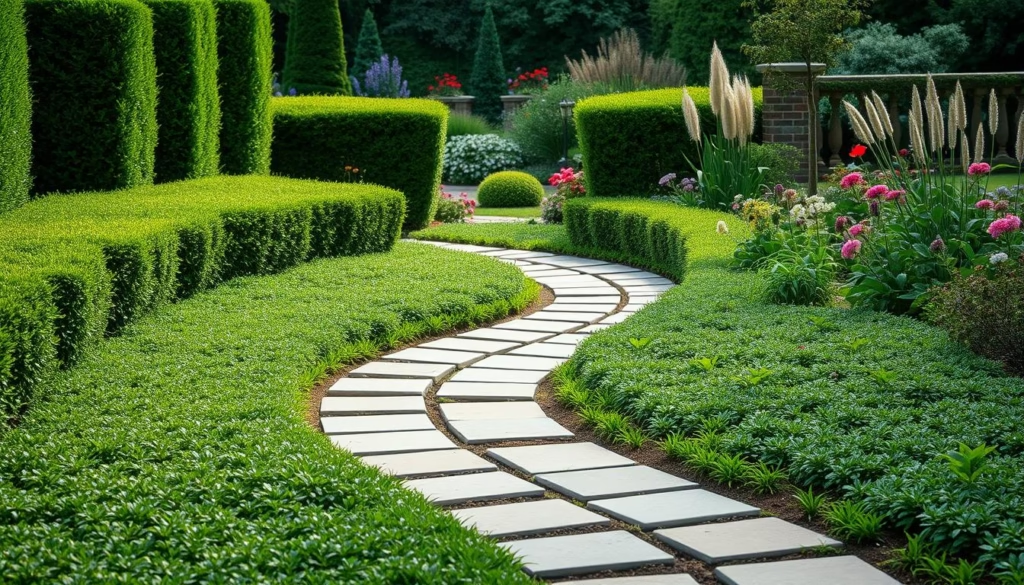
Pathways are key in making small gardens look great. They help guide visitors and add to the garden’s look. Using gravel or stepping stones can make paths look good while keeping the garden’s charm.
Choosing the Right Materials
Choosing the right materials for paths is important. Gravel gives a rustic feel, while porcelain tiles add a modern look. Think about how easy they are to clean and how long they last.
For example, permeable pavers let water drain, avoiding puddles and mud. This makes your garden easier to care for.
Defining Areas with Different Textures
Mixing textures in your garden creates different areas. This helps set up spaces for relaxing, playing, or planting. Using different materials, like smooth stones and rough gravel, makes your garden more interesting.
Patterns like herringbone or diagonal paving catch the eye. They also prevent the ‘bowling alley’ look in narrow gardens. These features make your outdoor space both functional and beautiful.
Incorporating Water Features
Small water features can make your compact garden feel refreshing. They add a calming sound that makes your outdoor space more peaceful. Wall-mounted fountains or bubbling pots are great for small areas. They attract wildlife and create a serene spot.
Benefits of Small Water Features
Small water features bring many benefits to your garden. They create beautiful focal points and help you relax with their soothing sounds. Water makes your garden cooler and more welcoming, perfect for hot days.
These features also help support local wildlife. They attract birds and insects, making your garden a haven for nature.
Tips for Installation in Small Spaces
When adding a small water feature, make sure it fits your garden’s design. Plan where it goes to look good and work well. Here are some helpful tips:
- Choose wall-mounted options to save space and maintain an open feel.
- Opt for solar-powered features to simplify installation and promote sustainability.
- Ensure that power sources are accessible for any necessary maintenance.
- Keep the design simple to prevent overwhelming the compact garden landscaping.
Lighting Ideas for Small Gardens
Effective lighting is key in making your small garden a peaceful spot at night. The right lights can make your garden look better and feel welcoming. They can also make your garden seem bigger and more inviting.
Ambient Lighting Solutions
Think about using fairy lights, lanterns, or wall lights for soft glow. These add beauty without being too much. Choose lights that match your garden’s look to make it feel more welcoming.
Place lights at different heights and angles. This creates a layered look, making your garden feel bigger.
Solar Lighting for Eco-Friendly Options
Solar lights are a green way to light up your garden. They use less energy and need little upkeep. Put solar lights on paths or around garden features to highlight your space.
This green choice helps the planet and keeps your garden lovely in the evening.
Seasonal Considerations for Garden Design
A successful small garden design changes with the seasons. This keeps your outdoor space welcoming all year. Mix evergreens with seasonal flowers for a garden full of colour and life. With the right plants, your garden will be a vibrant retreat all year.
Designing for Year-Round Interest
To keep your garden lively, think about year-round interest ideas. Use plants with striking foliage and seasonal flowers. Here are some tips:
- Choose evergreens for structure and greenery in cold months.
- Use plants with colourful bark or stems.
- Decorative grasses add movement in the wind.
Planning for Seasonal Blooms
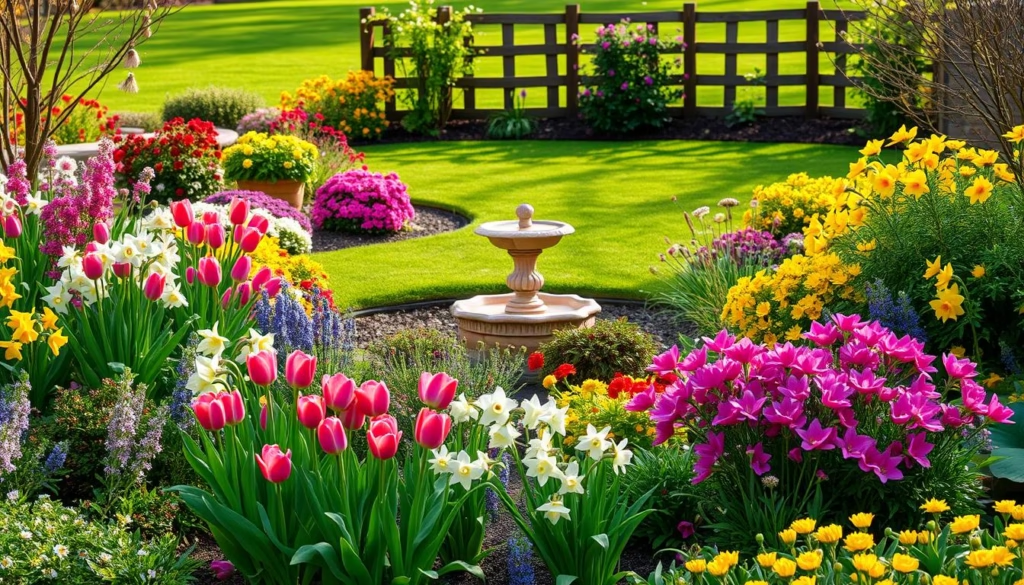
Effective seasonal garden tips lead to a garden full of blooms. Stagger the flowering times of different plants for a dynamic garden. Here are some plants for each season:
| Season | Flowers |
|---|---|
| Spring | Tulips, Daffodils, and Hyacinths |
| Summer | Lavender, Peonies, and Roses |
| Autumn | Chrysanthemums, Asters, and Sedums |
| Winter | Snowdrops, Winter Jasmine, and Hellebores |
Plan your plants carefully for a garden that’s beautiful all year. This makes your small garden a joy to enjoy every season.
Eco-Friendly Practices in Small Gardens
Using eco-friendly gardening methods helps the environment and makes your small garden better. Sustainable practices create a balanced ecosystem. This leads to a thriving outdoor space.
Composting and Recycling
Composting turns kitchen waste into soil full of nutrients. This natural fertiliser makes your garden beds richer. It also cuts down on landfill waste.
You can also use recycled materials for garden structures. Trellises or raised beds made from reclaimed items add character. They also make your garden more sustainable.
Choosing Native Plants
Native plants have many benefits. They are made for the local climate and soil. This means they need less water and fight off pests better.
By choosing native plants, you help local wildlife. Your garden will also grow well with little help. These practices make your garden more eco-friendly and support the local ecosystem.
Adding Personality with Garden Decor
Turn your small garden into a mirror of your style with exciting decor ideas. Decor adds charm and makes your outdoor space welcoming. Art, like sculptures or wall hangings, brings colour and flair, highlighting your garden’s unique character. Adding personal touches makes every part of your garden special.
Using Art to Enhance Aesthetics
Outdoor art for small spaces boosts beauty and sparks conversations. Pick pieces that match your interests, like abstract sculptures or bright murals. A well-planned layout ensures the art complements your plants and flowers, not overwhelms them.
Personalised Garden Signage
Personalised signs give your garden a unique touch. Custom signs with your family name or favourite quotes add a personal flair. Choose weather-resistant materials that fit your garden’s style. Signs not only add character but also help guide visitors through your special outdoor space.
Maintenance Tips for Small Gardens
Maintaining a small garden needs careful planning to keep it looking great. Start by setting up a routine for watering, pruning, and weeding. These steps are key to keeping your plants healthy and your garden beautiful.
It’s also vital to plan your gardening tasks by season. Mulching in spring helps the soil and keeps it moist. Preparing for winter can prevent problems later. Use these upkeep tips for outdoor spaces to keep your garden welcoming all year.
With some planning and effort, your small garden will thrive. Use a seasonal calendar to guide you through tasks like planting spring flowers and protecting perennials in winter. Follow these tips for a stunning garden with less stress.