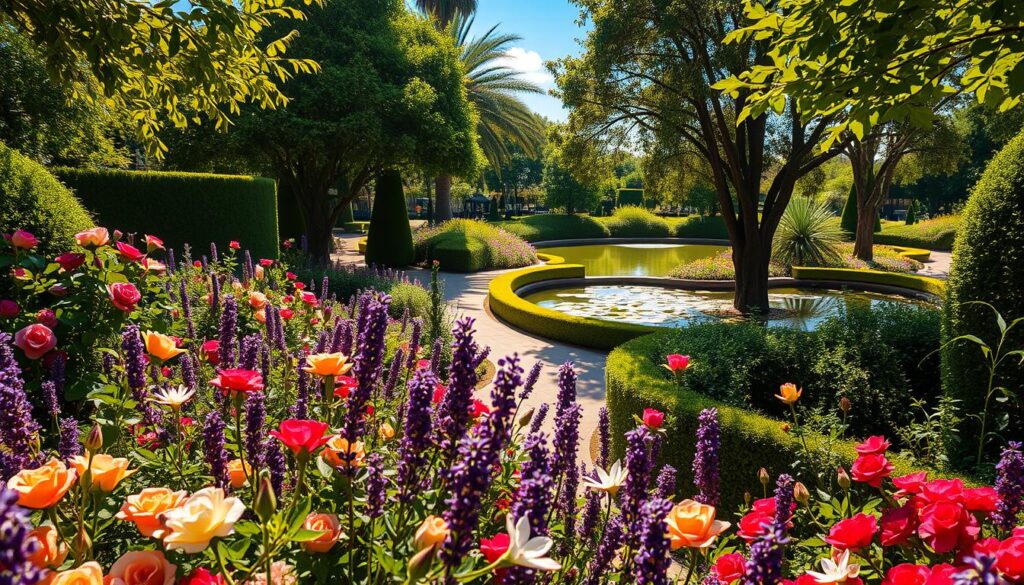
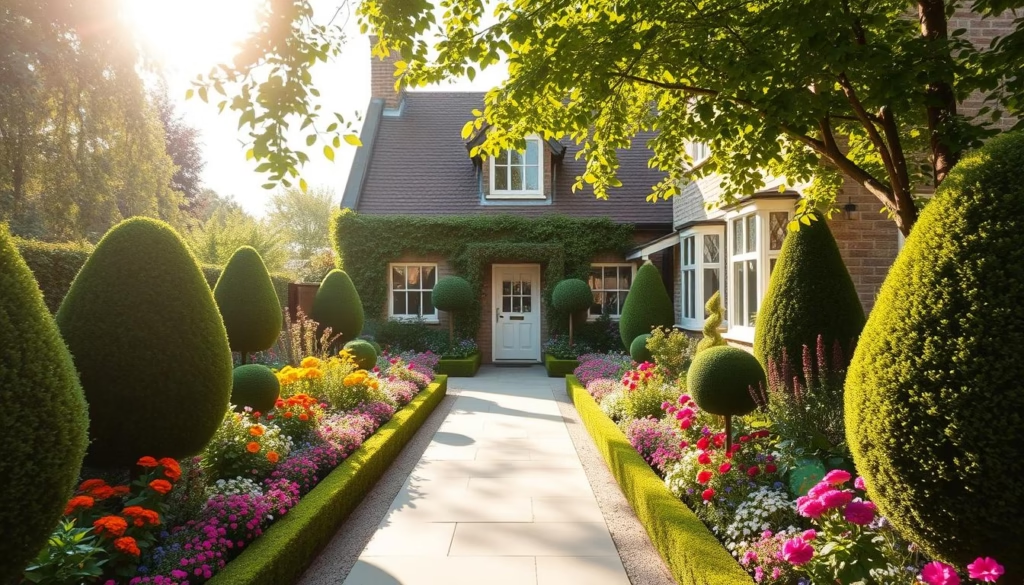
Have you ever thought about how much your front garden adds to your home’s look? In the UK, the design of your front garden is key to making your home welcoming. We’ll share some great ideas to make your outdoor space more appealing. This way, your front garden will become a highlight of your property, whether you live in the city or the countryside.
Key Takeaways
- A well-planned front garden boosts your property’s value.
- Pathways can enhance accessibility and flow.
- Choosing the right plants fosters visual appeal year-round.
- Hard landscaping features provide structure and stability.
- Seasonal maintenance ensures your garden remains inviting.
- Professionals can offer tailored design solutions for your space.
Importance of Front Garden Layout in the UK
Your front garden’s layout is the first thing people see. It’s key for making a good first impression and boosting curb appeal. As garden trends in Britain change, you can find new ways to make your outdoor space charming. This can draw attention and increase your property’s value.
Boosting Your Property Value
Improving your front garden can really help your property’s value. Studies show homes with nice gardens sell for more. Buyers look for exteriors that show a property’s quality. A well-designed garden is important in this.
Enhancing Curb Appeal
Improving your front garden’s layout can make a big difference. Features like inviting paths and colourful plants grab attention. Adding things like decorative pots and seasonal flowers shows your home is welcoming and well looked after.
Creating a Welcoming Atmosphere
A well-planned front garden makes your home feel welcoming. Soft landscaping and hardscape features encourage people to explore. Adding seating or lights can make it even more inviting. This creates a warm, friendly space that makes a lasting impression.
Key Elements of an Attractive Front Garden
Creating a beautiful front garden needs careful thought. Pathways and walkways guide visitors and improve your garden’s look. They make your garden welcoming for everyone.
Pathways and Walkways
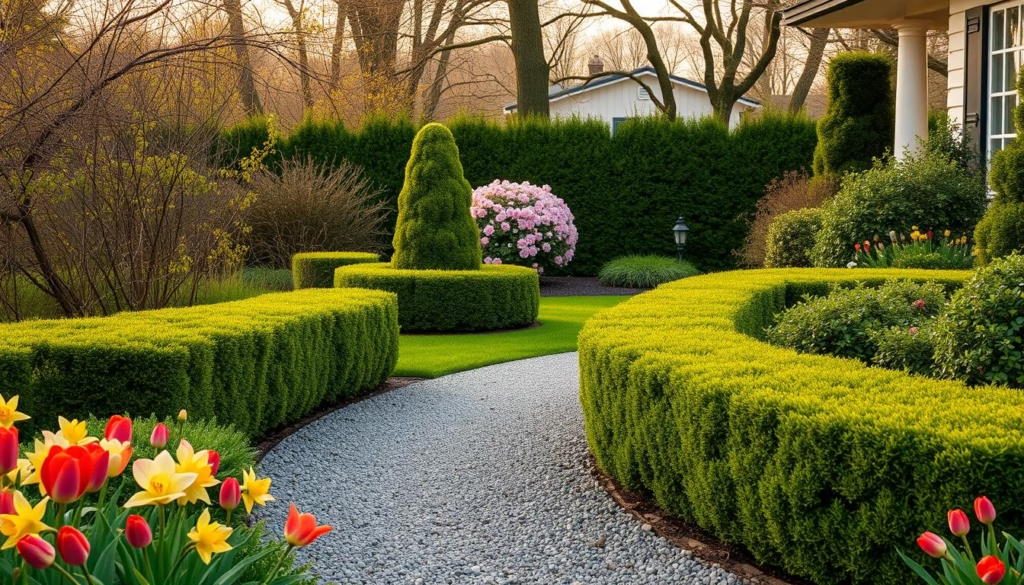
Choose surfaces that let water soak through, like gravel or permeable setts. This helps the environment and stops water from pooling. Make sure paths lead smoothly to your front door, making guests feel at ease.
Stay away from loose materials like fine gravel near the entrance. They can make a mess inside your home.
Focal Points and Features
Add features like ornamental trees or trellis screens to catch the eye. They add beauty and privacy. Low-maintenance plants like bay trees or standard roses can add symmetry without too much work.
Plant Selection
Choose a variety of plants for your front garden to add colour and life. Climbing plants like clematis or roses use vertical space well. Window boxes with easy plants like daffodils or pelargoniums add to the beauty and attract wildlife.
| Element | Purpose | Examples |
|---|---|---|
| Pathways and Walkways | Guide visitors, enhance flow | Gravel, permeable setts, modular grass |
| Focal Points | Add interest and structure | Ornamental trees, trellis screens |
| Plant Selections | Provide colour and attract wildlife | Climbers, window boxes, seasonal plants |
Popular Styles for Front Gardens
Exploring different styles can make your front garden both beautiful and useful. Each style shows off your taste and fits with today’s garden trends. We’ll look at three favourites: contemporary gardens, cottage gardens, and minimalist designs.
Contemporary Gardens
Contemporary gardens love clean lines and precise shapes. They use materials like porcelain paving and Corten steel. Adding architectural plants and grasses can make your garden stand out.
The modern garden look is all the rage. It combines new ideas in planting with a sleek design.
Cottage Gardens
Cottage gardens are the opposite, full of charm and a laid-back vibe. They’re packed with different plants and lots of greenery. Features like wooden trellises add to the welcoming feel.
Adding cottage garden elements can make your garden a beautiful place to relax.
Minimalist Designs
Minimalist gardens are all about simplicity and function. They focus on a few key elements and keep things tidy. This style uses a few plants and lots of empty space to create calm.
It’s perfect for those who want a garden that’s easy to care for but looks great. It fits right in with today’s garden trends.
Hard Landscaping Ideas
Exploring hard landscaping ideas can make your front garden look and feel better. These non-plant elements are key in creating outdoor spaces. They give a clean, organised look and are very practical.
Driveways and Paving
Driveways are more than just a way to get into your home. They set the style for your garden. The right paving materials, like natural stone or decorative concrete, can make your entrance stunning. They also boost your home’s look.
It’s important to have driveways that are safe and easy to use, which is vital for families. You can add custom patterns or colours for a personal touch.
Retaining Walls and Edging
Retaining walls and edging help define your garden’s areas. They keep the soil in place and stop erosion on sloped gardens. Using materials like bricks or recycled timber adds texture and character.
Placing these elements carefully can guide your view through the garden. This gives structure to your hard landscaping ideas.
Decorative Gravel and Pebbles
Decorative gravel and pebbles add style and versatility to your garden. They’re great for paths and help with drainage, reducing puddles and mud. Choosing the right colours can match your paving and pathways, creating a unified look.
Use gravel around plants or as ground cover to improve the look. It also helps keep your garden low-maintenance.
Choosing the Right Plants for Your Front Garden
Choosing the right plants for your front garden is key to making it vibrant and welcoming. Mix seasonal blooms, evergreen plants, and low-maintenance ones for a stunning and easy-to-care-for garden. This blend keeps your garden interesting all year, pleasing both you and your visitors.
Seasonal Blooms
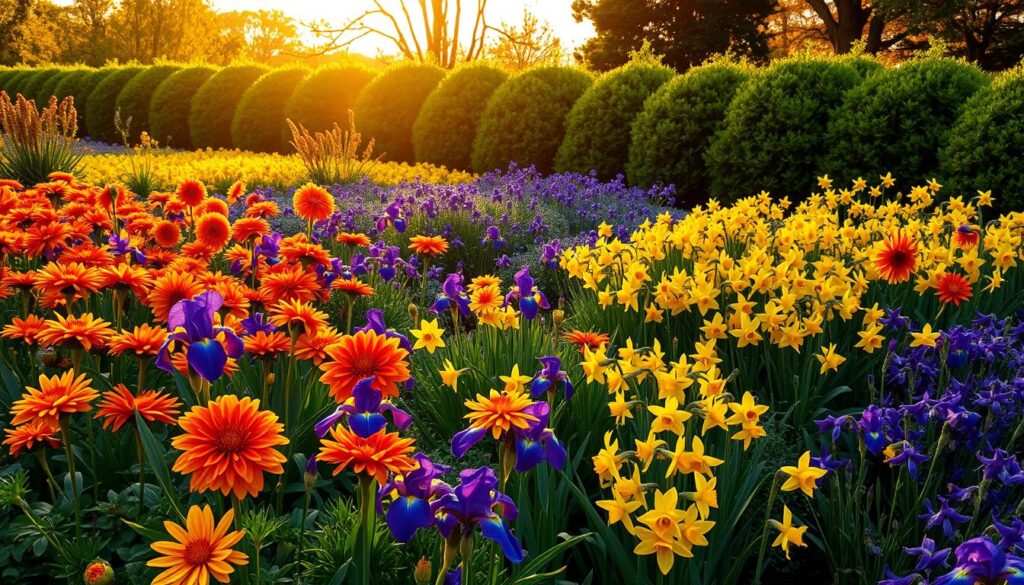
Seasonal blooms are vital in changing your garden with each season. Spring bulbs like tulips and daffodils welcome warmer weather. Summer brings vibrant annuals like petunias and marigolds. These blooms add colour and show off nature’s changing beauty.
Evergreen Options
Evergreen plants keep your garden looking lush all year. They keep their leaves, making your garden green even in winter. Boxwood, holly, and yew are great choices. They add structure and keep your garden looking good all season.
Low-Maintenance Plants
Low-maintenance plants are perfect for those with little time to garden. Lavender, sedum, and ornamental grasses need little water and pruning. They’re great for a garden that looks good without a lot of work.
By picking the right plants, you can create a beautiful and easy-to-care-for front garden. Your choices should match your style and how much time you have for gardening. This way, your front garden becomes a special part of your home.
Designing for Accessibility and Functionality
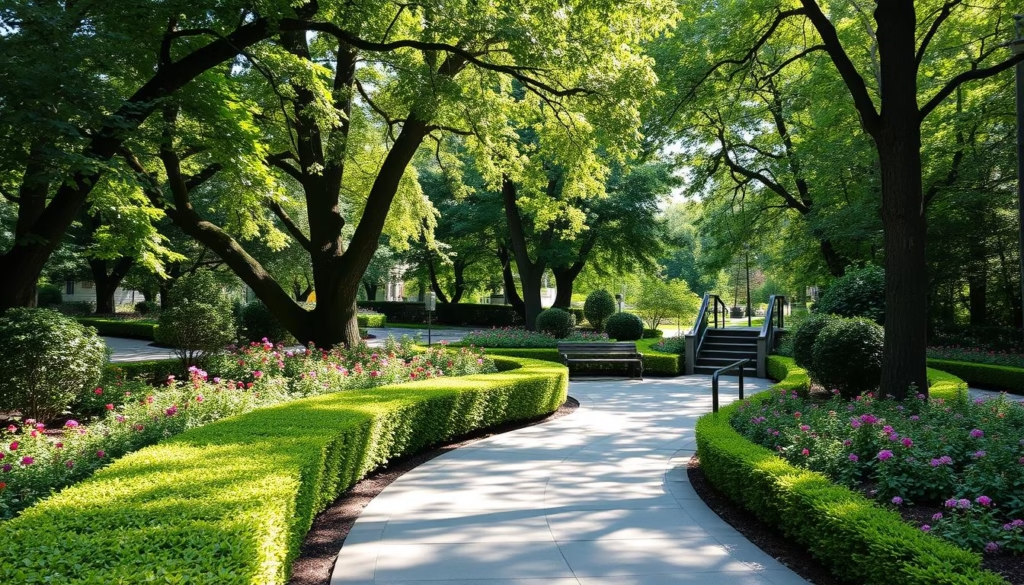
Making a garden accessible means everyone can enjoy it, no matter their mobility. A well-designed garden includes paths, seating, and lights. These features make it comfortable for all visitors.
Inclusive Pathway Designs
Paths should be wide for wheelchairs and pushchairs. The surface should be stable for everyone. Tactile materials help the visually impaired navigate safely.
Keep paths clear of obstacles. This makes the garden look good and keeps it accessible for all.
Seating Areas
Seating areas in your garden are great for relaxing or chatting. Choose benches with armrests for extra support. Seating near key points makes the garden welcoming for everyone.
Garden Lighting
Good lighting is key for safety and looks. Lights on paths and seats prevent accidents at night. Solar lights are a green choice that’s easy to set up.
Environmental Considerations in Garden Design
Designing your front garden with the environment in mind boosts both looks and ecological value. Using sustainable garden practices cuts down on carbon emissions and makes your garden flourish. Choosing native plants helps local wildlife and cuts down on upkeep, making your garden more hardy. Water-saving techniques also help, ensuring your plants grow well without wasting water.
Sustainable Practices
Embracing sustainable gardening means using a whole approach to care for the earth. Practices like composting and organic gardening cut down on chemicals and improve soil health. Adding permeable paving lets rainwater soak into the ground, reducing runoff and keeping soil moist.
Native Plants for Biodiversity
Native plants are key for biodiversity in your garden. They’re made for the local weather and soil, needing less water and fertiliser. They also offer homes for insects and birds, making your garden a richer place. A mix of different species makes your garden lively and diverse.
Water Conservation Techniques
Water-saving methods are essential for green gardening. Rainwater harvesting cuts down on tap water use, and smart irrigation systems give plants the right amount of water. Mulching and planting similar water needs together also help your garden stay strong through weather changes.
| Environmental Strategy | Description | Benefits |
|---|---|---|
| Sustainable Practices | Incorporating composting, organic gardening, and minimising waste. | Enhances soil health and fosters biodiversity. |
| Native Plants | Utilising flora adapted to local conditions. | Reduces water requirements and supports local wildlife. |
| Water Conservation Techniques | Implementing rainwater collection and efficient irrigation methods. | Minimises water use and encourages sustainable garden practices. |
Seasonal Tips for Front Garden Maintenance
Keeping your front garden looking good all year needs regular care. Each season has its own tasks. Knowing when to do these tasks can make your garden look great and healthy all the time. Let’s look at how to get your garden ready for spring, take care of it in summer, and clean it up in autumn.
Spring Preparation
Spring is when your garden comes back to life. Start by getting rid of winter weeds. Plant new flowers and shrubs for colour and texture. Prune any plants that have grown too big to help them bloom well.
Summer Care
In summer, your garden needs regular watering to stay healthy. Watch out for pests that might harm your flowers. Use fertiliser to keep your garden looking green and vibrant.
Autumn Cleanup
When autumn comes, it’s time for a deep clean. Rake up leaves to keep your garden neat and protect your grass. Prune any dead or sick plants to get your garden ready for winter. Use the leaves to make compost, which will help your soil next year. For more tips, check here.
Engaging with Professional Garden Designers
Creating your dream front garden can be a big task. If you’re dealing with complex landscaping or need a lot of design work, hiring a professional can be a lifesaver. They have the skills to make your garden both beautiful and functional.
Before you hire anyone, ask the right questions. Find out about their past projects, design style, and how they’ll listen to your ideas. This helps you see if they’re a good match for your garden and builds a strong working relationship.
Remember to think about your budget for garden design. The cost can change based on the work needed and the designer’s experience. Make a budget and talk clearly with designers about what you can afford. This way, you can get the garden you want without overspending.