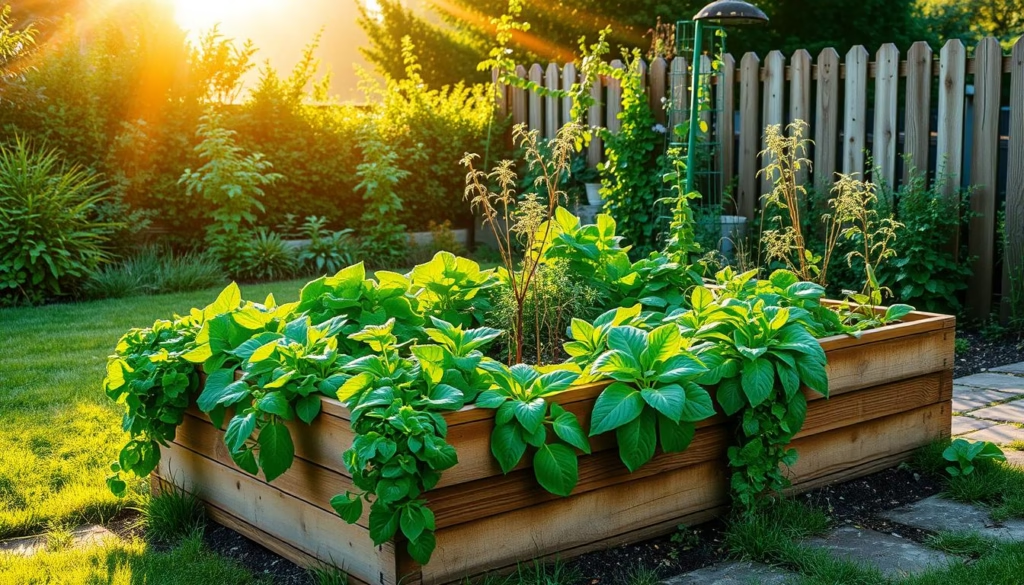
Ever thought about a better way to garden? One that boosts your harvest and makes gardening easier for all? Welcome to raised bed gardening UK. It lets you make the most of your space and use smart gardening tips. This new way of gardening improves soil and grows more food, all while keeping your garden tidy.
In this article, you’ll learn how to start raised bed gardening. You’ll get useful advice and see how rewarding it can be.
Key Takeaways
- Raised bed gardening enhances accessibility and yields.
- Efficient gardening strategies make the most of limited space.
- Improved soil conditions lead to healthier plants.
- Organised plots ensure better crop management.
- This method is perfect for gardeners of all abilities.
- Raised beds can help prolong the growing season.
What is Raised Bed Gardening?
Raised bed gardening is a new way to grow plants in a special space. It involves making beds that are raised off the ground. These beds are easy to get to and look good. Knowing about raised bed gardening can help you see its benefits and why it’s getting more popular.
Definition and Basics
Raised bed gardening means growing plants in beds that are built up with wood, stone, or metal. These beds are usually 30 to 90 cm high. You can make them any size you need. They make your garden look better and are easier to use, which is great for people who have trouble moving around.
Benefits of Raised Bed Gardening
Raised beds have lots of good points. They help the soil, making it better for plants. This is good for areas with bad soil. They also cut down on weeds and pests, and make planting easier. This makes them perfect for beginners.
Popularity in the UK
In the UK, raised bed gardening is becoming more popular. People like them because they are useful and look good. They are also good for the environment because they help plants grow well while saving resources.
Choosing the Right Location for Your Beds
Finding the perfect spot for your raised beds is key to a thriving garden. You need to think about sunlight, drainage, and how easy it is to get water to them. Each of these factors is important for your garden’s success.
Sunlight Considerations
Most plants love lots of sunlight. So, pick spots that get full sun. The best places are south or west-facing in your garden. This way, your plants get the most sunlight, helping them grow strong and healthy.
Drainage and Accessibility
Good drainage is essential to stop waterlogging. Put your beds in sunny spots where rainwater won’t collect. This keeps the roots healthy and helps plants grow better. Also, make sure paths between beds are wide enough for tools and moving around.
Proximity to Water Sources
Think about how easy it is to care for your garden. Place your beds near water sources to make watering simpler. Having a tap or hose nearby is a big help, mainly when it’s hot.
Materials for Raised Beds
Choosing the right materials for raised beds is key for a long-lasting and beautiful garden. There are many options, each with its own benefits and things to consider.
Wood: Types and Treatment
Timber is a favourite for wood options in raised beds. Treated softwood sleepers are cheap and strong, great for withstanding the weather. Untreated wood like pallets or scaffold boards are also available but need lining to last longer. The right treatment makes your wood beds strong for your plants.
Metal and Plastic Alternatives
Metal and plastic offer new ways to build raised beds. Galvanised steel is strong and modern-looking. Plastic beds, made from recycled materials, are light and easy to put together but might not have wood’s charm. Each material for raised beds has its own look and function.
Newer Eco-Friendly Options
New options like recycled plastic sleepers are becoming popular. They’re durable, need little care, and cut down on waste. They’re perfect for gardeners who care about the planet. Using eco-friendly materials makes your garden sustainable and helps the environment.
| Material Type | Pros | Cons |
|---|---|---|
| Treated Softwood | Affordable, durable | Potential chemical leaching |
| Untreated Wood | Natural look, biodegradable | Shorter lifespan without treatment |
| Metal | Long-lasting, modern appearance | Can heat up in the sun |
| Plastic | Lightweight, easy to assemble | Less traditional aesthetic |
| Recycled Plastic | Durable, eco-friendly | Can be more expensive |
Designing Your Raised Garden Bed
Creating a garden that looks good and works well needs careful planning. This is true for raised garden beds. Choosing the right size and shape makes it easier to get to your plants and grow more.
Size and Shape Considerations
Think about how big your garden bed should be. Beds wider than 1.5 metres can be hard to reach. So, it’s better to go for narrower beds. You can pick from rectangular, square, or circular shapes, depending on your space and taste.
Depth Requirements for Different Plants
Every plant needs a certain depth to grow well. Most veggies need at least 30 cm (1 ft) to grow strong roots. For deeper-rooted plants, you’ll need to make the bed deeper. This is key to a successful raised bed garden.
Layout Ideas for Maximising Space
Using smart layouts can make the most of your space. Paths between beds help you move around easily. Adding trellises lets you grow more plants up, making the most of your area.
Soil Preparation and Composition
Starting a garden is all about the soil. A good raised bed soil mix gives plants the nutrients they need. It also helps with water and keeps the soil healthy.
Importance of Quality Soil Mix
Quality soil is key for a successful garden in raised beds. The ideal soil composition has different parts that help plants grow well. It makes sure plants get the nutrients they need and supports good microbes.
Recommended Soil Ingredients
When preparing your soil for raised beds, pick the right ingredients. Here are some essential parts:
- Topsoil: It’s the base of your soil mix.
- Sharp sand: It helps with drainage and air.
- Compost or well-rotted manure: Adds organic matter and nutrients.
These ingredients together make a great environment for your plants to grow well.
How to Build an Ideal Soil Blend
To make the perfect soil composition, mix ingredients in the right amounts. A good mix is:
| Component | Proportion |
|---|---|
| Topsoil | 50% |
| Compost | 30% |
| Other organic matter (e.g., leaf mould) | 20% |
Testing your soil regularly is important. It helps keep your raised bed soil mix perfect all season. For more on soil mixes, check out this article.
Selecting the Right Plants
When you start vegetable gardening in raised beds, picking the right plants is key. Some vegetables grow better in these beds, making the most of your space. This leads to tasty and healthy food.
Vegetables Best Suited for Raised Beds
Tomatoes, cucumbers, and herbs like basil and parsley are top picks. They love the conditions of raised beds, growing well and staying healthy. This setup is perfect for them.
Companion Planting Strategies
Companion planting boosts your garden’s health. It involves planting certain plants together to keep pests away and help each other grow. For instance, marigolds near tomatoes keep away harmful bugs. This method makes your garden better for the environment. For more on companion planting, see this useful guide.
Seasonal Planting Tips
Knowing when to plant is vital for a successful garden. In spring, plant fast-growing crops like salad leaves and radishes for an early harvest. Autumn is for hardier plants like kale and carrots, so you can enjoy fresh food even when it’s cooler. By choosing plants that match the season, you get the most from your garden all year.
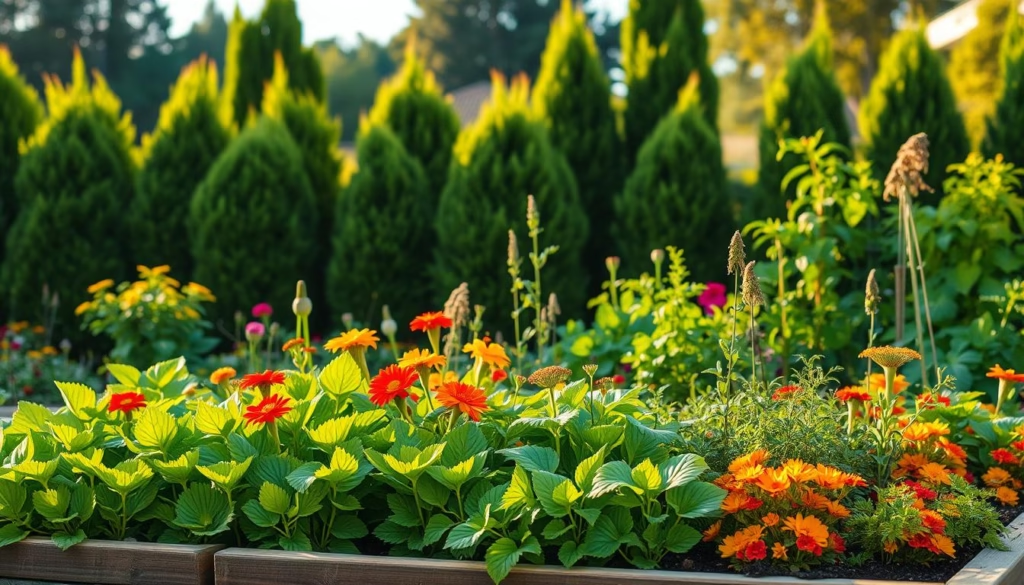
| Season | Suggested Plants | Companion Plants |
|---|---|---|
| Spring | Tomatoes, Radishes, Salad Greens | Basil, Marigolds |
| Autumn | Kale, Carrots, Garlic | Onions, Spinach |
Maintenance of Your Raised Beds
Keeping your raised beds in top shape is key to a bountiful harvest. Good care helps with water retention, fights weeds, and keeps pests away. Let’s dive into the best ways to keep your garden thriving.
Watering Techniques
Watering is vital for your plants, more so in raised beds where water drains fast. Using smart watering methods keeps the soil moist. Here are a few tips:
- Drip irrigation: This method waters the roots directly, saving water and cutting down on evaporation.
- Soaker hoses: These hoses let water soak into the bed evenly, ensuring all plants get the moisture they need.
Weed Control Strategies
Weeds can harm your plants by stealing their food and water. It’s important to keep them under control. Here are some effective ways to do so:
- Mulching: A thick layer of organic mulch stops weeds from growing and keeps the soil moist.
- Landscape fabric: This fabric, placed under the soil or mulch, blocks weeds while letting water and nutrients through.
Pest Management in Raised Beds
It’s important to watch out for pests to protect your crops. Catching infestations early is key. Organic methods are a good choice:
- Companion planting: Some plants can naturally keep pests away when grown together.
- Organic pesticides: These options help control pests without harming good bugs.
Seasonal Care Tips
Looking after your raised beds all year is key for vibrant plants and plenty of harvests. Each season has its own challenges and chances for gardeners. Remembering to care for your raised beds seasonally can really boost your plants’ health.
Preparing for Winter
It’s vital to prepare your garden for winter to protect your crops. Use fleece to cover your raised beds and keep plants warm. Also, plant winter cover crops to make the soil richer and stop erosion.
Spring Planting Remedies
Spring is the time to get your garden going again. Start by adding compost to your soil and refreshing your raised beds. This helps your plants get the nutrients they need as they grow from winter to spring.
Summer Maintenance Practices
Summer needs regular care to keep your plants healthy. Make sure to water them often, as raised beds can dry out fast. Also, fight weeds early to stop them from taking over. These steps will help you get more from your harvest.
| Season | Key Actions | Tips |
|---|---|---|
| Winter | Protect beds with fleece; plant cover crops | Monitor temperatures; use mulch to retain moisture |
| Spring | Apply compost; refresh soil mix | Plan planting layout to maximise space |
| Summer | Water regularly; control weeds | Check for pests and disease frequently |
Cost-Effective Gardening Solutions
Starting a garden doesn’t have to be expensive. You can create a beautiful garden on a budget. By choosing affordable materials, you can make your DIY raised beds. This way, you can enjoy gardening without spending a lot.
Budget-Friendly Materials
Choosing the right materials for your raised beds is key to saving money. Reclaimed wood is a great choice as it’s cheap and eco-friendly. You can also use recycled plastic, which is durable and easy to care for. These options help you build strong raised beds without spending too much.
DIY Raised Bed Options
Making your own raised beds can be fun. It lets you design them to fit your space and plants. Using simple designs and common materials can save you money. Plus, it adds a personal touch to your garden.
Saving on Seeds and Plants
Getting seeds from local exchanges or community gardens can help you save. Buying in bulk is another way to cut costs. This way, you can try different plants without spending too much. It’s also a great way to connect with other gardeners.
Community and Resources for Raised Bed Gardening
Starting your raised bed gardening journey is exciting. Joining gardening communities can make it even better. Local clubs and associations are great for sharing knowledge and skills. They often hold workshops and events to help you learn.
Online forums and social media groups are also key. They let you share tips, get advice, and celebrate your gardening wins. You’ll find lots of useful information for raised bed gardening, no matter your skill level.
Looking for more knowledge? Check out recommended books and websites. They offer expert tips and advice to help you grow. Being part of gardening communities and using these resources makes gardening rewarding and fun.