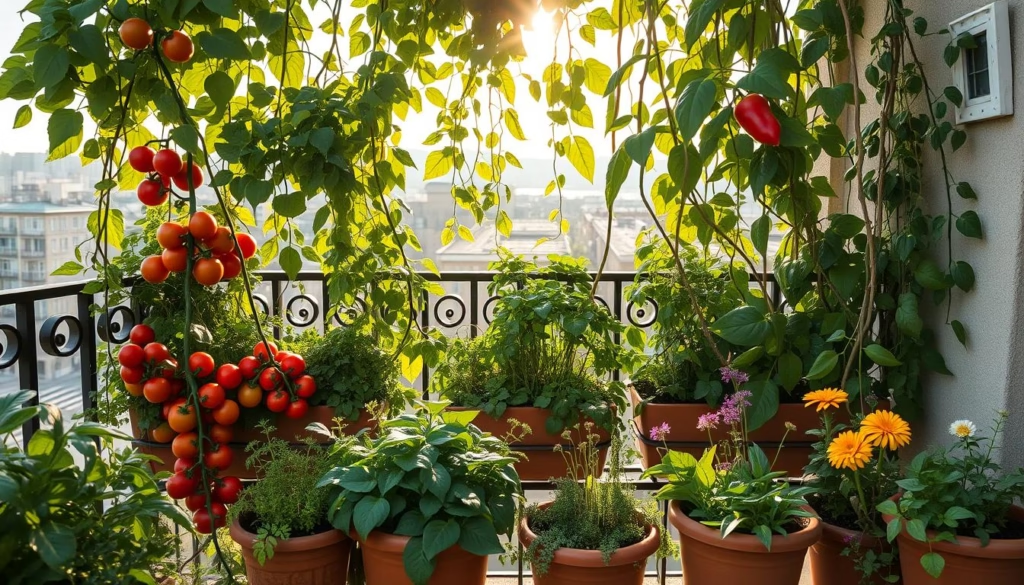
Ever thought of turning your small balcony into a garden? Starting a balcony garden in the UK is a great way to grow your own food, even with little space. Social media has made small space gardening popular, with many sharing their success stories.
This guide will help you make the most of your balcony. You’ll learn about choosing the right containers and picking the best vegetables for small areas. You’ll not only grow food but also create a lovely outdoor space that boosts your mood.
Key Takeaways
- Transform your small balcony into a productive vegetable garden.
- Social media inspires more individuals to embrace urban gardening.
- Selecting the right containers is key for success.
- Certain vegetables grow well in small spaces.
- Maximising space can create a beautiful outdoor area.
- Growing your own food improves your wellbeing.
Why Start a Balcony Vegetable Garden?
Growing vegetables on your balcony can change your life for the better. You’ll feel proud of growing your own food and enjoy fresh produce right at home. It’s not just about the taste; it also brings economic and environmental benefits to your space.
Benefits of Growing Your Own Vegetables
Homegrown veggies often taste better than store-bought ones. You get to enjoy the freshest, most nutritious food. Plus, picking your own tomatoes or lettuce is incredibly rewarding.
Economic Advantages
Starting a balcony garden can save you money. You’ll spend less on groceries. The savings can go towards other things you enjoy. Plus, you’ll waste less food, making the most of what you have.
Environmental Impact
Having a balcony garden is good for the planet. It attracts helpful insects and wildlife, making your area healthier. It also cuts down on carbon emissions by reducing food transport. This encourages others to garden too.
Selecting the Right Containers
Choosing the right containers is key for a successful balcony garden. Look at container gardening ideas and the types of containers for vegetables. Pick ones that fit your space and plant needs. Light materials like plastic or fabric are best for their ease and drainage.
Types of Containers for Vegetables
There are many types of containers, from pots to wooden crates or vertical boxes. Self-watering pots make caring for plants easier. Hanging baskets are great for adding colour and using space well.
Drainage Considerations
Good drainage stops root rot and keeps plants healthy. Make sure your pots have holes or use trays to catch water. This keeps moisture right and protects your balcony.
Space-saving Solutions
Use tiered planters or wall-mounted pots to save space. These let you grow more plants without taking up too much room. Vertical gardening makes your balcony look good and grow more. For tips on using your space, check this resource. Try different setups to find what works for you.
Choosing the Best Vegetables for a Balcony Garden
When setting up your balcony garden, picking the right veggies is key. You need varieties that do well in small spaces. This makes growing plants in pots a smart move.
Ideal Vegetables for Small Spaces
For small spaces, think about salad greens, radishes, and compact tomatoes. These are space-saving and grow fast, ideal for beginners. Herbs like basil and parsley are also great for pots. They add fresh taste to your meals and are right at your door.
Seasons and Planting Times
Knowing when to plant your veggies is vital. Cool-weather crops like lettuce and spinach do well in spring or autumn. Tomatoes and peppers love the summer heat. Check local frost dates to start seeds at the right time for a steady harvest.
Companion Planting Tips
Companion planting boosts your balcony garden’s success. Basil with tomatoes improves their taste and keeps bugs away. Marigolds among your veggies fight off aphids and other pests. A well-thought-out garden layout leads to healthier plants and more food.
Soil and Fertilizer Essentials
A great balcony garden starts with good soil and fertiliser. The right soil mix is key for nutrient uptake and drainage. Choose a high-quality potting mix that holds moisture but also breathes.
Adding perlite or compost can boost soil fertility. This helps plants grow strong and healthy.
Choosing the Right Soil Mix
Think about what your plants need when picking a soil mix. Look for one that:
- Good drainage: Stops waterlogging and root rot.
- Moisture retention: Keeps plants watered, even when it’s hot.
- Fertility: Organic matter adds nutrients.
Organic vs. Synthetic Fertilizers
It’s key to know the difference between organic and synthetic fertilisers. Organic fertilisers make soil healthier and support beneficial microbes. This leads to long-term plant health.
Synthetic fertilisers give quick nutrients. They’re good for immediate needs. Go organic for sustainability, or synthetic for quick fixes.
How to Feed Your Plants
Feeding plants right is vital for growth. Here are some tips:
- Slow-release fertilisers: Feed plants over time, cutting down on frequent feeding.
- Liquid nutrients: Great for quick nutrient uptake during the growing season.
- Frequency: Feed plants often, adjusting as they grow.

Sunlight Requirements for Balcony Gardens
Knowing how much sunlight your balcony garden needs is key for healthy plants. Most plants do best with at least six hours of direct sunlight each day. Start by watching how the sun moves on your balcony. This will show you the best spots for your pots to get enough light.
Understanding Light Requirements
Each vegetable needs different amounts of light. Leafy greens need less than tomatoes or peppers. Learn what each plant needs. This way, you can place them right for the best growth.
How to Maximise Sun Exposure
Put your containers near the balcony edge to get more sun. This spot gets the most direct sunlight. You can also use tall things to shade plants that don’t need as much sun. This makes your garden more interesting and diverse.
Using Reflective Surfaces
Reflective surfaces can make your garden brighter. White walls or light-coloured pots reflect sunlight to other plants. This trick not only brightens the area but also helps plants grow better. Using these tips will make your garden the best it can be.
Watering Techniques for Container Plants
Proper watering is key for container gardening success. Pots dry out faster than garden beds. So, it’s vital to check soil moisture regularly.
Look at the top inch of soil. Water when it feels dry to the touch. This is a simple rule to follow.
Best Practices for Watering
For healthy plants, use effective watering methods. Water deeply to reach the roots. Here are some tips:
- Water in the morning or late afternoon to cut down on evaporation.
- Use a watering can with a spout for better control.
- Apply mulch to keep the soil moist.
Using Self-watering Containers
Think about getting self-watering containers. They keep moisture levels steady and cut down on watering. These pots have a reservoir for plants to draw water as needed.
You can find them at local garden centres or online. Check out self-watering containers for more options.
Signs of Overwatering and Underwatering
Knowing the signs of overwatering and underwatering is important. Look out for:
- Yellowing leaves, which show stress.
- Root rot, which stops plants from getting nutrients.
Underwatering shows as wilted or droopy leaves. Adjust your watering to keep your plants happy.
Pest Control in Small Spaces
Keeping pests away from your balcony garden is easier than you think. Just be alert and proactive. Knowing about pests like aphids, slugs, and whiteflies helps you act fast. Regular checks are key to stopping problems before they start.
Common Pests to Watch For
Aphids harm your plants by sucking their sap, causing them to wilt. Slugs and snails damage leaves, mainly in damp spots. Whiteflies, looking like tiny moths, can spread quickly. Spotting these pests early keeps your garden healthy.
Natural Pest Control Solutions
Using natural methods to fight pests is safe and effective. Ladybirds and hoverfly larvae eat aphids. You can make a slug repellent with garlic and washing up liquid. These methods help your plants and the environment.
When to Use Chemicals Responsibly
Chemicals might be needed for severe pest problems. Choose products safe for edible plants. Always follow the instructions and use chemicals wisely. This balances pest control and safety.
For more tips on pest control, check out natural solutions for your balcony garden
Vertical Gardening Options
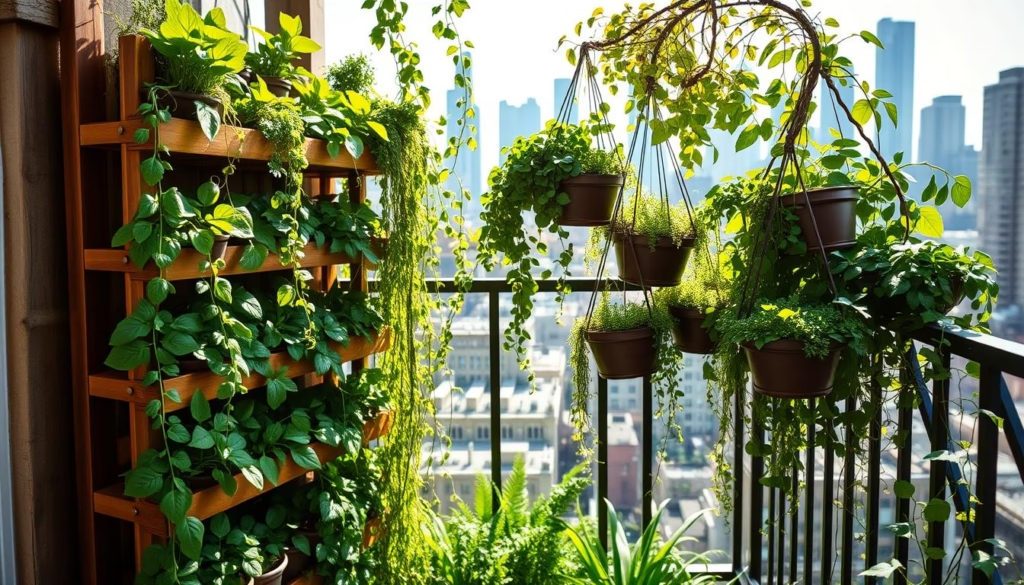
Vertical gardening is a creative way to use space on your balcony. It lets you grow many plants in a small area. This method makes gardening easy for everyone, no matter how much space they have.
The Benefits of Vertical Gardening
Vertical gardening uses height to grow plants, turning walls into green spaces. It maximises light exposure and keeps pests away. Other benefits include:
- Improved air circulation for healthier plants
- Enhanced aesthetics for a stunning garden
- More space for different plants
Ideas for Vertical Planters
There are many exciting options for vertical planters. For example, wall-mounted pockets are great for herbs and flowers. Other ideas include:
- Trellises for climbing plants like peas and cucumbers
- Tiered plant shelves for small pots
- Hanging baskets that cascade down walls
DIY Vertical Gardening Solutions
Creating your own vertical garden can be fun. You can use old pallets or tiered racks to make unique planters. Consider using:
- Recycled wooden crates for a rustic look
- Piping systems for a modern feel
- Netting or wire for vining plants
Vertical gardening boosts your growing space and makes your balcony a lovely spot.
Seasonal Changes and Plant Rotation
Understanding seasonal changes is key for successful balcony gardening. As temperatures change, your planting seasons will too. This means you need to adjust your gardening plan. Crop rotation helps keep plants healthy and soil rich, boosting your harvest.
Adjusting to Seasonal Changes
When seasons change, check your garden and make changes. Spring brings warmth, perfect for fast-growing crops like lettuce and radishes. Summer is for heat-tolerant plants. Autumn is for hardier crops that handle cooler weather.
Crop Rotation Basics
Crop rotation improves soil health in your balcony garden. By changing what you plant each year, soil gets to replenish its nutrients. For example, plant peas first, then tomatoes, to keep soil rich. This method also fights pests and makes the most of your space.
What to Plant in Each Season
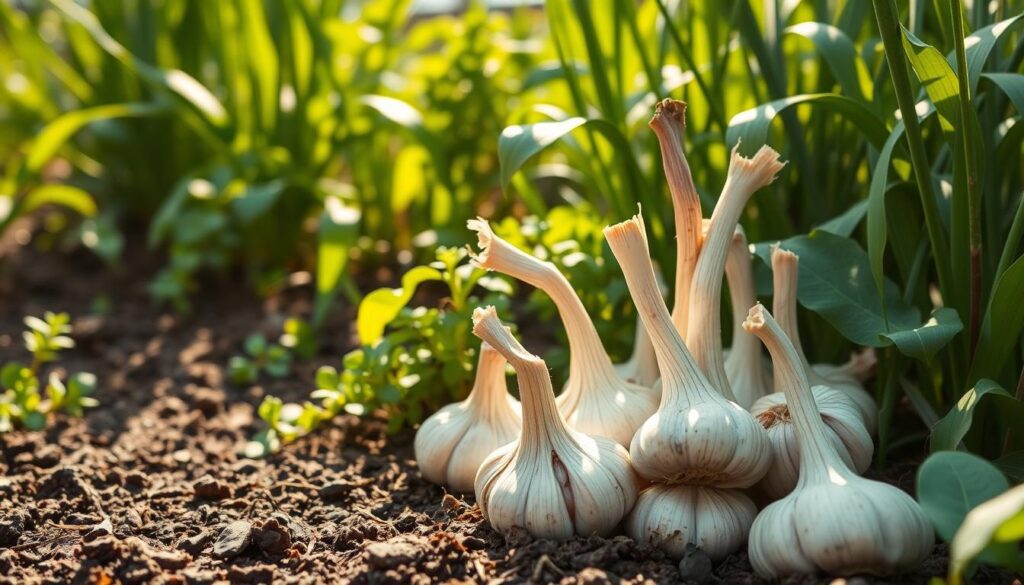
Each season is best for different crops. In spring, plant leafy greens and radishes. Summer is for tomatoes and courgettes. Autumn is for carrots and beetroots. Winter is for kale and garlic, keeping your garden productive all year.
Harvesting Your Balcony Produce
Harvesting vegetables at the right time is key for their best taste and texture. As you grow your balcony garden, knowing when to pick is important. This way, you can enjoy your produce at its peak.
Keep an eye on your crops to find out when they’re ready. This will help you pick the best time for each one.
Tips for Harvesting Vegetables
Use clean, sharp tools to harvest your vegetables. This prevents damage to the plants. For leafy greens, just cut off the outer leaves. This lets the centre keep growing.
Root vegetables need to be carefully dug up. This keeps them in good shape. Harvesting in the early morning or late afternoon is best. This way, your produce will be fresher.
When to Harvest for Optimal Flavor
Timing is everything for the best flavour. Fast-growing crops like lettuce and spinach can be picked as needed. Just check their size and colour.
For fruiting vegetables like tomatoes and peppers, wait until they’re fully coloured. This will make them taste richer. Each vegetable has its own signs of being ready. Look up guides for specific tips.
Storing Your Harvest Properly
Proper storage keeps your produce fresh longer. Use bags or containers that let air in for root vegetables. This helps them breathe.
Leafy greens should be rinsed, dried, and stored in a cool, dark spot. Good storage keeps nutrients in and waste down. This way, you get to enjoy your produce for longer.
Inspirational Balcony Garden Ideas
Exploring balcony garden examples can spark your love for urban gardening. Instagram and Pinterest are full of ideas from urban gardeners. They show how even small spaces can become beautiful gardens.
Make your balcony garden unique by adding your favourite themes. Choose bright wildflowers or fragrant herbs. This makes your space not just beautiful but also a place to relax.
Joining local gardening groups can make gardening more fun. It connects you with others who love gardening. You can share tips and learn new things. For more ideas, visit balcony garden resources.