
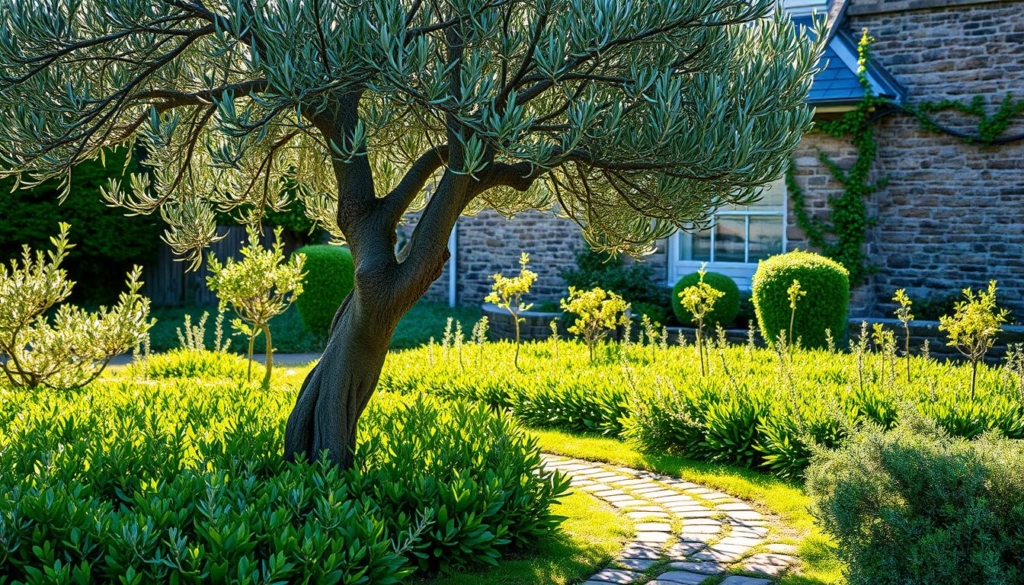
Ever thought of bringing a bit of the Mediterranean to your garden? Olive trees make it possible. These drought-tolerant evergreens are not just beautiful with their silvery leaves and strong trunks. They also thrive in Britain’s changing weather.
With the right care, your garden can become a Mediterranean paradise. You’ll enjoy the beauty of your outdoor space and the taste of fresh olives.
Key Takeaways
- Olive trees can thrive in UK gardens with proper care and attention.
- Their distinctive appearance adds a unique aesthetic to any outdoor space.
- Understanding the climate and soil needs is key for successful cultivation.
- Choosing the right variety of olive tree boosts blooming and fruiting chances.
- Regular maintenance and seasonal care keep your olive tree healthy.
Why Olive Trees are Ideal for UK Gardens
Olive trees are more than just pretty plants. They are also useful in the garden. Their looks and toughness make them great for many places. Knowing their beauty, benefits, and flexibility shows why they’re a must-have in British gardens.
Aesthetic Appeal of Olive Trees
Olive trees have twisted trunks and silver-green leaves. These features give them a classic Mediterranean look. They stay green all year, making them a beautiful centerpiece in any garden.
Benefits of Growing Olive Trees
Growing olive trees is easy. They need little water and care once they’re settled. Plus, they can grow fruit for cooking. These reasons make olive trees a great choice for your garden.
Adaptation to Various Garden Types
Olive trees can grow well in many places, from pots to big gardens. They like well-drained soil and can handle dry spells. This makes them perfect for UK gardens of any size or style.
Understanding the Olive Tree’s Growth Cycle
The olive tree’s growth cycle is truly captivating. It starts with a seed and grows into a stunning tree. This journey has different stages, each needing special care. This ensures young and old trees get the right support.
Germination to Planting Stage
Germination is the first step in the olive tree’s life. Seeds sprout in a few weeks, needing warmth and moisture. After they grow, they need careful care until they’re ready to be planted.
Choosing the right soil is key for their growth. Young plants need time to adjust to the outdoors. Spring is the best time to plant, when the weather is warm.
Tree Maturity and Lifespan
As olive trees grow, they start producing olives. It takes three to five years for them to bear fruit. This shows the patience needed in growing them.
Once they’re established, olive trees can live for hundreds of years. Knowing their lifespan is vital for gardeners who want to care for them long-term.
Seasonal Changes and Care Needs
Seasonal changes affect how we care for olive trees. In spring and summer, they need regular water, more so when they’re young. Mature trees need pruning and fertilisation to grow well and produce fruit.
In winter, protecting trees from frost and cold is key. This keeps them looking vibrant all year. For more on caring for olive trees through the seasons, check out seasonal care needs for olive trees.
Ideal Climate for Olive Trees in the UK
To grow olive trees in your British garden, you need to know their climate needs. They prefer certain temperatures and the right amount of rain. Learning about these will help you grow them successfully.
Temperature Preferences
Olive trees love warm weather, best between 10°C and 27°C. In the UK, protect them from cold below -10°C. Plant them where they get lots of sun but stay frost-free.
Rainfall and Humidity Considerations
These trees do well with low humidity and well-drained soil to prevent root rot. They need moderate watering, mainly when they’re growing. Avoid too much water to keep them healthy. By matching your gardening to their climate needs, you create the best conditions for them to thrive.
Choosing the Right Olive Tree Variety for the UK
When picking olive trees for your garden, it’s key to choose the right ones. The UK’s climate is different, so you need varieties that do well in cooler weather. The ‘Arbequina’ and ‘Hojiblanca’ are favourites in the UK for their toughness and growth.
Popular Varieties and Their Traits
Here’s a table showing top olive tree varieties and what makes them special:
| Variety | Hardiness Zone | Fruit Yield | Growth Habit |
|---|---|---|---|
| Arbequina | 8-10 | High | Compact and bushy |
| Hojiblanca | 8-10 | Moderate to High | Tall and spreading |
Factors to Consider When Selecting
When picking olive trees, think about these key points:
- Climate compatibility: Make sure the variety can handle British winters.
- Fruit yield: Choose varieties that give lots of fruit for a big harvest.
- Growth habits: Think about how much space you have and what you want your garden to look like.
Soil Requirements for Healthy Olive Trees
To grow well, olive trees need the right soil. They do best in well-draining soils that keep their roots healthy. It’s important to check the soil’s pH levels, composition, drainage, and fertilisation for strong growth.
Soil Composition and pH Levels
The best soil for olive trees is a mix of loam, grit, and organic matter. This mix helps with nutrient retention and drainage. They grow best in soils with a pH between 6.5 and 7.5. Testing your soil’s pH can help your trees get the nutrients they need.
Drainage and Aeration Needs
Good drainage is vital for olive trees. Waterlogged soils can cause root rot and diseases. Adding grit or sand helps with aeration and prevents soil compaction. Check your soil’s drainage, often after heavy rain.
Fertilization Guidelines
Fertilising regularly is important for olive tree growth. Use slow-release fertilisers in spring for nutrients all season. Choose balanced fertilisers with nitrogen, phosphorus, and potassium for health. These tips will boost your olive tree’s health and fruit.
| Soil Component | Recommended Ratio | Benefits |
|---|---|---|
| Loam | 50% | Nutrient retention and moisture balance |
| Grit | 30% | Improves drainage and aeration |
| Organic Matter | 20% | Enhances soil fertility and structure |
Planting Your Olive Trees Successfully
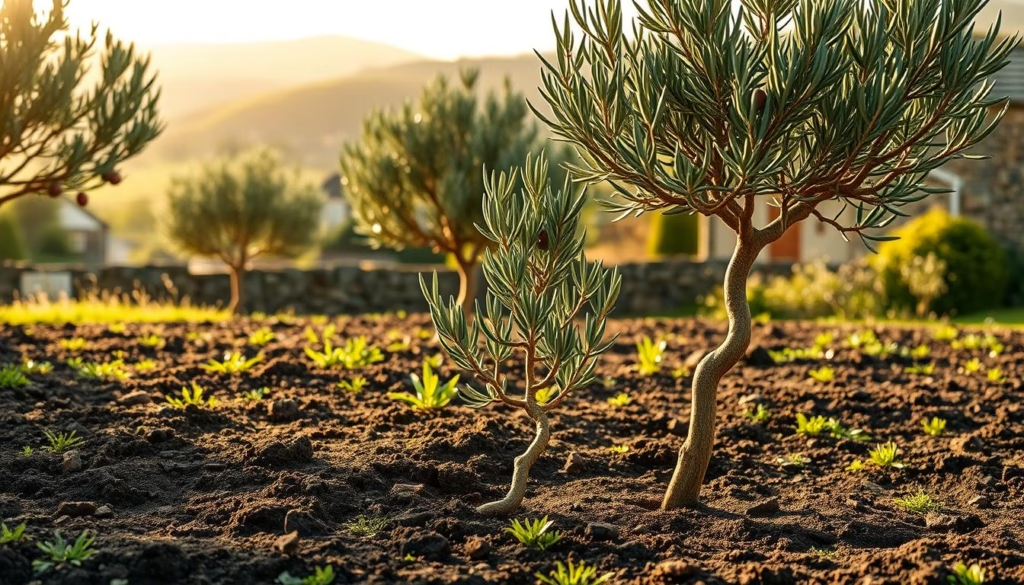
Planting olive trees needs careful planning from the start. A sunny and sheltered spot is best. It protects from strong winds and gets enough sunlight. Preparing the soil well is key for healthy growth.
Site Selection and Preparation
Choosing the right spot is important. Look for a place that:
- Has good drainage to avoid waterlogging.
- Is protected from strong winds, near a wall or natural windbreak.
- Gets full sun for most of the day.
Before planting, add grit or sand to clayey soil. For more tips, check out planting olive trees at RHS.
Proper Planting Techniques
To plant olive trees right, follow these steps:
- Dig a hole twice as wide but no deeper than the root ball.
- Loosen the roots gently before placing the tree in the hole.
- Fill the hole with native soil, avoiding air pockets.
- Water well to settle the soil around the roots.
- Stake the young tree until it’s strong enough.
Watering Tips Post-Planting
After planting, caring for your olive tree is key. Young trees need regular water to grow roots. Mature trees prefer deep, less frequent watering. This helps their roots grow deep, reaching soil moisture better.
Watch the weather. In dry times, water your tree more to keep it healthy.
Routine Olive Tree Care and Maintenance
Caring for your olive tree is important. You need to know how to prune, control pests, and fertilise. These steps keep your tree healthy and fruitful all year round.
Pruning Techniques and Timing
Pruning is key for your olive tree’s health. Prune in late winter or early spring, just before new growth. This shapes the tree and promotes strong growth.
Remove dead or crowded branches. This improves air and light. Using the open-centred method can also boost fruit yield.
Pest and Disease Management
Controlling pests is vital for olive tree care. Pests like scale insects and spider mites can harm your tree. Regularly check for signs of pests.
Use organic insecticides to fight pests safely. Knowing about diseases helps prevent problems. Quick action keeps your tree healthy and long-lived.
Fertilizing for Optimal Growth
Fertilising your olive tree is essential for growth and fruit. Use a balanced fertiliser for healthy roots and leaves. Apply fertiliser in early spring for the best growth.
Keep an eye on soil health. This ensures your tree gets the nutrients it needs. A well-cared-for olive tree is a beautiful garden feature. For more tips, see this resource.
Seasonal Olive Tree Care Tips
To keep your olive trees healthy all year, it’s key to follow seasonal care tips. Each season has its own needs to ensure your trees grow well. Here are some important tips for winter, summer, and spring.
Winter Protection Strategies
In the cold months, protecting young olive trees from frost is essential. Here are some ways to keep them safe:
- Use covers or blankets to protect plants from the cold.
- Bring potted trees inside when it gets very cold.
- Put mulch around the trees to keep the soil warm and moist.
Summer Heat Management
Summer can be tough on olive trees, so it’s important to manage the heat well. Here’s how to keep your trees healthy and growing:
- Water them deeply to reach the roots.
- Place trees where they get lots of sun but not too much.
- Use shade cloths if it gets too hot to protect them.
Spring Growth Preparations
As spring comes, it’s time to get your olive trees ready for growth. Here’s what you need to do:
- Check for pests and treat them quickly.
- Change the fertiliser to match the tree’s growth stage.
- Prune any dead or damaged branches to help new growth.
Harvesting and Utilizing Olive Tree Produce
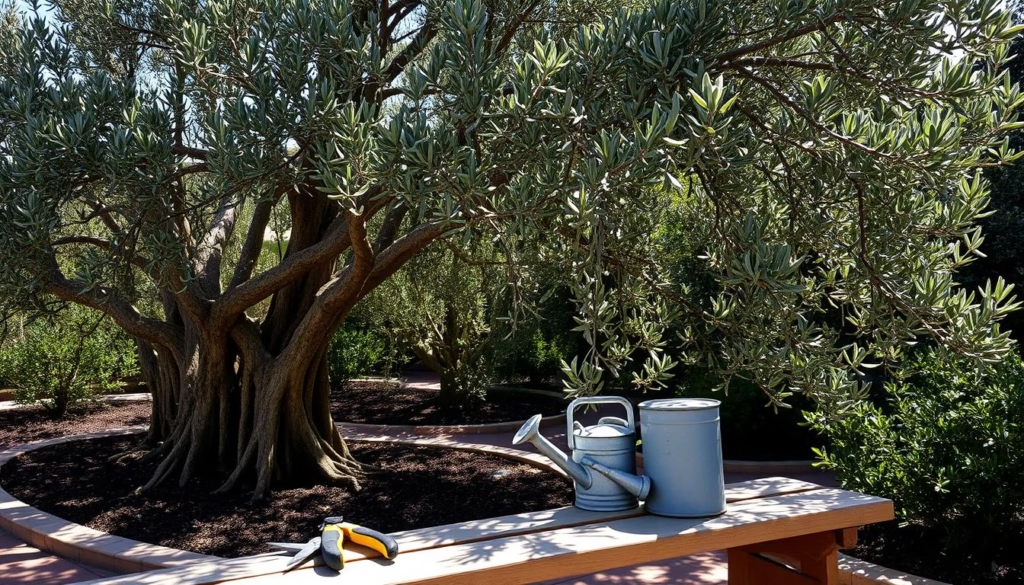
Harvesting your olive tree is a thrilling moment, usually in autumn. You’ll see the fruits change from green to deep black, showing they’re ready. To harvest, use nets on the ground and poles or rakes to pick the olives, so you don’t lose any.
Understanding the Harvesting Process
After picking your olives, it’s important to process them fast. They should be pressed for oil or preserved within three days to keep them from becoming bitter. Curing or brining can make them taste even better, perfect for many dishes. This knowledge lets you enjoy the journey of growing these trees.
Culinary Uses of Homegrown Olives
Your homegrown olives can make your meals special, turning simple dishes into gourmet treats. You can make tapenade, homemade olive oil, or just enjoy them as a snack. Using these olives in your cooking not only makes your food better but also lets you enjoy what you’ve grown. For more tips on growing olives, see this guide on getting the best from your olive.