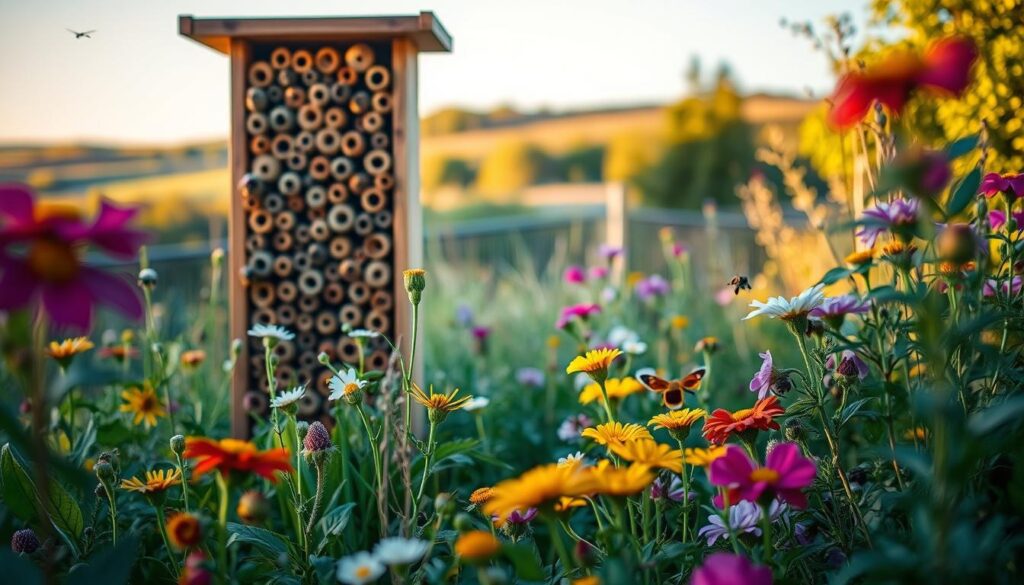
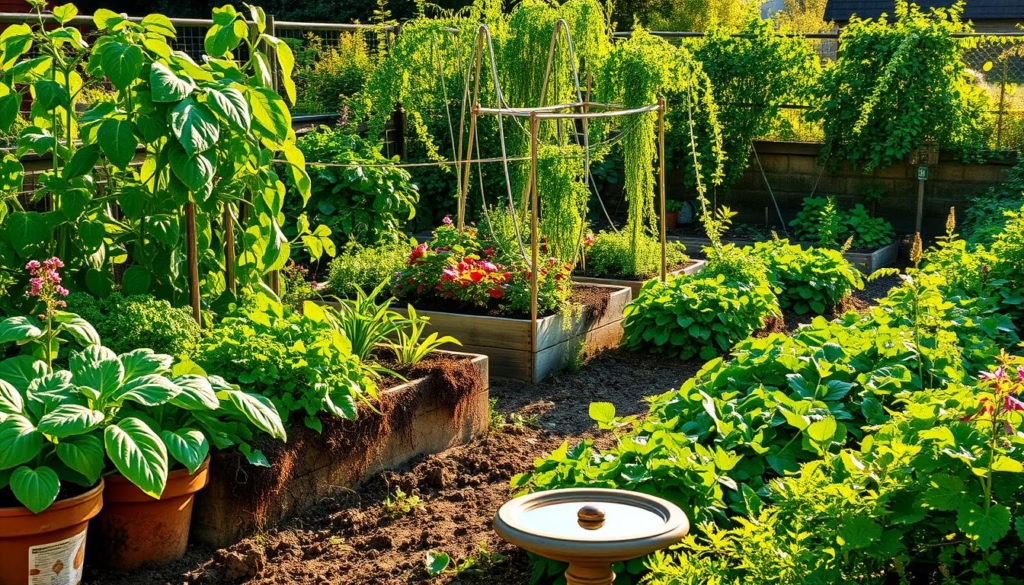
Have you ever thought about how your gardening might impact the world around you?
Organic gardening in the UK is all about caring for the soil and growing plants naturally. It means avoiding harmful chemicals and focusing on sustainable methods. This approach not only helps the environment but also gives you fresh, healthy food from your garden.
Key Takeaways
- Understanding organic gardening fosters healthier soil and robust plants.
- Implementing eco-friendly gardening methods supports biodiversity.
- Opting for sustainable gardening practices ensures quality produce.
- Engaging in organic gardening promotes environmental well-being.
- Organic practices can lead to improved nutritional value in food.
What is Organic Gardening?
Organic gardening is all about making your garden healthy and productive. It uses natural ways to help plants grow. By following organic gardening, you learn to care for the soil, not just use chemicals.
An organic garden is all about balance with nature. It uses methods that keep the garden healthy and strong.
Definition of Organic Gardening
Organic gardening is a way to grow plants naturally. It doesn’t use harmful chemicals or genetically modified plants. Instead, it focuses on making the soil rich and keeping pests away naturally.
This approach helps plants grow well and makes the garden full of life.
Key Principles of Organic Gardening
Organic gardening has a few main rules to follow. These help you grow a sustainable garden:
- Maintaining soil health through composting and natural amendments
- Promoting biodiversity by utilising companion planting and mixed cropping
- Avoiding synthetic inputs and focusing on natural pest deterrents
- Encouraging beneficial insects to maintain ecological balance
By following these rules, you make a garden that’s good for plants and the environment.
Benefits of Organic Gardening in the UK
Organic gardening in the UK offers more than just a pretty garden. It boosts the quality of your garden and improves your health. Here are three main benefits that make organic gardening so appealing.
Healthier Produce
One big plus of organic gardening is the healthier food it grows. Organic fruits and veggies are free from harmful chemicals. This makes them safer and more nutritious.
Choosing organic means every bite is full of flavour and nutrients. It’s a step towards a healthier lifestyle.
Environmental Impact
Organic gardening is great for the environment. It helps increase biodiversity and cuts down pollution. Traditional farming uses chemicals that harm soil and water.
Organic gardening, on the other hand, uses natural ways to control pests. It also keeps the soil healthy. This creates a more balanced ecosystem.
Cost Savings Over Time
Organic gardening can also save you money. You might spend a bit more on organic seeds at first. But, these costs go down as you adopt sustainable gardening.
Composting waste from your kitchen and garden is a big money-saver. It makes the soil better and cuts down on the need for expensive fertilizers. This leads to a healthier garden and lower costs over time.
| Benefit | Description |
|---|---|
| Healthier Produce | Produces fruits and vegetables without harmful pesticides, ensuring safety and nutritional value. |
| Environmental Impact | Enhances biodiversity and reduces pollution through natural methods and soil health practices. |
| Cost Savings | Reduces long-term costs with sustainable methods and composting, lowering the need for chemical inputs. |
Getting Started with Organic Gardening
Starting your organic garden journey requires a few important steps. First, choose the right garden location. Then, gather the essential tools you need. Lastly, understand your soil type to grow healthy plants.
Choosing the Right Location
Finding the perfect spot for your garden is key. It should get lots of sunlight and have good drainage. Make sure there are no shadows or blockages that could harm your plants. A good location is the first step to a successful garden.
Essential Tools for Beginners
When you start gardening, having the right tools makes it easier and more fun. You’ll need:
- Hand trowel for digging and planting
- Gardening gloves to protect your hands
- Watering can for controlled irrigation
- Pruning shears for managing plant growth
- A rake for soil preparation
Understanding Your Soil
Knowing your soil type is vital for healthy plants. Do a simple soil test to check its texture and structure. This info helps you improve soil health. Adding compost or manure boosts fertility and supports good microbes.
Selecting Organic Seeds and Plants
Starting your organic garden is exciting. It begins with picking the best organic seeds and plants. It’s important to find trusted sources for organic seeds in the UK. Look for online shops and local garden centres that sell certified organic seeds.
Where to Find Organic Seeds
Many places offer organic seeds. Local stores have a good selection, and online shops offer even more. Here are some top places to find organic seeds:
- Local garden centres
- Online retailers like Seed Parade and Thompson & Morgan
- Community seed swaps
Popular Organic Plants for UK Gardens
Choosing the right plants for your UK garden is key. Look for varieties that do well in your climate and soil. Here are some top picks:
- Tomatoes for their versatility and flavour
- Carrots which provide a sweet crunch
- Peas, an easy-to-grow favourite
These plants will make your garden flourish and give you fresh, delicious produce.
Heirloom vs Hybrid Seeds
Knowing the difference between heirloom and hybrid seeds is important. Heirloom seeds come from plants that have been passed down through generations. They often have better flavour and more variety than hybrid seeds. Hybrid seeds, on the other hand, may have more disease resistance and grow better, but they might not taste as good.
Soil Health in Organic Gardening
Soil health is key to a successful organic garden. It starts with improving soil quality, which helps plants grow strong. Composting is very important as it makes soil richer and boosts life in the soil.
Adding kitchen scraps and garden waste to your compost pile helps a lot. This improves soil health.
The Importance of Composting
Composting gives plants the nutrients they need and supports good bugs. It makes soil fertile and keeps moisture in. You can find out more about why composting is important and how to do it better.
Compost also makes plants stronger and helps them grow. It’s a must for organic gardeners.
Natural Soil Amendments
Using natural soil amendments like well-rotted manure and bone meal is also key. They help with drainage, air, and soil structure. This makes soil healthier.
Green manures in the off-season also improve soil and fight weeds. This fits well with organic gardening.
Understanding Soil pH
Knowing your soil’s pH is important for plant growth. Soil tests help find pH problems. This lets you fix them.
Keeping the right pH for your plants helps them absorb nutrients better. Adding lime or sulphur can adjust pH levels. This keeps your garden healthy for a long time.
| Soil Amendment | Benefits |
|---|---|
| Compost | Enriches soil, boosts microbial activity, retains moisture |
| Well-rotted manure | Improves structure, provides nutrients, enhances fertility |
| Wood ash | Raises pH, adds potassium, improves drainage |
| Green manures | Enhances soil structure, reduces weeds, adds organic matter |
Effective Pest Management Strategies
Organic gardening focuses on managing pests naturally. This approach protects your plants and is good for the environment. Here are some key strategies to keep your garden healthy, including companion planting, natural pest control, and attracting beneficial insects.
Companion Planting
Companion planting pairs plants to help each other grow and keep pests away. For example, tomatoes and basil, or carrots and onions, can keep pests off. This method boosts plant health and makes your garden more efficient.
Natural Pest Deterrents
Using natural pest control methods keeps your garden safe without harming the environment. Neem oil and garlic spray are effective and safe. Adding plants like marigolds also keeps pests away, helping your garden grow well.
Encouraging Beneficial Insects
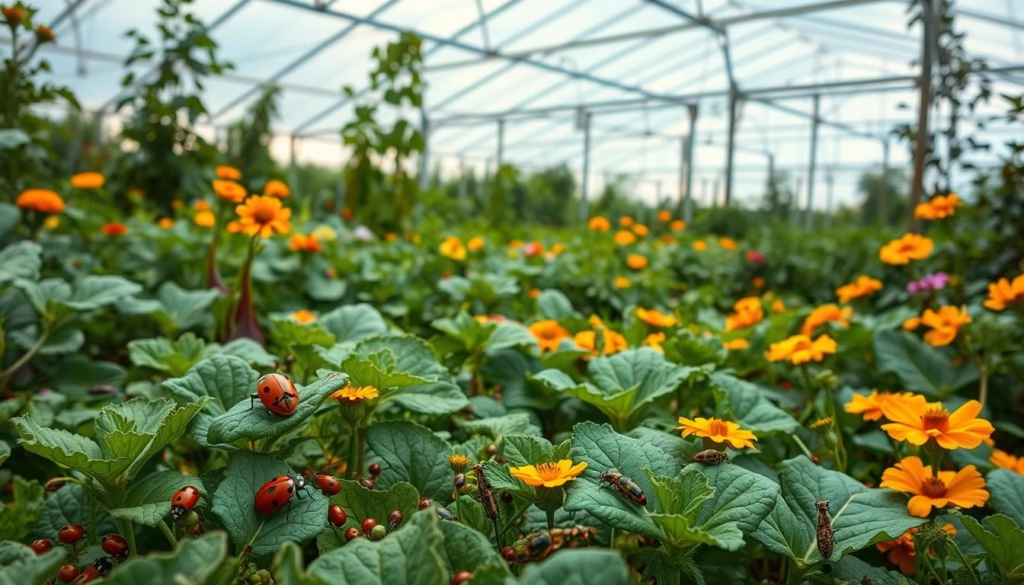
Attracting beneficial insects is a natural way to manage pests. Ladybugs and lacewings eat pests like aphids. By adding flowers and creating a welcoming space, you help these insects thrive.
| Pest Management Method | Description | Benefits |
|---|---|---|
| Companion Planting | Pairing plants for mutual benefits and pest deterrence. | Improves growth and maximises gardening space. |
| Natural Pest Deterrents | Using environmentally friendly sprays and plants. | Maintains health without harmful chemicals. |
| Encouraging Beneficial Insects | Attracting insects that prey on problematic pests. | Creates a balanced ecosystem for garden health. |
Watering Practices for Organic Gardens
Watering your organic garden right is key to its health. Using the right methods helps plants grow strong roots and saves water. Deep watering, for example, stops water from evaporating and makes sure plants get enough moisture.
Techniques for Efficient Watering
Here are some tips for watering your garden:
- Water plants well but not too often to encourage deep roots.
- Don’t get the leaves wet to avoid fungal diseases and save water.
- Water in the morning or evening to cut down on evaporation.
- For plants in pots, add 10% of the pot’s volume of water each time (like 1 litre for a 10-litre pot).
- In soggy spots, improve drainage or pick plants that like wetter conditions.
Rainwater Harvesting
Collecting rainwater is a green way to use water in your garden. Rain barrels or tanks can cut down on tap water use. This is good for your plants and saves water. Learn more about it online.
Irrigation Systems for Organic Gardens
There are many ways to make watering your garden better. Drip irrigation systems send water straight to the roots, cutting down on evaporation. This keeps your plants healthy and strong.
| Soil Type | Watering Frequency | Watering Amount |
|---|---|---|
| Light sandy or chalk soils | More frequent | Less water |
| Heavy clay soils | Less frequent | Heavier watering |
Using these tips will make your garden a lush, green space. Try these watering methods to help your organic garden grow its best.
Seasonal Gardening Tips
Knowing the seasons is key for a thriving organic garden. Each season offers its own set of opportunities and challenges. By following a structured plan, you can make the most of spring planting, summer care, and autumn harvesting.
Spring Planting Guide
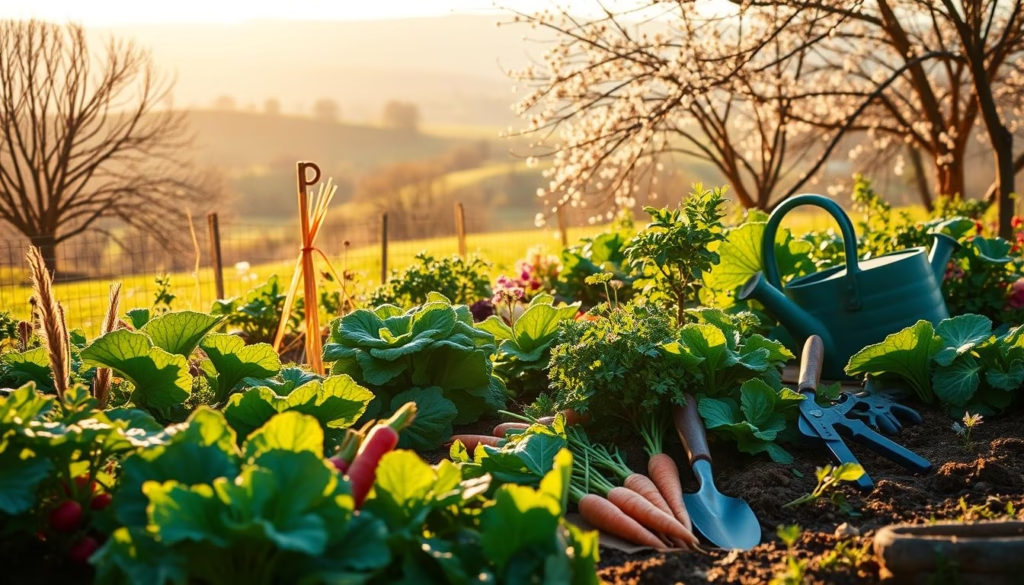
Spring is the best time to refresh your garden. Start by enriching the soil with compost. Choose a variety of seeds that fit your local weather. Early crops like lettuce, peas, and radishes are great for this time.
By following these seasonal gardening tips, your garden will grow strong as the weather warms up.
Summer Maintenance Strategies
When your garden is in full bloom, keeping it maintained is vital. Regular weeding stops plants from fighting for space and nutrients. Make sure to water plants regularly, and watch out for pests. Organic pest control is a good option to protect your garden.
These steps will help your garden stay healthy and productive during the summer.
Preparing for Autumn Harvest
As summer fades, focus on harvesting your crops. But also, get your garden ready for the cooler months. Planting cover crops can help the soil and keep it warm. Mulching keeps the soil moist and weeds away, preparing your garden for spring.
| Season | Action Items | Key Plants |
|---|---|---|
| Spring |
|
|
| Summer |
|
|
| Autumn |
|
|
Common Mistakes to Avoid
A successful organic garden needs careful attention. Knowing common mistakes can improve your garden. It’s important to avoid over-fertilising, understand crop rotation, and spot plant diseases.
Over-fertilising Your Garden
Too much fertiliser can harm your soil. Organic fertilisers should be used carefully. Always follow the recommended amounts to keep your plants healthy.
Neglecting Crop Rotation
Many gardeners forget the importance of crop rotation. It keeps the soil healthy and fights pests and diseases. Rotating crops helps your plants grow better and increases yields.
Ignoring Plant Diseases
Spotting plant diseases early is key to stopping them. Check your plants often for signs of trouble. Quick action can save your garden and keep it healthy.
Resources for Organic Gardeners in the UK
Starting your organic gardening journey can be made easier with the right help. There are many resources in the UK to help you grow your garden well. Here are some tips to make your gardening better.
Recommended Books and Publications
Looking into gardening books can teach you a lot about organic gardening. Books like “The Organic Gardener’s Handbook” and “No-Dig Organic Home & Garden” are great for UK gardeners. Local gardening groups also publish guides that are very helpful.
Online Forums and Communities
Being part of online gardening groups is very useful. Sites like Reddit and Facebook have groups where you can ask questions or share your gardening wins. It’s a great way to learn and feel more confident in your gardening skills.
Local Organic Gardening Groups
Joining local gardening groups is a great way to learn by doing. They often have workshops, plant swaps, and social events. It’s a chance to meet others who love gardening and share tips and advice.
The Future of Organic Gardening in the UK
The future of organic gardening in the UK is looking bright. More people and communities are seeing the value of sustainable practices. There’s a growing interest in organic produce as we become more aware of protecting our environment.
New gardening tools and systems are making organic gardening easier. Things like automated irrigation and better soil monitoring are helping. These advancements make it simpler to follow the latest gardening trends in the UK.
Trends and Innovations
New technologies are making gardening more efficient and productive. Smart gardening tools are changing how we care for our plants. They help with water use and nutrient management.
This makes gardening easier and supports sustainable gardening for the future. It’s a step towards a healthier planet for generations to come.
Sustainable Practices for Future Generations
Adopting these new methods has long-term benefits for organic gardening. It’s key to keep our environment safe for future generations. Your efforts today will help create a healthier planet for tomorrow.
By choosing organic gardening, you’re not just growing a garden. You’re also helping to ensure a sustainable future. This future values eco-friendliness, biodiversity, and food security.