Ever thought about having a lush garden without using lots of water? Water-wise gardening is the answer. It focuses on using water wisely, perfect for our changing climate. With only 1% of Earth’s water fresh and accessible, your efforts help both your plants and the planet.
By picking plants that don’t need much water and using smart watering methods, you can have a lively garden. This is even more true during dry times. For more tips on saving water in your garden, visit this link: water-saving methods.
Key Takeaways
- Water-wise gardening can significantly reduce your need for watering.
- Choosing the right plants is key for saving water.
- Smart watering methods cut down on water waste.
- Mulch keeps soil moist, so you water less often.
- Collecting rainwater is a great way to use natural resources.
- Healthy soil is essential for keeping water in the ground.
- Getting your community involved boosts water-wise gardening efforts.
Understanding the Importance of Water-Wise Gardening
Water-wise gardening is key when climate change hits your garden. Rising temperatures and changing weather patterns change how we garden. Hotter summers and unpredictable rain make us think about water and plant choices.
Adapting to these changes can lead to sustainable gardening. It’s a step towards a greener future.
The impact of climate change on gardening
Climate change causes uneven water distribution. This leads to droughts and heavy rain. Traditional gardening methods may not work anymore.
Choosing drought-resistant plants is essential. This ensures your garden thrives even in dry times. Water conservation is now more important than ever.
Benefits of conserving water in your garden
Water conservation helps the environment and strengthens community resilience. It also saves money on water bills. Techniques like composting improve soil health and water retention.
A well-designed garden can handle extreme weather. It protects your investment and local ecosystems. For more on water management, check out water-wise gardening strategies.
Choosing Drought-Tolerant Plants for Your Garden
Creating a sustainable garden in the UK is easy with drought-tolerant plants. These plants help you use less water without losing your garden’s beauty. By picking plants that don’t need much water, you can have a lively garden that’s easy to care for.
This approach supports water-wise gardening in the UK and helps the environment.
Popular drought-resistant plants in the UK
Many drought-tolerant plants are great for UK gardens. Some top picks are:
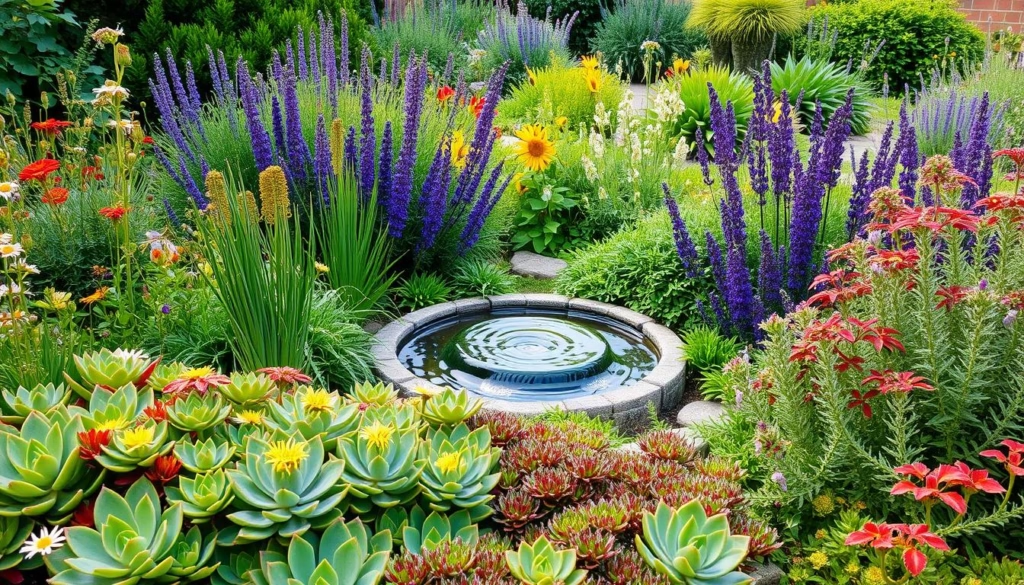
- Lavender – Known for its lovely flowers and scent.
- Sedum – A tough succulent with many types that add texture.
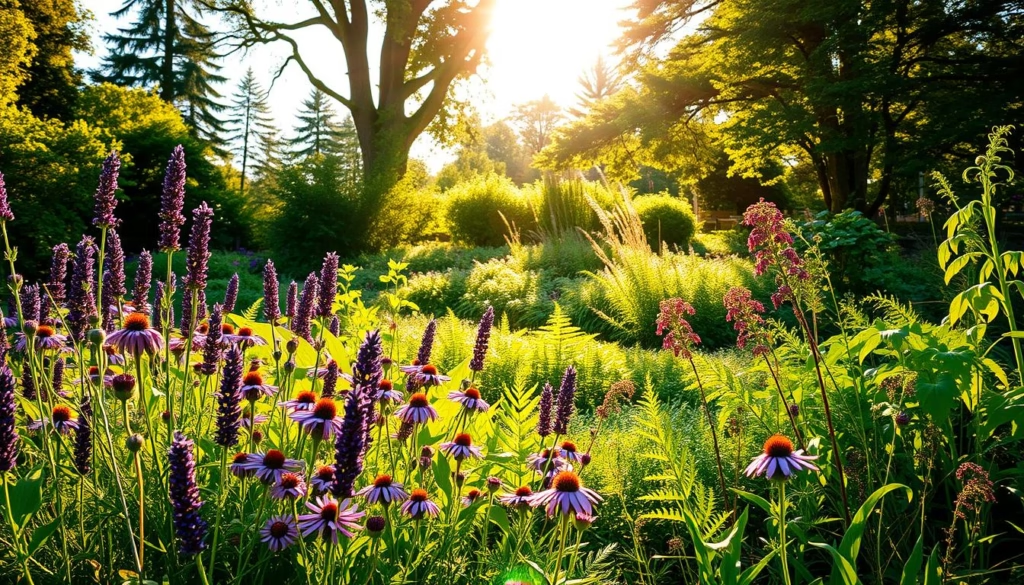
- Echinacea – Also called coneflower, it’s drought-tolerant and attracts bees and butterflies.
These plants do well with little water, making them perfect for a water-saving garden. They not only make your garden look good but also cut down on water use. This fits well with green gardening.
How to select the right plants for your garden
Choosing the right drought-tolerant plants for your garden takes some thought. Look at your local weather and soil type. These affect how well plants grow. Group plants that need the same amount of water together to save water.
Looking at design ideas that use these plants can help. Adding them to your garden plan makes it look great and helps save water.
Using drought-tolerant plants in your garden makes it eco-friendly. It also makes your garden look amazing and lively.
Designing Your Garden for Maximum Water Efficiency
Creating an efficient garden design is key to saving water. It lets your garden grow well even with less water. Using raised beds helps with drainage and cuts down on water loss.
Natural depressions in your garden can catch rainwater. This makes the most of every drop of rain.
Tips for creating a water-wise garden layout
Start by planning your garden’s layout. Make clear zones for plants and paths. Grouping plants by their water needs can cut down on watering.
Use paths made of materials that let water soak into the ground. Plant drought-resistant plants in sunny spots. Save the shady areas for plants that love moisture.
Using mulch to retain moisture
Mulch, made from things like wood chips or straw, does two things. It looks good and keeps the soil moist. A layer of mulch stops water from evaporating, keeping plants hydrated longer.
By using mulch, you make your garden sustainable. It helps plants grow well while saving water. This fits perfectly with water-saving garden designs, making your garden thrive with less water.
Effective Watering Techniques for Your Garden
Using the right watering methods can really help save water in your garden. It’s important to know when and how to water to keep your plants healthy. With the right timing and irrigation systems, you can make a big impact.
Best time to water your garden plants
When you water your plants matters a lot. Watering in the early morning or late evening is best. This is because the air is cooler, which means less water is lost to evaporation. This helps your plants grow better and saves water.
Drip irrigation: a water-saving solution
Drip irrigation is a top choice for saving water. It delivers water right to the roots of your plants. This method cuts down on waste by only watering where it’s needed. It helps your plants stay moist, which is good for their health and your wallet.
Maximising Rainwater Harvesting
Adding rainwater harvesting to your gardening can really help save water. A rainwater collection system gives your garden a sustainable water source. It also keeps your garden healthy. Using barrels or tanks makes it easy to catch rainwater for your plants.
Setting up a rainwater collection system
To set up a rainwater collection system, follow these steps:
- Choose the right containers like barrels or tanks to hold enough water.
- Place your system under a downspout to catch rainwater well.
- Make sure your containers have tight lids to stop mosquitoes and keep out debris.
- Use a filter to clean the water before it gets to your garden.
Using collected rainwater effectively
To use rainwater well, follow these tips:
- Use rainwater when it’s dry to keep your plants watered.
- Get a drip irrigation system to water plants at their roots, saving water.
- Check how much rainwater you have to plan when to water.
- Use rainwater with other green gardening methods to use resources better.
By using rainwater harvesting, you help make gardening more sustainable. Your plants will do well, and you’ll save water.
Soil Health and Its Role in Water Conservation
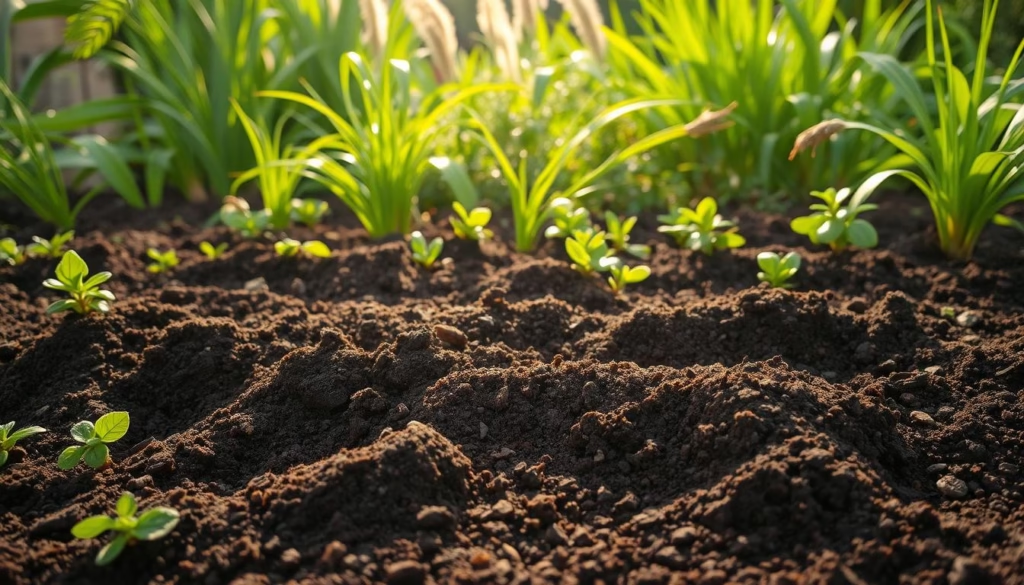
Keeping your garden’s soil healthy is key to saving water. Good soil health means your plants grow better and hold more water. This means you don’t have to water them as often. By making your soil better, you help your garden last longer.
Improving soil structure for better water retention
Soil that’s well-structured is great for saving water. When soil is aerated, water can soak deeper. This helps plants absorb and keep more water.
Try these tips to make your soil better:
- Regularly turn the soil to aerate it
- Add organic matter to improve texture
- Use no-till methods to keep the soil intact
Good soil structure means plants get the water they need. This leads to healthier plants and better growth.
The benefits of organic compost in your garden
Organic compost is a game-changer for your garden. It adds nutrients, boosts microbes, and increases organic matter. This makes your soil better at holding water.
Here’s what you gain:
- Soil that’s more fertile
- Soil that holds water better
- Soil that fights off diseases better
Adding organic compost regularly makes your soil water-friendly. This leads to a garden that’s strong and can handle dry spells.
Seasonal Gardening Tips for Optimal Water Use
Changing your gardening ways with the seasons is key to saving water. Each season brings its own set of challenges and chances to use water wisely. By tweaking your watering, you help your plants and the planet.
How to adjust your watering habits during different seasons
In summer, warmer weather means you need to water differently. Water deeply but not too often to help roots grow. Water when it’s cooler to cut down on evaporation.
As autumn comes, water less as plants grow slower. In winter, check soil moisture instead of watering by schedule. This keeps plants healthy without too much water. Spring is when you can water more to help plants grow back.
What to plant in summer for water conservation
Picking the right plants is vital for saving water. In summer, go for drought-tolerant plants like succulents, lavender, and herbs like rosemary and sage. These plants love the heat and need less water.
Also, group plants with similar water needs together. This makes watering more efficient and saves water.
Sustainable Lawn Care Practices
Creating a beautiful outdoor space doesn’t mean wasting water. Sustainable lawn care can turn old lawns into water-saving gardens. By trying new things and using care that saves water, you can have a lush garden and save water too.
Alternatives to traditional lawns
Think about using xeriscaping with native plants and soil care to save water. Drought-resistant grasses like fescue or buffalo grass need less water and do well in dry weather. Choosing these options helps the planet and keeps your garden looking good.
Care techniques for a drought-resistant lawn
To make your lawn care even better, try these tips:
- Lawn aeration: This method makes holes in the soil for air, water, and nutrients to reach the roots.
- Mowing at higher heights: Cutting your grass taller helps keep the roots cool and holds moisture in the soil.
- Allowing dormancy: Let your lawn rest during dry times. It will grow back when you water it again.
These steps help your lawn save water and stay healthy. They show your dedication to the planet while keeping your garden lively and green.
Maintaining a Healthy Biodiversity in the Garden
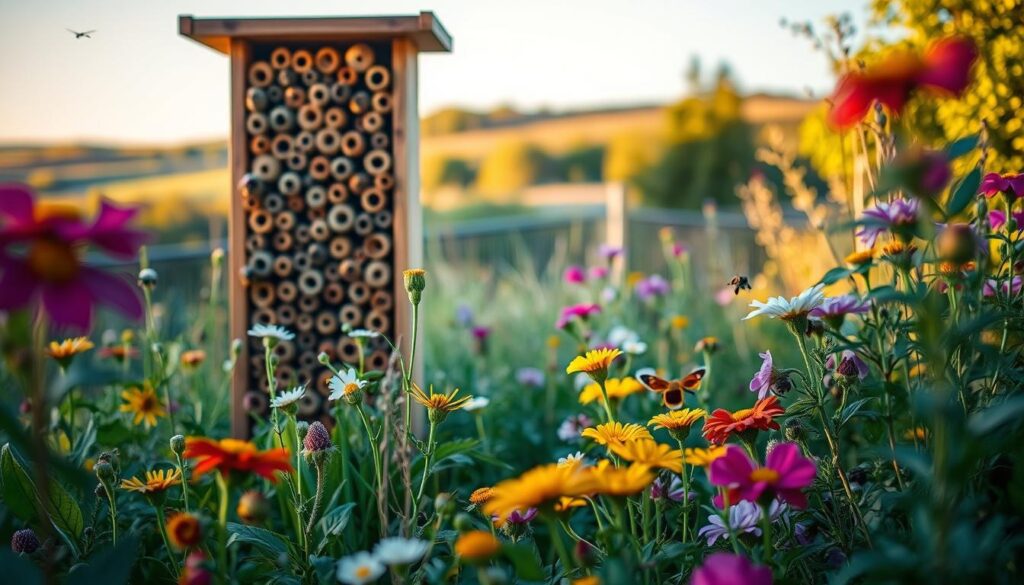
Creating a diverse garden ecosystem is rewarding. It allows plants and animals to flourish. By drawing in wildlife like birds and butterflies, you help control pests naturally. This boosts your garden’s health and supports eco-friendly gardening.
Benefits of attracting wildlife to your garden
Having wildlife in your garden is beneficial. It helps maintain a natural balance, reducing the need for harmful chemicals. Diverse animals also improve pollination, which is key for plant growth and garden health. Plus, it’s good for your local environment.
Planting native species to enhance biodiversity
Using native plants in your garden boosts biodiversity. They fit well with your local climate and soil, needing less care. This creates a home for native wildlife and a self-sustaining garden. Your garden becomes stronger against pests and diseases. Learn about local native plants and their benefits through wildlife-friendly gardening.
Recognising Signs of Water Stress in Plants
It’s key to know when your plants are stressed from lack of water. This stress can show in many ways, affecting your garden’s health. Spotting these signs early lets you act fast to meet their needs.
Common signs of under-watering or over-watering
- Under-watering: Look for wilting leaves, browning tips, and dry, cracked soil. These signs mean your plants need water.
- Over-watering: Signs include yellowing leaves, root rot, and soggy soil. Too much water can harm your plants just like too little.
Responding to your plants’ water needs effectively
Keeping an eye on your garden helps you spot water stress. Adjust your watering based on what your plants show you. Try these tips:
- Check soil moisture before watering.
- Use drip irrigation to water roots directly.
- Group plants by their water needs for easier care.
Being observant and quick to act can improve your plant care. This way, your garden will flourish sustainably.
| Water Stress Signs | Symptoms | Suggested Actions |
|---|---|---|
| Under-watering | Wilting, browning leaf tips, cracked soil | Increase watering frequency |
| Over-watering | Yellowing leaves, root rot, soggy soil | Allow soil to dry before next watering |
Community Initiatives for Water-Wise Gardening
Getting involved in community initiatives can really help you learn about water-wise gardening. Local resources give great advice and support for gardening the right way. You can meet others who care about saving water and share tips and stories.
Local resources for advice and support
Local gardening groups run workshops and seminars on green gardening. They talk about soil, plants, and smart watering. By using these water conservation resources, you can make your garden better and save water.
Joining community gardening workshops
Community gardening workshops teach you practical skills. Many groups hold events to teach sustainable gardening. These workshops are a great way to learn from experts and make friends.
Being part of these initiatives does more than help you. It brings people together and promotes green living in your area. By joining, you help create a community that values water and gardening responsibly.
Resources for Further Exploration
Exploring water-wise gardening can really help you grow a sustainable garden. There are many resources out there, like books and guides on saving water. “Gardening with Limited Water” and “The Drought-Resistant Garden” are great examples. They give you tips and ideas to change how you garden today.
Online platforms are also great for connecting with other gardeners. Websites and social media groups focused on water-wise gardening share lots of tips and advice. Being part of these groups not only teaches you more but also keeps you up-to-date with new eco-friendly gardening ideas.
Using both books and online resources helps you make better choices in your garden. Dive into the wealth of information from water-wise gardening guides and online communities. This will help you create a beautiful, sustainable garden while saving water.