Ever wondered why the blue flowers of the Butterfly Pea plant are so popular? This vibrant vine is not just beautiful. It’s also useful in cooking and making natural dyes. In this guide, we’ll show you how to care for your Butterfly Pea plant. You’ll learn everything you need to know to keep it thriving.
Whether you’re new to gardening or have lots of experience, growing a Butterfly Pea is rewarding. It’s a journey filled with excitement and satisfaction.
Explore more insights on plant care.
Key Takeaways
- Understanding the unique requirements of Clitoria Ternatea is essential for successful growth.
- Choosing the right location with adequate sunlight enhances the plant’s vitality.
- Regular watering and proper soil conditions play a big role in your Butterfly Pea’s health.
- Maintenance, including pruning, greatly affects the number and quality of blooms.
- Identifying and managing common pests is vital for protecting your plant.
- Harvesting at the right time maximises the benefits of your Butterfly Pea flowers.
Understanding Butterfly Pea: An Overview
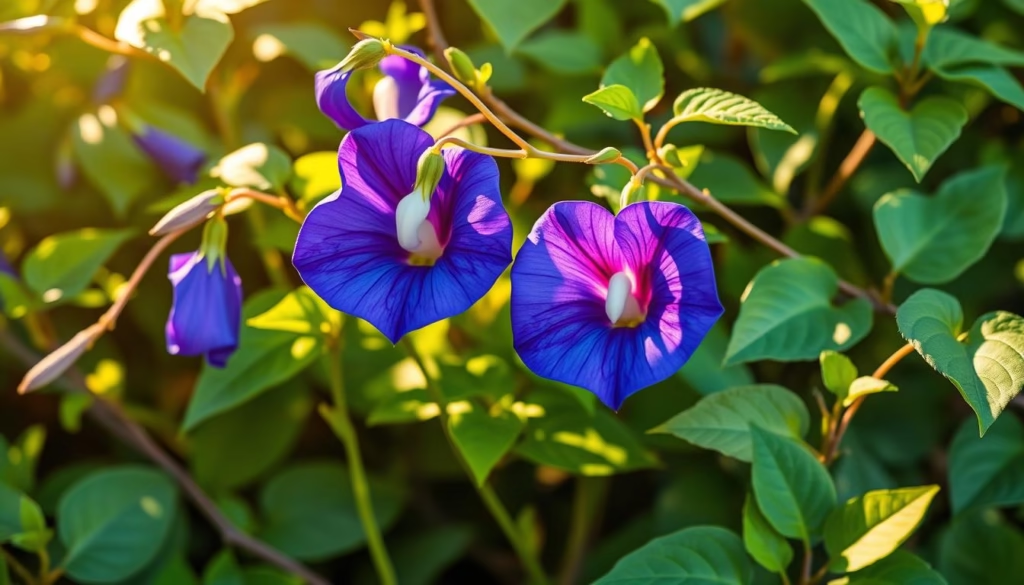
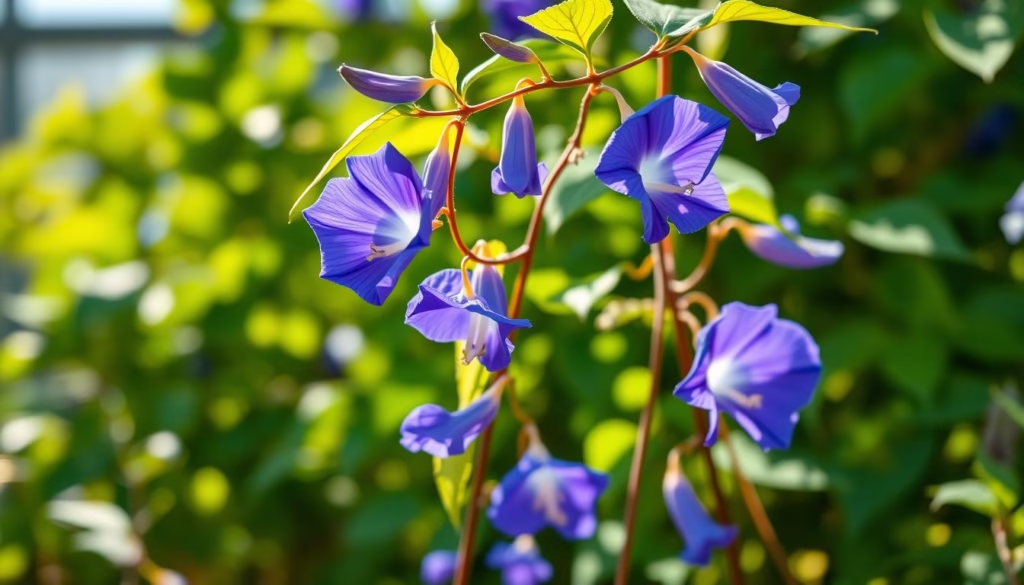
Clitoria Ternatea, or Butterfly Pea, is a tropical vine known for its beautiful blooms and uses. It comes from places like Indonesia. This plant can grow up to 15 feet long and has unique features.
The blue flowers with white and yellow centres are very attractive.
What is Clitoria Ternatea?
Butterfly Pea is not just pretty; it’s also edible. You can eat its leaves, flowers, young shoots, and tender pods. The flowers have antioxidants called anthocyanins.
This makes them good for food and health.
Common Uses of Butterfly Pea
Butterfly Pea is more than a garden decoration. Its flowers are used in drinks and desserts. They add a beautiful colour to food.
The petals can also be used as a natural dye in Asian cooking.
Origin and Habitat
Butterfly Pea comes from Asia, where it loves the warm weather. It grows well in sunny spots and different soils. This makes it popular in gardens worldwide.
Choosing the Right Location for Your Butterfly Pea
Finding the best spot for your Butterfly Pea is key for its health and beauty. These plants love sunlight and the right soil. They do best in areas with 6 to 10 hours of full sun daily.
Sunlight Requirements
The right amount of sunlight is vital for your Butterfly Pea. Place it in a sunny area for strong growth. Without enough sun, it may not grow well or bloom much.
A sunny garden or a bright patio is ideal. It gives your plant the light it needs.
Ideal Soil Conditions
The soil for your Butterfly Pea should drain well and be rich in organic matter. Aim for a slightly acidic to neutral pH, between 6.0 and 8.0. Adding compost or well-rotted manure can improve the soil.
These additions provide nutrients and help keep the soil moist. This prevents it from getting too wet.
Knowing what your Butterfly Pea needs helps it thrive. For more tips on caring for your plant, check out this resource. By meeting their needs, you can enjoy their beauty in your garden.
Planting Butterfly Pea: Step-by-Step Guide
Starting to plant Butterfly Pea can be very rewarding. Its stunning blue flowers will make your garden look amazing. This guide will help you choose seeds or seedlings and prepare your garden.
Selecting Seeds or Seedlings
Choosing the right seeds or seedlings is key when planting Butterfly Pea. If you pick seeds, soaking them in water overnight can help them grow better. Plant the seeds about 1 inch deep in good draining soil in early spring or 8 to 10 weeks before the last frost.
If you prefer seedlings, choose healthy ones from a trusted nursery. This will give your plants a strong start.
Preparing Your Garden Bed
Getting your garden ready for Butterfly Pea is important for their growth. Make sure your garden bed has rich soil. Adding compost or well-rotted manure will make the soil better for your plants.
Space each plant about 12 to 18 inches apart. You can plant them directly in your garden or use pots.
Watering Techniques for Healthy Growth
Getting your Butterfly Pea plant to thrive depends on how you water it. Knowing when and how much to water is key. As the plant grows, its needs change, so keep an eye on it.
Frequency and Amount of Water
Seedlings need about 1 inch of water a week. This can be from rain or you watering it. As it gets older, it can handle drier spells better. But in hot, dry times, it might need more water. Watch the weather and adjust your watering.
Signs of Overwatering or Underwatering
Pay attention to your plant’s health. Water signs for Butterfly Pea can show if you’re giving it too much or too little water. Each problem has its own symptoms:
- Overwatering: Yellow leaves, rotting roots, and fungi are bad signs.
- Underwatering: If leaves start to wilt and growth slows, it’s thirsty.
By watching for these signs, you can tweak your watering to keep your plant healthy.
| Condition | Signs | Recommended Action |
|---|---|---|
| Overwatering | Yellow leaves, mushy roots | Reduce watering frequency, improve drainage |
| Underwatering | Wilting leaves, dry soil | Increase watering, ensure consistent moisture |
Nutrient Needs: Feeding Your Butterfly Pea
A well-nourished Butterfly Pea blooms beautifully. Knowing how to fertilise it is key. A good feeding plan boosts its health and flower production.
Recommended Fertilisers
Choose well-aged manure, compost, or balanced NPK fertilisers for your Butterfly Pea. Phosphorus and potassium are vital for flowers. Regular use promotes strong growth and colourful blooms.
Timing of Feedings
Timing is everything when fertilising. Fertilise twice a year, after pruning. This helps the plant absorb nutrients during its active growth phase.
Pruning and Maintenance for Optimal Blooms
Pruning is key to keeping your Butterfly Pea plant bushy and full of colour. You can prune it any time of the year to stop it from looking thin. Regular care boosts your plant’s health and flower production.
When to Prune
Watch for weak or leggy stems on your Butterfly Pea. Prune them to help your plant bloom better. Deadheading spent flowers also makes your plant look nicer and grow more.
Techniques for Effective Pruning
Using the right pruning methods is vital for your Butterfly Pea. Cut the tips of the vines to make the plant bushier and promote new growth. This will give you more greenery and flowers. If you want to collect seeds or eat the peas, leave some flowers on the vine.
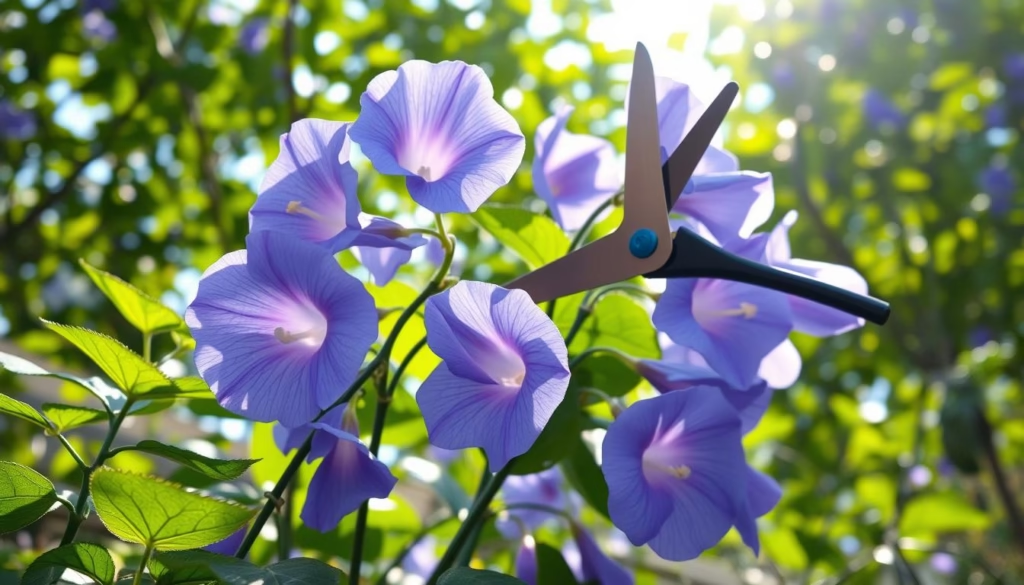
For more gardening tips, check out this guide on pruning Butterfly Pea and care. With regular pruning and care, your plant will thrive and bloom beautifully all season.
Managing Pests and Diseases
Looking after your Butterfly Pea can be very rewarding. But, it also comes with its own set of challenges. Knowing how to deal with common pests and diseases is key to a healthy garden. With the right approach, you can keep your plants thriving.
Common Pests Affecting Butterfly Pea
Several pests can trouble your Butterfly Pea. Spider mites, aphids, whiteflies, mealybugs, and scale insects are the most common. Each pest has its own way of causing problems:
- Spider Mites: These tiny creatures may cause leaf discolouration and reduced growth due to their feeding habits.
- Aphids: Known for their honeydew excretion, they can weaken plant vigour and spread diseases.
- Whiteflies: Often seen in clouds when disturbed, they contribute to yellowing leaves and attract sooty mould.
- Mealybugs: Their cottony appearance on plants indicates harmful effects, spreading disease and weakening them.
- Scale Insects: With a flat, shield-like appearance, they can stress your plants significantly.
Organic Solutions for Pest Control
Using organic pest control for Butterfly Pea is a great way to manage pests without harming the environment. Methods like neem oil, insecticidal soaps, and attracting beneficial insects are effective. Regularly spraying water can help get rid of pests like spider mites and aphids. It also keeps the leaves healthy. For more stubborn problems, consider adding these organic methods to your routine.
Also, watch out for fungal diseases, which can come from too much water or poor air flow. Make sure the soil drains well and plants have enough space. Keep an eye on humidity and avoid overcrowding to prevent these diseases.
Encouraging Flowering and Plant Health
To get your Butterfly Pea to bloom well and stay healthy, focus on a few important things. Make sure the conditions are right for them to grow and flower. The right amount of sunlight, water, and nutrients are key to their success.
Factors That Influence Flowering
Butterfly Pea needs lots of sunlight to bloom well. Try to give it at least six hours of direct sunlight every day. Also, the soil should be good and rich in nutrients. Keeping an eye on how wet the soil is helps prevent stress, which is good for the plants.
Encouraging Pollinators
Bees and butterflies help Butterfly Pea plants a lot. They help with pollination, which is important for flowers and fruit. To attract these helpers, plant other flowers around your Butterfly Pea. Choose ones that bloom at different times to keep the pollinators coming back.
| Factors | Impact on Flowering | Recommended Practices |
|---|---|---|
| Sunlight | Promotes vibrant blooms | 6+ hours of direct sunlight |
| Soil Quality | Affects nutrient availability | Use well-drained, nutrient-rich soil |
| Water Management | Prevents stress on plants | Maintain moderate moisture levels |
| Pollinator Presence | Increases fruit production | Plant flowers to attract bees and butterflies |
Seasonal Care Tips for Butterfly Pea
Looking after your Butterfly Pea throughout the year is key to its health and beauty. Moving from winter to spring brings its own set of challenges and joys. You can get your plant ready for winter and know how to care for it when it wakes up in spring.
Preparing for Winter
To protect your Butterfly Pea from frost and harsh weather in winter, follow these steps:
- Cut back the plant after the first frost to about 15 cm above the ground.
- Mulch around the base with organic material to provide insulation.
- If grown in pots, move them indoors or to a sheltered location that remains cool but doesn’t dip below freezing.
By doing this, your Butterfly Pea will be ready to grow strong when spring comes.
Caring for Your Plant in Spring
As spring nears, think about how to help your Butterfly Pea grow and bloom. Here are some tips:
- Remove any mulch from the root area as the soil warms up.
- Begin watering regularly, ensuring the soil stays moist but not waterlogged.
- Apply a balanced fertiliser to support new growth, typically once every four to six weeks.
- Observe your plant for signs of new shoots, indicating it’s time to begin trellising or supporting the vines.
With the right care in spring, your Butterfly Pea will flourish and show off its beautiful flowers.
| Season | Care Tips |
|---|---|
| Winter | Prune to 15 cm, mulch for insulation, move potted plants indoors |
| Spring | Remove mulch, water regularly, apply fertiliser, support new growth |
Harvesting Butterfly Pea Flowers
Harvesting Butterfly Pea flowers needs careful timing and method. When you’re ready to pick them, knowing the best way to do it can make a big difference. It can improve the taste and colour of the flowers.
When is the Right Time?
The best time to pick Butterfly Pea flowers is early morning. This is when they are fully open and show their bright colours. Picking them before it gets hot helps keep them fresh and colourful.
Look for flowers that are bright blue or purple. This means they are ready to use in cooking.
Methods for Harvesting
Use sharp, clean scissors to cut the flowers. Cut them just above the calyx to avoid harming the plant. This way, you leave enough leaves for the plant to grow and make it easy to remove the flowers.
Use the flowers right away or store them in a bag to keep them fresh. If you want to grow peas, pick the pods when they’re young and tender. This ensures they taste great in your dishes.
Creative Uses for Butterfly Pea Flowers
Butterfly Pea flowers are known for their bright blue colour. They are used in many ways, not just for looks. These flowers are popular for their special qualities. They are used in cooking and for making dyes, showing how versatile they are.
Learning about these uses can inspire new ideas in your daily life.
Culinary Applications
Butterfly Pea flowers are used in teas and cocktails. They change colour when mixed with lemon juice, turning blue to magenta. This makes drinks look amazing and lets you play with flavours and smells.
They are used in:
- Beverages, such as herbal teas, cocktails, and lemonades.
- Rice, where the flowers infuse a beautiful blue colour.
- Desserts, including jellies and cakes, for a whimsical touch.
- Natural food colouring for a healthier alternative to synthetic dyes.
Natural Dyes and Craft Uses
Butterfly Pea flowers are also great for dyeing and crafts. They have been used for dyeing in many cultures, like in Southeast Asia. The dye they make is safe and good for the environment.
They can be used in:
- Dyeing fabrics, such as cotton and silk, for vibrant hues.
- Creating eco-friendly paints that can be used in various art projects.
- Making natural soaps and cosmetics infused with colour and nutrients.
Using Butterfly Pea flowers in cooking and crafts makes your projects fun and eco-friendly. It connects you to old traditions of using flowers in crafts.
Troubleshooting Common Issues
Caring for your Butterfly Pea can sometimes bring unexpected challenges. Issues like yellowing leaves and stunted growth need your attention. Understanding these problems is key to keeping your plants vibrant and blooming.
Yellowing Leaves: What it Means
Yellowing leaves on your Butterfly Pea might mean it lacks nitrogen. Pests can also block nutrient intake. Regular checks can spot these problems early.
Try using a balanced fertiliser with your monthly seaweed feed. Seaweed alone might not be enough for your plant’s health.
Stunted Growth: Possible Causes
Stunted growth in your Butterfly Pea could be due to bad watering or not enough sunlight. Make sure your plant gets enough light and water it right. The soil mix is also important.
A soil rich in organic matter can hold too much water. Knowing these factors helps your plant grow well and your garden flourish.