
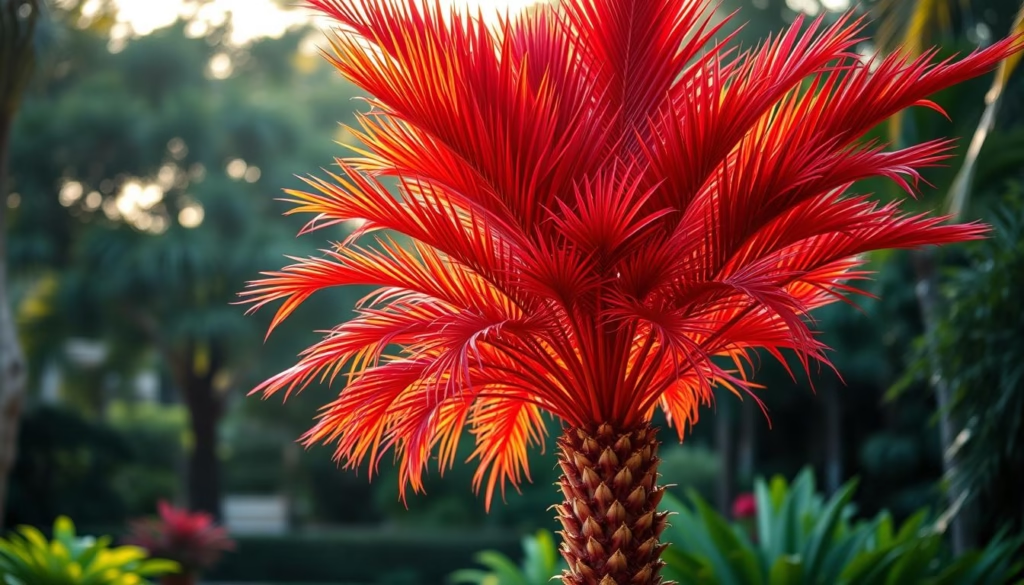
Ever thought about plants that can turn your garden into a tropical paradise? The Red Sealing Wax Palm, or Cyrtostachys Renda, is a standout. It’s known for its eye-catching red crownshafts and shiny green fronds. This palm loves warm, humid places and can grow up to 15 feet tall and 10 feet wide.
With the right care, your Red Sealing Wax Palm will not just survive but thrive. It will add beauty and life to your tropical garden.
Key Takeaways
- The Red Sealing Wax Palm thrives in warm, humid conditions typical of tropical gardens.
- Cyrtostachys Renda can grow significantly, reaching heights of 8 to 15 feet.
- Proper care tips for Red Sealing Wax Palm can maximise its vibrancy and health.
- It is not just beautiful; this palm species elevates the overall appeal of your space.
- Understanding its specific needs will ensure your plant thrives in domestic settings.
Introduction to Red Sealing Wax Palm
The Red Sealing Wax Palm, known as Cyrtostachys Renda, is eye-catching. It has both beauty and practical uses. Its bright leaves add a stunning contrast to any space, making it perfect for gardens.
Overview of Cyrtostachys Renda
This palm comes from tropical areas and is known for its vibrant red and green hues. Its slender trunk and curved leaves make a striking view. It’s great for adding an exotic feel to your garden, appealing to all gardeners.
Benefits of Adding This Palm to Your Garden
The Red Sealing Wax Palm is more than just pretty. It can grow well in many conditions, making it flexible for different places. It also cleans the air, making your home fresher. Plus, it’s easy to care for, so you can enjoy its beauty with little work.
Adding the Red Sealing Wax Palm to your garden boosts its look and feel. It creates a peaceful, tropical vibe that’s enjoyable all year.
Ideal Growing Conditions
The Red Sealing Wax Palm is known for its striking look. It needs specific conditions to grow well in your garden. By meeting its sunlight requirements and temperature needs, you can help it grow healthily and brightly.
Light Requirements for Optimal Growth
The Red Sealing Wax Palm grows best in bright or partial sunlight. Young plants can handle some shade as they grow. But, full sunlight makes them healthier and more vibrant. Giving your palm enough light helps it stay strong and live longer.
Temperature Preferences and Frost Protection
This palm loves warm weather, best between 24°C and 29°C (75°F to 85°F). It’s very sensitive to cold, so protecting it from frost is key. Creating a warm spot or shelter helps keep it safe from cold winds and frost. For more care tips, check out this guide here.
| Growing Conditions | Ideal Range |
|---|---|
| Sunlight | Bright or partial sunlight |
| Temperature | 24°C to 29°C (75°F to 85°F) |
| Frost Protection | Necessary below 10°C (50°F) |
Soil and Planting Tips
To make sure your Red Sealing Wax Palm grows well, it needs the right soil and planting tips. This palm likes certain soil types for the best growth and root health.
Best Soil Types for Red Sealing Wax Palm
The best soil for Cyrtostachys Renda is well-drained and full of nutrients. Mix peat, sand, and organic matter for it. This mix helps with drainage and keeps enough moisture, which is key for the palm’s health.
Planting Techniques for Healthy Root Development
Planting right is key for a strong start. Make sure the root ball is level with the soil to avoid root stress. Here are some tips for planting well:
- Prepare a hole twice the width of the root ball.
- Add your chosen mix of soil types for Red Sealing Wax Palm.
- Plant the palm, keeping the root collar even with the soil surface.
- Water thoroughly after planting to encourage healthy root development.
Following these planting tips will help your Red Sealing Wax Palm thrive. It supports healthy root growth and overall health.
Watering Guidelines
Knowing how much water your Red Sealing Wax Palm needs is key to its health. A good watering guide helps keep it growing well. These palms like moist soil but can get sick if too wet. Check the soil often to find the right watering schedule.
How Often to Water Your Red Sealing Wax Palm
Water your Red Sealing Wax Palm when the top inch of soil is dry. You’ll usually need to water once a week. But, this can change with the weather and season. In hot months, it might need more water. Make sure any extra water drains off to avoid root rot.
Signs of Overwatering and Underwatering
Watch out for signs of too much water to protect your palm. Yellow leaves, a droopy look, and slow growth are warning signs. On the other hand, dry leaves and brown edges mean it’s not getting enough water. Keeping an eye on these signs helps you water just right.
Fertilisation Strategies
To keep your Red Sealing Wax Palm looking great, fertilising is key. The right fertiliser can make a big difference in its growth and look. A balanced fertiliser with lots of potassium is best for palms. It helps them grow strong and keeps the leaves vibrant.
Choosing the Right Fertiliser for Your Palm
Go for a slow-release fertiliser with all the micronutrients your palm needs. This kind of fertiliser feeds your palm steadily all season. Apply it at the base to avoid burning the leaves. Always follow the instructions and dilute the fertiliser as advised to avoid too much.
Frequency and Method of Fertilisation
Fertilise your Red Sealing Wax Palm every 4 to 6 weeks when it’s growing. This keeps it well-nourished. Watch out for signs of nutrient shortages, like in manganese or magnesium, if your soil is alkaline. For more tips on caring for your palm, check out this page.
Pruning and Maintenance
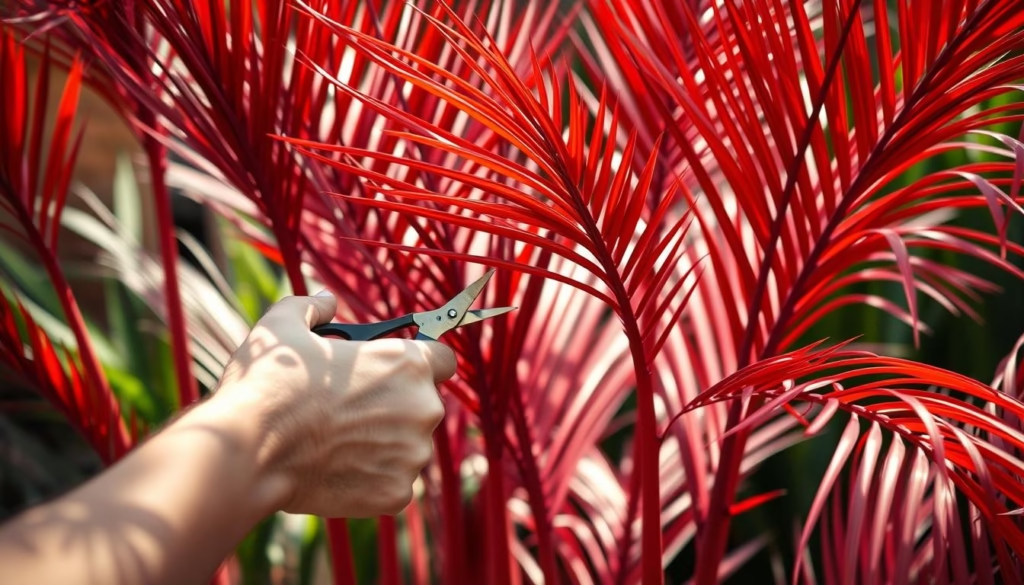
Regular pruning is key for your Red Sealing Wax Palm to thrive. It makes your palm look great and helps it grow well. Cutting off dead or yellow fronds improves air flow and stops pests.
Importance of Pruning for Healthy Growth
Pruning is vital for your palm’s health. Without it, old fronds can block new growth and attract pests. Regular pruning boosts your palm’s health and makes it live longer.
How to Properly Prune Your Palm
To prune your Red Sealing Wax Palm right, follow these tips:
- Use sharp, clean tools to avoid damaging the plant.
- Cut fronds as close to the trunk as possible, maintaining the integrity of the stem.
- Always remove fronds that are yellowing or dead, allowing for improved growth.
These steps will keep your palm looking stunning and healthy. For more plant care tips, including palm care, check out this resource. Remember, proper pruning is essential for a vibrant, lush Red Sealing Wax Palm.
Pest and Disease Management
Keeping your Red Sealing Wax Palm healthy means watching out for pests and diseases. These can harm your plant’s beauty and health. It’s important to act early to prevent diseases and help your palm grow well.
Common Pests Affecting Red Sealing Wax Palm
Look out for pests affecting Red Sealing Wax Palm like spider mites and mealybugs. They can harm your plant by sucking its sap. This can make leaves turn yellow and stop the plant from growing.
Check your plant often to catch these pests early. Look for webs or cotton-like stuff on the leaves.
Preventative Measures and Treatments
Simple steps can help prevent diseases. Clean your plant’s leaves often to remove dust and improve air flow. Keeping the air moist helps too, as pests don’t like dry places.
To treat pests or diseases, use safe products like insecticidal soaps and neem oil. These are gentle on your palm but strong against pests.
| Pest | Symptoms | Treatment Options | Preventative Measures |
|---|---|---|---|
| Spider Mites | Webbing on leaves, yellowing foliage | Insecticidal soap, neem oil | Regular leaf cleaning, maintaining humidity |
| Mealybugs | Cotton-like clusters, wilting leaves | Alcohol wipes, insecticidal soap | Regular inspections, keeping the environment moist |
Knowing about pests and using the right treatments can keep your Red Sealing Wax Palm looking great in your garden.
Repotting Your Palm
Repotting is key to keeping your Red Sealing Wax Palm healthy. Knowing when to repot palms is vital for their growth. You should repot every 2-3 years or when you see roots growing out of the pot.
When to Repot Your Cyrtostachys Renda
Spring is the best time to repot your Cyrtostachys Renda. This lets your palm grow well during its active season. Look for signs that it needs more space and nutrients.
Steps for Successful Repotting
Here are the steps for successful repotting:
- Gently remove the palm from its current pot, taking care not to damage the roots.
- Loosen any tightly bound roots to promote healthy growth.
- Choose a new pot that is only slightly larger than the previous one to minimise shock.
- Fill the new pot with fresh soil, providing proper drainage and nutrients.
- After placing the palm in its new home, water it thoroughly, ensuring the soil settles around the roots.
By following these steps, you can ensure a smooth transition for your palm. Effective repotting supports its continued growth and vitality. For more care tips, visit this link.
Decorating with Red Sealing Wax Palm
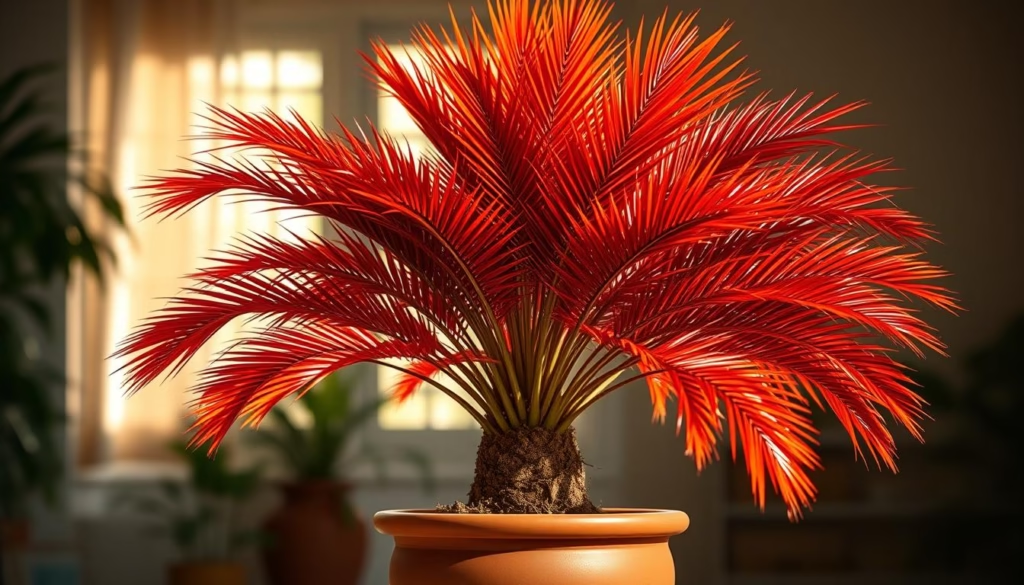
The Red Sealing Wax Palm is a stunning addition to your garden. It loves bright spots where it can soak up the sun. This makes it perfect for areas that get lots of light all day.
Best Locations for Impact in Your Garden
For the best look, place your Red Sealing Wax Palm in key spots. Think about:
- Near patio areas, providing a tropical feel
- Along pathways, creating inviting walkways
- In front of taller structures, emphasising its impressive height
Pairing with Other Plants for Visual Appeal
Pairing plants can make your garden look even better. With the Red Sealing Wax Palm, try combining it with:
- Ferns, which offer a lush backdrop
- Tropical flowering plants, adding vibrant colours
- Succulents, providing a contrast in texture
These pairings not only boost your garden’s look but also make it lively. By choosing plants that work well together, you create a beautiful space. This space is full of life and colour, thanks to the Red Sealing Wax Palm.
Summary and Final Tips
To keep your Red Sealing Wax Palm healthy, follow the Red Sealing Wax Palm care tips from this article. Make sure it gets enough light, water it right, and fertilise it regularly. Also, prune it lightly to remove damaged leaves.
Enjoy the lively vibe of Cyrtostachys Renda in your garden. Try different spots and plants to make your garden a special place. For more tips, visit this link.
By caring for your palm in your own way, you’ll make your garden more beautiful. Follow these tips to enjoy your palm fully. Give your Red Sealing Wax Palm the care it needs and enjoy the tropical feel it brings!