
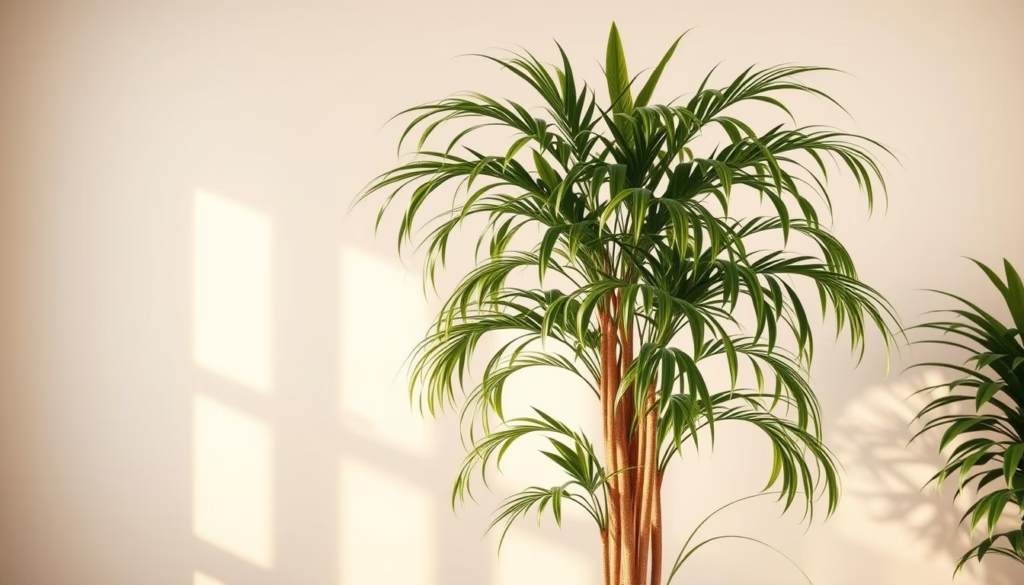
Ever wondered why the Dragon Tree, or Dracaena marginata, is so popular in homes? It’s not just its beauty that makes it special. This indoor plant is also very easy to care for. It comes from Madagascar and can grow well in different light conditions.
In this guide, we’ll share key tips for taking care of your Dragon Tree. This will help your Dracaena marginata grow well in your home.
Key Takeaways
- The Dragon Tree is also known as Dracaena marginata and is appreciated for its aesthetic appeal.
- It thrives in various light conditions, making it suitable for different indoor environments.
- Proper watering practices are essential for your Dragon Tree’s health.
- Humidity, temperature, and the right soil mix are important for its care.
- Understanding pest control is vital to prevent common issues with your indoor plant.
- Regular pruning can improve growth and appearance.
- Seasonal care adjustments will help your Dragon Tree thrive all year.
Understanding the Dragon Tree: An Overview
Ever wondered, What is Dracaena Draco? This plant, known as the dragon tree, is a part of the Dracaena family. It’s loved for its striking looks and easy care.
What is Dracaena Draco?
Dracaena Draco is a tall, evergreen plant that stands out. It can grow up to six feet indoors. Its long, sword-like leaves make a unique shape.
But, it’s important to keep it away from pets. The plant has saponins that can be harmful if eaten.
Unique Characteristics of the Dragon Tree
The Dragon Tree is special among indoor plants. Its leaves are a deep green and slightly waxy. This makes them very attractive.
As it grows, it looks like an umbrella. It’s tough and great for both new and experienced plant lovers.
Common Varieties to Explore
There are two main types of Dracaena to look at. The Dracaena marginata has leaves with red edges, adding colour. The Dracaena fragrans, or corn plant, has broad leaves for a lush look.
Both are good at cleaning the air in your home. For more plant care tips, check out this guide.
The Ideal Environment for Your Dragon Tree
Creating the best environment for your Dragon Tree is key for its health and growth. Knowing the light, temperature, and humidity needs is vital. This ensures you give it the best care.
Light Requirements
Dragon Trees love bright, indirect light. They can handle low light but prefer a spot near a north or east window. Direct sunlight can burn their leaves. So, use sheer curtains to soften the sun’s rays.
Temperature Preferences
These tropical plants are very specific about temperature. They do best in 18°C to 27°C (65°F to 80°F). Temperatures below 10°C (50°F) can harm them, slowing their growth and health.
Humidity Levels
Dragon Trees need the right humidity to thrive. They enjoy occasional misting, more so in dry winter months. If your home is too dry, a humidifier can help.
Watering Your Dragon Tree: Best Practices
Proper watering is key for a healthy Dragon Tree. Knowing when and how to water can boost your plant’s health. Here are some tips to help you water your Dragon Tree right.
How to Identify When to Water
Check the top few inches of soil to see if your Dragon Tree needs water. Let this layer dry out before watering again. A good way to check is by sticking your finger into the soil up to the second knuckle.
If the soil feels dry, it’s time to water. But be careful not to overwater, as this can cause root rot. Underwatering can also harm your plant, leading to brown leaves and leaf drop.
Watering Techniques for Optimal Health
When you do water, make sure to soak the potting medium until water drains from the bottom. This helps the roots get enough moisture. In spring and summer, your plant might need watering every week.
In winter, when growth slows down, you can water every two weeks. Always empty the catchment container after watering to avoid standing water, which can cause problems.
For more tips on watering your Dragon Tree, check out this useful guide. Using a moisture meter or checking manually can help you water your plant just right, keeping it healthy and thriving.
Soil and Potting Needs for Dragon Trees
Getting the right soil and pot for your Dragon Tree is key. It helps it grow well and stay healthy. Here’s what you need to know about soil, pots, and when to repot.
Choosing the Right Soil Mix
A loose, well-draining potting mix is best for your Dragon Tree. A mix with peat and a slightly acidic pH helps it grow. Adding perlite improves drainage, which is good for the roots.
Recommended Pot Types
The right pot is important for your Dragon Tree’s health. Choose pots with holes to let water out. This stops the soil from getting too wet. A pot 2 inches wider than the old one is perfect for the roots.
Repotting Tips
Repot your Dragon Tree every 2 to 3 years or when the roots get crowded. Spring is the best time to do this. It’s less stressful for the plant. Refreshing the soil every year helps keep your Dragon Tree healthy. For more repotting tips, check out reliable sources.
| Aspect | Details |
|---|---|
| Soil Type | Peat-based, well-draining mix with perlite |
| Pot Size | 2 inches larger than current pot |
| Drainage | Pots must have drainage holes |
| Repotting Frequency | Every 2-3 years |
| Best Time to Repot | Spring |
Fertilising Your Dragon Tree: Dos and Don’ts
Keeping your Dragon Tree healthy means using the right fertiliser. Knowing the best fertilisers for Dragon Trees can really help them grow well. Here are some top tips for fertilising your Dragon Tree to make it thrive.
Best Fertilisers for Dragon Trees
Use a balanced, water-soluble fertiliser that’s half the strength during the growing season. Choose indoor plant fertilisers as they give the right nutrients without too much. Some good choices are:
- Miracle-Gro Indoor Plant Food
- Osmocote Indoor Plants Fertiliser
- Westland Houseplant Food
How Often to Fertilise
Feed your Dragon Tree every month in spring and summer to help it grow. Don’t fertilise in the fall and winter when it’s dormant. Remember, too much fertiliser can hurt your tree, so stick to a monthly routine.
Signs of Over-Fertilisation
Too much fertiliser can cause browning leaf tips or salt build-up in the soil. If you see these signs, wash the soil with water to remove excess nutrients. Watching out for these signs keeps your Dragon Tree healthy and bright.
| Fertiliser Type | Application Rate | Recommended Brand |
|---|---|---|
| Water-Soluble | Half-strength monthly | Miracle-Gro |
| Slow-Release | Every 3 months | Osmocote |
| Liquid Feed | Monthly during growth | Westland |
Pest Control and Disease Prevention
Keeping your Dragon Tree healthy means watching out for pests and diseases. It’s important to check your plant often for signs of trouble. This way, you can catch problems early and deal with them quickly.
Common Pests to Watch For
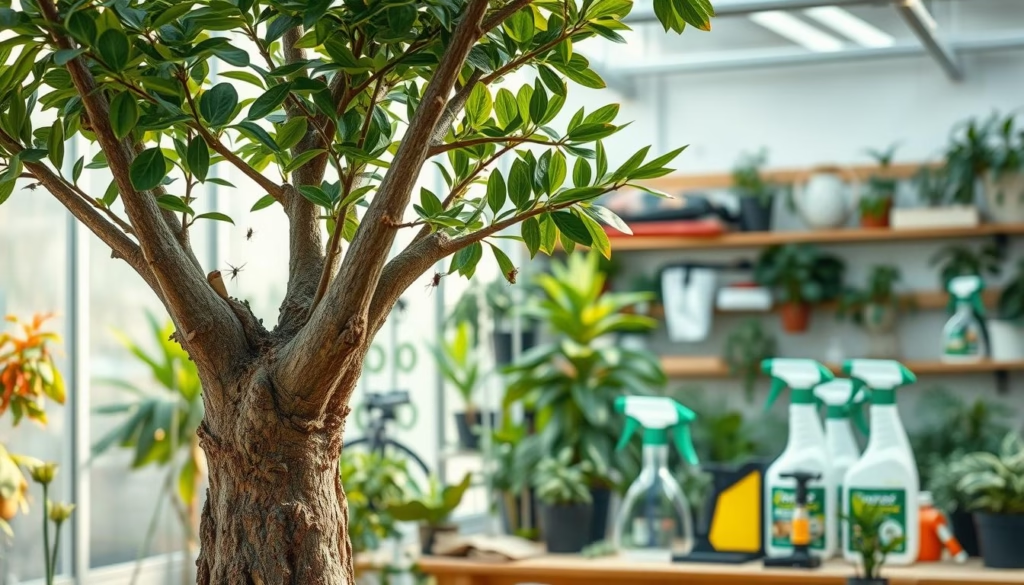
Mealybugs, spider mites, and aphids are common pests that can harm your Dragon Tree. Regular checks help you spot infestations early. This allows you to take action fast. You can find out more about spider mites and how they affect plants.
Signs of Infestation
Look out for yellow leaves, webs on leaves, or pests on your Dragon Tree. Healthy plants have bright, strong leaves. If you see these signs, act fast to protect your plant.
Organic Solutions for Pest Problems
If you prefer natural methods, there are organic solutions. Neem oil or insecticidal soap can fight pests without harming your plant or the environment. Also, cleaning your plant’s leaves with a damp cloth can help prevent pests and keep it healthy.
Pruning Your Dragon Tree: Why and How
Pruning your Dragon Tree is key to keeping it healthy and looking good. This part of the Dragon Tree pruning guide shows when and how to prune. It also explains why pruning is good for your plant.
Benefits of Pruning
Pruning your Dragon Tree has many benefits. It makes the plant bushier, which looks better. It also helps get rid of dead or yellow leaves, keeping the plant healthy.
This stops pests and diseases. So, your Dragon Tree stays a bright spot in your home.
When to Prune Your Dragon Tree
The best time to prune is in spring and summer. This is when your plant grows the most. Pruning then helps it grow back strong and healthy.
How to Properly Prune
Use clean tools to prune your Dragon Tree. Cut the top stems to make new branches. Remove any sick leaves to keep the plant strong.
Following these steps from the Dragon Tree pruning guide will make your plant look and feel better.
Propagating Dragon Trees: Step-by-Step Guide
Learning how to care for and propagate Dragon Trees can boost your indoor gardening skills. By using the right methods, you can grow new plants that flourish at home. This guide will walk you through the key steps, offer tips for young trees, and highlight common mistakes.
Methods of Propagation
Stem cuttings are a common way to propagate dragon trees. Start by cutting a 5-6 inch piece from the top of the stem. Then, remove the lower leaves, leaving about half of the total leaves. This helps the cutting focus on growing roots.
You can place the cutting in moist soil or water until roots appear. For more detailed guidance, check this resource on propagation methods.
Tips for Successful Growth
To increase your chances of success, make sure cuttings get bright, indirect light. Keep the soil moist but not waterlogged. Roots should start to show in about three weeks.
Once roots appear, follow regular care to help the plant grow strong and healthy.
Common Pitfalls to Avoid
It’s important to take cuttings from healthy trees to boost your chances of success. Avoid overwatering, as it can cause rot. Also, check for any legal restrictions on propagating certain varieties.
Seasonal Care: Adjusting Your Routine
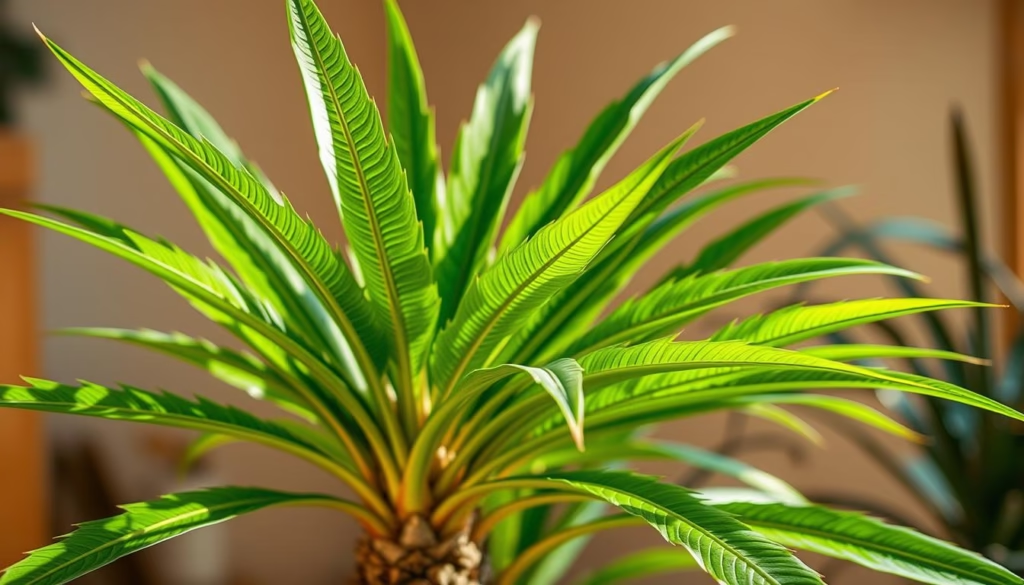
Caring for your Dragon Tree all year means changing your routine. This is key to keeping it healthy and looking good. We’ll cover winter and summer care, and how to adjust to light changes.
Winter Care Tips
Winter brings special needs for your Dragon Tree. Water it less to avoid root rot. Keep it away from cold drafts to prevent stress.
Boosting indoor humidity helps your tree stay healthy during winter.
Summer Care Considerations
Summer is when your Dragon Tree grows fast. Make sure it gets enough light. Water it more to keep it hydrated.
While sunlight is good, avoid direct sun to prevent leaf damage. Good summer care is key for its growth and life.
Adapting to Changes in Light
Light changes with the seasons. Check your Dragon Tree’s spot to make sure it gets the right light. This helps it stay healthy and grow all year.
Troubleshooting Common Issues
Owning a Dragon Tree can be rewarding but also comes with challenges. If you see leaf discolouration, stunted growth, or leaf drop, it’s key to understand the problems. This helps in fixing your Dragon Tree care.
Identifying Leaf Discolouration
Discolouration in your Dragon Tree, like yellow or brown leaves, shows deeper issues. These signs often come from too much water, not enough fertiliser, or too much sunlight. Regular checks can find the cause and keep your plant healthy. For more on dealing with these problems, check identifying leaf discolouration better.
Addressing Stunted Growth
Stunted growth in your Dragon Tree means looking at light, water, and food. Not enough light or bad pot conditions can stop growth. Changing these can make your plant grow better and look healthier.
Solutions for Dropping Leaves
Leaf drop can happen from sudden changes, bad watering, or pests. Fixing this with the right care can stop these signs. Regular care keeps your Dragon Tree healthy and reduces leaf drop.