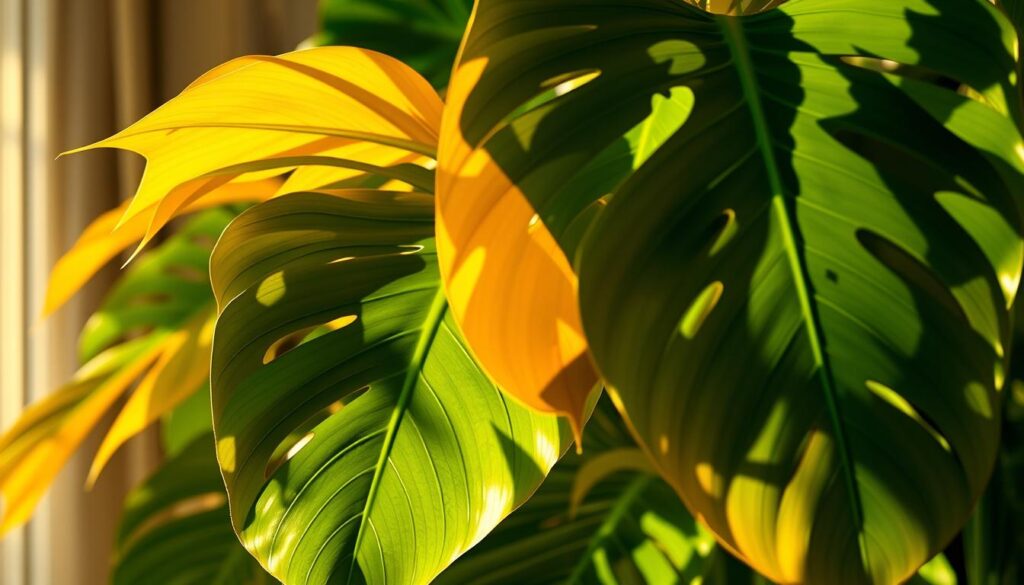
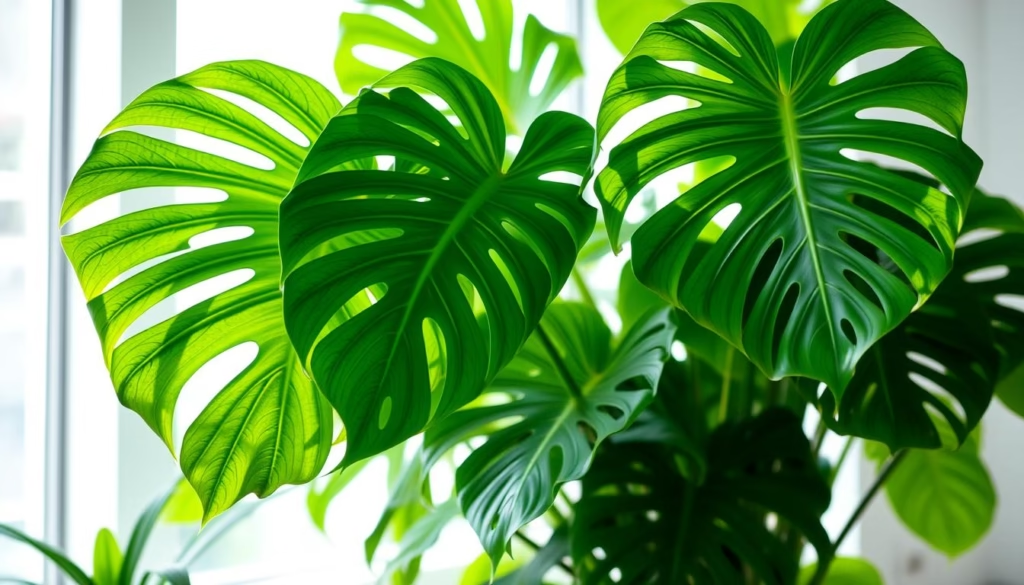
Ever wondered why the Monstera Deliciosa, or Swiss Cheese Plant, is so popular in UK homes? Its unique leaves and growth habits make it a favourite among plant lovers. This article will share key tips to help your Monstera thrive, making you a skilled gardener and beautifying your home.
The Monstera plant’s growing fame shows its adaptability and beauty. As you learn about Monstera Deliciosa care, you’ll find out how to create the best conditions for it. Let’s start this journey to make your Monstera a highlight of your indoor space.
Key Takeaways
- Learn how to create the perfect environment for your Monstera Deliciosa.
- Understand the light, temperature, and humidity requirements specific to this plant.
- Discover the best potting mix and pot size for optimal growth.
- Get tips on watering, including signs of over and underwatering.
- Find out the ideal fertiliser types and feeding schedule.
- Know when and how to prune your Monstera for healthy development.
- Explore propagation methods to expand your Monstera collection.
Understanding Monstera Deliciosa
The Monstera Deliciosa is a standout in indoor plants. It’s known for its unique features and eye-catching look. Often called the Swiss Cheese Plant, it comes from Central and South America’s lush, humid areas.
What is Monstera Deliciosa?
Monstera Deliciosa is famous for its beautiful leaves. It can grow up to 10 feet tall in its natural home. The name “delicious monster” suggests it can grow edible fruit, but this is rare.
Its leaves have holes, or fenestrations, which let sunlight through. This is both beautiful and practical, helping the plant grow well.
Unique Features of the Swiss Cheese Plant
The Swiss Cheese Plant is loved for its big, shiny leaves. These leaves have holes that catch sunlight, making the plant look unique. This feature makes the Monstera a talking point in any room.
Ideal Growing Conditions for Monstera
Your Monstera plant loves environments like its tropical home. Knowing what it needs for growth will make it healthier and more beautiful. Make sure it gets the right Monstera plant light needs, temperature, and humidity for a lush look.
Light Requirements
Monstera plants do well in bright, indirect light. They can handle a bit of direct morning sun, which helps their leaves grow strong. But, too little light can make them stretch out, ruining their look. Place your Monstera near a window for the best light.
Temperature Preferences
The right temperature for Monstera is key for its growth. It loves temperatures between 18°C and 30°C. Keep it away from cold spots, like drafty areas, to help it grow well.
Humidity Levels
Monstera plants need more moisture to thrive. Aim for 40-60% relative humidity to keep them healthy. Using a humidifier can help, which is great for dry homes. This care helps your Monstera grow its stunning leaves.
By giving your Monstera the best conditions, you’ll make it a vibrant part of your home. For more tips, check out this article on why Monstera leaves turn yellow. Taking care of these details will make your plant last longer and look better.
| Condition | Optimal Range |
|---|---|
| Light | Bright, indirect light with some morning sun |
| Temperature | 18°C to 30°C |
| Humidity | 40% to 60% |
Choosing the Right Pot and Soil
To make your Monstera Deliciosa thrive, focus on the right potting mix and pot size. The right mix and size are key to your plant’s health and growth.
Best Potting Mix for Monstera
The best mix for Monstera is full of organic matter and drains well. It should include:
- Peat – gives nutrients and holds moisture.
- Perlite or lava rocks – improves air and water flow.
- Coconut coir – adds texture and keeps moisture.
This mix prevents water from staying too long, which can harm the roots. Look for a mix that balances moisture and drainage.
Pot Size Considerations
Choosing the right pot size is vital for your Monstera’s roots. Pick a pot that’s 1-2 inches bigger than the current one. This size prevents too much water from staying in the soil.
Also, think about the pot material. Terracotta pots let moisture evaporate faster, while plastic pots hold it longer. Choose based on how often you water your Monstera.
Watering Your Monstera Deliciosa
Understanding your Monstera Deliciosa’s water needs is key to its care. A regular watering schedule is vital for a healthy plant. Water your Monstera every 1-2 weeks, letting the top couple of inches of soil dry out first. This prevents root rot, a common issue for indoor plants.
How Often to Water
Lighter conditions might mean more frequent watering. Paying close attention to your plant’s environment helps you find the right watering time. For more tips on Monstera care, check out this resource.
Signs of Overwatering and Underwatering
Knowing the signs of water stress in Monstera is important. Underwatering shows as droopy leaves and dry soil, meaning your plant needs water. Yellow leaves, on the other hand, often mean too much water. Keep an eye out for these signs to adjust your watering schedule.
Fertilising Your Monstera Plant
Proper fertilisation is key to your Monstera Deliciosa’s growth and health. To keep it lush and green, follow the best Monstera fertiliser tips all year. During the growing season, use a balanced, water-soluble fertiliser every 2-4 weeks. This will make your Monstera thrive.
Ideal Fertiliser Types
The top fertilisers for Monstera are those with nitrogen, phosphorus, and potassium, or NPK. A 20-20-20 ratio is great for healthy leaves and strong growth. Organic choices like fish emulsion or liquid seaweed are also good. They give nutrients and help the soil. Always check the instructions for how to use them right.
Feeding Schedule
It’s important to fertilise your Monstera regularly. Fertilise every two weeks from spring to early autumn. In winter, when it’s colder, fertilise once a month. This stops the soil from getting too much fertiliser.
Pruning Your Monstera Deliciosa
Pruning your Monstera Deliciosa is key to keeping it healthy and looking great. Regular pruning boosts new growth and shapes the plant. It also removes any dead or ugly leaves. Knowing when and how to prune will keep your plant vibrant.
When to Prune
Prune your Monstera in spring or summer, when it’s growing. This helps it heal fast and grow new leaves. Remove any sick stems or leaves right away. Pruning in winter can slow down the plant’s recovery.
Techniques for Effective Pruning
Start by using clean, sharp pruners. This prevents infections. When pruning, cut just above a node. This encourages new growth from the cut area. Regular checks help spot areas needing attention, keeping your Monstera healthy and beautiful.
By following these tips, your Monstera will thrive. It will look great and grow well. Proper care is essential for a healthy plant. For more tips, visit this resource.
Repotting Your Monstera
Repotting your Monstera is key to keeping it healthy and vibrant. Knowing when to repot can greatly affect its growth. You should repot every 1-2 years, mainly when you see roots coming out of the holes or the plant is too tight in its pot. Signs like slower growth or roots circling the pot mean it’s time to repot.
Signs It’s Time to Repot
There are several signs that show your Monstera needs a new pot. Watch for these:
- Roots visibly growing out of the drainage holes
- Diminished growth or yellowing leaves
- Soil dries out too quickly after watering
- The pot feels top-heavy or unstable
Step-by-Step Repotting Guide
Following the right steps for repotting your Monstera will help it grow well. Here’s a simple guide:
- Choose a pot that is one size larger with good drainage holes.
- Prepare fresh potting soil, ideally a mix that retains moisture while allowing good drainage.
- Carefully remove the Monstera from its current pot. Gently tease apart any roots if they are tightly bound.
- Place the plant into the new pot and add soil around the roots, ensuring the plant sits at the same depth as before.
- Water lightly, allowing excess to drain. Place in a warm, well-lit spot, but avoid direct sunlight for a few days.
Propagating Monstera Deliciosa
Propagating Monstera Deliciosa is a fun way to grow your plant family. You can try stem cuttings or air layering. Each method has its own benefits, making it easy to find the right one for you.
Methods of Propagation
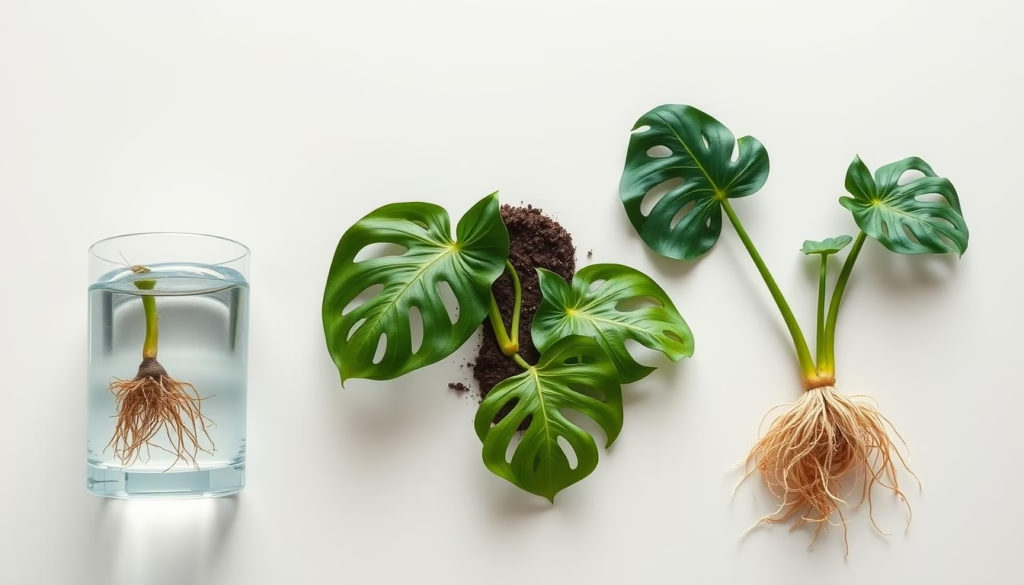
Stem cuttings and air layering are the top choices for Monstera propagation. For stem cuttings, pick a healthy stem with a node. This node is key for root growth. You can put your cuttings in water or moist soil to help them grow.
Air layering is a bit longer but can be very rewarding. It involves making roots on a stem while it’s attached to the plant. Both methods can lead to healthy new plants if done right.
Care for Propagated Cuttings
It’s vital to care for Monstera cuttings well for them to thrive. Start by placing them in bright, indirect light. This helps them grow without getting sunburned. Keep the soil damp but not too wet, as this can cause rot.
When your cuttings start growing, move them to their own pots. Keep giving them the right conditions as they grow.
Dealing with Pests and Problems
Monstera plants are usually tough, but they can get pests and sickness. Keeping an eye out for pests and signs of trouble is key. Knowing the common problems with Monstera helps keep your plant healthy.
Common Pests to Watch For
Look out for mealybugs, spider mites, and aphids on your Monstera. These pests can really harm your plant, causing colour changes and leaf loss. Check your plant often, paying attention to the underside of leaves where pests like to hide.
If you find pests, act fast. Neem oil or insecticidal soap can help get rid of them without hurting your plant.
Solutions for Common Issues
Monstera plants can also face problems like brown or yellow leaves. This might mean they’re getting too much or too little water, or not enough light. Make sure your plant gets enough indirect light, as this is good for its leaves.
If pests are a problem, check out this resource for tips on how to manage them.
| Pest | Symptoms | Control Method |
|---|---|---|
| Mealybugs | White cottony masses on leaves | Neem oil or insecticidal soap |
| Spider mites | Fine webbing and stippled leaves | Increase humidity and spray with miticides |
| Aphids | Distorted or curled leaves | Use insecticidal soap or neem oil |
Being proactive with Monstera pest control helps your plant stay healthy and beautiful. Deal with any problems quickly, and your Monstera will thrive for many years.
Monstera Deliciosa and Pet Safety
Keeping your pets safe is key when you have houseplants. Monstera Deliciosa can be harmful. Knowing the risks helps you make better choices for your home.
Monstera toxicity to pets can cause problems if they eat it. It’s important to understand this.
Is Monstera Safe for Pets?
Monstera Deliciosa has calcium oxalate crystals. These can irritate a dog or cat’s mouth. Signs include drooling, vomiting, and mouth swelling.
To keep your pets safe, keep Monstera out of their way. Even though the fruit is safe for people, the plant is not for pets.
Alternatives for Animal-Friendly Homes
Worried about Monstera’s dangers? Choose pet-friendly plants instead. Boston ferns, spider plants, and calathea are safe and pretty.
They add beauty without risk. For more pet-safe plants, check out this guide.
Creating a Stunning Indoor Display
Turning your home into a tropical paradise is possible with the right Monstera plants. Choose plants that look good with Monstera and need similar care. This way, you can make a beautiful indoor garden that catches the eye and helps plants grow well.
Best Companion Plants for Monstera
Pothos, peace lilies, and philodendrons are great with Monstera. They add to the beauty and need similar light and humidity. For example, pothos loves bright, indirect light but can handle less light too, just like Monstera.
When setting up your indoor garden, think about each plant’s needs. Pairing Monstera with these plants will make your space look better and help all plants grow well together. With the right plants, your home will feel lush and lively, making everyone happy.