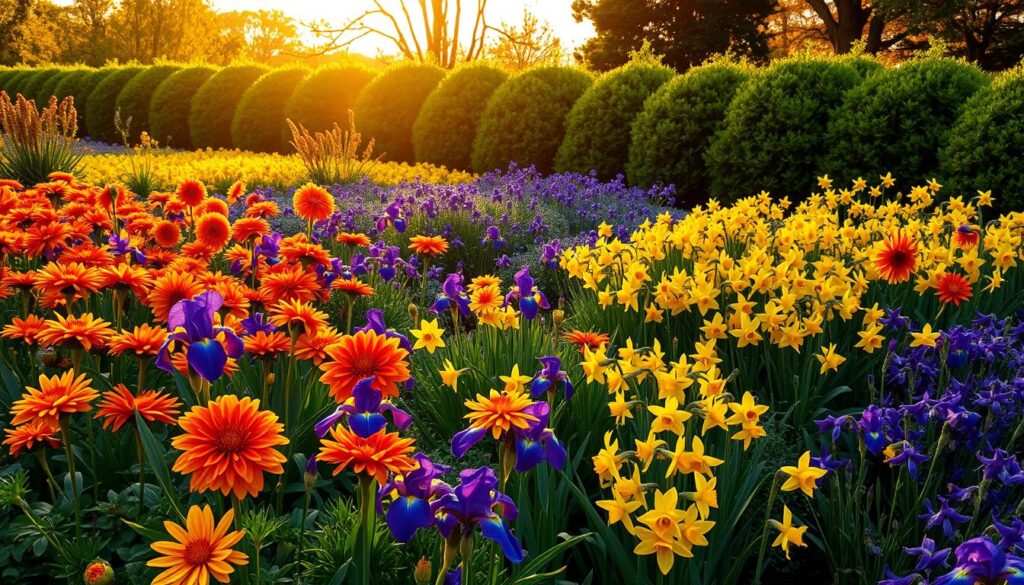
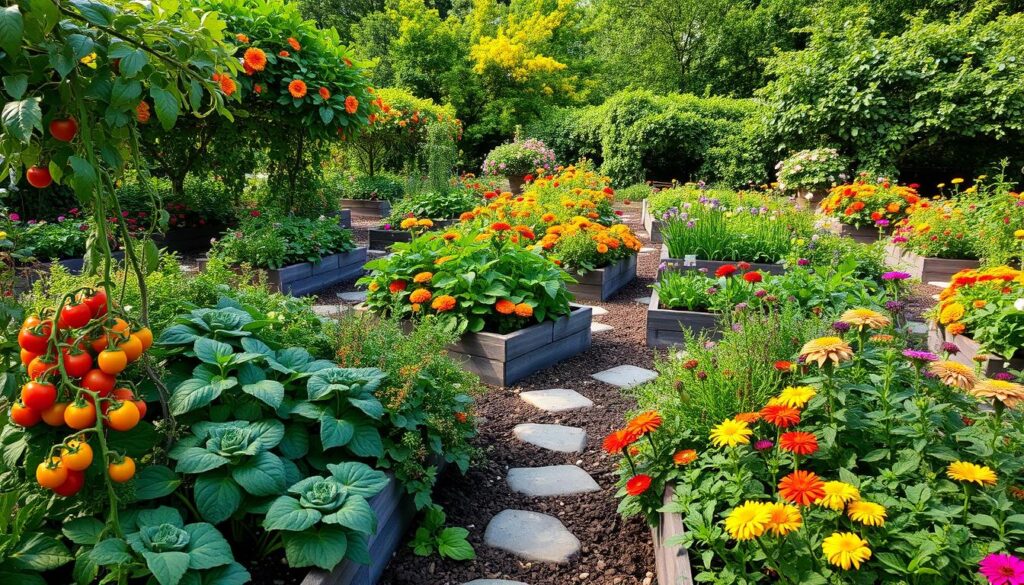
Ever thought about mixing edibles and ornamentals in your garden? It’s not just about looks. It makes your garden stronger and more balanced. This mix of plants helps your garden grow better and stay healthy.
By blending these plants, you help nature thrive. Your garden becomes a place of beauty and health. It’s not just pretty; it’s a safe haven for wildlife.
Key Takeaways
- Mixing edibles and ornamentals boosts garden resilience.
- Diversity in plants supports healthier ecosystems.
- Combining functional and decorative plants enhances visual appeal.
- Improved plant health results from integrated gardening practices.
- Biodiversity is vital for thriving gardens and sustainable growth.
Understanding Edibles and Ornamentals
Knowing the difference between edible and ornamental plants makes gardening more fun. Both types have their own uses and can look great together in your garden. They add beauty and usefulness to your outdoor space.
Defining Edible Plants
Edible plants are those you can eat, like fruits, leaves, or flowers. You can grow everything from tomatoes and carrots to strawberries and apples. Herbs like basil and mint are also edible. They’re great for adding variety to your garden.
What Makes a Plant Ornamental?
Ornamental plants are chosen for their looks, like colour, shape, and texture. Think of marigolds with their bright flowers or ornamental cabbages with their unique shapes. They make your garden look beautiful and are key to any garden design.
Benefits of Both in Your Garden
Having both edible and ornamental plants in your garden is a win-win. Ornamental plants make your garden look stunning, while edible plants give you fresh food. This mix also brings in beneficial insects, making your garden healthier and more productive. It’s a great way to make your garden better for you and the environment.
| Type | Examples | Benefits |
|---|---|---|
| Edible Plants | Tomatoes, Basil, Strawberries | Provides food, enhances nutrition |
| Ornamental Plants | Marigolds, Ornamental Cabbage | Enhances visual appeal, attracts pollinators |
| Combined Benefits | Mixed Plantings | Increases biodiversity, attracts beneficial insects |
The Importance of Biodiversity
Biodiversity is key to a healthy garden. It makes your garden strong and resilient. By having many different plants, your garden fights off pests and diseases better.
More plants mean a better balance in your garden. Each plant adds its own special touch to the garden’s ecosystem.
How Diversity Enhances Garden Health
A diverse garden is a strong ecosystem. It has many plants working together. This makes the soil better, holds water, and moves nutrients around.
Every plant does something special. They make the soil richer and create homes for other creatures. This makes your garden full of life.
The Role of Companion Planting
Companion planting is a smart way to garden. It’s about growing plants together for their mutual benefit. Some plants grow better together, while others keep pests away.
For example, marigolds can keep insects from bothering your veggies. This makes your garden a healthier place.
Attracting Beneficial Insects
It’s important to welcome helpful insects into your garden. Plants like lavender and borage attract bees and butterflies. These insects are vital for your plants to grow and produce fruit.
This not only helps your plants but also makes your garden a lively place.
| Plant Type | Benefits | Example Companions |
|---|---|---|
| Flowering Plants | Attract pollinators | Lavender, Borage |
| Herbs | Repel pests and attract beneficial insects | Basil, Oregano |
| Vegetables | Improve soil health | Tomato, Carrot |
Visual Appeal of Mixed Gardens
Adding a mix of plants to your garden boosts its look and usefulness. By mixing colourful plants with different shapes and textures, you create a beautiful and practical space. This way, your garden is not just pleasing to the eye but also serves many purposes.
Creating a Beautiful Yet Functional Space
Your garden can show off your style while being useful. Include tasty plants like colourful tomatoes and purple basil, alongside pretty grasses or herbs. This mix makes your garden both lovely and useful.
Colour and Texture Variations
Using many colours and textures makes your garden more appealing. Lush greens, bright oranges, and deep purples create a beautiful scene. Add plants with unique leaves and colours to make your garden more interesting.
Seasonal Interest Throughout the Year
Choose plants that bloom at different times to keep your garden interesting all year. Pick early bloomers like crocuses and late bloomers like asters. Use plants with attractive leaves or evergreens to keep your garden looking good even in cold months.
Enhancing Food Security
In today’s world, making food more secure is very important. Growing your own food gives you fresh produce and helps your community. Edible landscapes mix beauty with usefulness.
Growing Your Own Food
Starting a home garden lets you grow what you like. It makes you less reliant on supermarkets. You control the food’s quality, keeping it chemical-free.
This lifestyle feeds your body and connects you with the earth.
Reducing Dependence on Supermarkets
Creating an edible landscape cuts down on supermarket use. It helps local economies and is good for the planet. It saves money and strengthens community bonds through local food.
This change helps reduce supermarket reliance and builds community ties.
Sustainable Practices
Using sustainable gardening is key for healthy gardens. Methods like permaculture and organic gardening are good for the environment. They save resources and protect ecosystems, ensuring food security for the future.
These practices help you bond with your garden and the world around you.
Pest Management through Diversity
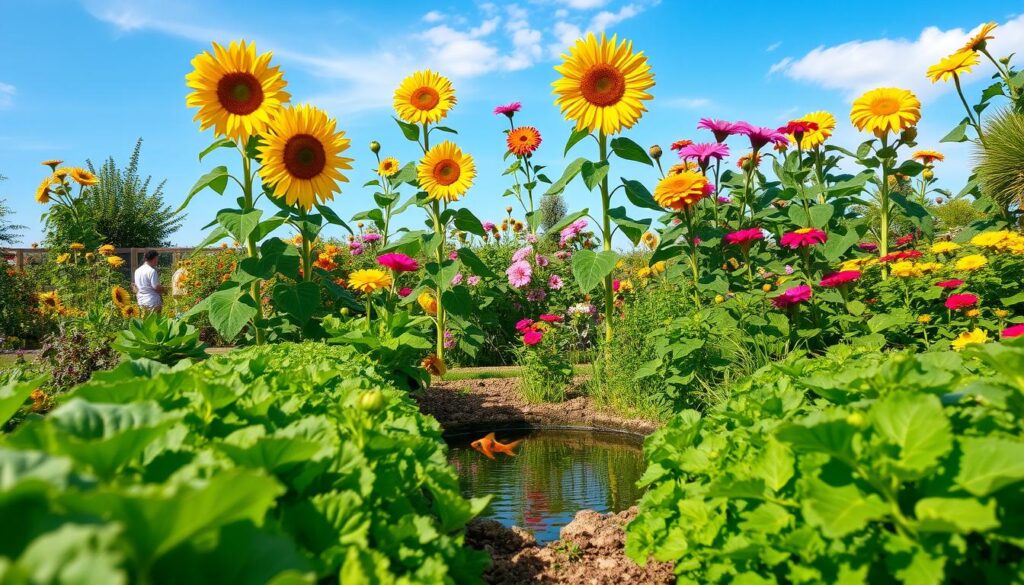
Using different plants in your garden can help manage pests naturally. This approach lets some plants hide the scent of others. It also attracts helpful insects like ladybirds and lacewings, which fight pests. This method is good for the environment and keeps your garden healthy.
Natural Pest Deterrents
Diverse gardens can keep pests away. Some plants release smells that confuse or scare off bad insects. For example, marigolds keep aphids and nematodes away, making them great for both food and flowers. Garlic and chives also help when planted near your crops.
Keeping Pests in Check
Having a diverse garden helps control pests. Growing many plants together can stop pests from multiplying. Watching your garden and adding helpful insects when needed also helps manage pests.
The Balance Between Edibles and Ornamentals
It’s important to balance food and flowers in your garden. This mix makes your garden look good and keeps pests away. Choosing plants wisely helps your garden grow well and stay diverse.
| Plant Type | Pest Deterrent Benefits | Examples |
|---|---|---|
| Herbs | Repel insects with strong scents | Basil, Mint, Dill |
| Flowers | Attract beneficial insects | Marigolds, Nasturtiums |
| Vegetables | Mask scents of target crops | Garlic, Onions |
Soil Health and Nutrient Cycling
In mixed gardens, different plants work together to make the soil better. This mix not only makes the soil richer but also helps nutrients move around. As plants grow and then break down, they add to the soil’s health, making it strong.
How Mixed Gardens Improve Soil Quality
Having many plants, like food and flowers, makes the soil come alive. The roots of these plants help water and nutrients get into the soil. This teamwork makes the soil better for growing things.
The Role of Cover Crops
Cover crops are key to keeping the soil healthy. They grow when there are no other plants and stop the soil from washing away. They also keep moisture in and add organic matter, which is good for the soil. Plants like clover and vetch help by adding nitrogen, which is great for other plants to grow.
Benefits of Composting Practices
Composting is important for a healthy garden. It turns kitchen and garden waste into something good for plants. This not only makes the soil better but also helps plants grow and stay healthy.
| Practice | Benefits |
|---|---|
| Mixed Planting | Enhances biological diversity and soil health |
| Cover Crops | Prevents erosion and adds organic matter |
| Composting | Recycles waste and enriches soil nutrients |
Climate Resilience in Your Garden
As climate change brings new challenges, making your garden resilient is key. A mix of plants helps your garden adapt to changing weather. This variety prepares your garden for droughts and frosts, keeping it thriving.
Adapting to Weather Changes
Weather patterns are getting more unpredictable. By choosing plants that can handle these changes, you make your garden more adaptable. A variety of species boosts climate resilience, helping your garden thrive in tough weather.
Drought Tolerance with Diverse Plantings
Drought-tolerant plants are a lifesaver in dry times. Lavender, rosemary, and succulents not only survive but grow well with little water. These plants work alongside hardier ones, keeping your garden lively, no matter the moisture.
Frost and Disease Resistance
Choosing disease-resistant plants protects your garden from pests and diseases. Some tomatoes and potatoes are bred to fight off common diseases. Pairing these with frost-tolerant plants keeps your garden productive all year round.
Tips for Successful Plant Pairing
Creating a thriving garden needs careful planning. Using good plant pairing strategies can make your garden lively and productive. Knowing your plants well helps you arrange them well, making the most of sunlight and space.
Choosing the Right Plants for Your Garden
Choosing plants that go well together is key. Look at how plants grow, their size, and what they need to grow. For example, mixing tall plants with short ones creates layers, helping all plants get sunlight.
Think about when each plant blooms. This way, your garden will always look interesting.
Considerations for Space and Sunlight
Sunlight is very important for plants to grow well. Check how much sunlight your garden gets. This helps you group plants by how much sunlight they need.
Make sure plants have enough room. This stops them from fighting for sunlight and nutrients.
Timing Planting for Maximum Benefit
When you plant is very important. Plant at the best times for each plant to grow well. Starting seeds indoors can help them grow strong before going outside.
Planting at different times means your garden will always have something to harvest.
Getting Started with Your Mixed Garden
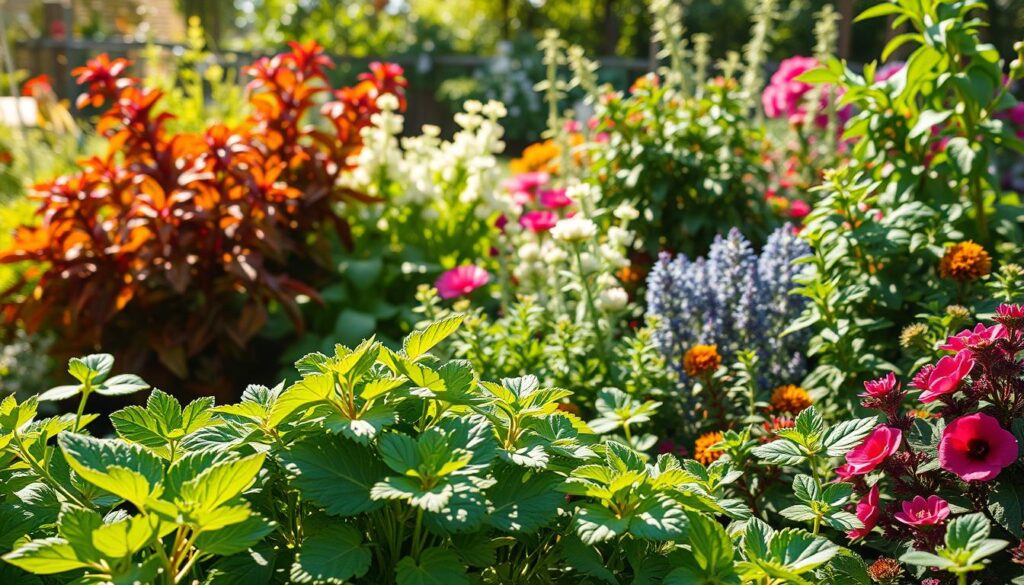
Starting your mixed garden is both thrilling and fulfilling. To get a beautiful and useful garden, planning is key. Think about the space you have. How much sunlight does it get? And how can plants work well together in height and spread?
Planning Your Garden Layout
A good garden layout makes your garden look great and keeps plants healthy. Draw a design with different zones for food and flowers. This makes it easy to care for your garden. Put tall plants in the back or centre, thinking about how they’ll affect sunlight.
Choosing Edibles and Ornamentals
Choose plants that grow well together. This means picking ones that need similar things to grow. Mix food plants like tomatoes with flowers like marigolds. This makes your garden look good and helps it stay healthy.
Maintenance Tips for Thriving Plants
Keeping your garden in top shape is important. Water regularly, mulch, and prune on time. This keeps plants healthy and stops them from getting too crowded. Check your plants for pests and diseases often. With the right care, your garden will be a joy to have!