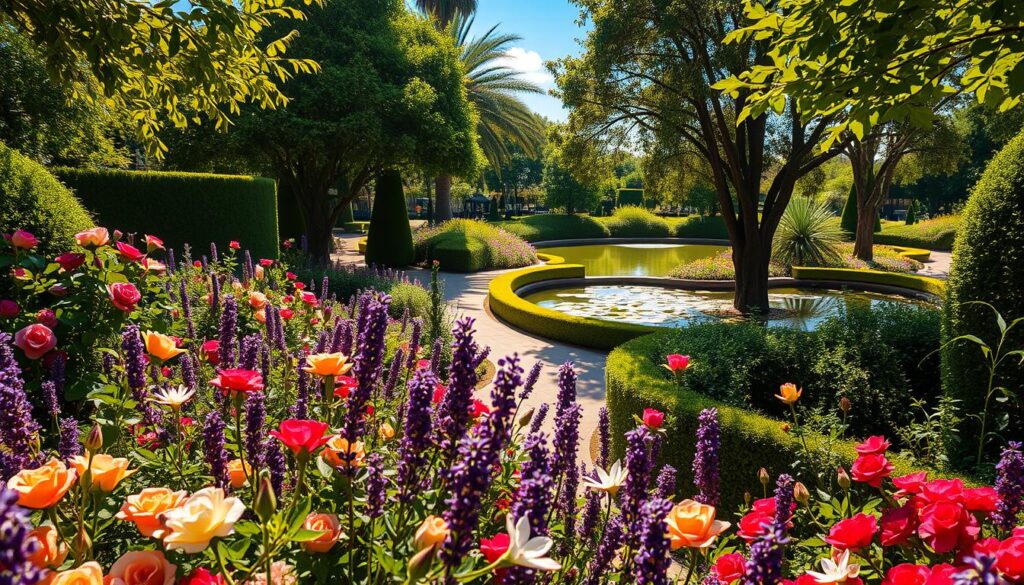
Have you ever walked through a garden and been drawn in by a scent? It’s like a magic trick that takes you somewhere else. Garden design is not just about looks; it’s about the amazing smells too. You’ll learn how to make your garden not just pretty but also full of wonderful smells all year.
Imagine walking into your garden and feeling happier right away. That’s what scents in gardening can do. You don’t need a big backyard or a fancy balcony to make your garden a sensory delight. It’s something everyone can do.
Key Takeaways
- Understanding the importance of scent can transform your garden experience.
- Choosing the right plants is essential for a fragrant garden across seasons.
- Factors like layout and plant grouping significantly affect the effect of scents.
- Night-scented plants can add an unexpected layer of enjoyment.
- Aroma enhances connections and encourages time spent outdoors.
Understanding the Importance of Scent in Your Garden
The role of scent in your garden is huge. It makes your space more enjoyable and helps your mental health. Adding fragrant plants can turn any garden into a special place that brings back memories and feelings.
Scent can change how you feel. Imagine walking into your garden and smelling lavender or lemon balm. These smells can make you feel better and help you relax.
For people with sight loss or dementia, scents are very important. They can bring back memories and help them connect with their surroundings. Your garden can become a peaceful place filled with good smells.
When picking plants for your garden, choose ones you like. Maybe you love jasmine’s sweet smell or rosemary’s earthy scent. Each plant adds something special to your garden’s feel and look.
By focusing on scent in garden design, you get a richer experience. Take your time to make your garden a place of peace and happiness. Enjoy spending time outside.
Choosing the Right Scented Plants for Every Season
Creating an aromatic garden means picking seasonal plants that bloom all year. This keeps your garden lively and fragrant, attracting visitors and pollinators. Think about adding different fragrant flowers for each season to your garden design. Here are some top picks for every season.
Seasonal Plant Selections
| Season | Plant | Fragrance |
|---|---|---|
| Winter | Winter Jasmine | Sweet, subtle scent |
| Spring | Lilac | Strong, fruity aroma |
| Summer | Lavender | Calming, floral fragrance |
| Autumn | Chrysanthemum | Earthy, spiced scent |
Choosing the right plants makes your garden look great and smell amazing. Enjoying these fragrant flowers turns your outdoor space into a sensory delight all year. Make sure to pick plants that fit your local climate, so they grow well.
Key Considerations When You Design a Garden
When planning a garden, several key considerations will significantly enhance your experience and the overall aesthetic of the space. Firstly, assess the layout and size of your site. Understanding the shape and dimensions allows you to strategically position scented plants without cluttering the design. It is essential to incorporate the existing features of your garden, such as trees or pathways, into your garden design to create a cohesive look.
Another important factor is sunlight exposure. Different plants have varying requirements for sunlight; some thrive in full sun while others prefer partial shade. For a garden filled with fragrant foliage, ensure you select your scented plants based on the amount of light available throughout the day. Soil type also plays a significant role in plant health. Conducting a soil test can provide vital information on acidity, drainage, and nutrient levels, further aiding your decisions when planning a garden.
The local climate merits careful consideration as well. Familiarising yourself with your area’s weather patterns will inform your choice of scented plants, ensuring they are suitable for your specific environment. Understanding how scent dynamics work will help in optimising the aromatic experience. Factors such as airflow and plant spacing impact how fragrances travel and combine in your garden.
By paying attention to these essential considerations, you can create a delightful aromatic haven that complements your home and lifestyle.
Creating a Fragrance Calendar for Your Garden
Creating a garden that smells wonderful all year needs a fragrance calendar. This helps you plan when to plant different scented plants. This way, your garden will always have something fragrant to enjoy.
In early spring, plant snowdrops, crocuses, scilla, and grape hyacinths for a sweet start. When summer comes, add lavender, rosemary, salvia, and thyme. These aromatic plants will fill your garden with a lively scent.
In autumn, add chrysanthemums and dianthys to keep your garden’s scent interesting. For winter, choose evergreens, holly, and sweet box. They’ll keep your garden smelling nice, even when it’s cold.
By making a fragrance calendar, you can have plants that bloom one after another. This makes your garden a mix of scents all year. Knowing what plants grow well in your area is key. Visit local nurseries or check gardening websites to learn more.
To make your garden even more special, add different fragrant plants to each area. This way, every part of your garden will have its own scent. It will feel like a true haven.
For more tips on making your garden smell amazing, check out this guide on planting a fragrant garden.
Incorporating Night-Scented Plants for Evening Enjoyment
Adding night-scented plants to your garden adds a special charm, best enjoyed in the evening. These plants attract humans and nocturnal pollinators, boosting your garden’s life. Moonflower and night-scented stocks are great picks, releasing lovely scents at dusk.
Place these plants where you like to hang out in the evening. They create a magical setting for chats or relaxing. Their evening fragrances make your outdoor space welcoming, encouraging you and friends to stay longer.
| Plant Name | Fragrance Timing | Ideal Growing Conditions | Notes |
|---|---|---|---|
| Moonflower | Dusk to Dawn | Well-drained soil, full sun | Attracts moths, stunning white blooms |
| Night-scented Stocks | Evening | Full sun, moderate watering | Sweet aroma, attractive to bees |
| Tobacco Plant | Evening | Full sun to partial shade | Unique scent, attracts moths |
| Night Jasmine | After sunset | Well-drained soil, partial shade | Intense fragrance, delicate flowers |
Choosing the right night-scented plants turns your garden into a fragrant paradise. It makes every evening a special moment. Think about these lovely options as you create your own magical garden, filled with enchanting scents.
Strategically Positioning Plants to Maximise Scent
Effective plant positioning is key to a fragrant garden. By placing aromatic plants wisely, you boost their scent. This makes your garden a treat for the nose for all who visit.
Place fragrant plants near where you sit or walk. This way, their scent wraps around you. Lavender and jasmine near benches or dining areas welcome guests with a sweet smell.
Think about airflow too. Plants need breezes to spread their scent. Don’t overcrowd, as this can mix scents in a bad way. Instead, group plants with similar scents together. This creates a balanced and interesting smell.
The table below shows some scented plants and where to put them for the best smell:
| Plant | Best Positioning | Companions |
|---|---|---|
| Lavender | Near pathways or seating | Rosemary, thyme |
| Jasmine | Fences or trellises | Climbing roses, honeysuckle |
| Roses | In garden beds with open space | Lavender, mint |
| Mint | Containers near seating areas | Chives, basil |
Follow these tips for plant positioning to make your garden a scent paradise. It will be a peaceful and fragrant place for everyone.
Grouping Plants: Avoiding Competing Scents
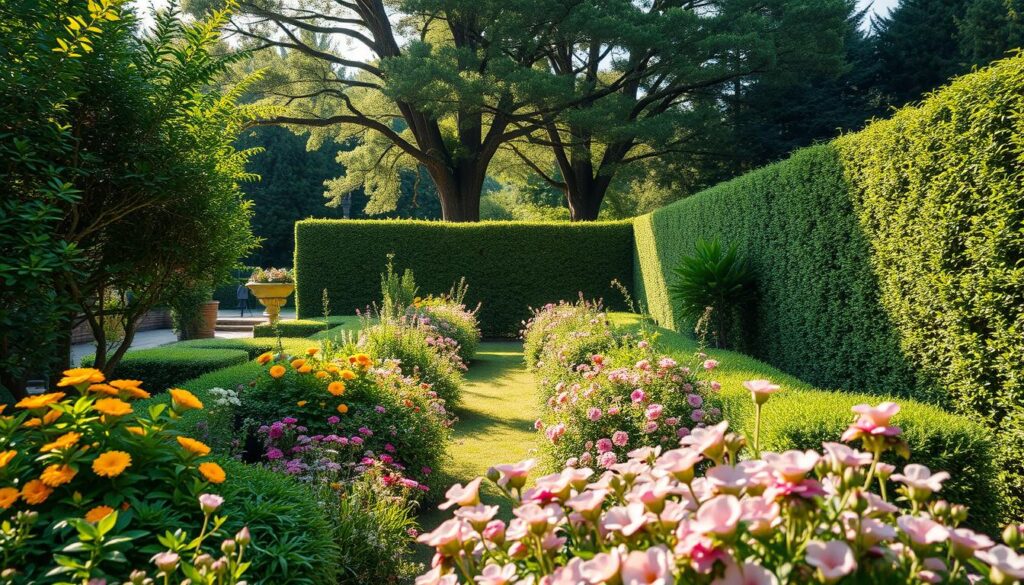
Creating a fragrant garden is more than picking scented plants. It’s about how you group them for harmonious smells. Pairing sweet flowers with herbs can make your garden a treat for the senses.
Plant fragrances work together in complex ways. Some smells can overpower others. It’s important to find a balance where each plant’s scent can be enjoyed fully. Try different groupings to see what works best for you.
Here are some scents that go well together:
| Plant Type | Fragrance Profile | Complementary Grouping |
|---|---|---|
| Lavender | Sweet, Floral | Mint, Rosemary |
| Jasmine | Rich, Exotic | Gardenia, Citrus Trees |
| Rose | Classic, Sweet | Sage, Lemon Balm |
| Eucalyptus | Fresh, Clean | Thyme, Basil |
Choosing the right plants can make your garden welcoming. Mix different scents to make your outdoor space more enjoyable.
Using Climbing Plants to Enhance the Aroma
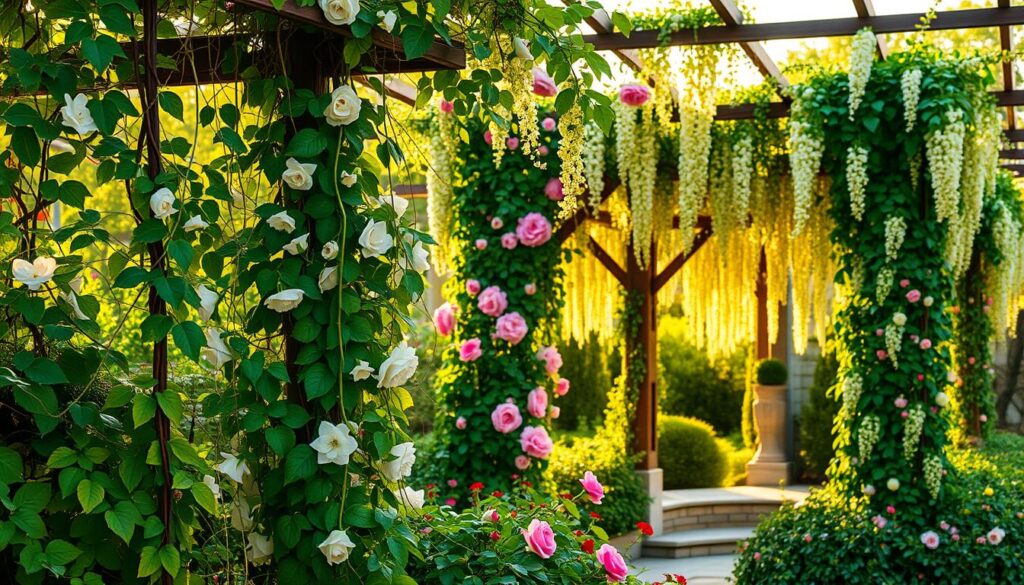
Adding climbing plants to your garden is a great way to boost the scent and make vertical spaces more interesting. Plants like jasmine and honeysuckle are not just pretty. They also have amazing smells that grab your attention.
To make the most of climbing plants, use trellises, arbors, or walls to support them. This not only adds to the smell but also brings height and depth to your garden. A climbing plant in the right spot can welcome visitors with a sweet scent.
Here are some key tips for using climbing plants:
- Pick plants that do well in your area so they grow strong and smell great.
- Make sure they have enough space to grow and spread their scent.
- Place them near where people sit or enter to greet them with a lovely smell.
| Climbing Plant | Aroma Strength | Best Growing Conditions |
|---|---|---|
| Jasmine | Strong | Full sun, well-drained soil |
| Honeysuckle | Moderate | Partial to full sun, moist soil |
| Wisteria | Subtle | Full sun, fertile soil |
By carefully choosing climbing plants, you can make your garden even more fragrant. It becomes a special place that delights the senses all year round.
Add an Element of Surprise with Aromatic Herbs
Aromatic herbs bring a surprise to your garden, adding layers of fragrance. Lavender, rosemary, and mint are not just for cooking. They make your herb garden smell amazing. Place them in spots where you can enjoy their scents.
Lavender near entryways or sitting areas is lovely. Its scent is perfect for relaxing outdoors. Rosemary’s strong smell keeps pests away and adds to your garden’s charm. Mint, often forgotten, adds a refreshing touch to your garden.
Adding these herbs to your garden design is exciting. Put them in unexpected places, like along paths or in flower borders. This way, you create surprises for everyone. Here are some top aromatic herbs to consider:
| Herb | Fragrance Type | Best Uses |
|---|---|---|
| Lavender | Floral, calming | Entryways, borders |
| Rosemary | Woodsy, strong | Cooking, pest deterrent |
| Mint | Fresh, invigorating | Containers, mixed borders |
By adding aromatic herbs to your garden, you make it more beautiful and fragrant. It becomes a welcoming place for everyone.
Design a Garden with Thoughtful Layout Around Key Features
Creating a garden layout that enhances sensory experiences is key for a fragrant garden. Thoughtful design can make your space more beautiful and aromatic. By placing seating areas and water elements wisely, you can make your garden more fragrant.
Placing perfumed plants near these features lets their scent fill the air. This is perfect for when guests relax or explore. Here are some tips for adding key features to your garden:
- Seating Areas: Place fragrant plants like roses or jasmine close by. This lets their scent reach your seating spots.
- Water Elements: Put aromatic plants like mint or lavender around water features. This boosts the sensory experience.
- Pathways: Line paths with scented plants. This creates a lovely aroma as you walk through your garden.
These design tips help create a cohesive and enjoyable space. The mix of beauty, sound, and scent turns your garden into a captivating retreat. A well-thought-out garden layout makes every visit special with delightful fragrances.
Conclusion
Creating a garden that delights the senses makes your outdoor time even better. By choosing fragrant plants carefully, you make a space that looks and smells amazing. Imagine walking into a garden filled with scents, where every step is a new discovery.
When picking scents, think about how they will work together. Lavender in spring and thyme in winter can make your garden special. A garden that looks good and smells great is a place you’ll always want to visit.
Your garden becomes a special place, full of life and change. With careful planning and creativity, you can make a garden that smells wonderful all year. Every visit will be a treat for your senses.