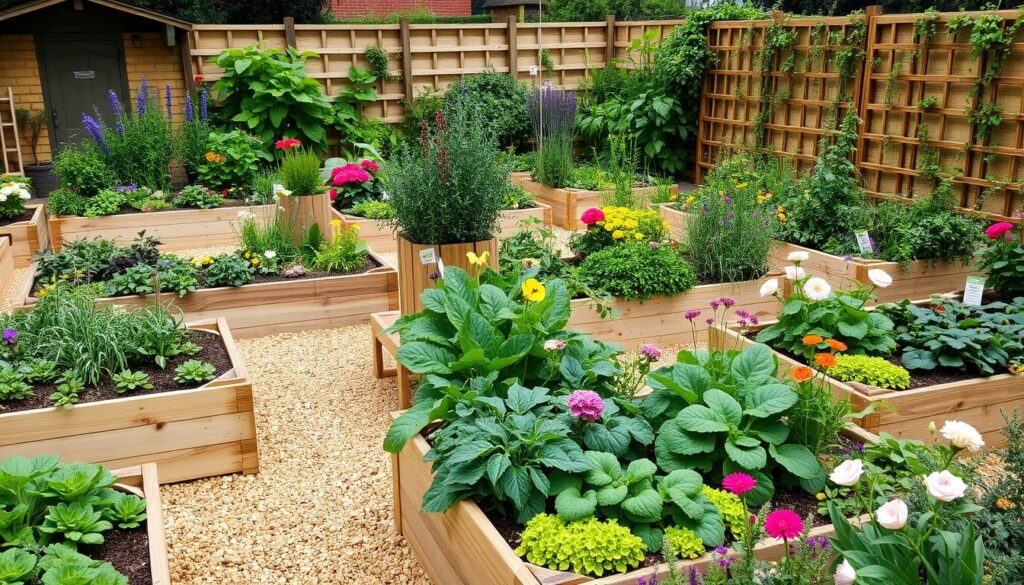
Whether you’re working with a small urban plot or have sprawling countryside space, this guide will help you create a kitchen garden that thrives in the UK’s unique climate while delivering a continuous harvest of fresh, flavourful produce throughout the seasons. We’ll explore everything from thoughtful layout planning to companion planting strategies that will help your garden flourish with minimal intervention.
What Makes a Productive Kitchen Garden?
A well-designed kitchen garden balances beauty and productivity
A productive kitchen garden is more than just a place to grow vegetables—it’s a thoughtfully designed space that combines beauty with utility. Unlike traditional vegetable plots that focus solely on maximum yield, a kitchen garden embraces a more holistic approach, integrating ornamental elements with edible plants.
The concept draws inspiration from the French “potager” tradition, where vegetables, herbs, fruits, and flowers grow together in an organized yet artistic arrangement. What sets a kitchen garden apart is its emphasis on continuous harvesting of small amounts throughout the growing season, rather than producing large quantities for storage.
In the UK climate, a productive kitchen garden needs to account for our variable weather patterns, making the most of our growing season while incorporating elements that extend harvests into autumn and winter. The most successful kitchen gardens incorporate:
- A mix of annual and perennial edibles for year-round interest
- Companion planting to naturally deter pests and attract beneficial insects
- Vertical elements to maximize growing space
- Structured design that makes maintenance manageable
- Succession planting for continuous harvests
Whether you’re working with a small urban plot or have more space to play with, the principles remain the same—create a garden that’s both beautiful and bountiful, tailored to your household’s needs and preferences.
Layout Planning: Creating Your Kitchen Garden Blueprint
A well-planned layout is essential for an efficient kitchen garden
The success of your kitchen garden begins with thoughtful planning. Taking time to consider the layout before breaking ground will save countless hours of work later and result in a more productive space.
Finding the Perfect Spot
In the UK’s often cloudy climate, maximizing sunlight is crucial. Most vegetables and herbs need at least 6 hours of direct sunlight daily to thrive. Use these guidelines when selecting your kitchen garden location:
- Choose a south or southwest-facing position where possible
- Observe your garden throughout the day to identify sunny spots
- Consider proximity to the kitchen for easy harvesting
- Ensure good drainage—avoid areas where water pools after rain
- Provide shelter from strong winds that can damage plants
Zoning Your Kitchen Garden
Organizing your garden into zones based on plant needs and harvesting frequency creates an efficient space that’s easier to maintain:
Zone 1: Daily Access
Place herbs, salad leaves, and frequently harvested crops closest to your kitchen door. These plants benefit from regular attention and are often needed while cooking.
Zone 2: Weekly Harvest
Position vegetables like courgettes, beans, and tomatoes that need regular harvesting but not daily attention in the middle zone of your garden.
Zone 3: Occasional Harvest
Reserve outer areas for crops that require less frequent attention, such as potatoes, onions, and root vegetables that are harvested all at once.
Zone 4: Perennial Area
Dedicate a separate section to perennial crops like fruit bushes, rhubarb, and asparagus that will remain in place for years.
Path Planning
Well-designed paths are essential for access and maintenance. In the UK’s often damp climate, consider these options:
- Gravel paths provide excellent drainage and prevent mud
- Wood chip paths are affordable but need replenishing annually
- Brick or stone paths add structure and character
- Ensure paths are at least 60cm wide for comfortable access
Remember that your kitchen garden should be both functional and inviting—a place you want to spend time in. Incorporate seating areas where possible to encourage regular garden visits for maintenance and harvesting.
Crop Rotation: Maintaining Soil Health Year After Year
A simple four-year rotation plan helps maintain soil fertility
Crop rotation is a cornerstone of productive kitchen gardening, helping to maintain soil health and reduce pest and disease problems. By changing what you grow in each bed each year, you prevent the buildup of crop-specific pests and diseases while balancing nutrient demands on your soil.
A Simple Four-Year Rotation Plan for UK Gardens
This straightforward rotation system divides vegetables into four main groups based on their growing requirements and botanical families:
| Year | Group | Examples | Soil Requirements |
| Year 1 | Legumes | Peas, beans, broad beans | Add compost; neutral pH |
| Year 2 | Brassicas | Cabbage, kale, broccoli, cauliflower | Add lime; firm soil |
| Year 3 | Root Crops | Carrots, parsnips, beetroot, onions | No fresh manure; loose soil |
| Year 4 | Fruiting Vegetables | Tomatoes, courgettes, squash, potatoes | Rich, fertile soil; add compost |
This rotation works because each plant group has different nutrient requirements and affects the soil differently. Legumes fix nitrogen in the soil, which is then used by the nitrogen-hungry brassicas the following year. Root crops then follow, preferring soil that isn’t freshly manured, and finally, the heavy-feeding fruiting vegetables benefit from refreshed, nutrient-rich soil.
Implementing Rotation in Small Spaces
Even in compact kitchen gardens, you can practice rotation by dividing your space into sections. For very small gardens, consider a simplified three-year rotation combining some groups, or rotate crops within containers and raised beds.
Combining Edibles with Flowers: Beauty Meets Function
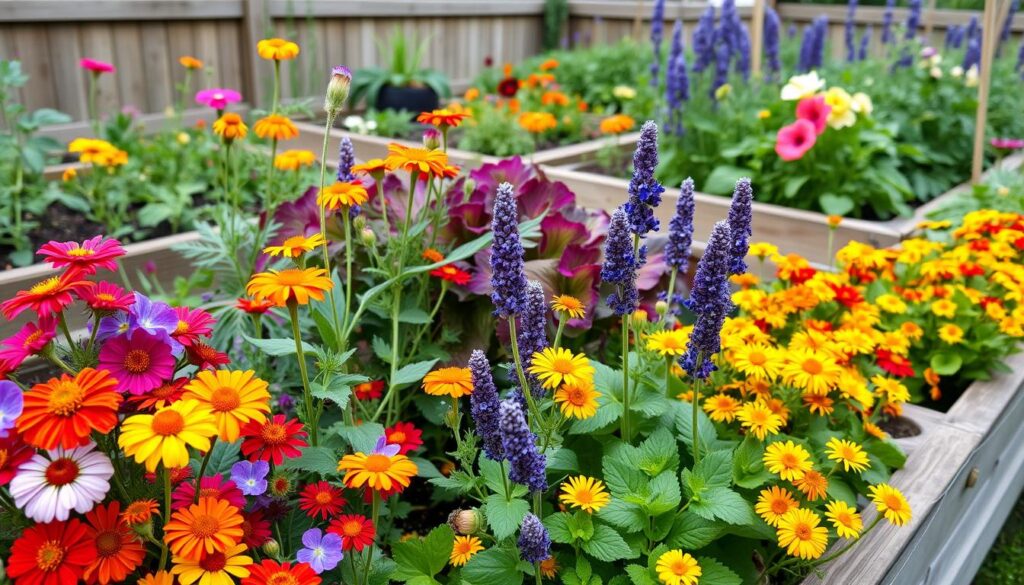
Flowers add beauty while attracting beneficial insects to your kitchen garden
Integrating flowers with vegetables creates a kitchen garden that’s not only more productive but also more visually appealing. This practice, known as companion planting, has been used for centuries to naturally deter pests, attract beneficial insects, and improve pollination.
Pollinator-Friendly Flowers for UK Kitchen Gardens
These flowering plants thrive in the UK climate and provide valuable support to your edible crops:
Calendula (Pot Marigold)
These bright orange and yellow flowers attract hoverflies that prey on aphids. Their petals are also edible, adding colour to salads.
Lavender
A UK garden staple that attracts bees and butterflies while repelling some pests. Plant along borders or pathways for structure.
Nasturtiums
These act as a sacrificial crop, attracting aphids away from your vegetables. Both flowers and leaves are edible with a peppery flavour.
Borage
The star-shaped blue flowers are excellent for attracting pollinators, particularly bees. They’re also edible with a cucumber-like flavour.
Sweet Alyssum
This low-growing plant attracts beneficial wasps that prey on pests. Use it as an edging plant or between vegetables.
Cosmos
Tall, airy flowers that attract beneficial insects without taking up much ground space. Perfect for adding height to your garden.
Design Tips for Combining Edibles and Flowers
Creating a harmonious blend of vegetables and flowers requires some design consideration:
- Use contrasting colours for visual impact (purple kale with orange calendula)
- Consider height when planting—tall flowers at the back, shorter ones at the front
- Plant flowers in clusters rather than single plants for greater impact
- Incorporate herbs that flower, such as chives, sage, and thyme
- Create dedicated cutting flower areas for indoor arrangements
Remember that many herbs produce beautiful flowers that support pollinators if allowed to bloom. Consider letting a few plants of basil, coriander, and dill flower at the end of their growing cycle.
Essential Planting Guides for UK Kitchen Gardens
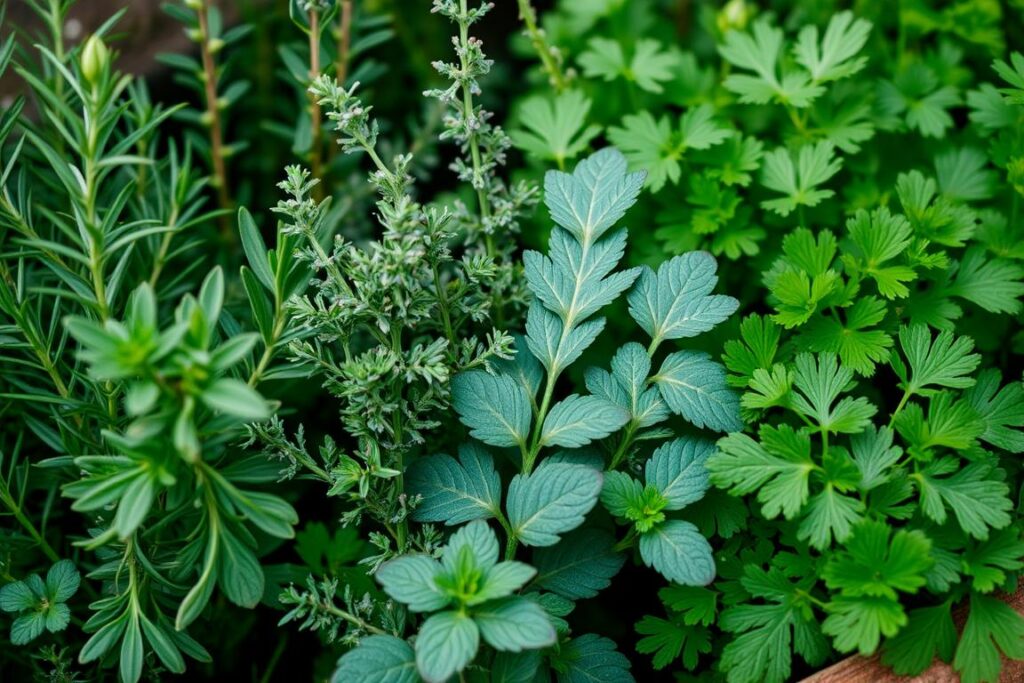
Herbs are essential components of any productive kitchen garden
Herb Planting Guide
Herbs are the foundation of a productive kitchen garden, offering flavour, fragrance, and often medicinal properties. These UK-hardy varieties will thrive in most gardens:
| Herb | When to Plant | Growing Conditions | Harvesting Tips |
| Rosemary | Spring (after frosts) | Full sun, well-drained soil | Harvest year-round; prune after flowering |
| Thyme | Spring | Full sun, poor to moderate soil | Regular picking encourages bushy growth |
| Mint | Spring | Part shade, moist soil | Grow in containers to prevent spreading |
| Parsley | Spring to early summer | Part shade, rich soil | Cut outer stems first; biennial plant |
| Chives | Spring | Sun or part shade, moist soil | Cut 2.5cm above ground; flowers are edible |
Vegetable Planting Calendar
Timing is everything when growing vegetables in the UK climate. This simplified calendar highlights key planting times for popular kitchen garden vegetables:
A seasonal planting calendar helps maximize your kitchen garden’s productivity
Fruit Bush Planting Guide
Fruit bushes are long-term investments that provide years of harvests. These varieties are particularly well-suited to UK kitchen gardens:
Blackcurrants
Planting time: Late autumn to early spring
Spacing: 1.5m between plants
Care: Prune in winter, removing old wood. Mulch annually with compost.
Harvest: July, picking entire trusses when berries are fully black.
Raspberries
Planting time: November to March
Spacing: 45cm between plants, rows 1.8m apart
Care: Support with wires. Summer varieties: cut fruited canes to ground after harvest. Autumn varieties: cut all canes to ground in February.
Harvest: Summer or autumn, depending on variety.
Gooseberries
Planting time: Late autumn to early spring
Spacing: 1.5m between bushes
Care: Winter pruning to maintain open goblet shape. Mulch in spring.
Harvest: June-July, picking green for cooking or allowing to ripen for dessert varieties.
When planning your fruit planting, consider the eventual size of bushes and trees. Most fruit benefits from a sunny position, though currants and gooseberries will tolerate partial shade, making them ideal for north-facing boundaries in your kitchen garden.
Design Elements: Creating Structure in Your Kitchen Garden
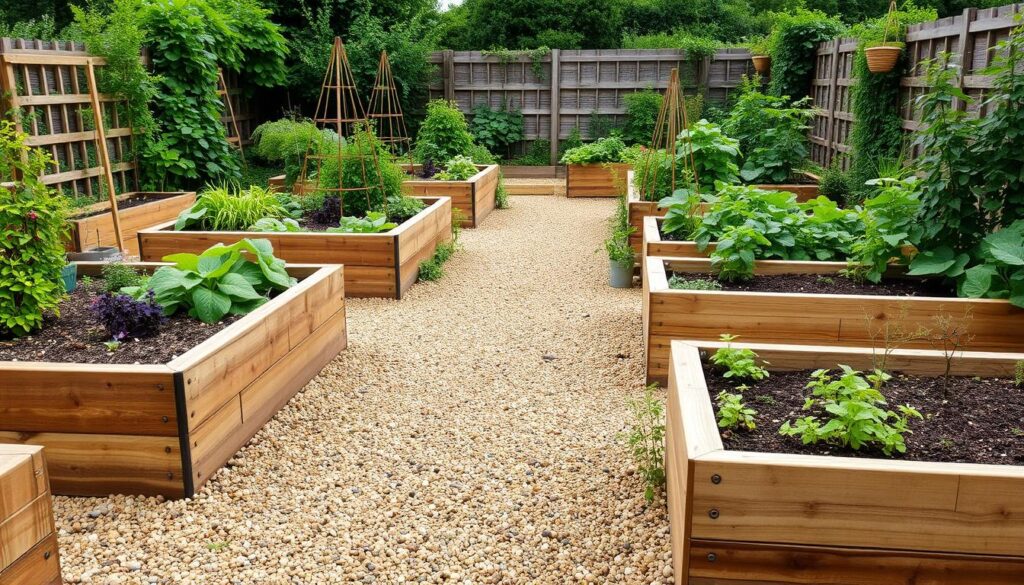
Structural elements create both organization and visual appeal
Raised Beds: The Foundation of Modern Kitchen Gardens
Raised beds offer numerous advantages for UK gardeners, including better drainage in our often-wet climate, warmer soil temperatures for earlier planting, and defined growing areas that help maintain organization.
Materials for Raised Beds
- Untreated hardwood (oak, sweet chestnut) – durable but expensive
- Railway sleepers – long-lasting but ensure they’re new, not creosote-treated
- Recycled plastic – maintenance-free and long-lasting
- Brick or stone – permanent and attractive
Optimal Dimensions
- Width: 1.2m maximum (allows access from both sides)
- Length: 2.4-3m (standard timber lengths)
- Height: 30-45cm (taller beds reduce bending)
- Paths: Minimum 60cm between beds
Pathways: Practical and Aesthetic Considerations
Well-designed paths are essential for access and maintenance in your kitchen garden. They also define the garden’s structure and contribute significantly to its appearance.
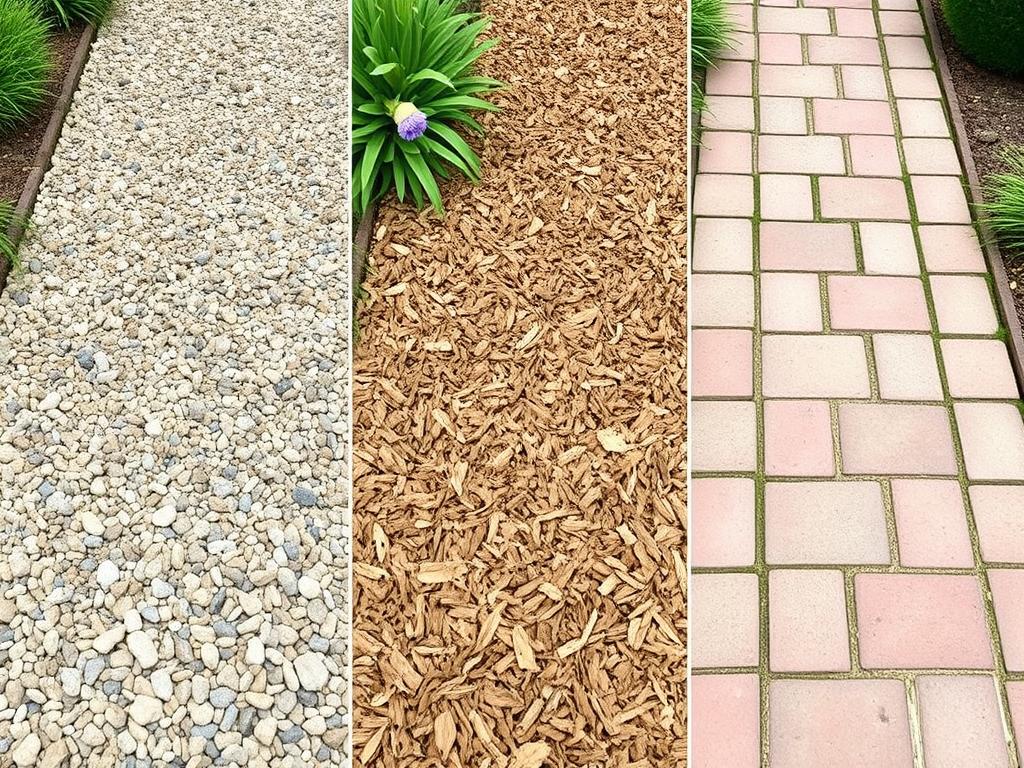
Different pathway materials offer varying benefits for kitchen gardens
Gravel Pathways
- Excellent drainage
- Weed-suppressing (with membrane underneath)
- Crunchy sound alerts to garden visitors
- Low maintenance
- Relatively inexpensive
Wood Chip Pathways
- Breaks down over time (enriching soil)
- Needs annual replenishment
- Can harbour slugs in wet conditions
- Very affordable, often free from tree surgeons
- Soft underfoot
Vertical Elements: Maximizing Space and Adding Height
Vertical growing structures are essential in a productive kitchen garden, allowing you to grow more in limited space while adding architectural interest.
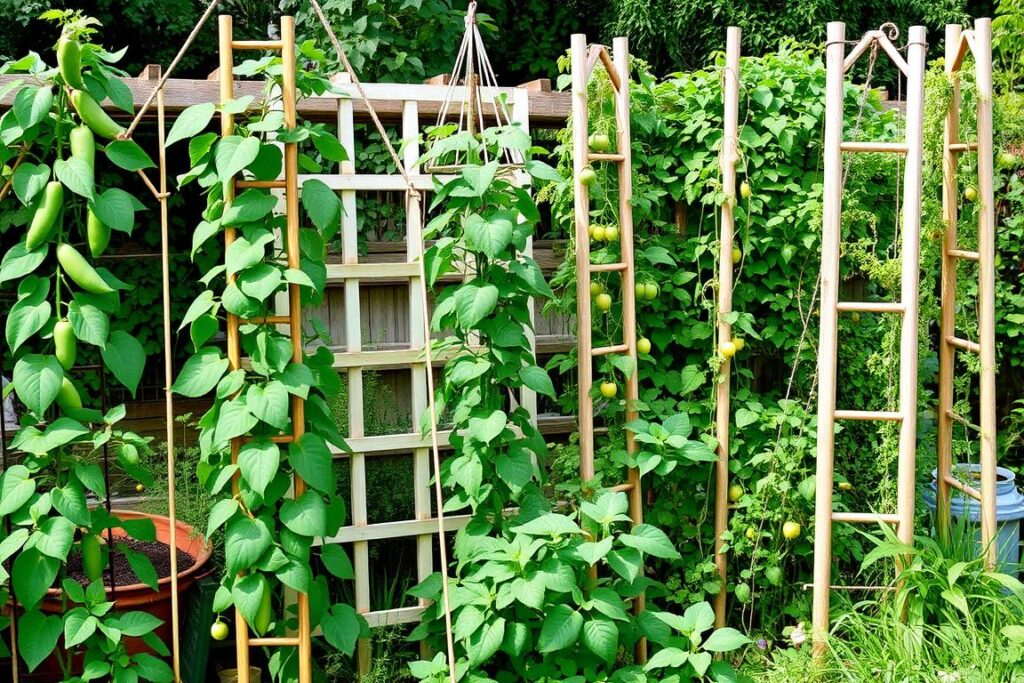
Vertical elements add both growing space and visual interest
Consider these vertical growing options for your kitchen garden:
- Obelisks: Perfect for supporting climbing beans, peas, and ornamental sweet peas
- Wall-mounted trellises: Ideal for fan-trained fruit trees or espaliered apples
- Arches: Create entrances while supporting climbing vegetables or ornamental vines
- Wigwams: Simple bamboo structures for supporting climbing beans
- Living willow structures: Decorative and functional supports that grow with your garden
When incorporating vertical elements, consider their placement carefully to avoid casting shadows over sun-loving crops. Position taller structures on the north side of beds to prevent shading other plants.
Sustainable Practices for a Thriving Kitchen Garden
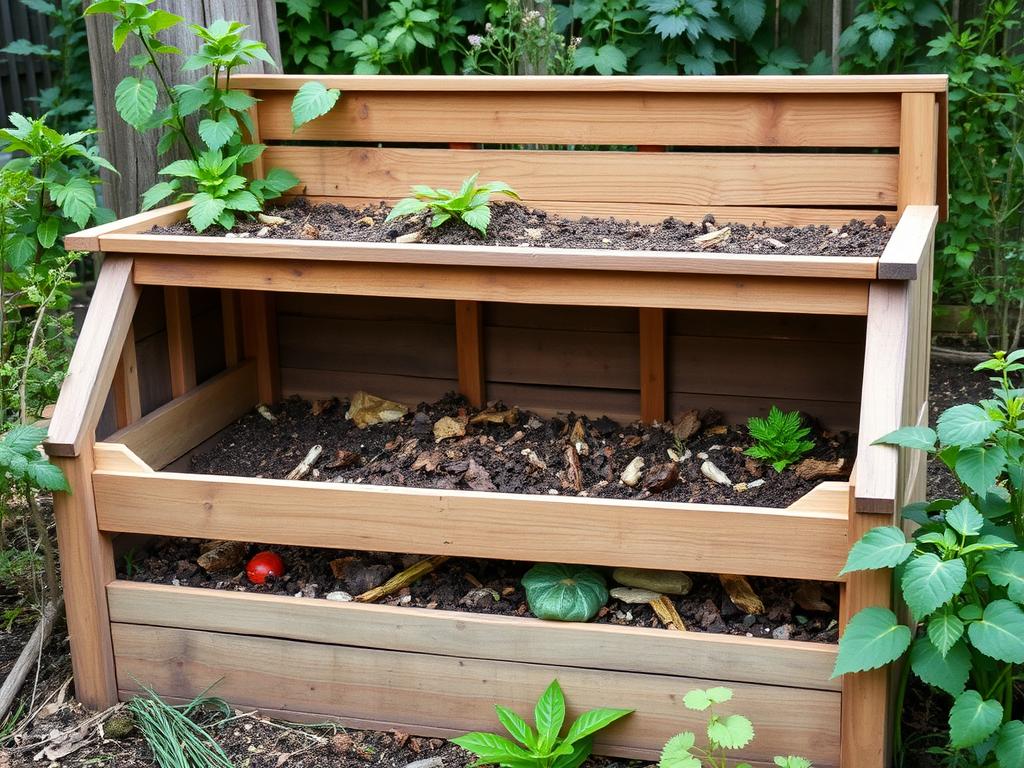
Composting is the cornerstone of sustainable kitchen gardening
A truly productive kitchen garden works with nature rather than against it. Implementing sustainable practices not only benefits the environment but also creates a more resilient garden that improves year after year.
Water Conservation Techniques
In the UK’s changing climate, with increasingly dry summers, water conservation is becoming essential:
- Water butts: Install at least one water butt on each downpipe to collect rainwater
- Drip irrigation: More efficient than sprinklers, delivering water directly to plant roots
- Mulching: Apply organic mulch around plants to reduce evaporation and suppress weeds
- Evening watering: Water in the evening to reduce evaporation losses
- Prioritize: Focus watering on fruiting crops and seedlings when water is scarce
Composting for Garden Health
Creating your own compost closes the nutrient loop in your garden and reduces waste:
What to Compost
- Vegetable and fruit scraps
- Coffee grounds and tea leaves
- Eggshells (crushed)
- Garden waste and prunings
- Cardboard and paper (shredded)
What to Avoid
- Meat and dairy products
- Diseased plant material
- Perennial weeds
- Cooked food waste
- Cat and dog waste
A three-bay compost system allows you to have compost at different stages: filling, decomposing, and ready to use. Turn the contents occasionally to speed up decomposition.
Natural Pest Management
Working with nature’s balance helps control pests without resorting to chemicals:
- Encourage beneficial insects by planting flowers like alyssum and phacelia
- Install bird feeders and bird baths to attract insect-eating birds
- Create habitat piles for beneficial creatures like frogs and hedgehogs
- Use physical barriers like netting and fleece to protect vulnerable crops
- Practice companion planting to confuse and repel pests naturally
Remember that a completely pest-free garden isn’t the goal—a balanced ecosystem includes some pests as part of the food chain for beneficial creatures.
Getting Started: Your Kitchen Garden Journey
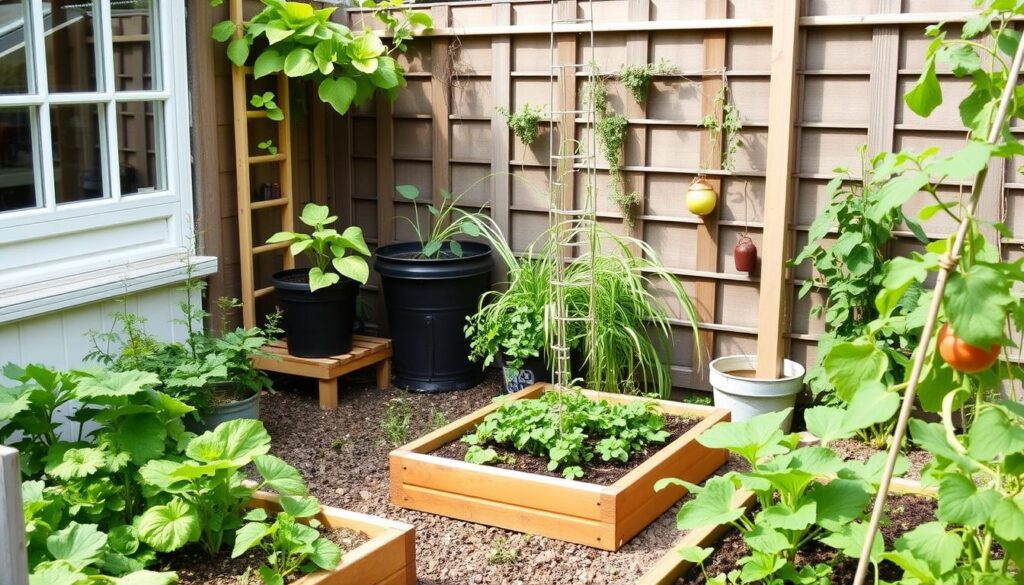
Start small and expand your kitchen garden as your confidence grows
Creating a productive kitchen garden is a journey rather than a destination. The beauty of this approach is that you can start small and expand as your confidence and experience grow. Here are some final tips to help you begin:
- Start small: A few containers or a single raised bed can provide surprising amounts of produce
- Focus on what you love to eat: Growing vegetables you enjoy will keep you motivated
- Include some reliable crops: Lettuce, radishes, and herbs provide quick rewards
- Keep a garden journal: Record successes, failures, and observations to learn from each season
- Connect with other gardeners: Join local garden clubs or online communities to share knowledge
Remember that every garden is unique, and part of the joy is discovering what works best in your particular space. Embrace experimentation, learn from both successes and failures, and most importantly, enjoy the process of creating your own productive kitchen garden.
Whether you’re harvesting a handful of herbs for tonight’s dinner or planning next year’s crop rotation, your kitchen garden will reward you with fresh flavours, beautiful sights, and a deeper connection to the natural world around you.