
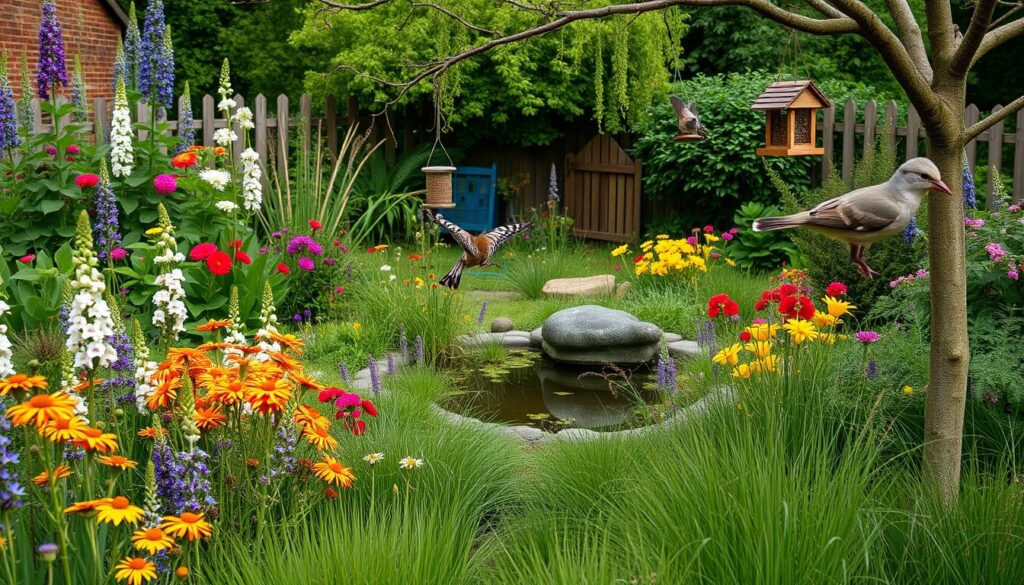
From the gentle buzz of bumblebees to the delightful visits of hedgehogs and the flutter of butterflies, a wildlife-friendly garden brings the joy of nature right to your doorstep. This guide will show you how to create your own thriving wildlife haven using native plants, thoughtful features, and nature-conscious practices.
The Power of Native Plants in Wildlife-Friendly Gardening
Native plants form the foundation of any successful wildlife-friendly garden in the UK. These plants have evolved alongside our local wildlife for thousands of years, creating perfect partnerships. They provide the right food at the right time and support significantly more insect species than non-natives.
Essential UK Native Plants for Wildlife
- Foxglove (Digitalis purpurea) – Tall spires of tubular flowers beloved by bumblebees
- Hawthorn (Crataegus monogyna) – Spring blossom for pollinators and autumn berries for birds
- Wild Marjoram (Origanum vulgare) – Aromatic herb that attracts numerous butterfly species
- Rowan (Sorbus aucuparia) – Small tree with berries that thrushes and waxwings adore
- Field Scabious (Knautia arvensis) – Long-flowering meadow plant that supports many pollinators
- Dog Rose (Rosa canina) – Fragrant flowers for insects and hips for birds in winter
These native species have co-evolved with UK wildlife, making them perfect partners in your garden ecosystem. They require less maintenance and water once established, thriving in our climate without extra care.
 When selecting plants, aim for diversity in height, flowering time, and structure. This creates a layered habitat that supports more wildlife species throughout the year. Even small gardens can incorporate native plants in containers or vertical spaces.
Creating Essential Habitat Features
Beyond plants, wildlife-friendly gardening requires thoughtful habitat features that provide shelter, breeding sites, and resources. These elements complete your garden ecosystem and dramatically increase biodiversity.
Build a Bug Hotel

Step-by-Step Guide:
- Find a sunny, sheltered location
- Create a simple frame using untreated wood
- Fill with materials like hollow stems, pine cones, bark, and drilled logs
- Add a roof to keep materials dry
- Position near flowering plants for best results
Bug hotels provide essential nesting sites for solitary bees and hibernation spots for beneficial insects like ladybirds and lacewings—nature’s pest controllers!
Create a Mini Pond
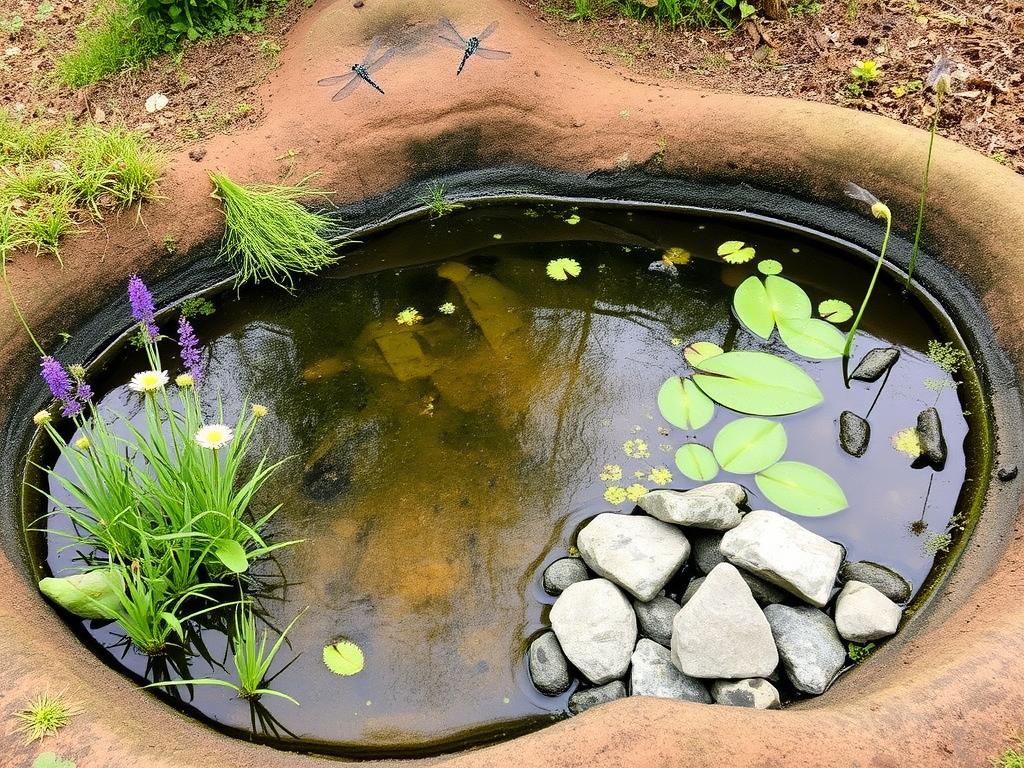
Simple Pond Creation:
- Use a container like a half barrel or buried washing-up bowl
- Create sloped edges with stones for wildlife access
- Add clean rainwater (not tap water)
- Plant native pond plants like marsh marigold
- Avoid adding fish which eat wildlife
Even the smallest pond can support dragonflies, frogs, and numerous invertebrates. It’s the single most effective feature for boosting garden biodiversity.
Develop “Messy Corners”

Creating Valuable Disorder:
- Designate a quiet corner of your garden
- Stack logs and branches in a loose pile
- Leave autumn leaves in place
- Allow some grass to grow longer
- Avoid disturbing the area, especially in winter
These deliberate “messy” areas provide crucial hibernation sites for hedgehogs, shelter for amphibians, and hunting grounds for birds. They’re the engine rooms of your garden ecosystem.
Chemical-Free Wildlife-Friendly Gardening
Pesticides and herbicides can devastate garden ecosystems, harming not just target species but beneficial insects, soil life, and the birds and mammals that feed on them. Embracing chemical-free gardening is essential for true wildlife-friendly spaces.

Natural Pest Management
- Companion Planting – Plant marigolds with vegetables to deter aphids
- Encourage Predators – Welcome ladybirds, lacewings and birds that eat pests
- Physical Barriers – Use netting or copper tape rather than slug pellets
- Plant Diversity – Mixed planting confuses pests and reduces infestations
- Healthy Soil – Build soil health with compost to grow stronger plants
Making Your Own Compost
Composting garden waste and kitchen scraps creates nutrient-rich soil improver while reducing landfill waste. A simple wooden compost bin in a shady corner will transform garden clippings into black gold within months.
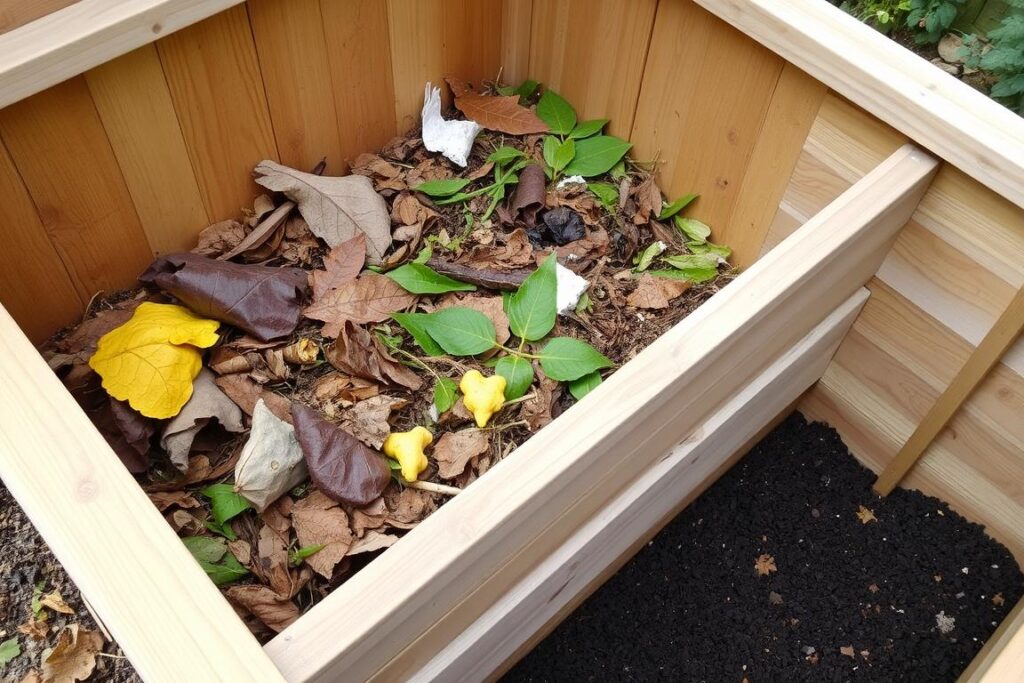
Compost heaps also provide valuable habitat for slow worms, grass snakes, and countless invertebrates. The improved soil structure helps gardens become more drought-resistant and reduces the need for artificial fertilizers.
Going Peat-Free
Always use peat-free compost in your wildlife-friendly garden. Peat extraction destroys vital bog habitats that have taken thousands of years to form and release stored carbon into the atmosphere.
Seasonal Planting Guide for Wildlife-Friendly Gardening
A successful wildlife-friendly garden provides resources throughout the year. Different species have different needs as seasons change, and your garden should offer food, shelter and breeding sites across all four seasons.
Spring
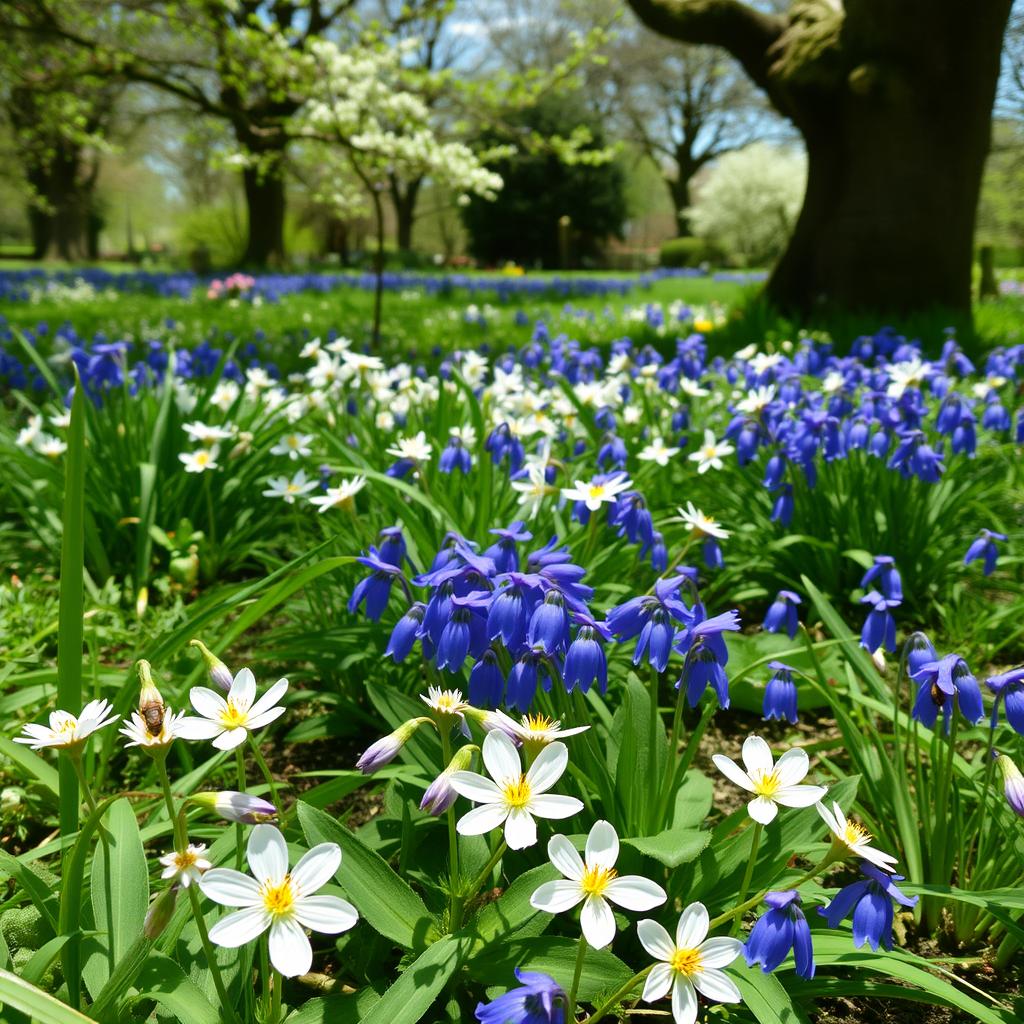
- Primrose (Primula vulgaris)
- Bluebells (Hyacinthoides non-scripta)
- Flowering currant (Ribes sanguineum)
- Apple blossom (Malus domestica)
- Crab apple (Malus sylvestris)
Early nectar sources are vital for emerging queen bumblebees and butterflies. Spring-flowering bulbs and shrubs provide crucial energy when few other sources are available.
Summer
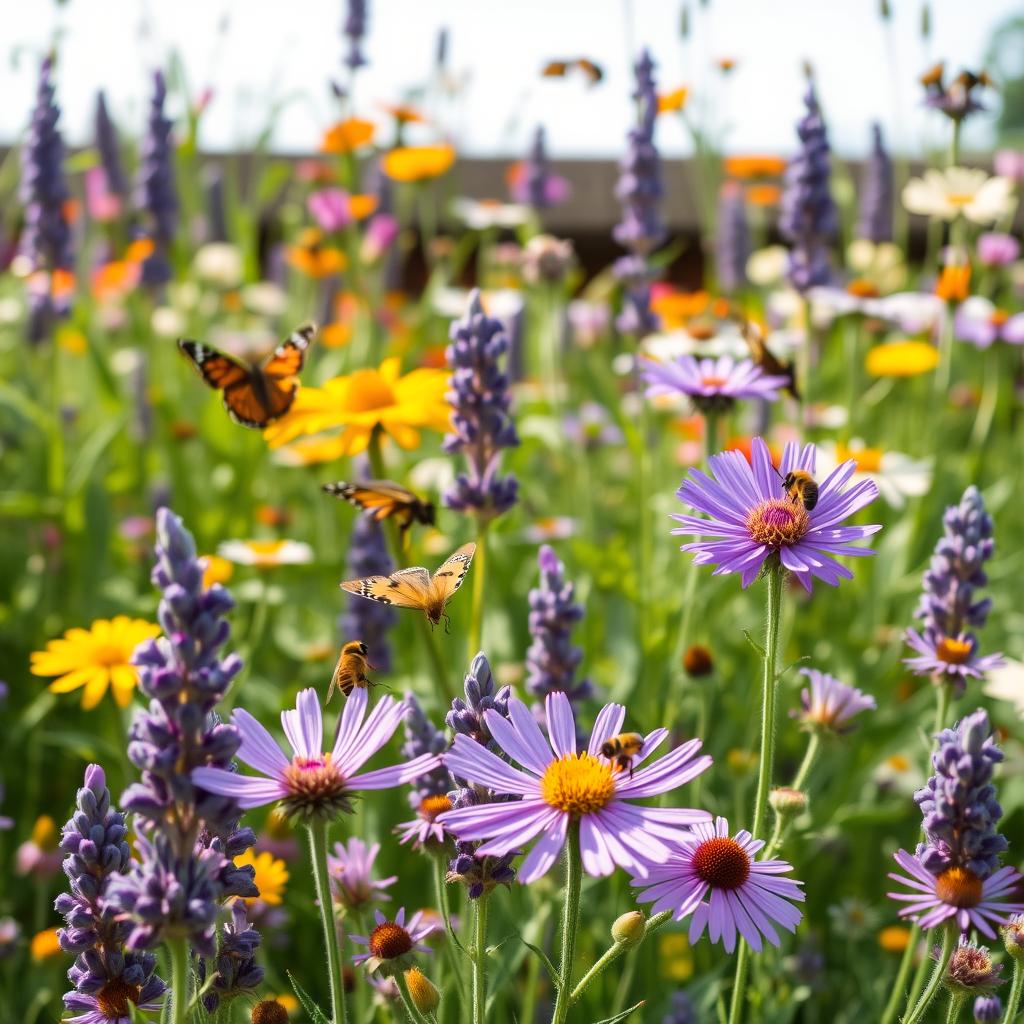
- Lavender (Lavandula angustifolia)
- Field scabious (Knautia arvensis)
- Common knapweed (Centaurea nigra)
- Wild marjoram (Origanum vulgare)
- Verbena bonariensis
Summer is peak activity time for pollinators. Provide abundant nectar sources and leave some areas of long grass for butterfly egg-laying and caterpillar food plants.
Autumn
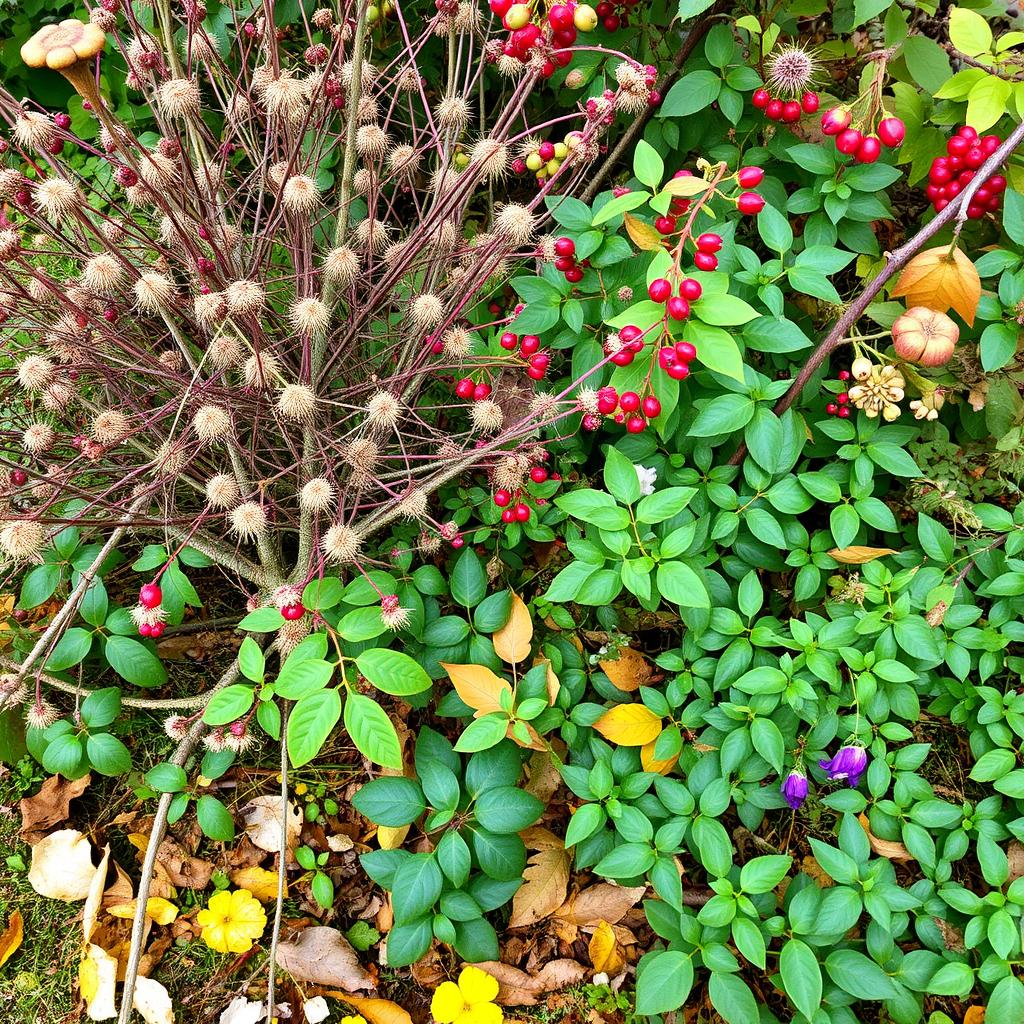
- Ivy (Hedera helix) – late flowers
- Michaelmas daisy (Aster novi-belgii)
- Sedum spectabile
- Rowan berries (Sorbus aucuparia)
- Hawthorn berries (Crataegus monogyna)
Autumn gardens provide vital pre-hibernation feeding opportunities. Leave seedheads standing for birds and berries on shrubs for winter food stores.
Winter
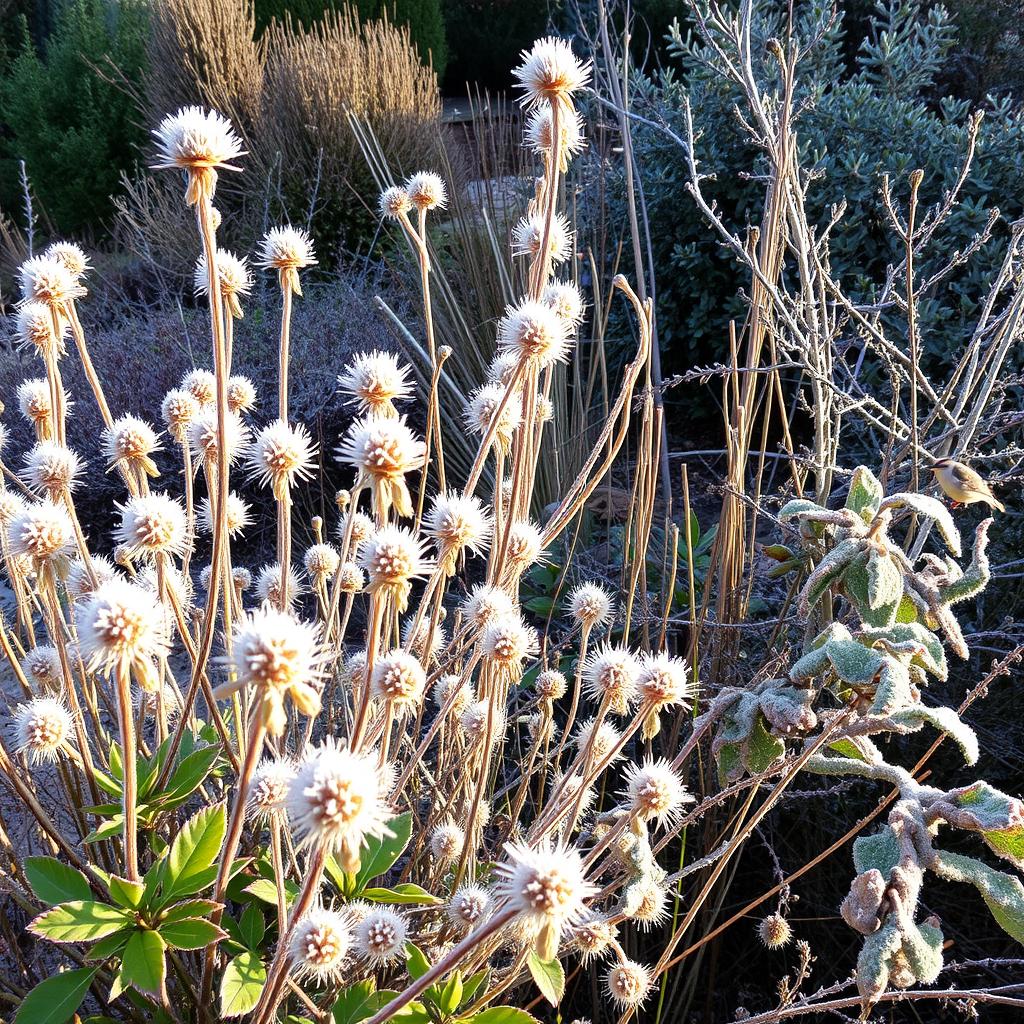
- Mahonia (Mahonia aquifolium)
- Winter honeysuckle (Lonicera fragrantissima)
- Holly (Ilex aquifolium)
- Ivy berries (Hedera helix)
- Snowdrops (Galanthus nivalis)
Winter-flowering plants provide rare nectar for winter-active insects on mild days. Evergreen shrubs offer crucial shelter during harsh weather and nesting opportunities.
Wildlife-Friendly Garden Layout
Thoughtful garden design creates a space that works for both wildlife and people. The most successful wildlife-friendly gardens incorporate different zones that serve various functions while maintaining visual appeal.
Key Zones for Wildlife

- Water Zone – Pond or bird bath, essential for all wildlife
- Feeding Zone – Bird feeders, nectar-rich borders, berry bushes
- Shelter Zone – Dense shrubs, log piles, leaf litter areas
- Breeding Zone – Undisturbed areas, nest boxes, long grass
- Human Zone – Seating areas for wildlife watching
Connect these zones with wildlife corridors like hedgerows or unmown grass pathways. Even small gardens can incorporate all these elements at a reduced scale.
Creating a Hedgehog Highway
Hedgehogs need to roam up to 2km each night to find enough food. Create 13cm x 13cm holes at ground level in fences or walls to connect your garden to neighboring spaces, creating a “hedgehog highway” that allows these declining mammals to move freely.
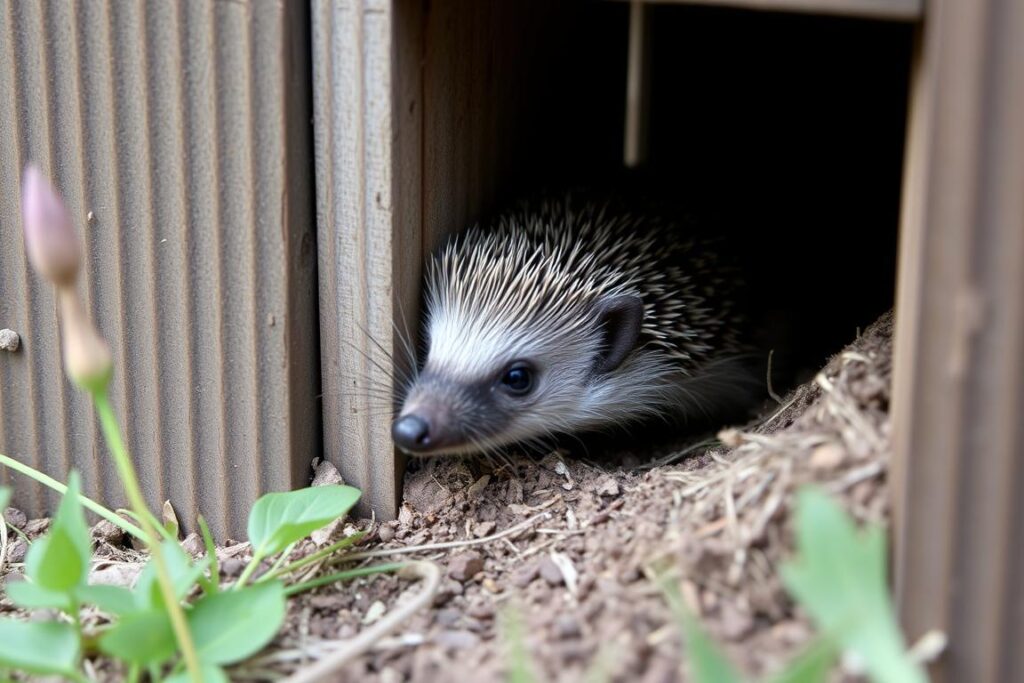
Let neighbors know about your hedgehog highway and encourage them to create their own, expanding the network of safe travel routes for these garden allies.
Get Your Garden Certified as Wildlife-Friendly
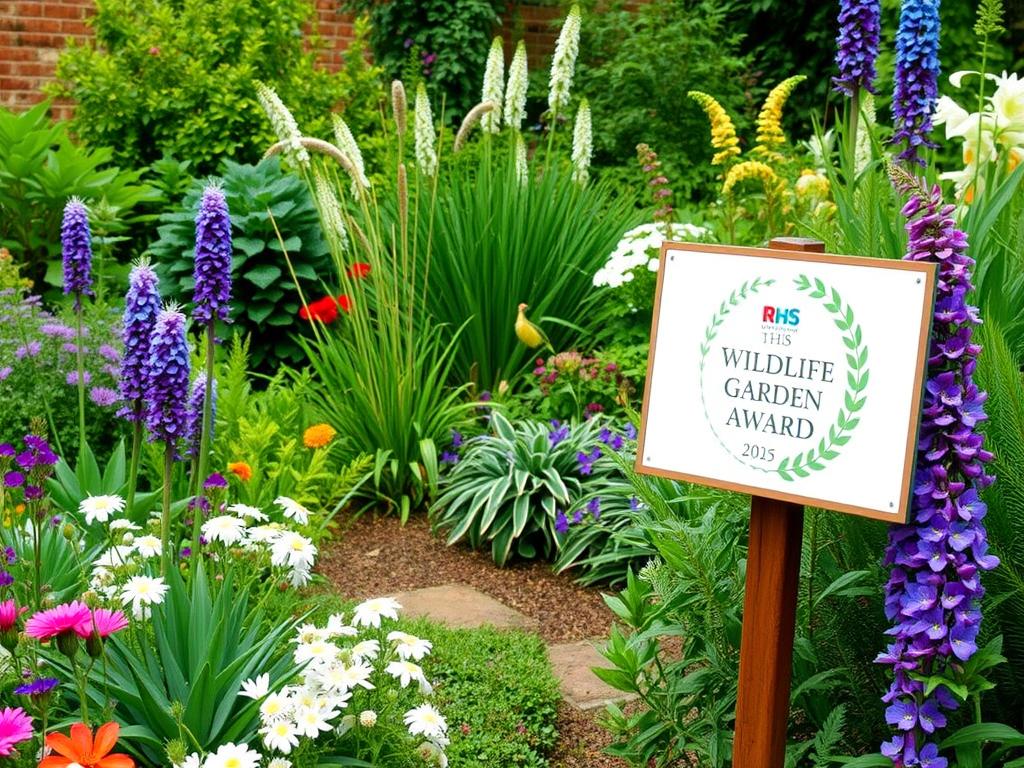
The Royal Horticultural Society (RHS) Wildlife Garden Award recognizes gardens that provide excellent wildlife habitat. Certification gives you recognition for your efforts and helps inspire others to create wildlife-friendly spaces.
RHS Wildlife Garden Award Requirements
- Provide food sources through plants and supplementary feeding
- Offer water sources like ponds or bird baths
- Create shelter through varied habitats and structures
- Practice wildlife-friendly gardening methods
- Avoid using chemicals harmful to wildlife
The award has three levels—bronze, silver, and gold—depending on how many wildlife-friendly features your garden includes. Even small spaces can achieve certification with thoughtful design.
Benefits of Certification
- Recognition of your contribution to wildlife conservation
- Guidance to improve your garden further
- Connection to a community of like-minded gardeners
- Inspiration for neighbors and visitors
- Attractive plaque to display in your garden
Certification also contributes valuable data to conservation organizations about the collective impact of wildlife-friendly gardens across the UK.
Join the Wildlife Gardening Community
Creating a wildlife-friendly garden connects you to a growing movement of nature-conscious gardeners across the UK. Sharing experiences, challenges, and successes helps everyone create better habitats.

Local Wildlife Groups
Connect with your county Wildlife Trust to find local gardening groups, workshops, and open garden events. These organizations offer expert advice specific to your local ecosystem and soil conditions.
Many Wildlife Trusts run garden mentoring schemes where experienced wildlife gardeners help beginners transform their spaces.

Share Your Journey
Document your wildlife gardening journey on social media using #WildlifeGardenUK. Share your successes, challenges, and wildlife sightings to inspire others and get advice from the community.
Before-and-after photos are particularly encouraging for beginners who might feel overwhelmed by the process.

Citizen Science
Participate in national wildlife monitoring schemes like the RSPB’s Big Garden Birdwatch or Butterfly Conservation’s Garden Butterfly Survey. Your observations contribute valuable data to conservation research.
Many wildlife organizations also run specific garden wildlife surveys throughout the year.
Start Your Wildlife-Friendly Gardening Journey Today
Creating a wildlife-friendly garden doesn’t require a complete overhaul or perfect execution. Start with one small change—perhaps a bird feeder, a pollinator-friendly plant, or a small patch of unmown grass—and build from there as you observe what works in your space.
The rewards of wildlife-friendly gardening extend far beyond the satisfaction of supporting conservation. There’s a special joy in watching a hedgehog visit at dusk, observing butterflies lay eggs on your plants, or spotting a new bird species at your feeder. Your garden becomes not just a space to relax, but a living, breathing ecosystem that connects you directly to the natural world.
Remember to start small, observe closely, and celebrate every wildlife visitor. Your garden is about to become much more than just a garden—it’s about to become a wildlife haven.