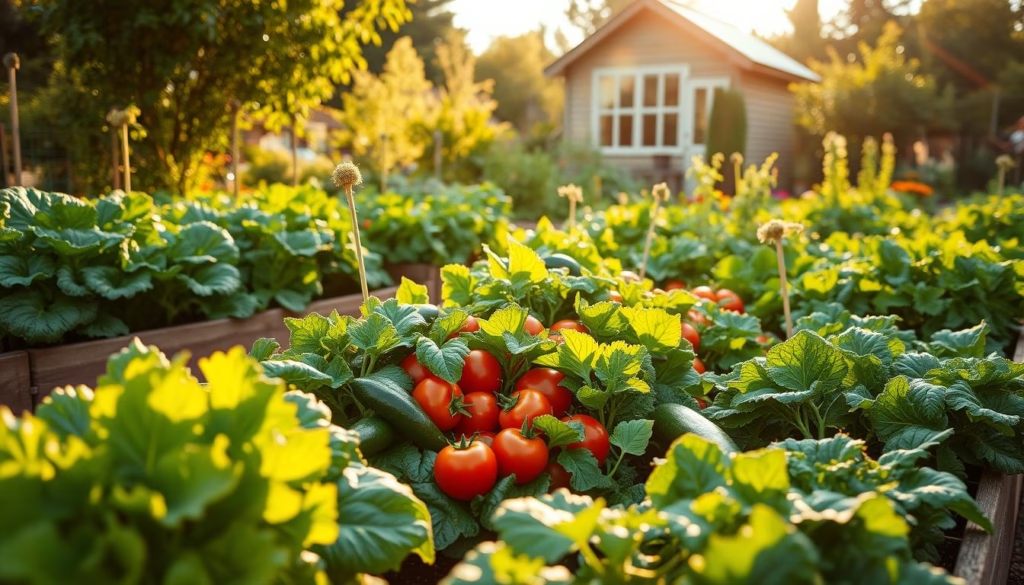
Ever thought about growing your own veggies in the UK? This guide is for you, whether you’re new to gardening or want a greener lifestyle. It’s not just about fresh food; it’s about connecting with nature and your community too.
Here, you’ll learn key tips for starting a veg garden in the UK’s climate. Sustainable gardening is simpler than you think. Soon, you’ll enjoy the happiness of growing your own food.
Key Takeaways
- Growing your own vegetables fosters healthy eating habits.
- Understanding your local climate is key for success.
- Simple sustainable gardening practices can yield great results.
- Proper planning boosts your garden’s productivity.
- Learning about soil quality and preparation is essential.
- Choosing the right location helps plants grow better.
- Harvesting at the right time improves flavour and nutrition.
Why Grow Your Own Vegetables?
Starting to grow your own vegetables has many benefits. It’s not just about enjoying gardening. It’s also about the health perks, the good for the planet, and saving money.
Health Benefits of Homegrown Produce
One big reason to grow your own veggies is their health benefits. Homegrown veggies are fresher and taste better than store-bought ones. They’re also full of nutrients and free from harmful chemicals. This makes your meals healthier and more nutritious.
Environmental Impact of Growing Your Own
Growing your own food helps the environment too. It cuts down on carbon emissions because you don’t need to transport food. Plus, your garden becomes a home for insects and animals, improving local wildlife.
Cost Savings for Home Gardeners
Another great advantage is saving money. Growing your own veggies can be cheaper than buying them. With a little investment in seeds and soil, you can enjoy a big harvest and save money.
| Benefit | Description |
|---|---|
| Health Benefits | Fresher, nutrient-rich vegetables without harmful chemicals. |
| Environmental Impact | Reduced carbon footprint and enhanced biodiversity. |
| Cost Savings | Lower expenses compared to store-bought produce. |
Choosing the Right Location for Your Garden
Finding the perfect spot for your vegetable garden is key to its success. Think about sunlight, soil quality, and how easy it is to care for. These vegetable gardening tips will make your urban gardening in the UK better.
Sunlight Requirements
Most vegetables need lots of sunlight to grow well. Look for a spot that gets six to eight hours of direct sun each day. Tomatoes, peppers, and cucumbers love bright light. On the other hand, spinach and lettuce can handle some shade.
Getting enough sunlight helps your plants grow faster and produce more. This is true for the best vegetables to grow in the UK.
Soil Quality Considerations
Check the soil quality in your chosen spot. Good soil drains well but keeps enough moisture. Look for organic matter, as it makes the soil richer. Adding compost can also help, which is great in the UK’s urban gardens.
Healthy soil means strong plants and more food for you. It’s a big plus for gardening in the UK’s cities.
Accessibility for Maintenance
Make sure your garden is easy to get to for upkeep. A smart layout helps you care for your plants better. This is very important in the UK, where gardens are often small.
Having your garden close by makes gardening more fun. It’s all about making your gardening life easier.
Planning Your Vegetable Garden
Starting a vegetable garden needs careful planning. Choose the best vegetables for the UK’s climate for a great harvest. Knowing about companion planting and crop rotation makes your garden healthier and more productive.
Selecting the Best Vegetables for UK Climate
Think about growing vegetables that do well in the UK’s weather. Beetroot, kale, and carrots are great choices. They need less care and can grow well even in small spaces.
Companion Planting Basics
Companion planting is key. It’s about growing plants together for their benefit. For example, tomatoes and basil together taste better and keep pests away. This practice helps your plants grow well.
Crop Rotation Importance
Crop rotation is very important. It keeps the soil fertile, fights pests and diseases, and makes plants healthier. This way, you use nutrients better and keep your garden thriving for years.
Preparing Your Garden Bed
Understanding the different garden bed types can boost your vegetable growing success. Raised beds are great for easy access, while in-ground gardens are better for bigger plots. Choose based on your needs and space.
Types of Garden Beds: Raised, In-Ground, and Containers
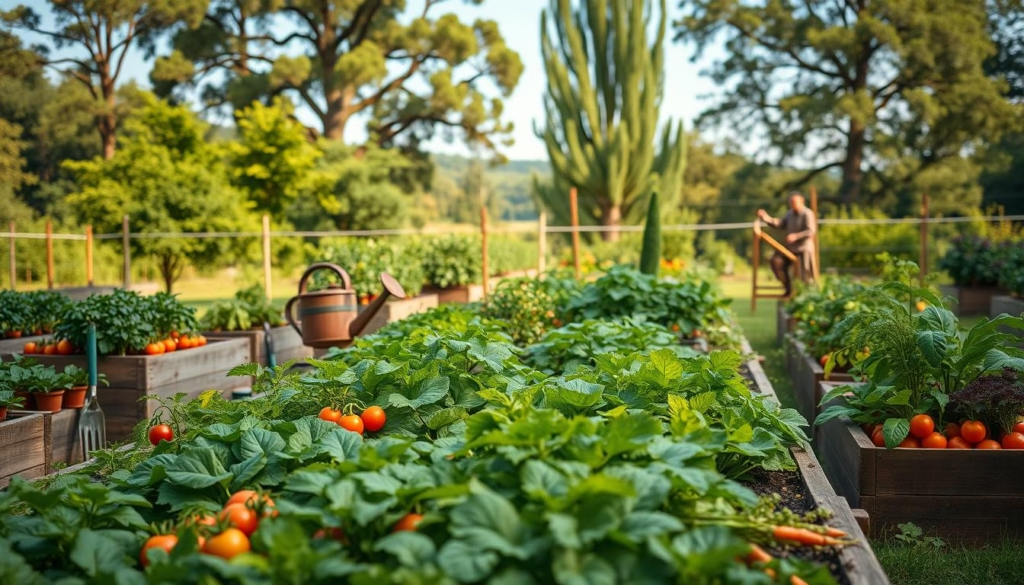
Raised beds are perfect for crops that love nutrient-rich soil because of their drainage and soil control. In-ground beds are better for big root vegetables due to their space. Containers are great for small spaces or moving plants around. Each type suits different gardening styles in the UK.
Soil Preparation Tips
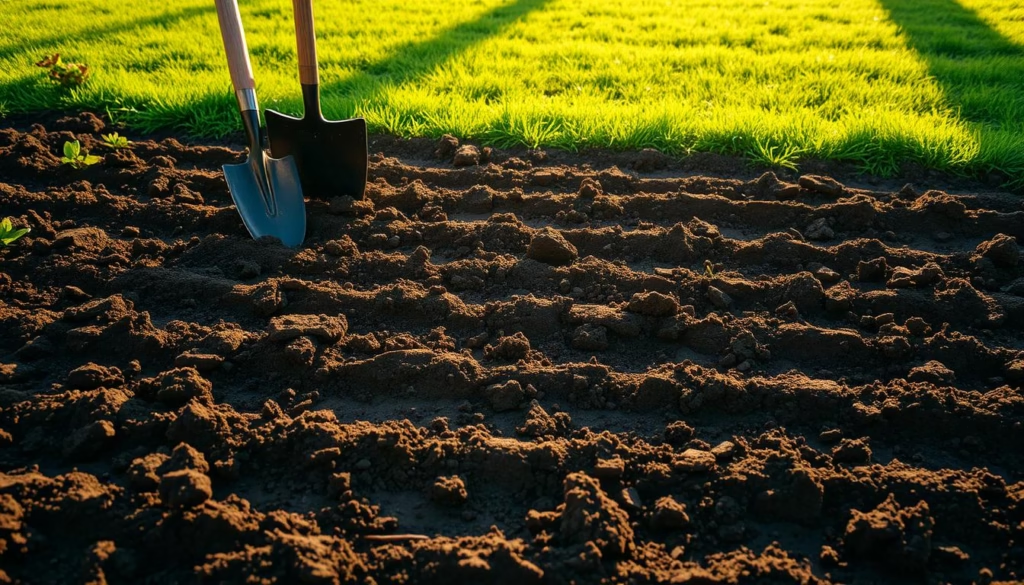
Soil preparation is key for healthy plants. First, test your soil to know its pH and nutrient levels. Adding compost improves soil structure, helping with water and air. This makes your soil fertile for growing vegetables.
Tools You’ll Need
Having the right tools makes gardening easier and more fun. You’ll need a spade for digging, a rake for leveling, and a hoe for soil aeration. A trowel is useful for planting seeds and moving seedlings. The right tools make gardening in the UK more enjoyable.
Sowing Seeds and Transplanting
Getting seeds to grow well is key to a successful garden. Timing is everything when growing your own food in the UK. The UK vegetable planting guide helps by suggesting the best planting times for each season. Knowing these times can really help your garden grow.
When to Sow: Understanding Seasons
The right time to sow seeds in the UK depends on the last frost date. For most vegetables, you can start sowing in early spring. For hardy crops, you might begin in late winter. Knowing your frost dates helps you plan better.
Direct Sowing vs. Transplanting Seedlings
Direct sowing means planting seeds straight into the soil. Transplanting starts seeds indoors and then moves them outside. Both methods have their advantages. Direct sowing is easier, but transplanting gives plants a head start and can make them stronger. Choose the method based on the vegetable type, as some do better with transplanting.
Seed Depth and Spacing Guidelines
It’s important to plant seeds at the right depth and space them correctly. Larger seeds need deeper planting than smaller ones. A good UK vegetable planting guide will give you specific advice. Proper spacing helps plants breathe and reduces disease, leading to a bigger harvest.
Watering and Maintenance Essentials
Watering and maintenance are key to a successful vegetable garden. Knowing how much water each plant needs is vital. Too much or too little water can harm your plants, so adjust your watering based on each plant’s needs. Using sustainable gardening practices can make your garden better.
Understanding Your Vegetables’ Watering Needs
Vegetables need different amounts of water at different stages. Seedlings need steady moisture, while bigger plants prefer deeper water less often. During dry times, make sure the water reaches the roots. A moisture meter can help you know when to water. These vegetable gardening tips will help keep your plants healthy.
Mulching Benefits
Mulching is great for your garden. It keeps the soil moist, stops weeds, and keeps the soil temperature right. Use organic materials like straw or bark as mulch. It keeps the soil moist and adds nutrients as it breaks down.
Pest Control Strategies
Keeping pests away is important. Use physical barriers like nets to keep animals out. Introduce beneficial insects like ladybirds to control pests. For more ideas, check out these vegetable gardening tips.
Fertilizing and Nutrition for Vegetables
In the UK, organic gardening thrives with the right fertilization. Plants need nutrients to grow well. You can use different methods to feed your vegetables. Learning about fertilizers, composting, and when to apply them will boost your garden.
Types of Fertilizers: Organic vs. Synthetic
Fertilizers are mainly organic or synthetic. Organic options like compost and manure feed plants slowly and improve soil. Synthetic fertilizers give nutrients quickly but might harm soil health over time. Here’s a look at both:
| Type | Advantages | Disadvantages |
|---|---|---|
| Organic | Improves soil, supports life, nutrients released slowly | Results take longer, might need more frequent use |
| Synthetic | Fast nutrient delivery, simple to use | Can harm soil, might pollute water |
When and How to Fertilize
Timing and method are key for vegetable growth. Early fertilization gives plants the nutrients they need. Mid-season fertilizing helps as plants grow. Always follow the product label for the right amount.
Composting Basics
Composting is vital for green gardening. It turns kitchen and garden waste into soil food. Start with kitchen scraps and garden clippings. Mix them well and wait a few months for nutrient-rich compost.
Common Vegetable Growing Problems
Growing vegetables at home is rewarding but comes with challenges. Spotting pests and diseases early is key to a healthy garden. Knowing the symptoms and solutions can greatly improve your gardening success.
Identifying Pests and Diseases
Many pests can harm your vegetable patch. Look out for aphids, slugs, and caterpillars. Signs include chewed leaves, sticky residue, or visible insects.
Diseases like blight or downy mildew can also affect your crops. They show as discoloured foliage or wilting. Spotting these problems early is essential.
Solutions for Common Issues
Quick action is vital for your garden’s health. Here are some solutions:
- For pests, introduce beneficial insects like ladybirds or use organic insecticidal soap.
- Crop rotation can help prevent soil-borne diseases.
- Encourage biodiversity by planting companion plants that repel pests.
- Regularly inspect and remove affected plants to curb disease spread.
Importance of Plant Monitoring
Regularly check your plants for problems. Watch for changes in growth, leaf colour, and health. Keeping a gardening journal helps you track these changes.
This practice helps you understand your plants better. It allows you to tackle common issues effectively.
Understanding Harvesting Techniques
Harvesting your own vegetables is a rewarding experience. It shows the effort and care you’ve put into growing them. Knowing when to pick your vegetables is key to enjoying their taste and nutrients. Each vegetable has its own signs of readiness, which can improve your gardening success.
Signs Your Vegetables Are Ready to Harvest
Every vegetable has its own way of telling you it’s ready. Here are some common signs:
- Tomatoes: The colour deepens and becomes uniform.
- Carrots: Tops are about 2-3 cm in diameter.
- Courgettes: Harvest when they are young and tender, approximately 15-20 cm long.
- Beans: Pick when the pods are firm and beans inside feel rounded.
- Lettuce: Harvest before they bolt, ideally when the leaves are crisp and full.
Best Practices for Harvesting
To keep your vegetables in top condition, follow these tips:
- Use clean, sharp tools to avoid damaging the plants.
- Harvest in the morning when temperatures are cooler, which helps preserve freshness.
- Handle vegetables gently to prevent bruising.
- Focus on leaving some foliage behind to sustain the plant for future growth.
Storing Your Fresh Produce
Proper storage keeps your homegrown food fresh for longer. Here are some tips for different vegetables:
| Vegetable | Storage Method | Ideal Temperature |
|---|---|---|
| Tomatoes | Store at room temperature out of direct sunlight. | 15-20°C |
| Carrots | Keep in a loose bag in the fridge. | 0-4°C |
| Courgettes | Wrap in a cloth and store in a cool place. | 7-10°C |
| Beans | Refrigerate in a plastic bag. | 0-4°C |
| Lettuce | Keep in the fridge wrapped in a damp cloth. | 0-4°C |
By following these tips, you can enjoy the fruits of your labour. Growing your own food in the UK is not just about delicious flavours. It’s also about living sustainably.
Keeping Your Garden Sustainable
It’s key to use sustainable gardening methods to keep your garden healthy and eco-friendly. Techniques like crop rotation, welcoming beneficial insects, and less tilling improve soil health and biodiversity. These methods are perfect for organic gardening in the UK, helping your plants thrive for years.
Crop Rotation Practices
Crop rotation is a big part of sustainable gardening. It means changing what you grow in a spot each season. This way, you avoid depleting the soil and keep pests and diseases at bay, making your garden stronger.
Encouraging Beneficial Insects
Creating a welcoming space for beneficial insects like ladybirds and lacewings is smart. These insects help control pests naturally, which is good for organic gardening in the UK. Adding different flowers and herbs can draw these helpful bugs to your garden.
Reduced Tillage Methods
Using less tilling helps keep the soil healthy. It stops you from disturbing the soil too much, which is good for the tiny creatures living there and helps with water retention. This method works well with other sustainable gardening practices, leading to a garden full of life and plenty of food.
Resources for Aspiring Vegetable Growers
Starting a vegetable garden is exciting. There are many resources to help you. You can find expert advice, support from others, and useful tools.
Books and Online Guides
Books and online guides are full of helpful tips. Try “The Vegetable Gardener’s Bible” by Edward C. Smith or “Grow Your Own Vegetables” by the RHS. The Royal Horticultural Society also has great articles for your local area.
Local Gardening Clubs and Communities
Local gardening clubs are great for learning and sharing. Join groups like the National Allotment Society. They offer workshops and events to help you grow your garden.
Useful Apps for Garden Management
Technology can make gardening easier. Apps like “Gardenize” and “Veggie Garden Planner” help with planning and tracking. They make sure your garden stays healthy and productive.