Ever wondered why some gardeners always have juicy tomatoes? Growing tomatoes in the UK can be a rewarding experience. You can enjoy fresh, flavourful fruits from your garden. This guide will show you how to grow tomatoes successfully, from choosing the right varieties to essential care tips.
Understanding tomato gardening can lead to a bountiful harvest. Are you ready to make your garden a tomato paradise?
For more detailed guidance on how to grow tomatoes, check out this comprehensive resource.
Key Takeaways
- Understand the differences between determinate and indeterminate tomatoes.
- Choose the right soil and growing conditions for optimal growth.
- Start seeds indoors and transplant at the right time for the UK climate.
- Implement effective watering and fertilising practices to enhance growth.
- Use proper pruning techniques and support structures for healthy plants.
- Be vigilant about pests and diseases, using preventive measures.
- Recognise signs of ripeness for the best timing in tomato harvesting.
Understanding the Tomato Types for UK Gardening
Starting your tomato growing journey? Knowing the different tomato types is key for a great harvest. In the UK, you’ll find two main types: determinate and indeterminate tomatoes. Knowing these will help you plan your space and expect a better yield.
Determinate vs. Indeterminate Tomatoes
Determinate tomatoes are bushy and grow to a set height. They produce all their fruit at once. This makes them perfect for small gardens or containers, as they don’t need much support.
Indeterminate tomatoes, on the other hand, grow all season and get very tall. They need staking or cages to grow well. Choosing between them depends on your garden size and style.
Popular Tomato Varieties for UK Gardens
In the UK, the best tomatoes are those that grow well in the local weather. ‘Gardeners’ Delight’ is loved for its sweet taste and high yield. ‘Crimson Crush’ is also popular for its resistance to blight.
Exploring the many tomato types can make your gardening better. You can pick ones that taste great and grow well in your area.
Choosing the Right Growing Conditions
To grow tomatoes well in the UK, you need to focus on soil and light. Knowing these basics is key to a good harvest. Here’s what you need to know for growing tomatoes.
Ideal Soil Types for Tomato Plants
The best soil for tomatoes is rich, loamy soil. It should drain well and have a slightly acidic pH, between 6.0 and 6.8. Adding organic compost can make your soil better. It gives nutrients and helps with water and air.
Optimal Light and Temperature Requirements
Tomatoes love full sun. They should get 6 to 8 hours of direct sunlight daily. This helps them grow strong. Keep the temperature between 16 and 24°C. This range is best for growth and fruiting.
Selecting the Perfect Location in Your Garden
Finding the right spot for your outdoor tomato plants is key to a good harvest. They love sunny, sheltered places with soil that drains well. The right spot will make your plants grow strong and give you lots of juicy tomatoes. Think about these important points before you start preparing your garden bed.
Importance of Sunlight and Drainage
Tomatoes need at least six hours of direct sunlight a day. This helps them grow well and produce lots of fruit. Also, it’s important to have soil that drains well to avoid waterlogging. This can cause root rot and harm your plants. Look for sunny spots in your garden with good draining soil.
How to Prepare Your Garden Bed
Getting your garden bed ready is the first step for your tomatoes. Here’s how to do it:
- Test the soil: Check the pH and nutrients to see if it’s good for tomatoes.
- Add compost: Mix in organic matter to make the soil richer and better at draining.
- Till the soil: Loosen the soil to help roots grow deeper and breathe better.
- Space your plants: Plant your tomatoes about 45-60cm apart. This gives them room to grow and breathe.
By following these tips, you’ll make sure your outdoor tomato plants have the best chance to succeed. Get your garden bed ready, and watch your tomatoes grow!
Sowing Seeds or Transplanting Seedlings
Starting tomatoes can be done by sowing seeds or using young plants. For indoor growing in the UK, sow seeds indoors from late February to mid-March. For outdoor growing, start sowing from late March to early April.
When to Start Tomato Seeds Indoors
For successful germination, keep seeds warm at about 18°C (64°F). A heated propagator or a warm windowsill works well. Covering pots with a clear plastic bag helps with humidity.
Seedlings should appear in about two weeks after sowing.
Transplanting Out: Timing and Techniques
When seedlings have two true leaves, it’s time to transplant them. Use pots with peat-free compost. Keep them in a bright spot with a minimum of 16°C (60°F).
After 7-10 days of hardening off, move them outside. Plant them in early summer when it’s warm. Plant them deeply, so the first leaves are just above the soil. This helps the roots grow.
Watering and Fertilizing Your Tomato Plants
It’s important to give your tomato plants the right water and nutrients for healthy growth. Good tomato watering tips can greatly improve your harvest. Keep the soil moist but not too wet. Water at the base of the plants to avoid leaf diseases.
As tomatoes grow, it’s key to check the soil moisture. Changes can cause problems like split fruits. Water deeply but not often to help roots grow strong.
Best Watering Practices for Healthy Growth
- Water in the morning to allow foliage to dry during the day.
- Use mulch to retain soil moisture and reduce evaporation.
- Check soil moisture with your finger; if it feels dry an inch down, it’s time to water.
Choosing the right fertiliser is important for your tomatoes. Look for high potassium levels when the fruits grow. Fertilise every 10 to 14 days with a nutrient-rich solution. This will help your plants grow well all season. For more gardening tips, check out here.
Recommended Fertilizers for Tomatoes
| Fertilizer Type | Key Nutrients | Application Frequency |
|---|---|---|
| Granular Fertilizer | High in potassium and phosphorus | Every 6-8 weeks |
| Liquid Fertilizer | Quickly absorbable nutrients | Every 10-14 days |
| Organic Compost | Slow-releasing nutrients | Once per planting season |
Good watering and fertilising lead to healthy, productive tomato plants. Every garden is different, so adjust these tips as needed.
Pruning and Supporting Tomato Plants
Looking after your tomato plants means pruning and giving them the right support. The right pruning techniques can really help your plants grow better and produce more fruit. Whether you have determinate or indeterminate tomatoes, here are some key tomato pruning tips. Knowing what your plants need is the first step to a successful garden.
Techniques for Effective Pruning
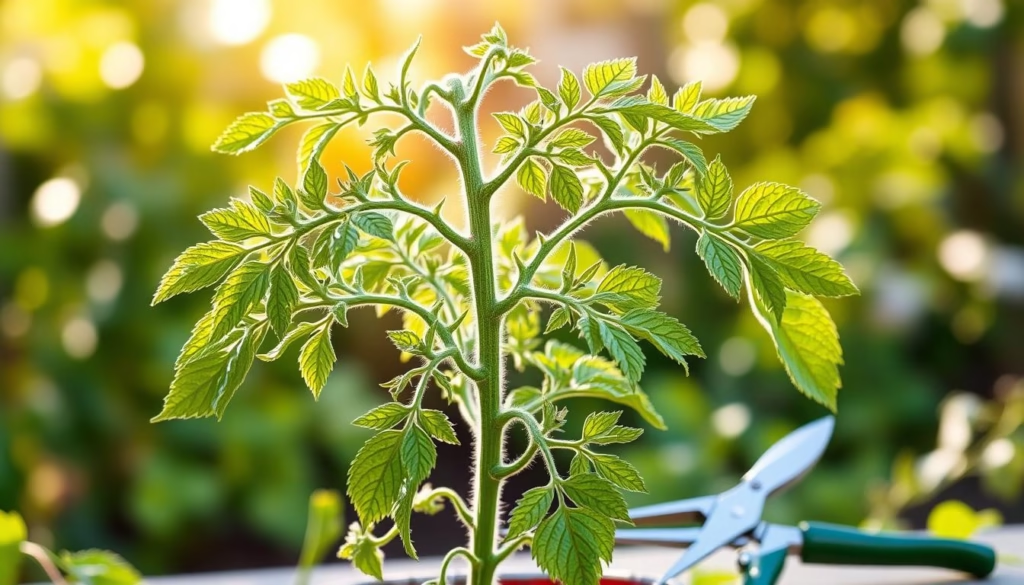
Pruning tomato plants depends on the type you have. For indeterminate tomatoes, cut off side shoots called suckers often. This helps the plant focus on growing fruit and getting stronger. Determinate tomatoes need less pruning, mainly to remove dead leaves. Using these tomato pruning tips keeps the plant’s canopy open. This lets more sunlight in and improves air flow.
Choosing the Right Support Structures
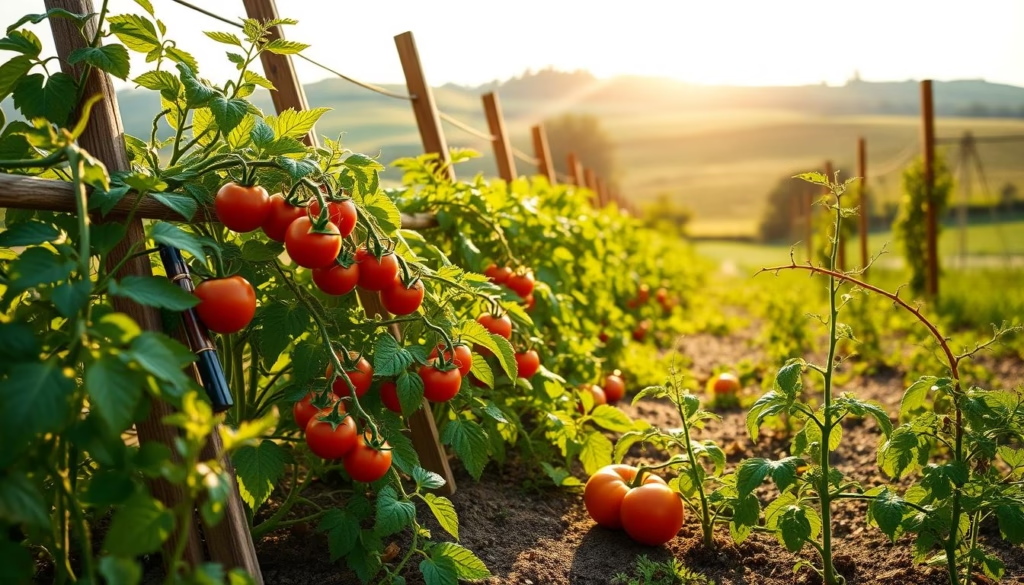
Supporting tomato plants is key as they get taller. For indeterminate tomatoes, use tall canes or vertical strings for support for tomato plants. These keep the plants upright and the fruit off the ground, preventing rot. Bush varieties need less support, like short cages or stakes, making them simpler to handle. The right support and training lead to healthier, more fruitful plants.
Managing Pests and Diseases
Keeping tomato plants healthy means watching out for pests and diseases. Regular checks and quick action help your garden thrive. It’s key to control pests like aphids and whiteflies, which harm plants fast. Also, knowing about diseases like late blight boosts your harvest. By following prevention tips and choosing the right tomatoes, your garden will flourish.
Common Tomato Pests and Prevention Tips
Spotting common tomato pests is the first step to protect your plants. Regular inspections help catch problems early. Some common pests include:
- Aphids – Small insects that suck sap from plants.
- Whiteflies – Tiny, white moths that cause similar damage.
- Spider mites – Microscopic pests that leave fine webbing.
To control pests effectively, try these prevention tips:
- Use organic pesticides when needed.
- Attract beneficial insects like ladybirds that eat pests.
- Rotate crops to stop pests from building up.
Identifying and Treating Tomato Diseases
Knowing about tomato diseases can save your harvest. Late blight is a big problem in damp weather. Look out for signs like:
- Dark spots on leaves and stems.
- A greyish fuzz on undersides of leaves.
- Wilting and dying foliage.
For strong disease prevention, consider these steps:
- Choose tomatoes that resist disease.
- Make sure there’s good air flow, even in greenhouses.
- Rotate crops to lessen disease impact.
Harvesting Your Tomatoes
As summer turns into autumn, it’s time to harvest tomatoes in the UK. Knowing when tomatoes are ripe is key to get the best taste and texture. Learning these signs will help you have a great harvest.
Signs of Ripeness to Look For
Figuring out when to pick tomatoes needs careful watching. The colour of ripe tomatoes varies, but a bright, even colour means they’re ready. They should also feel slightly soft when you press them. Look out for these signs:
- Rich colour specific to the variety
- Firmness upon touch
- Easy detachment from the stem
Best Practices for Harvesting Tomatoes
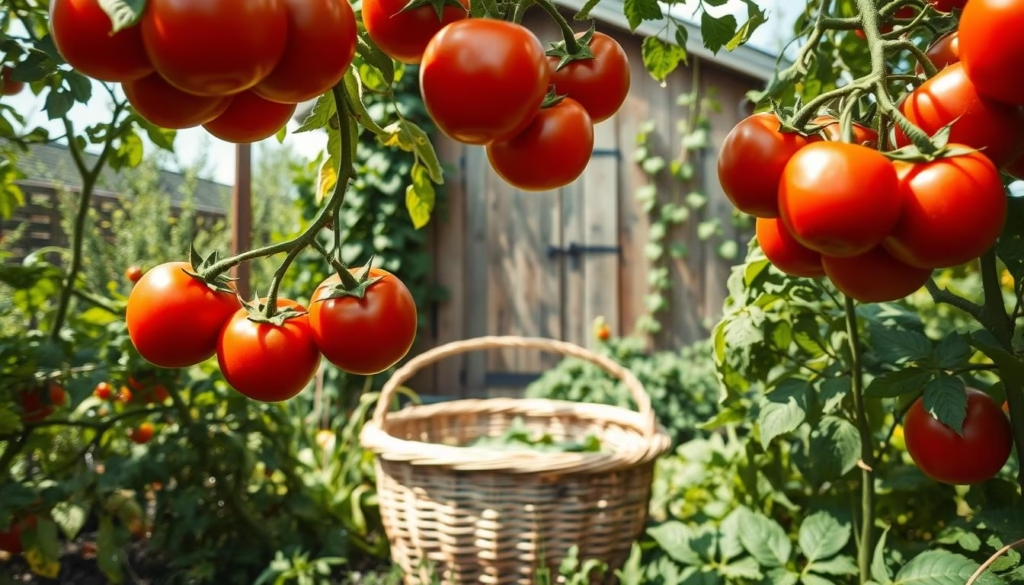
Harvesting tomatoes right helps you enjoy them more and keeps the plant healthy. Gently twisting the fruit from the stem helps avoid damage. Regular checks on your plants are vital to catch ripe tomatoes before they spoil.
Remember these tips for a successful harvest:
- Inspect plants daily during peak ripening periods.
- Use clean, sharp tools if necessary to cut stems.
- Handle fruit gently to avoid bruising.
Storing and Preserving Your Tomatoes
Keeping your tomatoes fresh and tasty is key. Knowing how to store them well helps keep their flavour and texture. There are many ways to preserve tomatoes, so you can enjoy them all year.
Techniques for Proper Storage
Keep fresh tomatoes at room temperature, away from sunlight. This helps keep their flavour at its best. When they’re ripe, try these methods to make them last longer:
- Canning: Preserve your tomatoes in jars for delicious sauces and salsas.
- Freezing: Quarter or slice your tomatoes before freezing to maintain texture.
- Drying: Use a dehydrator or an oven to create dried tomato snacks for a concentrated flavour.
Tips for Making Tomato-Based Products
Making your own tomato products adds a special touch to your cooking. Here are some tips for making tomato sauces:
- Start with fresh, ripe tomatoes for the best flavour.
- Incorporate herbs and spices such as basil, garlic, and oregano for enhanced taste.
- Cook your sauce slowly to develop rich, robust flavours.
Use your homemade tomato sauces in pasta, soups, or stews. They bring out the best in your homegrown tomatoes. You can tailor your recipes and make sure you use every tomato.
Enjoying the Fruits of Your Labor
After caring for your tomato plants, it’s time to enjoy the tasty results. Homegrown tomatoes are full of flavour and great for many dishes. Try making a Caprese salad with fresh tomatoes, mozzarella, and basil for a delicious treat.
Delicious Recipes Featuring Homegrown Tomatoes
Maybe you like a rich pasta sauce with your tomatoes. Roasting them with garlic and herbs makes them even tastier. In the kitchen, you’ll find many ways to enjoy tomatoes, making your meals special.
Ways to Share Your Harvest with Friends and Family
Sharing your tomatoes with loved ones brings happiness and builds community. Host a garden party to show off your tomatoes. Make dishes that highlight your tomatoes, so everyone can enjoy your hard work. This creates wonderful memories and might inspire others to garden too. So, share your harvest and enjoy the fruits of your labour!