Ever thought how a few herbs can make your meals special? Starting an herb garden in the UK lets you enjoy fresh flavours from your garden. It makes your cooking better and gives you a steady supply of fresh ingredients.
Home-grown herbs not only improve your cooking but also have many benefits. They can boost your health and help the environment. This article will show you great herb garden ideas and guide you on growing herbs at home.
Key Takeaways
- Home-grown herbs can significantly enhance your culinary dishes.
- Growing herbs allows you to enjoy fresher ingredients sustainably.
- You can explore various herb garden ideas suitable for your space.
- Starting an herb garden is an accessible hobby for many gardeners.
- Careful planning can ensure successful growth and flavourful harvests.
- Visit this guide for more tips on herb gardening.
Why Start a Herb Garden in the UK?
Starting a herb garden in the UK is a great way to add flavour and benefits to your life. It lets you have fresh herbs right in your backyard. This makes cooking more enjoyable and saves money by avoiding pre-packaged herbs.
Benefits of Growing Your Own Herbs
One big advantage of growing herbs is having fresh seasonings whenever you need them. With herbs like basil, chives, and thyme, you can pick what you need. This ensures your dishes taste their best.
Here are more benefits:
- Cost-effectiveness: It’s cheaper to grow your own herbs than to buy them.
- Enhanced flavour: Fresh herbs make your food taste better than dried ones.
- Health benefits: Many herbs are good for your health.
Environmental Impact of Home Gardening
Home gardening has a positive effect on the environment. Your herb garden in the UK helps local wildlife and reduces carbon emissions. Here’s why it’s important:
- Supports biodiversity: Your garden is a home for many species, helping the ecosystem.
- Reduces carbon emissions: Growing herbs locally means less need for transport and packaging.
- Improves air quality: Plants clean the air, making your home healthier.
Choosing the Right Location for Your Herb Garden
The success of your herb garden depends on where you place it. Knowing the sunlight requirements for herbs is key. Most herbs love full sun, needing lots of light.
Try to find a spot that gets at least six hours of direct sunlight. If your garden doesn’t get much sun, don’t worry. Herbs like chervil and parsley do well in partial shade.
Sunlight Requirements
It’s important to know the sunlight requirements of your herbs. This affects their growth and flavour. Here are some common herbs and their light needs:
- Basil: Needs full sun, 6-8 hours daily.
- Mint: Does well in partial shade but can handle full sun.
- Thyme: Prefers full sun, best with 6-8 hours each day.
- Chervil: Grows well in partial shade with some sun.
Protection from Wind and Frost
Wind can harm young plants, so wind protection is vital. Look for spots shielded from strong winds, like against walls or fences. This keeps your herbs safe and helps them grow better.
Frost can also damage herbs, mainly in colder months. Choose a spot that’s warm and protected from frost. This will help your herbs thrive all year.
Selecting Herbs to Grow in Your Garden
Starting a herb garden is a great way to add beauty and usefulness to your space. Choosing the right herbs for the UK can make your garden look better and give you fresh ingredients. Herbs like basil, rosemary, thyme, and mint are popular for cooking and attract helpful insects. They grow well in many UK climates, making them perfect for all gardeners.
Popular Herb Choices for UK Gardens
Think about what you like to cook and how your garden will look when picking herbs. Here are some great options:
- Basil – Great for salads and Italian dishes.
- Rosemary – A hardy plant perfect for roasts.
- Thyme – Versatile and aromatic for many dishes.
- Mint – Refreshing in drinks and desserts.
These herbs are not just useful in cooking. They can also make your garden look better. Group them by size and spread for a neat and easy-to-care-for garden.
Culinary vs. Medicinal Herbs
Culinary herbs like basil and rosemary are loved by many. But medicinal herbs like chamomile and fennel are also great. They can make your garden look good and offer health benefits. Knowing the benefits of each type helps you create a garden that’s both beautiful and useful.
Preparing Your Garden Space
Starting a herb garden begins with preparing your garden space. This step is key to making sure your herbs grow well and taste great. Soil quality is a big part of this. Most herbs like soil that drains well and has organic matter.
Mediterranean herbs like thyme and rosemary do well in poor soil. They don’t need much to grow.
Soil Quality and Preparation
First, check the soil in your garden. Add compost or manure to make it better. A soil test can show if your soil needs anything.
Creating a balanced soil environment helps your herbs grow strong. Healthy soil means healthy herbs.
Container Gardening vs. In-Ground Beds
Container gardening is great for small spaces or changing light. You can move plants to get more sun or protect them from bad weather. Make sure your pots drain well to avoid root rot.
In-ground beds give more room for plants and better access to nutrients. Raised beds are good for those who want to control the soil. Your choice depends on how much space you have and what you like.
Planting Your Herbs
Planting herbs right can really help them grow well. You can start with seeds or move seedlings. With some planning and care, your herb garden will thrive.
Best Practices for Planting Seeds
When planting seeds, it’s key to follow the depth and spacing guidelines. This lets your plants grow without fighting for food. For annual herbs like basil, starting seeds indoors is smart. This way, you can move them outside when it’s safe.
Here are some tips to improve your seed planting:
- Choose high-quality seeds that fit your climate.
- Prepare seed trays with soil that drains well.
- Water the seeds lightly after planting, keeping the soil moist but not too wet.
Transplanting Seedlings into Your Garden
Transplanting seedlings needs careful planning. Start by getting them used to outdoor conditions slowly. Make sure your garden bed is ready, with loose soil and enough sunlight. Here are some tips for transplanting:
- Water well to help the soil settle around the roots.
- Space the seedlings right to avoid them getting too crowded.
- Watch the seedlings closely for any signs of stress in their first days outside.
Watering and Caring for Your Herb Garden
Looking after your herb garden is key to its health and taste. Knowing how much water herbs need is important. Most herbs do best when the soil is a bit dry before you water again. This helps their roots grow strong and avoids disease from too much water.
In hot weather, your herbs need more water. Regular watering helps their roots grow well. Water in the morning or late afternoon to reduce evaporation and help them absorb more water. Watching your plants will show you what they need based on their growth and the weather.
Understanding Watering Needs
Herbs have different water needs. For example, basil likes more water than rosemary, which prefers drier soil. Grouping herbs by their water needs makes caring for them easier.
| Herb | Watering Frequency | Soil Moisture Preference |
|---|---|---|
| Basil | Every 3–4 days | Consistently moist |
| Thyme | Every 6–7 days | Dry between waterings |
| Mint | Every 3–5 days | Moist but well-drained |
| Parsley | Every 4–5 days | Evenly moist |
Fertilisation Tips for Healthy Growth
To help your herbs grow well, use organic fertilisers like seaweed or comfrey feed after you harvest. This not only feeds your plants but also keeps your garden healthy. Feeding your herbs lightly helps them grow strong without too many nutrients.
For perennial herbs, give them a spring top dressing with fresh compost. This boosts their growth and stops them from getting too much fertiliser. Too much fertiliser can make your herbs taste less good and make them more vulnerable to pests. With good care, your herbs will grow well and give you delicious flavours all season.
Pests and Diseases to Watch For
Keeping your herb garden healthy means watching out for pests and diseases. Spotting problems early and using the right solutions helps your plants stay healthy and tasty. Knowing about common pests in UK herb gardens is key to controlling them.
Common Herb Garden Pests in the UK
Herb gardens attract pests that harm plants. Some common pests in UK gardens include:
- Aphids – Tiny insects that suck the sap from plants, causing wilting.
- Slugs – These molluscs can devour leaves and stems, creating significant damage.
- Whiteflies – Small flying insects that weaken your herbs by feeding on plant juices.
To fight these pests, try organic methods. Companion planting, where you place certain plants together, can help. Insecticidal soap is also a good tool for controlling infestations.
Preventing and Treating Plant Diseases
Checking your plants regularly is important for spotting diseases early. Look for discoloured leaves or unusual spots. These could be signs of illness. Rotating your plants can stop diseases from spreading. Better air flow around your garden also helps prevent disease.
In short, tackling pests and diseases is essential for a healthy herb garden. Stay alert and your garden will give you a rich harvest of fresh herbs.
Harvesting Your Herbs
Knowing when and how to harvest herbs can make them taste better and grow stronger. It’s good for your cooking and helps your plants do well.
When to Harvest for Maximum Flavor
Harvest most herbs in the morning when the dew is gone. This is when their oils are most concentrated, making them taste better. Regular harvesting also makes them grow bushier, which is great for annuals.
Watch for signs of flowers. This means it’s time to pick your herbs before their taste fades.
How to Harvest Without Damaging Plants
Use sharp scissors or shears to harvest your herbs. Cut just above a node, where leaves branch off. This lets the plant keep growing.
For herbs like basil, pinch off the buds. This keeps your plants producing more throughout the season.
Preserving and Storing Fresh Herbs
Preserving herbs lets you enjoy them all year. You can dry or freeze them. Both ways keep their flavour for a long time.
Drying Herbs for Long-Term Storage
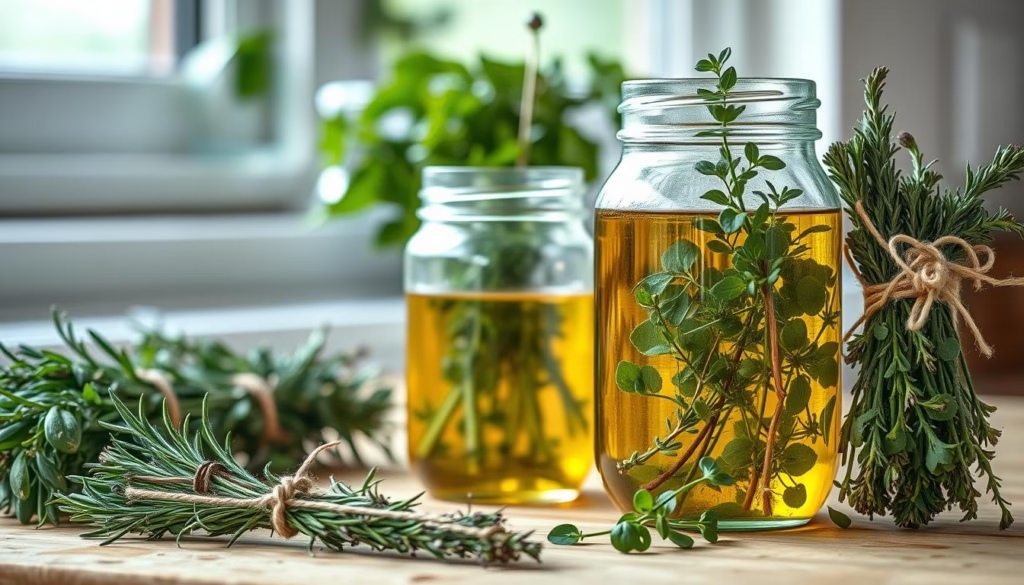
Drying herbs is a classic method. Hang bunches upside down in a cool, dark spot. This keeps their scent strong.
You can also use a dehydrator for better control. Always store dried herbs in airtight containers. Label them so you can find what you need easily.
Freezing Techniques for Fresh Herbs
Freezing herbs is another great way to keep them fresh. Chop herbs and fill ice cube trays with water or oil. Once frozen, move them to a plastic bag.
This method lets you quickly add fresh herbs to your dishes. Check out simple recipes that use these preserved herbs.
Using Herbs in Your Cooking
Adding fresh herbs to your meals can change how you enjoy food. Herbs like basil, cilantro, and parsley make dishes taste better and are good for you. They add depth and help you eat a balanced diet. With the right methods, you can make tasty dishes that highlight your home-grown herbs.
Simple Recipes Featuring Fresh Herbs
Trying out recipes with herbs can introduce you to new and healthy tastes. Here are some easy ideas:
- Herb-infused oils: Mix extra virgin olive oil with chopped herbs for a tasty addition to salads or grilled veggies.
- Fresh pestos: Blend basil or cilantro with nuts, garlic, and olive oil for a quick sauce for pasta or sandwiches.
- Herb garnishes: Use finely chopped herbs to make soups and main dishes look and taste better.
Benefits of Incorporating Herbs into Meals
Herbs in cooking do more than just add flavour. They are full of vitamins and antioxidants, making your meals healthier. Herbs like rosemary help with digestion, and thyme fights bacteria. Adding herbs to your food boosts your taste and health.
Seasonal Considerations for UK Herb Gardening
Seasonal herb gardening needs careful attention to your herbs all year. Each season brings its own challenges and chances. By adjusting your care, you can keep your herb garden strong. Follow specific tips for winter and summer to help your plants thrive.
Preparing Your Garden for Winter
When winter comes, protect your delicate herbs. Move potted herbs inside or cover them to avoid frost. Cutting back plants like mint and removing dead leaves encourages new growth in spring. It’s key to care for your garden well during winter.
- Bring potted herbs indoors if possible.
- Cover outer plants with frost cloths.
- Cut back mint and similar herbs.
- Remove any dead foliage to prevent disease.
Herb Garden Maintenance in the Summer
In summer, regular care is essential for your herbs to grow well. Make sure to water them often, as it gets hot. Also, remove weeds quickly. Pinching back flowering stems helps your herbs grow bushier and live longer. Summer care is a big part of gardening.
- Water your herbs deeply but infrequently to encourage deep roots.
- Weed regularly to reduce competition for nutrients.
- Pinch back flower stems to extend harvest time.
- Fertilise with a balanced feed to support growth.
Joining the Herb Gardening Community
Getting involved with the herb gardening community can really boost your gardening skills. You’ll get practical tips and advice from others who love gardening as much as you do. Plus, you’ll make friends who share your passion for growing herbs.
Local gardening groups and online forums are great places to find tips and resources. On social media, you can share your gardening journey and learn from others. This way, you’ll feel part of a community and get new ideas to try in your garden.
Being part of these communities can change how you garden. You’ll get inspiration and support from others. So, join in, share ideas, and grow your love for gardening herbs in the UK!