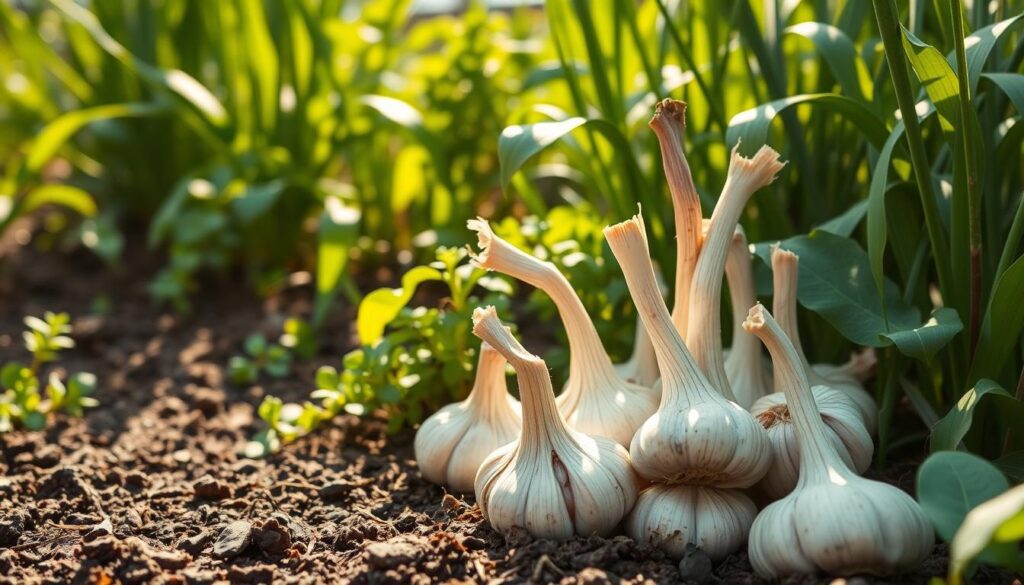
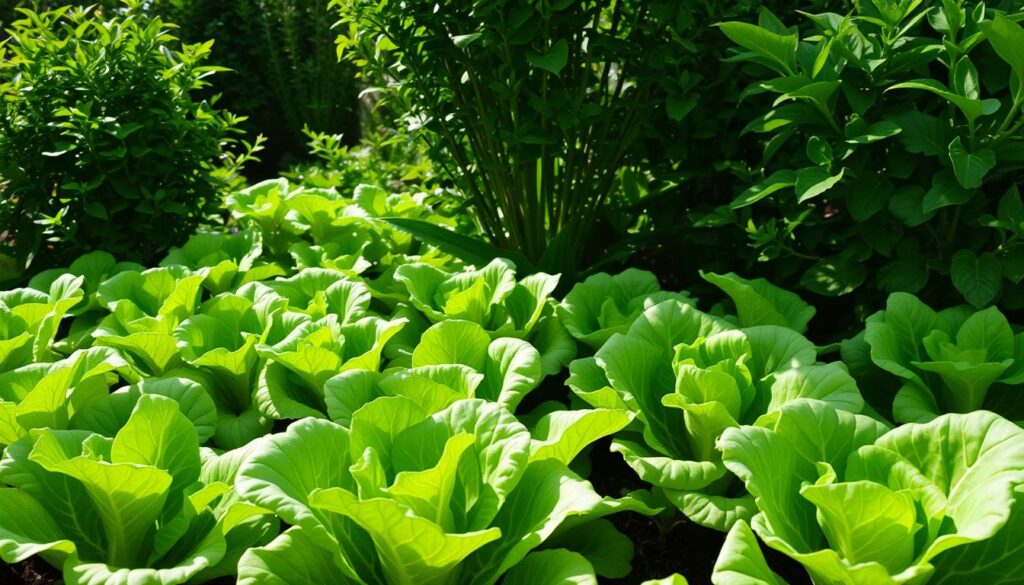
Ever thought about how shade from taller plants could help your lettuce grow? It might seem odd, but it’s a clever way to boost your lettuce yield. By shielding your lettuce from strong sunlight, you prevent it from bolting and create the perfect spot for it to thrive.
Learn how to use shade wisely in your garden. It’s not just about growing lettuce. It’s also about making the most of your space and growing a variety of crops. These are some top tips for growing lettuce in your garden.
Key Takeaways
- Shade can protect lettuce from harsh sunlight, improving growth conditions.
- Reduced bolting leads to a prolonged harvesting period for lettuce.
- Companion planting helps to manage space efficiently in your garden.
- Increasing crop diversity can lead to healthier overall yields.
- This method can optimise your lettuce cultivation techniques.
Understanding Lettuce Growth Requirements
To grow lettuce well, knowing its needs is key. Learning how to grow lettuce can greatly improve your harvest. It needs the right amount of sunlight, temperature, and soil.
The Importance of Sunlight
Sunlight is essential for lettuce growth. It needs at least 6 hours of direct sunlight daily for best growth. Without enough light, plants can become leggy or grow poorly.
But, too much sunlight can stress the plants, causing them to bolt. Finding the right balance, even in summer, is important.
Ideal Temperature Range
The best temperature for growing lettuce is between 15°C and 20°C. If it gets too hot, plants may become stressed. This can make them taste bitter or grow poorly.
Keeping the temperature right helps your lettuce stay healthy and tasty.
Soil Preferences for Lettuce
Lettuce likes well-drained, rich soil that holds moisture well. The right soil is key to growing good lettuce. Adding organic matter or compost regularly helps.
Benefits of Companion Planting
Companion planting brings many benefits, mainly for organic lettuce farming. By placing different plants together, you boost nutrient availability. This creates a balanced garden ecosystem. It also helps your lettuce grow healthier and increases its yield.
Enhancing Nutrient Availability
Some plants add vital nutrients to the soil, helping nearby crops. Tall plants, for example, offer shade to young lettuce, protecting it from too much sun. Their roots also improve soil structure, helping with water and nutrient flow. This makes your garden more productive and supports healthy lettuce growth.
Pest Control Through Diversity
A garden with many plants can keep pests away. Companion planting attracts beneficial insects, which help control pests. This diversity makes your garden less appealing to harmful pests, protecting your lettuce. So, planning your garden with companion planting leads to healthier crops and a stronger ecosystem.
The Concept of Shade Gardening
Shade gardening is a special way to grow plants, great for lettuce. It means planting in spots that get some sunlight but not too much. This is good in hot months when too much sun can hurt lettuce.
What is Shade Gardening?
In shade gardening, you place plants to get the most growth with less sun. It’s perfect for lettuce because it does well in low light. Learning about shade gardening can make your gardening better and more rewarding.
Benefits of Growing in the Shade
There are many good things about growing lettuce in the shade. Some key benefits are:
- Reduced Temperature Stress: Lettuce loves cooler places, making shade gardening great in summer.
- Extended Growing Season: Cooler shade stops lettuce from going to seed too soon, so you can harvest longer.
- Improved Soil Moisture Retention: Shade keeps the soil wet, which is key for growing lettuce well.
Exploring Taller Plants for Shade
Choosing taller plants for shade is a smart move in companion planting. Plants like tomatoes and peppers grow tall and support lettuce growth. Knowing which plants to pick can make your garden more efficient and increase yields.
Popular Tall Plants for Companion Planting
- Tomatoes: These robust plants thrive in similar conditions to lettuce and can provide ample shade.
- Peppers: With their upward growth habit, peppers protect lettuce from harsh sunlight while sharing nutrients in the soil.
- Sunflowers: Tall and vibrant, sunflowers can offer significant shade and attract beneficial insects.
- Corn: This tall crop can provide excellent shade, making it a great companion for lettuce.
Assessing Light Levels in Your Garden
It’s important to check light levels in your garden for the best companion planting. Knowing which spots get sunlight and which are shaded is key. Watch your garden during the day to see:
- Identify direct sunlight areas from morning until evening.
- Observe partial shade spots in the late afternoons.
- Consider seasonal changes that may affect light levels.
Understanding light levels helps you plan better. Use this info with the best lettuce growing tips to create a great growing space.
Maximising Space in Your Garden
Using vertical gardening can make your garden more productive. It’s great for growing lettuce, making your garden more diverse and efficient. You can have plants of different heights, making the most of your space.
Vertical Gardening Techniques
Vertical gardening uses many methods to make the most of space. Some popular ones are:
- Trellising: This method trains climbing plants to grow up. It’s perfect for plants like lettuce that do well in a confined space.
- Wall Planters: These planters let you grow lettuce vertically. They also add beauty to your garden.
- Vertical Planter Towers: These towers let you grow many plants in a small area. They increase yields in tight spaces.
Interplanting: A Guide to Success
Interplanting means placing plants together in a way that helps them grow well. When growing lettuce with taller plants, choose companions that offer shade when it’s hot. This creates a balanced garden that’s great for lettuce.
- It makes the most of your space by using different heights.
- It attracts beneficial insects and increases biodiversity.
- It uses light, nutrients, and moisture more efficiently.
The Role of Soil Health
Soil health is key for a good lettuce harvest. The right soil conditions are essential for your organic lettuce farming. Knowing about soil structure and nutrients helps your lettuce grow well.
Composting for Nutrient-Rich Soil
Composting is vital for nutrient-rich soil, which is great for lettuce. Adding organic matter makes the soil better for roots to grow. It also boosts microbial activity, helping plants absorb nutrients better.
Using compost meets your lettuce’s nutrient needs. Mix kitchen scraps, straw, and leaves to make a good compost blend.
Testing Soil Quality and Amendments
Testing soil quality is important for organic lettuce farming. Soil tests help find nutrient gaps and what’s needed to fix them. This keeps the soil healthy and lets you act fast to help your lettuce grow.
Watch the soil’s pH, moisture, and organic matter levels. This helps you add the right stuff for your garden. For more on soil health, check out this useful resource.
| Soil Health Indicator | Impact on Lettuce Growth |
|---|---|
| Soil Organic Matter (SOM) | Enhances nutrient availability and improves moisture retention. |
| Soil pH | Affects nutrient absorption; ideal pH for lettuce is 6.0-7.0. |
| Microbial Biomass Nitrogen (MBN) | Indicates soil fertility and supports healthy plant growth. |
| Total Nematode Number (TNN) | Reflects biological activity in the soil; high TNN indicates good health. |

Watering Techniques for Lettuce
Keeping the soil moist is key for growing lettuce well. Without proper watering, your lettuce might not grow well. This could make them stunted or bolt. We’ll look at ways to water your lettuce right, helping it grow strong and healthy.
Importance of Consistent Moisture
It’s vital to keep the soil moisture steady for lettuce to grow well. If the moisture changes too much, the plants can get stressed. This stress might make them bolt or taste bitter. Good watering helps the roots grow strong and supports healthy plants.
Efficient Watering Methods
There are smart ways to water your lettuce. Here are some top methods:
- Drip irrigation: This method waters the soil right at the roots. It cuts down on evaporation and keeps the moisture even.
- Soaker hoses: Great for rows, soaker hoses slowly water the soil. This gives the roots deep hydration without wasting water.
- Hand watering: Though it takes more effort, hand watering lets you check the moisture. You can adjust based on your garden’s needs.
Using these watering methods can really help your lettuce grow. It’s all about keeping the soil moist and using the right techniques. This way, you’ll get a big and healthy harvest.
Seasonal Considerations for Lettuce
Understanding seasonal changes is key for growing organic lettuce. Knowing when to plant can greatly improve your harvest. Different lettuce types grow best at different times, and adjusting care is essential for their health.
Best Seasons for Planting
Early spring and late summer are the best times to plant lettuce. Cool weather during these periods helps prevent bolting, caused by too much heat. Learning when to plant can extend your harvest and increase your yield.
Adjusting Care Through the Seasons
As the weather changes, so should your care routine. In warmer months, you might need to water more often. Using shade can also help protect your plants from heat stress. Adapting your care methods through the seasons can lead to healthier plants and better yields.
Common Mistakes to Avoid
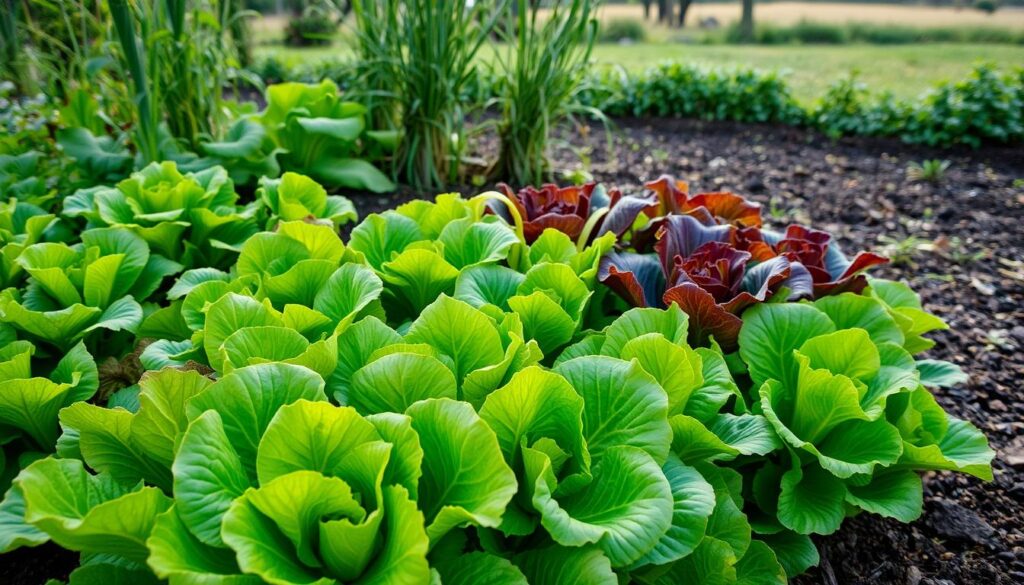
Growing lettuce can be very rewarding. But, it’s key to avoid common mistakes that can stop you from succeeding. Knowing how to manage space and pests is vital for your plants’ health and growth.
Overcrowding Your Garden
One big mistake gardeners make is overcrowding their plots. When plants are too close, air can’t move well. This creates a perfect spot for diseases to spread.
This can slow down your lettuce’s growth and lower your harvest. Make sure each plant has enough room. Also, think about planting companions that use space wisely without harming your plants.
Ignoring Pest Management
Good pest management is essential for growing great lettuce. If you ignore pests, they can damage your crop a lot. This can make your lettuce less tasty and less in number.
Learn about common pests like aphids and slugs. Use methods like introducing beneficial insects to protect your lettuce. This way, you can keep your plants safe without using harmful chemicals.
Harvesting Lettuce: When and How
Knowing when to start harvesting lettuce is key for the best taste and texture. You want your greens to be at their best for a tasty salad. Spotting the right signs of readiness is important for success.
Signs That Lettuce is Ready to Harvest
Here are a few ways to tell if your lettuce is ready:
- Leaf Size: Look for leaves that are big but not too big or hard.
- Colour: Healthy, bright green leaves mean your lettuce is ready.
- Texture: Leaves should be crisp and firm, showing they’re fresh.
By watching for these signs, you can grow lettuce better and enjoy more flavour in your meals.
Best Practices for Cutting Lettuce
Using the right methods when harvesting is key for more growth and longer harvests. Here are some top tips:
- Use Clean Tools: Always use sterilised scissors or garden shears to avoid harming plants and spreading disease.
- Cut at the Right Time: Pick in the morning when it’s cooler; this keeps the leaves crisp.
- Harvesting Method: Start with the outer leaves, letting the inner ones grow for later harvests.
Following these tips will make your lettuce harvesting better and lead to more crops in the future.
Encouraging Continuous Growth
To keep your lettuce fresh all season, try succession planting. This means planting seeds at different times. This way, you get a steady supply of lettuce from your garden.
By planting seeds every couple of weeks, your lettuce will grow at different times. This keeps your garden full of fresh lettuce. It also means you don’t have to worry about one big harvest.
Rotating your crops is also good for your garden. It keeps the soil healthy and stops pests and diseases. This makes your garden stay vibrant and healthy.
Combining succession planting with crop rotation makes your garden grow well. Your lettuce will stay healthy and fresh for months. These steps make gardening more fun and rewarding.