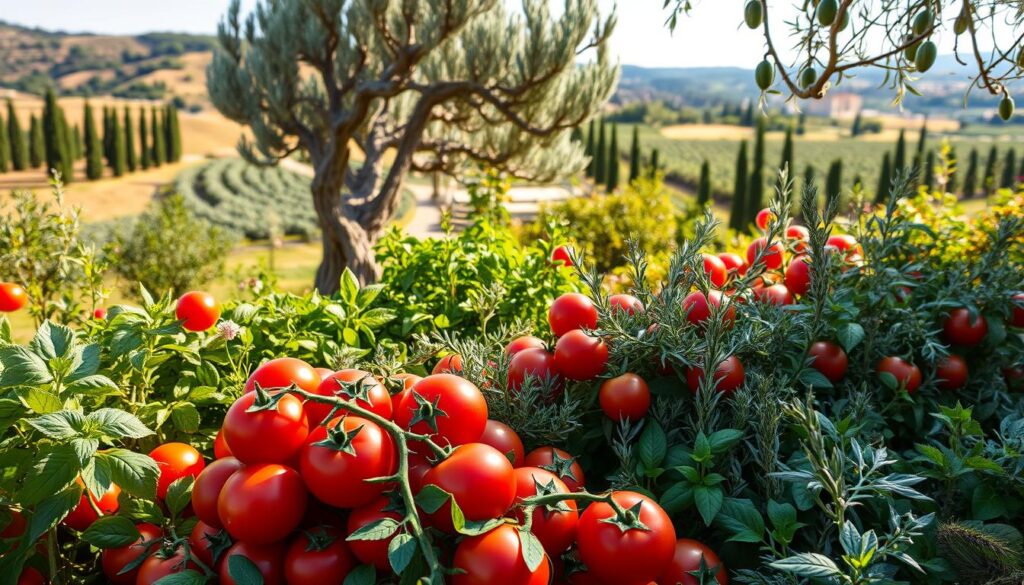
Ever thought about the amazing tastes you could get from growing your own pizza ingredients? Starting a pizza garden for Italian food is a fun way to make your homemade pizzas better. Imagine enjoying a pizza made with herbs and veggies from your garden. It changes how you see Italian food.
Key Takeaways
- A pizza garden enhances the flavour of your dishes with fresh, home-grown ingredients.
- Italian cuisine relies on specific herbs and vegetables to achieve authentic flavours.
- Growing your own ingredients saves money and reduces environmental impact.
- Choosing the right location and soil is essential for thriving plants.
- Incorporating diverse herbs and vegetables can lead to creative pizza options.
- Pest control and organic methods help maintain a healthy garden.
Introduction to Your Pizza Garden
Starting a pizza garden is an exciting journey into the world of pizza garden Italian food. You get to control what goes into your meals. This garden is a place where you can grow flavours you love, ensuring they are fresh and chemical-free.
Why Grow a Pizza Garden?
Creating a pizza garden is a great way to involve your family in gardening. It’s a fun activity that teaches teamwork and responsibility. It’s perfect for family-friendly dining.
Seeing your kids take care of their plants can make them appreciate food more. They’ll understand where their food comes from.
Benefits of Growing Your Own Ingredients
The benefits of growing your own ingredients are huge. Fresh, home-grown ingredients make your meals taste better and are healthier. They bring vibrant flavours and nutrients into your kitchen.
Using home-grown tomatoes, basil, and herbs in pizza not only boosts the taste. It also improves your health.
Essential Herbs for Italian Flavours
Herbs are key to making real Italian flavours. They turn simple dishes into amazing meals. Growing these herbs in your garden makes your pizzas even better. Adding them to your pizza toppings makes every bite special.
Basil: The Heart of Italian Cooking
Basil is a top herb in Italian cooking, known for its unique taste. It loves warm weather, so it’s perfect for your garden. You can use it whole or chopped, in tomato sauces or pesto. Its smell makes any dish taste better, making it a must for Italian food lovers.
Oregano: A Must-Have for Pizza
Oregano is all about pizza and gives it that classic taste. It’s easy to grow and needs little care. Whether dried or fresh, it makes your pizza taste amazing, bringing out the best of Italian flavours.
Rosemary and Thyme: Aromatic Allies
Rosemary and thyme are great for your pizza garden. Rosemary smells like pine and goes well with roasted veggies. Thyme adds a nice earthy taste. Using these herbs in your cooking can make your pizza stand out. They can make any meal exciting and full of flavour, whether fresh or dried.
| Herb | Primary Uses | Growing Conditions |
|---|---|---|
| Basil | Pasta sauces, pesto, salads | Warm, sunny environment |
| Oregano | Pizza, sauces, marinades | Sunny, well-drained soil |
| Rosemary | Roasted dishes, bread | Full sun, dry conditions |
| Thyme | Stews, soups, pizza | Sunny, well-drained soil |
Tomatoes: The Star Ingredient
Tomatoes are the heart of pizza. They add richness and flavour, making them key for great pizza sauce. Picking the right tomatoes is vital for the taste you want, using fresh ingredients from your garden.
Choosing the Right Tomato Varieties
To make perfect pizza sauce, choose tomatoes for their flavour and texture. Here are some top picks:
- Roma: A paste tomato with dense flesh, ideal for cooking into rich sauces.
- San Marzano: Renowned for their sweetness and low moisture content, perfect for traditional Italian recipes.
- Brandywine: Heirloom tomatoes that offer an exceptional taste, great for fresh toppings.
Growing Tips for Juicy Tomatoes
To grow juicy tomatoes, follow these tips:
- Plant tomatoes after the last frost date to prevent damage.
- Choose a location that receives at least six to eight hours of sunlight daily.
- Use stakes or cages to support plants as they grow, helping maintain healthy stems.
- Regularly water your plants but avoid overhead watering to minimise disease risk.
Peppers: For a Touch of Sweetness
Sweet peppers are a great choice for adding to your pizza toppings. They bring colour, crunch, and sweetness to your dishes. Growing bell peppers at home can be rewarding, with many varieties to try.
Popular Pepper Varieties for Pizza
For your garden, consider ‘King of the North’ and ‘Carmen’ peppers. They’re known for their strong flavour and are easy to grow. They do well in warm weather, perfect for summer pizza nights.
Cultivation Tips for Optimal Growth
To grow bell peppers well, remember these tips:
- Start planting after any threat of frost has passed.
- Ensure they receive ample sunlight, aiming for at least six to eight hours a day.
- Use nutrient-rich soil to provide your peppers with the essential vitamins and minerals they need.
- Water regularly, keeping the soil consistently moist but not soggy.
Follow these tips to get a good harvest of sweet peppers. This will make your homemade pizzas even more delicious.
Onions and Garlic: The Aromatic Basics
Onions and garlic are key in many Italian dishes. They make your favourite recipes taste better. Choosing the right onions and garlic can make your cooking stand out.
Whether you want sweet or strong flavours, both onions and garlic offer something special. They add depth to your meals, making your pizza garden even more enjoyable.
Types of Onions for Cooking
For cooking, sweet onions like Alisa Craig and red onions are great. They add a mild yet tasty flavour to your pizzas or sauces. Shallots are sweet and delicate, while yellow onions are very versatile.
Each onion type has its own unique taste. They blend well with garlic, making your dishes taste amazing.
Growing Garlic: A Step-by-Step Guide
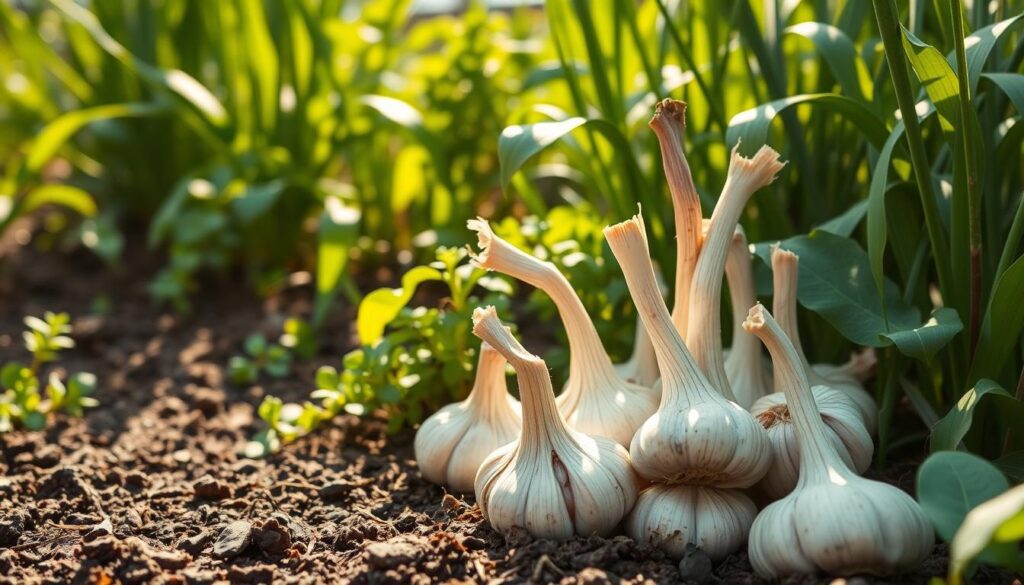
Growing garlic is easy, and home-grown garlic is a great choice. Start by picking healthy garlic bulbs from trusted sources. Plant the cloves in autumn for a summer harvest.
Make sure the soil is loose and drains well. Garlic needs good drainage to avoid rot. Keep the plants watered and mulch to protect the bulbs as they grow.
Leafy Greens: Adding Freshness
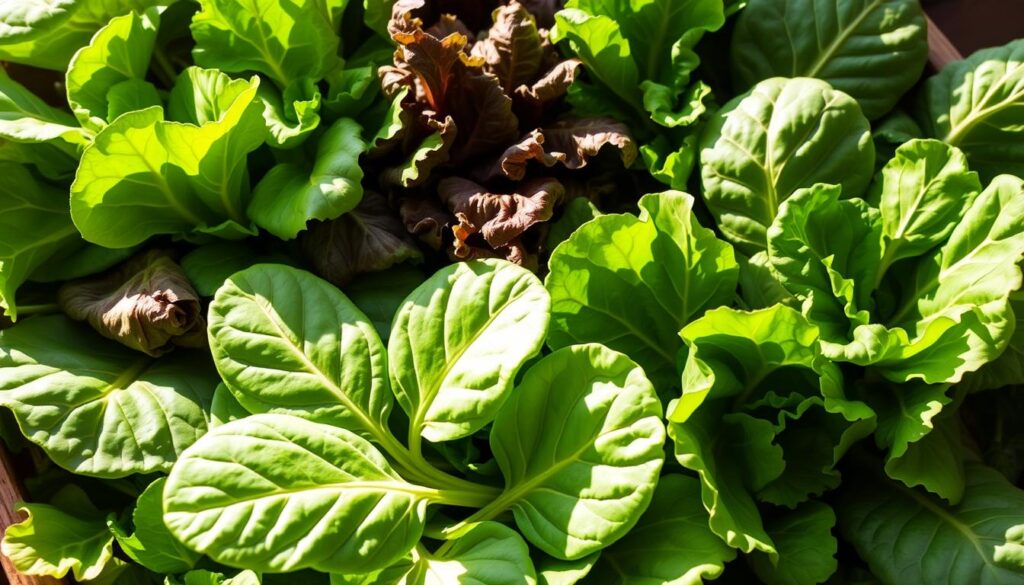
Leafy greens are key to making your pizza fresh and healthy. Choosing the right greens can make your pizza taste great and be good for you. Spinach and rocket are top picks for pizza toppings because they add flavour and nutrition.
Spinach: Nutritional and Delicious
Spinach is packed with nutrients like iron, vitamins, and minerals. It grows well and can be picked many times. Its mild taste goes well with other ingredients, making it great for pizza.
Use fresh spinach leaves as a topping or mix it into sauces. It adds a nice depth of flavour.
Rocket: A Peppery Twist for Your Pizza
Rocket, or arugula, adds a peppery kick to your pizzas. It makes the taste of your pizza better by adding a spicy touch. Rocket grows fast and can be planted directly in the garden or pots.
Its tender leaves are perfect for topping pizzas. Add them just before serving to keep them crisp.
Choosing the Right Location for Your Garden
Finding the perfect spot for your pizza garden is key. It sets the stage for a fruitful harvest. Most plants love the sun, needing 6 to 8 hours of it each day. Knowing this helps you place them right in your garden.
Sunlight Requirements for Your Plants
It’s important to know how much sun your plants need. A sunny part of your yard is best for them to grow strong. Watch how the sun moves to make sure your plants get enough light.
Some plants do well in the shade, while others need the sun. Always choose a spot that lets your plants grow as much as they can.
Soil Preparation: Making Your Garden Grow
Getting your soil right is vital for a great garden. Start with a soil test to see what nutrients it has and its pH level. This info helps you know what to add to make it better.
Adding compost improves the soil’s texture and helps with growth. For raised beds and pots, use a good potting mix. Good soil means strong roots and a better harvest.
For more tips on growing a pizza garden, check out these resources. They can help make your gardening journey fun and fruitful.
Pest Control and Organic Gardening Practices
To keep your Italian garden thriving, watch out for pests. Spotting common pests is key to controlling them. Organic gardening is a green way to manage pests, keeping your plants and food safe.
Common Pests in Italian Gardens
Italian gardens draw pests like aphids, spider mites, and whiteflies. These pests can harm your plants. Catching them early stops big problems and keeps your pizza ingredients top-notch.
Organic Methods to Protect Your Plants
Organic pest control makes your garden healthier. Here are some good methods:
- Companion Planting: Plant certain plants with others to keep pests away. For example, marigolds with tomatoes can keep insects off.
- Natural Repellents: Neem oil or insecticidal soap can fight pests without harming good bugs.
- Introducing Beneficial Insects: Ladybugs and lacewings help control aphids.
Using these organic methods in your garden makes it a balanced place. This ensures you get plenty of fresh ingredients for your pizzas.
| Pest | Damage | Organic Control Method |
|---|---|---|
| Aphids | Suck sap from plants, causing wilting | Introduce ladybugs or use insecticidal soap |
| Spider Mites | Leaves may appear stippled or faded | Spray with neem oil regularly |
| Whiteflies | Excessive honeydew leads to sooty mould | Utilise yellow sticky traps to catch them |
Harvesting Your Garden’s Bounty
Harvesting is key to enjoying your pizza garden’s hard work. Knowing when to pick your ingredients makes your dishes taste better. It’s all about picking at the right time for the best flavours.
When to Harvest Your Ingredients
Timing your harvest depends on the ingredient. For example:
- Tomatoes are ready when they’re fully ripe, showing a deep colour and soft feel.
- Herbs are best picked just before they flower, for the best oils and flavours.
- Garlic is ready when the tops start to turn brown and dry.
How to Store Fresh Produce for Maximum Freshness
Storing your produce right is important to keep it fresh. Here are some tips:
- Store herbs upright in a glass of water, like a bouquet, to keep them fresh.
- Dry extra herbs on a flat surface in a cool, dark place for later use.
- Keep tomatoes at room temperature to avoid them getting too ripe in the fridge.
Cooking with Your Fresh Ingredients
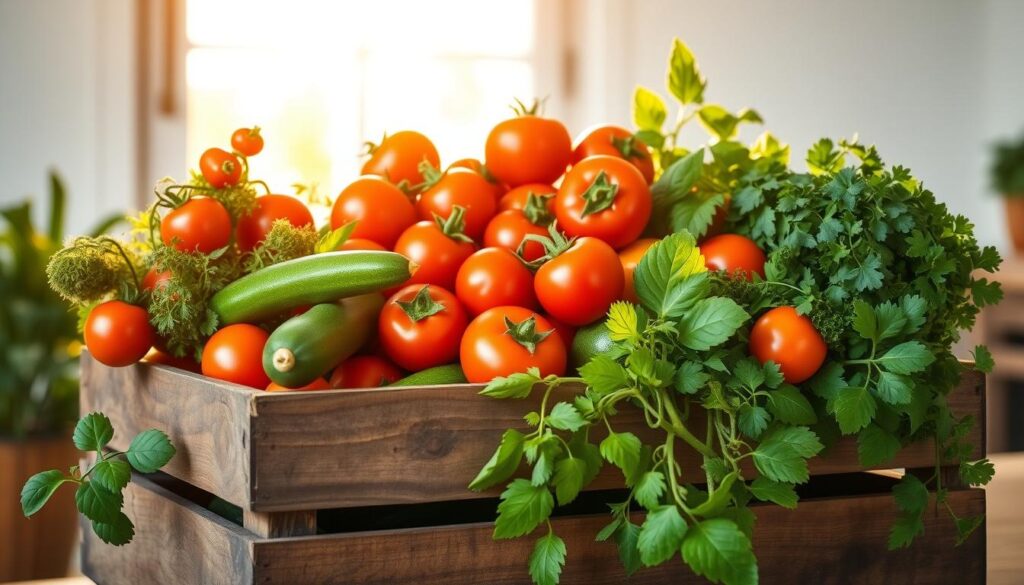
Your gardening work comes to life in the kitchen. It’s a great chance to try out tasty pizza recipes. With your garden’s fresh ingredients, you can make many different pizzas. Think about a simple Margherita pizza with fresh tomatoes and basil, or a fancy one with roasted garlic and seasonal veggies.
Each bite is a celebration of your effort and the fresh flavours. It’s a joy to cook with ingredients straight from your garden.
Simple Pizza Recipes to Try at Home
- Classic Margherita Pizza: Put ripe tomatoes, fresh mozzarella, and basil on a pizza base.
- Vegetable Primavera Pizza: Mix seasonal veggies with olive oil on your pizza.
- Garlic and Spinach Pizza: Cook garlic and spinach, then add cheese and your base.
Pairing Your Pizza with Traditional Sides
Finish your Italian meal with traditional sides. A fresh arugula salad with lemon dressing is perfect with pizza. Garlic bread adds a crunchy, buttery touch, making the meal even better. These sides highlight the freshness of your garden.
Getting Creative with Your Pizza Garden
Turning your pizza garden into a lively space is easy with creative gardening. Try new herbs and vegetables to keep your garden fresh. Add seasonal plants to make your toppings more interesting, bringing unique tastes and textures to your pizzas.
Experimenting with New Herbs and Vegetables
Trying new herbs and vegetables makes gardening fun. Grow herbs like tarragon or sorrel for a twist on Italian flavours. Add veggies like zucchini blooms or cherry tomatoes for a fun pizza surprise.
Seasonal Planting Ideas for Year-Round Flavours
Seasonal planting lets you enjoy different flavours all year. Here are some ideas:
- Spring: Basil and rocket are perfect for spring dishes.
- Summer: Peppers and tomatoes are at their best in summer.
- Autumn: Kale and squash are great for autumn pizzas.
- Winter: Use hardy greens like spinach and herbs like rosemary, even in cold weather.
With creative gardening and seasonal planting, your pizza garden will always have something new to offer.
Conclusion: Enjoying the Fruits of Your Labour
There’s a special joy in growing your own pizza garden. You get to enjoy fresh herbs and vibrant veggies. These add amazing flavours to your cooking that you can’t find in stores.
It’s more than just food. It’s the pride of growing something from seed to plate. This turns your cooking into a delightful experience.
Starting your pizza garden is rewarding. Plan your garden, pick plants you like, and watch it grow. The joy of making a pizza with your own ingredients is unmatched. It lets you enjoy real Italian cooking at home.
So, get ready to dig in and start your gardening adventure. With every sprout and homemade pizza, you’ll find new flavours and connections. Enjoy gardening at home and make your kitchen a place of Italian joy.