
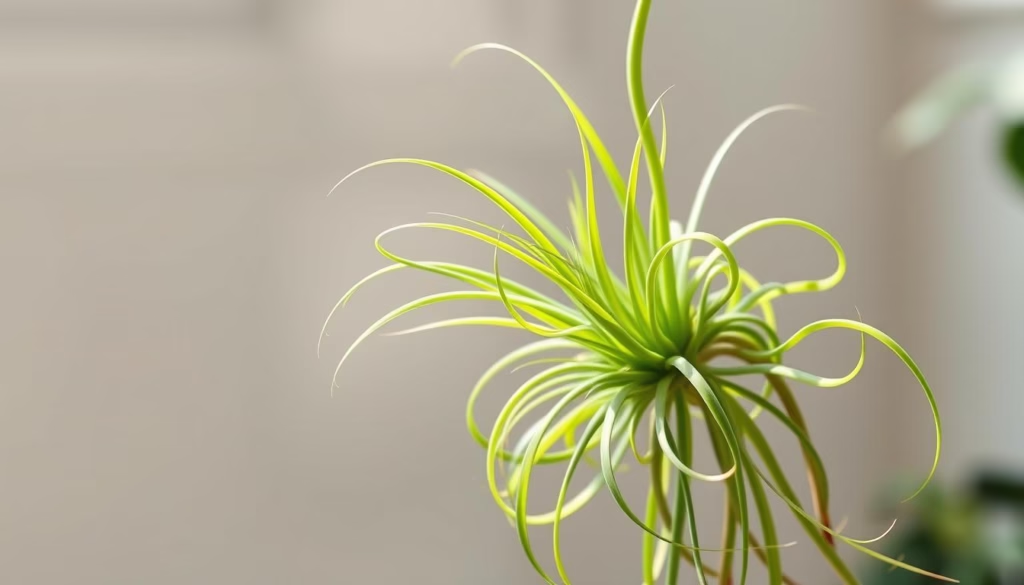
Ever wondered how plants can grow without soil? Meet the Tillandsia ionantha, thriving high up without soil. These no soil plants add colour and charm to any room. This article will teach you about air plant care, including light, water, temperature, and display ideas.
Caring for Tillandsia is easy, and with some tips, your plants will thrive. They have a unique way of growing and come in vibrant colours. Let’s explore how to care for your Tillandsia ionantha and enjoy their beauty without soil.
Learn more about caring forunique.
Key Takeaways
- Tillandsia ionantha thrives without soil, making it an ideal indoor plant.
- Proper light and watering techniques are key for air plant health.
- They love warm temperatures and high humidity to grow well.
- Air plants can be displayed in many creative ways, improving your home décor.
- Knowing the signs of too much or too little water can help avoid common problems.
Understanding Air Plants: What Makes Them Unique?
Air plants, like the Tillandsia ionantha, are truly special. They get their water and nutrients from their leaves. This means they don’t need soil to survive. This makes them perfect for homes and offices.
As you learn more about air plants, you’ll see why they’re loved by many. They’re not just easy to care for; they’re also beautiful.
The Basics of Tillandsia Ionantha
Tillandsia ionantha is known for its bright colours and unique shape. It can turn from green to pink, depending on its surroundings. These plants love to grow on other surfaces, making them easy to show off.
Learning how to care for these plants will help you enjoy their beauty. They’re truly a joy to have around.
Why No Soil? The Secret of Epiphytic Plants
Air plants have a secret to their success. They’re epiphytes, which means they grow on other plants. This lets them get moisture from the air, not soil.
This way of growing shows how tough they are. It also lets you get creative with how you display them at home.
Benefits of Keeping Air Plants at Home
Keeping air plants at home has many perks. They help clean the air by removing pollutants and adding oxygen. They’re also low maintenance, fitting into busy lives.
Adding Tillandsia ionantha or other air plants to your space can make it look better. It also makes the air healthier for you and your family.
Essential Air Plant Care for Thriving Growth
To keep your Tillandsia ionantha healthy, follow a few key care steps. Learn how to water them right, give them the right light, and keep the temperature just right. These steps will help them grow well.
Watering: How Often Should You Water?
Watering your air plant regularly is key to their health. Soak them for 20-30 minutes once a week. In hot weather, you might need to water them more often. Always check if the leaves are dry to avoid watering mistakes.
Light Requirements: Finding the Perfect Spot
Finding the right spot for your air plants is important. They love bright, indirect light. Direct sunlight can dry them out and harm their health. A room with filtered sunlight is usually perfect for them.
Temperature and Humidity Preferences
Temperature is also vital for your air plants. They do best in temperatures between 10°C and 32°C. They also prefer high humidity. In dry places, misting them often helps keep them humid. For more tips, check out caring for air plants.
Proper Watering Techniques for Air Plants
Learning how to water your air plants right is key to their health. There are two main ways to do this: soaking and misting. The method you choose can really affect how well your air plants do, depending on where they live.
Soaking vs. Mist: Which Method is Best?
Soaking is often seen as the best way to water air plants. Put your plants in room temperature water for 20 to 30 minutes. This makes sure they get enough water, which is good for bigger plants that need more.
Misting is quicker and works well for smaller plants or those in very humid places. Using both soaking and misting can help keep your air plants healthy.
Signs of Overwatering and Underwatering
It’s important to know when you’re watering too much or too little. Too much water can cause leaves to turn mushy and spots to turn dark. This means the roots might be rotting.
Not enough water will make leaves turn brown and crispy. Watching how your air plants look helps you water them just right. This keeps them growing well.
Fertilising Your Tillandsia Ionantha
Fertilising air plants is key to keeping your Tillandsia ionantha healthy. These plants can live without fertiliser, but the right nutrients boost growth and blooming. It’s important to pick the right fertiliser and know when to use it.
When and How to Fertilise
Spring to summer is the best time to fertilise. Use a diluted liquid fertiliser made for air plants once a month. Mix one part fertiliser with several parts water. Be gentle when applying to avoid leaf burn.
Watch your plants for signs of trouble. This could mean you need to adjust your fertilising routine.
Recommended Fertilisers for Air Plants
Choosing the right fertiliser is vital for air plant care. Look for organic, air plant-specific options. Brands like Mr. Plant and Fauna Flora offer great products. Choose a fertiliser with balanced nutrients for all Tillandsia types.
| Brand | Type of Fertiliser | Application Frequency | Notes |
|---|---|---|---|
| Mr. Plant | Organic Liquid | Once a month | Great for general growth enhancement |
| Fauna Flora | Specialised Air Plant Fertiliser | Once a month | Recommended for optimal blooming |
| Better Gro | All-Purpose Fertiliser | Every six weeks | Versatile for various indoor plants |
Common Challenges in Air Plant Care
Air plants are amazing for their toughness, but they face some common issues. It’s important to watch your plants closely to solve pest problems and other care issues. Knowing about these problems can make your air plant journey better.
Pest Problems: How to Identify and Treat Them
Pests like mealybugs and scale insects can sometimes bother air plants. They show up by leaving sticky stuff or making plants wilt. Check your plants often for these pests. If you find them, a damp cotton swab can help remove them.
Staying regular with your checks is key to keeping your plants pest-free.
Dealing with Brown Tips: Causes and Solutions
Brown tips on air plants can look scary. They usually mean the plant isn’t getting the right amount of water. Too little or too much water can cause this. To avoid brown tips, water your plants the same way every time.
Using the right tips for air plants will help them stay healthy and beautiful.
| Issue | Possible Causes | Recommended Action |
|---|---|---|
| Mealybugs | Sticky residue, small white fuzz | Manual removal with cotton swab |
| Scale insects | Wilting, discolouration | Apply insecticidal soap, if needed |
| Brown tips | Under or overwatering | Adjust watering frequency and technique |
Quickly solving these air plant problems keeps them healthy and lively. This makes your home feel more vibrant.
Potting and Display Ideas for Your Air Plants
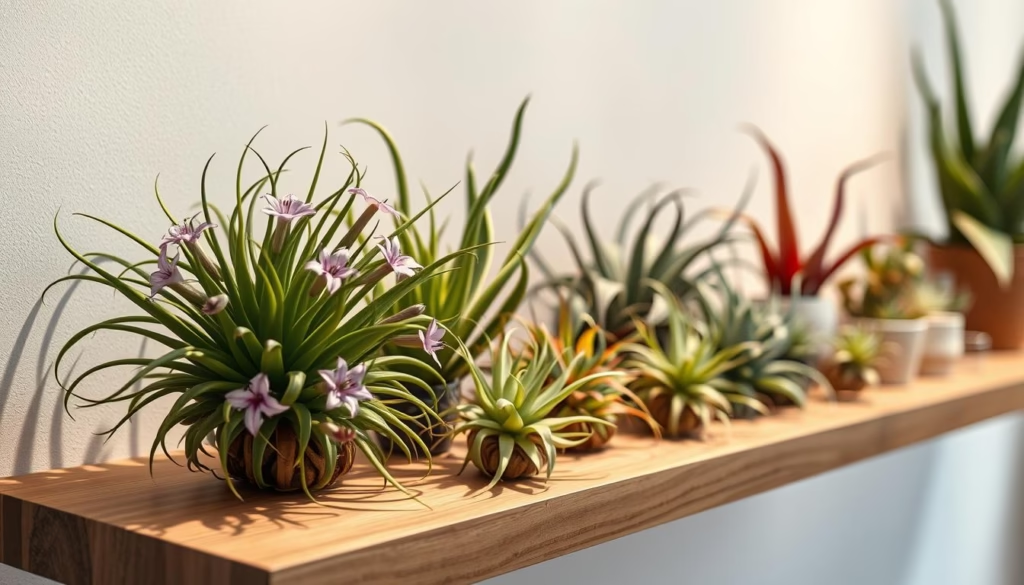
Air plants don’t need soil, which means you can display them in many ways. You can use glass globes, driftwood, or even DIY pots. These displays can turn any space into a beautiful showcase. Creative pots make your Tillandsia ionantha stand out.
Creative Ways to Showcase Your Air Plants
Try a glass globe terrarium for a sleek look. It lets you see your plants from all sides and add personal touches. Or, use driftwood or logs for a natural feel. You might need special glue to keep your plants in place.
Seashells or urchins make great homes for air plants, adding a beachy feel. Cork bark is perfect for table displays. You can hang your plants or arrange them with decorations. Each display shows off your style.
DIY Air Plant Holders: Craft Your Own
Love crafting? Make your own air plant holders. Use wire, wood, or old containers to decorate your space. Find step-by-step guides here. These DIY projects add beauty and function to your home.
Whether you like fancy pots or DIY creations, be creative. Let your imagination run wild.
Propagation: Growing New Air Plants
Learning to propagate Tillandsia ionantha is fun. These plants grow new ones naturally, called offsets or pups. Knowing how to do this lets you grow more or share with others.
Techniques for Propagating Tillandsia Ionantha
To start, find offsets that are about one-third the size of the main plant. They’re ready to be taken off. Here’s how to do it right:
- Gently twist the pup from the base of the mother plant.
- Use clean, sharp scissors if necessary to avoid damaging either plant.
- Allow the cut area to dry for a day to prevent rot.
- Place the offset in a location with bright, indirect light and ensure it receives regular misting.
Caring for New Offsets
After removing the offsets, they need the right care to grow. Remember these tips for new air plants:
- Provide adequate sunlight but avoid direct harsh rays which can scorch the young plants.
- Maintain consistent moisture levels; misting daily can support healthy development.
- Monitor temperatures and humidity, ensuring they reflect those preferred by air plants.
With care and patience, your new offsets will grow well. Soon, you’ll have a lively collection of air plants. Enjoy the journey of air Plant propagation as your plants flourish.
Seasonal Care: Adjusting Your Routine
Caring for your air plants all year needs a special touch. By changing your routine with the seasons, your Tillandsia ionantha will thrive. Knowing Winter air plant tips and Summer air plant cooling tricks is key to their health.
Winter Care Tips for Air Plants
In winter, air plants sleep and need less water. Keep them away from cold air and heaters. Mist them every few weeks to keep them moist.
If your air plants are doing well, give them some indirect sunlight. The sun’s rays are softer in winter.
Summer Care: Keeping Your Air Plants Cool
In summer, air plants need more water to stay hydrated. Mist them every day or soak them once a week. This is vital for Seasonal air plant care.
Make sure they’re in a place with good air flow. This helps keep the right humidity and prevents them from drying out too fast.
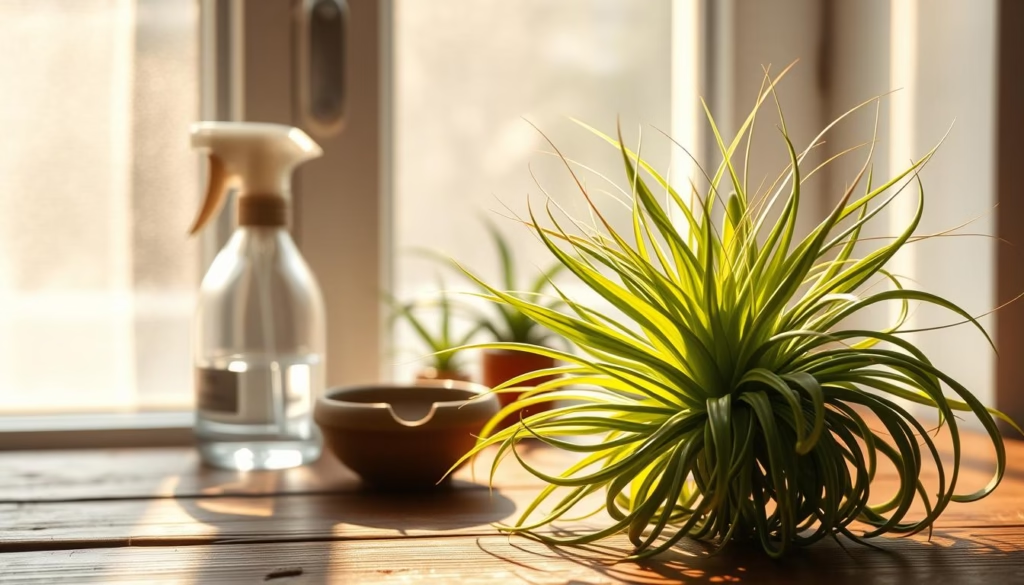
Changing your care routine with the seasons helps your air plants stay healthy all year. For more tips, check out these comprehensive winter air plant tips and summer care methods.
Frequently Asked Questions About Air Plant Care
Understanding the air plant lifespan is key. These unique greens can live for two to five years. With the right care, like regular watering and light, they can grow longer. They might even produce new plants, or pups, for you to grow.
Wondering if you can grow outdoor air plants? Yes, you can! But, they need protection from harsh winds and freezing. They also do well in humid places, so a spot with filtered sunlight is best.
Pet owners will be happy to know air plants are safe for pets. They are safe for both cats and dogs. This means you can enjoy their beauty without worrying about your pets. For more tips, check out this resource on air plant care.