
Ever wondered why the baobab tree is called the “Tree of Life”? This amazing tree is not just beautiful but also very important for local ecosystems and cultures. In this article, we’ll cover everything you need to know about Baobab Tree care and maintenance.
Exploring the world of baobabs, you’ll learn how to grow this iconic African tree in your garden. It will make your garden richer and more beautiful. Are you ready to learn how to care for your Baobab Tree? Let’s start!
Discover more about Baobab Treepreservation methods.
Key Takeaways
- Understanding the unique features of the Adansonia digitata.
- Identifying ideal climate and soil conditions for baobabs.
- Best practices for watering and fertilising your baobab tree.
- Techniques for pruning and maintaining tree health.
- Recognising pests and diseases that may affect your baobab.
- Methods for propagating baobab trees effectively.
- Seasonal care requirements to keep your baobab thriving year-round.
Introduction to the Baobab Tree
The baobab tree is a symbol of life and resilience. It has unique features that amaze us. These trees can live for thousands of years. Their bottle-shaped trunks store water, vital in dry places.
They support wildlife and keep the environment stable. This makes them very important.
What Makes the Baobab Unique?
The baobab is known for its size and trunk shape. It can grow up to 30 metres tall. Its trunk can be as wide as 11 metres.
It stores water, helping animals and people survive dry times. This makes it a cultural icon in Africa.
The Significance of Baobabs in African Culture
In African culture, the baobab is a symbol of life and community. It’s featured in many stories and legends. People meet and celebrate under its branches.
It’s a source of food and healing. Its values are deeply rooted in African societies.
Common Uses of Baobab Trees
Baobab trees have many uses. Their fruit is a superfood, full of Vitamin C and antioxidants. It’s used in juices, supplements, and jams.
The bark and leaves are used in medicine and as supplements. This shows the tree’s many uses, from food to health.
| Baobab Uses | Description |
|---|---|
| Fruit | Rich in Vitamin C, used in juices and supplements. |
| Bark | Used in traditional medicine, strong and fibrous. |
| Leaves | Edible and nutritious, often used in local dishes. |
| Wood | Used for crafting and construction due to its durability. |
Ideal Growing Conditions for Baobabs
To keep baobab trees healthy, it’s key to know their growing needs. These trees love warm, dry places, just like their home. This helps them grow well.
Climate Preferences
Baobabs don’t like cold weather. Even grown-up trees can’t handle too much frost. But, they love the sun and warmth, mainly from spring to summer. Make sure your area is right for a baobab.
Soil Requirements
Baobabs need soil that drains well, like sandy or sandy-loam. This soil stops water from staying too long, which is good for the roots. A mix of sand, crushed pumice, and cactus soil works well. The right soil mix is important for your tree’s health.
Sunlight and Drainage Needs
Baobabs need lots of sunlight to grow strong. Without enough light, they can become weak. Also, they need good drainage to avoid root problems. Follow these tips to make your baobab happy. For more care tips, visit this link.
Planting Your Baobab Tree
Starting your baobab tree journey involves key steps for success. The right spot is essential for a healthy tree. Planting at the best time helps it grow strong.
Using the right methods during planting is important. It helps your efforts pay off.
Choosing the Right Location
Finding the perfect spot for your baobab is critical. It should be warm and away from freezing. A sunny spot with good drainage is best.
Stay away from areas that hold too much water or get frosty.
Planting Techniques
For planting, dig a hole that fits the roots and keeps the soil loose. This stops water problems. Place the tree in the hole and fill with quality soil.
Water well to help the tree grow strong in the beginning.
When to Plant Baobabs
Spring or early summer is the best time to plant baobabs. This lets the tree grow before cold weather hits. Planting at the right time helps your tree grow well.
Watering Guidelines for Baobabs
Knowing how much water your baobab tree needs is key to its health. It’s important to water it right at each stage of growth. We’ll look at how often to water, signs of too much water, and some useful tips.
How Often to Water
When your baobab is growing fast, from late spring to summer, it needs more water. Make sure the soil is moist but not too wet. In winter, when it’s dormant, you should water it less. Keep an eye on the soil and adjust your watering as needed.
Signs of Overwatering
Spotting signs of too much water early can save your baobab. Look out for yellow leaves, wilting, and a bad smell from the soil. If you see these, it’s time to rethink how you water it. Good drainage is important to avoid root rot.
Tips for Efficient Watering
Here are some tips for watering your baobab well:
- Check the soil moisture before you water. Use your finger to see if it’s damp.
- Water deeply but not too often. Let the soil dry out a bit between waterings.
- Don’t splash water on the trunk. Water the soil around the roots instead.
| Season | Watering Frequency | Key Considerations |
|---|---|---|
| Spring | Weekly | Start with regular watering as the tree starts to grow. |
| Summer | Every 5-7 days | Maintain soil moisture but avoid waterlogging. |
| Autumn | Every 10 days | Gradually decrease water as the tree prepares for dormancy. |
| Winter | Once a month | Water only if the soil remains dry for extended periods. |
Fertilisation and Nutrient Needs
Knowing what your baobab tree needs is key for its health. Baobabs do well in poor soil and don’t need a lot of fertiliser. But, giving them the right nutrients helps them grow strong and fight off pests and diseases.
Types of Fertiliser to Use
For the best results, pick a slow-release baobab tree fertiliser that’s low in nitrogen. Organic stuff like compost or well-rotted manure is good too. It gives nutrients and makes the soil better. But, don’t overdo it, as too much fertiliser can hurt the tree.
Frequency of Feeding
Feed your baobab regularly during the growing season. Feeding every 4 to 6 weeks is usually enough. This keeps your baobab well-nourished and growing strong.
Signs of Nutrient Deficiencies
Watch out for signs of nutrient problems. Look for slow growth, yellow leaves, or late blooming. Soil tests can show if nutrients are missing. If you find a problem, change your fertiliser plan to help your tree.
Pruning Your Baobab Tree
Pruning your baobab tree is key to keeping it healthy and looking great. It helps the tree grow strong and look its best. Knowing when and how to prune is very important.
When to Prune
Pruning at the right time is important. The best time is during the tree’s dormant season. This lets the tree focus on growing new leaves in the spring.
Techniques for Pruning
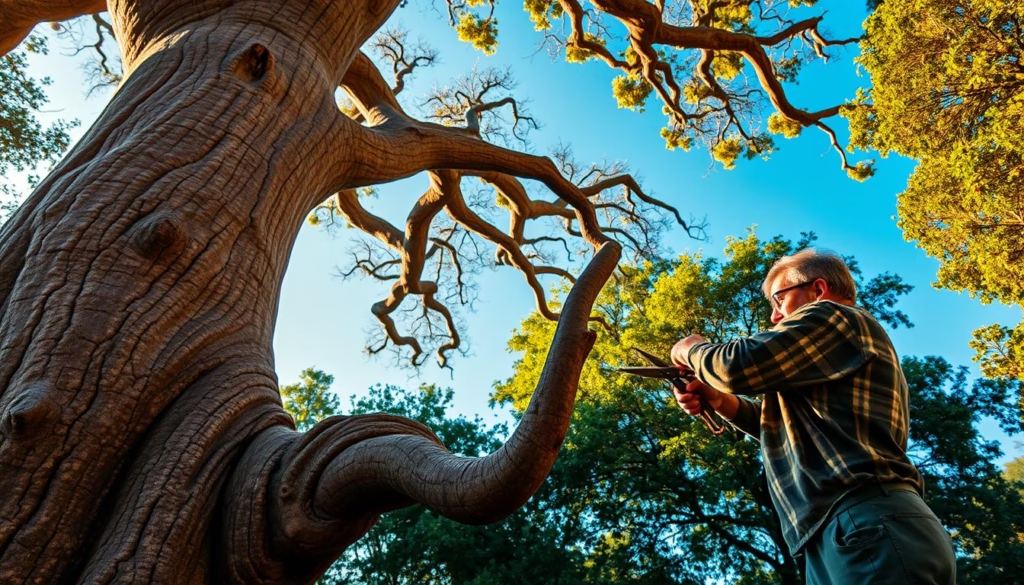
Using the right pruning techniques is vital. Remove dead branches and any that mess with the tree’s shape. This improves air flow and sunlight, helping the tree grow well. Proper pruning makes the tree look even more stunning.
Benefits of Proper Pruning
Pruning does more than just make the tree look good. It makes the tree healthier and helps nutrients spread evenly. With better air flow and sunlight, the tree can grow strong and show off its beauty. For more tips on caring for your baobab, see this resource.
| Pruning Task | Recommended Time | Expected Outcome |
|---|---|---|
| Remove dead branches | Dormant season | Healthier growth |
| Shape the tree | Dormant season | Enhanced aesthetics |
| Improve airflow | Dormant season | Reduced pests and diseases |
Pest and Disease Management
Keeping your baobab tree healthy means watching out for pests. Knowing the common pests and spotting diseases early is key. This helps keep these amazing trees thriving.
Common Pests Affecting Baobabs
Several pests, like aphids and scale insects, can harm baobabs. They suck the sap, weakening the tree. Regular checks can help catch problems early, keeping your baobab strong.
Recognising Diseases
Spotting diseases is vital for your baobab’s long life. Look out for leaf colour changes or wilting. Quick action can stop diseases from getting worse.
Organic Pest Control Methods
Organic pest control keeps your baobab healthy. Using beneficial insects or neem oil can control pests. Avoid harmful chemicals to protect your tree. For more gardening tips, check out this guide.
Propagating Baobab Trees
Baobab tree propagation is an exciting process. It lets you grow these magnificent trees from the start. Successful propagation mainly involves seed germination. A few simple techniques can lead to healthy growth.
Seed Propagation Techniques
Seed germination is a key method for baobab tree propagation. Start by soaking the seeds in water for about 24 hours. This softens the hard outer coating and helps germination.
After soaking, plant the seeds in a well-draining soil mix. Provide warmth, which is vital for their development. Keep the soil moist but not too wet.
Other Methods of Propagation
There are other methods too, like taking softwood cuttings during the growing season. Choose healthy branches and trim them to a suitable length. Plant them in a mix designed for rooting.
This method needs careful monitoring of moisture levels. It’s important to ensure the cuttings establish roots successfully.
Best Practices for Healthy Growth
For successful baobab tree propagation, follow certain practices. Keep your seeds or cuttings in a warm, humid environment. A humidity dome can help maintain moisture levels.
Once you see growth, gradually acclimatise the seedlings to outdoor conditions. Proper watering and nutrient management are key during this early stage. They help promote healthy growth.
Seasonal Care for Baobabs
Caring for your baobab tree all year needs attention to its seasonal needs. Proper care keeps your tree healthy and thriving. It adapts to temperature and light changes. Knowing the summer and winter essentials is key to its well-being.
Summer Care Essentials
In summer, your baobab tree needs lots of sunlight. Place it where it gets plenty of light for growth. Water it once a month to keep the soil moist.
This is also the time for fertilising. Use a diluted liquid fertiliser every month. Watch the tree’s water levels closely during hot spells.
Winter Protection Strategies
Winter is tough for your baobab, with temperatures below 12°C (54°F). Good winter protection is essential. If frost hits, move your baobab indoors or insulate it.
Water less during winter as the tree sleeps. Prune it to keep its shape before the cold hits.
Adapting Care for Different Seasons
Changing your care routine with the seasons is important. For example, in spring, repot your baobab in well-draining soil. Watch for pests, which can be a problem indoors in winter.
To learn more about baobab care, check this resource. Keeping your baobab healthy all year ensures it thrives, no matter the weather.

Common Baobab Tree Varieties
Exploring baobab tree varieties, we find Adansonia digitata stands out. It’s adaptable and thrives in many conditions. This makes it great for both casual gardeners and serious horticulturists. There are also lesser-known species with unique traits for different tastes and growing conditions.
Adansonia Digitata Overview
Adansonia digitata is the mainstay of baobab cultivation. It’s known for its iconic shape and size. It attracts attention and produces fruit rich in nutrients. Its trunk can store a lot of water, helping it survive in dry places. Many gardeners love it for its toughness and beauty.
Lesser-Known Baobab Species
There are other baobab species worth noting. Adansonia gregorii, for example, is found only in Australia. It has different leaves and flowers than African baobabs. Each species adds variety to your garden while bringing the benefits of these amazing trees.
Choosing the Right Variety for You
When picking baobabs, consider your local climate and space. Some do better in certain conditions than others. Think about what you want from your tree, like shade, fruit, or beauty. A gardening guide can help you choose the right one for your needs.
| Baobab Species | Origin | Notable Characteristics |
|---|---|---|
| Adansonia digitata | Africa | Iconic shape, nutrient-rich fruit |
| Adansonia grandidieri | Madagascar | Tallest baobab, unique deciduous nature |
| Adansonia gregorii | Australia | Distinct leaf structure, adapted to local conditions |
| Adansonia za | Africa | Wider trunk, varies in fruit production |
Baobab Trees in Landscaping
Adding baobab trees to your garden makes it stunning and eco-friendly. Their grand look adds character and boosts your garden’s design. With smart planning, your outdoor space can turn into a special oasis.
Enhancing Your Garden with Baobabs
Baobabs are amazing focal points in any garden. Their unique shape and size grab attention. Pairing them with colourful flowers creates beautiful contrasts.
Companion Plants for Baobabs
Choosing the right plants next to baobabs improves their look and health. Plants that don’t need much water work best. Good choices include:
- Succulents
- Agave
- Lavender
- Rosemary
These plants make your garden more beautiful and support a healthy ecosystem.
Creating a Baobab-Centric Landscape
Designing a garden around baobabs lets you get creative. You can set up different areas that mimic their natural habitat. Think about adding:
- Walking paths lined with gravel
- Rock formations for a natural look
- Seating areas under the baobab’s shade
These features, with the right plants, create a beautiful baobab-focused garden. It shows off their strength and beauty.
Conclusion: Your Journey with Baobab Trees
Reflecting on your journey with baobab trees, remember the caring tips from this guide. Understanding their unique growing conditions and mastering pruning will enhance your experience. These trees not only beautify your space but also connect you to their rich cultural heritage.
Sharing your baobab story can inspire others to start their gardening adventures. Your experiences might motivate someone to begin with baobabs. Connecting with fellow enthusiasts can build a community around these fascinating trees.
Now is the perfect time to add a baobab tree to your home or garden. With the knowledge you’ve gained, you can confidently start this enriching journey. Every baobab you nurture will add a unique touch to your landscape, inviting curiosity and admiration for years to come.