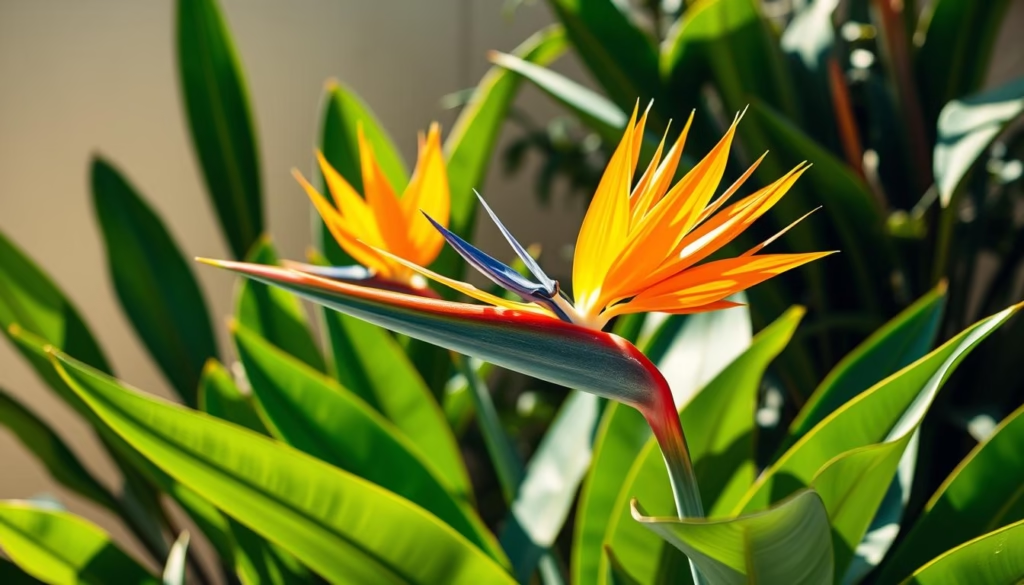
Ever wondered why the Bird of Paradise, known as Strelitzia reginae, is called nature’s masterpiece? Bringing this tropical beauty home needs more than just watering and feeding. This guide will give you all the info to make your Strelitzia flourish, indoors or outdoors.
You’ll learn about the best growing conditions and how to keep your plant healthy. It’s packed with tips to help your plant grow to its best.
Key Takeaways
- Understanding the origin and habitat of Strelitzia reginae is key for good care.
- Right temperature and humidity are important for growth.
- Watering regularly helps avoid too much water.
- Fertilising often keeps your plant healthy and green.
- Lighting affects your plant’s health a lot.
- Pruning keeps your plant looking good and healthy.
Introduction to Bird of Paradise Care
Caring for the Bird of Paradise plant is more than just making your space look good. It’s about creating a vibrant corner in your home. To do this well, you need to understand the specific needs of these plants. They love the right conditions, from water to light, to grow strong and healthy.
These plants come from tropical places and are truly stunning. To keep them thriving, you need to pay attention to their soil, light, and how often to water them. Learning about these needs helps you create the perfect spot for your Bird of Paradise to grow.
Spending time learning how to care for your Bird of Paradise can really improve your gardening. Websites like Botanu have lots of tips to help you keep your plant looking its best. A well-cared-for Bird of Paradise adds beauty and a touch of the tropics to your home.
Understanding Strelitzia Reginae
The Bird of Paradise, known scientifically as Strelitzia reginae, is a standout in the botanical world. It’s not just beautiful but also has a deep history. This history is tied to its origin and natural home.
Origin and Natural Habitat
The Strelitzia reginae comes from South Africa’s stunning landscapes. It loves the warm, sunny spots. To keep your Bird of Paradise happy, mimic its natural home.
Aesthetic Appeal and Unique Features
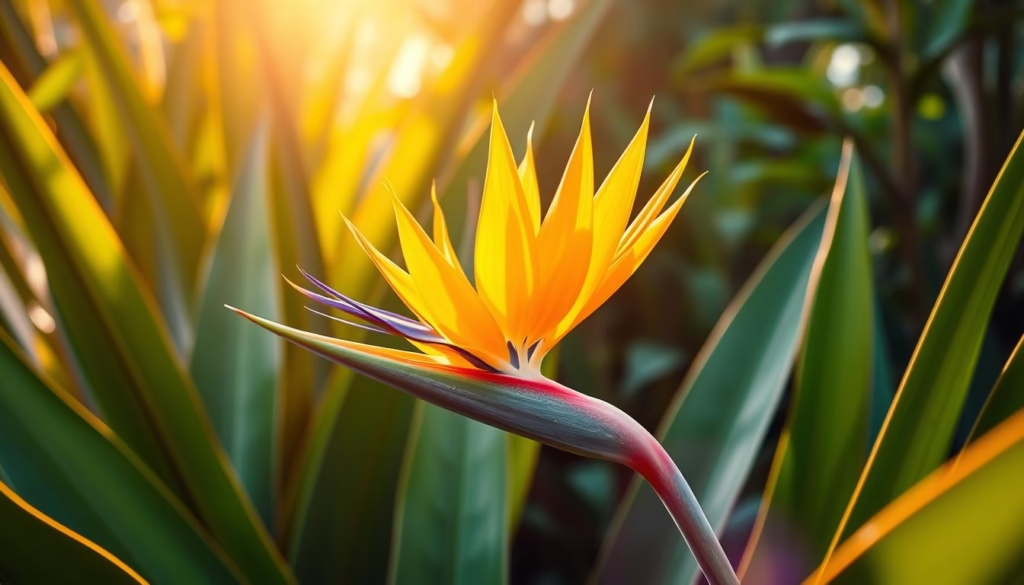
The Bird of Paradise is known for its striking looks. Its leaves are like banana plant leaves, bold and lush. In the wild, it can grow up to 30 feet tall, making a big impact.
Its unique shape and bright blooms bring a sense of adventure. It’s a symbol of the exotic, tropical world.
Optimal Growing Conditions
To make sure your Bird of Paradise grows well, you need to create the right conditions. This means keeping the temperature and humidity just right. Also, it’s important to use the right soil.
Ideal Temperature and Humidity
The Bird of Paradise likes temperatures between 16-27°C (65-80°F). It thrives in warm, humid places. To help it grow, keep the humidity between 30% and 70%.
Don’t let it get too cold, as this can stress the plant. To keep the humidity up, mist its leaves or use a humidifier. This will help it grow stronger.
Soil Requirements
Knowing what soil your Bird of Paradise needs is key. It likes soil that drains well, made from peat, perlite, and sand. This mix lets the roots breathe and get the nutrients they need.
Keep the soil lightly moist but not too wet. This will give your Bird of Paradise the best place to grow.
Watering Your Bird of Paradise
Understanding your Bird of Paradise’s watering needs is key to its care. Follow these tips to keep your plant healthy and thriving.
How Often to Water
Water your Bird of Paradise often, but let the top 2-3 inches of soil dry out first. This keeps the soil moist but not soggy. It’s great for the roots to grow well.
Signs of Overwatering
Watch your plant closely for signs of too much water. Look for yellow leaves, wilting, and brown edges. If you see these, it’s time to change how often you water. Let the soil dry a bit before watering again to help your plant stay healthy.
Fertilising for Healthy Growth
To make sure your Bird of Paradise grows well, knowing the best fertilisers and when to use them is key. Giving it the right nutrients is essential for its growth and flowers.
Recommended Fertilisers
A balanced, water-soluble fertiliser with equal parts nitrogen, phosphorus, and potassium is great for your Bird of Paradise. Organic fertilisers are also good, helping your plant grow strong and bloom brightly. For more tips on eco-friendly gardening, check out organic gardening resources.
Best Fertilisation Schedule
Feed your Bird of Paradise every 6-8 weeks when it’s actively growing, from spring to late summer. During winter, when it’s dormant, you can stop fertilising. This optimal fertilisation schedule will keep your plant healthy and save energy in the cold months.
Light Requirements for Bird of Paradise
Getting the right light is key for your Bird of Paradise’s health and growth. This plant loves sunlight, which boosts its vitality and looks. Knowing what light it needs helps it grow well.
Best Lighting Conditions
The Bird of Paradise does best in bright, indirect light. It needs at least four hours of light from the south, west, or east. A spot near a south or west window is perfect for it to get the light it loves. Learn more about its care. Some plants can handle six hours of direct sunlight, but be careful not to burn the leaves.
Importance of Direct vs. Indirect Light
Finding the right mix of direct and indirect light is vital. Too little light can cause your plant to grow too tall and not bloom. Too much direct light can burn the leaves. Watching your plant helps you know what it likes best for growth.
Repotting Your Bird of Paradise
Repotting is key for Bird of Paradise care. It ensures your plant thrives. Knowing when to repot is critical for its health. Look for roots coming out of the pot’s holes. This usually happens every 18-24 months, based on growth and pot size.
When to Repot
Watch your plant’s environment closely. Signs it needs repotting include slow growth, crowded roots, and nutrient-depleted soil. Regular checks help catch the need early, keeping your plant alive longer.
Best Potting Techniques
Choose a pot 2-4 inches larger for your Bird of Paradise. This gives it room to grow. Refresh the soil with new nutrients. Sometimes, trimming roots helps the plant settle into its new home better.
| Factor | Recommendation |
|---|---|
| Pot Size Increase | 2-4 inches larger in diameter |
| Repotting Frequency | Every 18-24 months |
| Soil Refresh | Replace old soil with fresh potting mix |
| Root Pruning | Trim some roots if necessary |
Follow these tips for a healthy Bird of Paradise. Timing and techniques are key for a vibrant plant. For more plant care tips, see this guide.
Pruning and Maintenance Tips
Caring for your Bird of Paradise is more than just the right environment. It also means following important pruning tips. Pruning keeps the plant healthy and looks great. Regular care helps your plant thrive.
Regular Pruning for Health
Keep your Bird of Paradise healthy by removing yellow or dead leaves. This makes the plant look better and helps it grow new leaves. Your hard work will keep your plant strong and healthy.
Deadheading Process
Always remove spent blooms quickly. This helps your plant keep flowering and stay beautiful. Use clean, sharp tools to avoid spreading diseases and keep your garden healthy.
Pests and Diseases
Looking after your Bird of Paradise means more than just making it grow. It’s also about keeping it safe from pests and diseases. Being careful can prevent big problems or damage to your plant. Knowing about common diseases and how to control pests will help your plant stay healthy.
Common Pests to Watch For
Check your Bird of Paradise often for pests. Some pests to watch out for are:
- Spider Mites: These tiny bugs love hot, dry places. They suck the sap from leaves, making them turn color.
- Scale Insects: These pests look like small, rounded bumps on stems and leaves. They take away nutrients from the plant.
Finding pests early helps you manage them better. This stops them from harming your plants too much.
Treatment Options for Diseases
Act quickly against common Bird of Paradise diseases to keep your plant healthy. For pests:
- Use neem oil or insecticidal soap to get rid of pests well.
- For diseases like root rot, improve soil drainage and change your watering to help the plant grow better.
Propagation Techniques
Learning how to propagate Bird of Paradise plants can help you grow your collection or share them with others. There are two main ways: seed propagation and the division method. Each method has its own advantages and needs, which can affect how well you do.
Seed Propagation
Seed propagation is slower but very rewarding. Start by picking mature pods from your plants. Then, plant the seeds in a mix that drains well. It’s important to keep the area warm for the seeds to grow.
Using a greenhouse or a warm spot indoors is a good idea. Keeping the air humid helps the seeds to sprout. Learning to propagate from seeds lets you see the whole life cycle of the plant.
Division Method
The division method is another great way to propagate Bird of Paradise plants. It’s best done every 3-5 years. This involves splitting your plant into sections with roots.
Each section can then be planted separately. This helps the original plant grow stronger while creating new ones. Choose this method when your plant is big enough. Make sure each section has enough roots to grow well.
Seasonal Care Adjustments
Knowing how to care for your Bird of Paradise in different seasons is key. Each season brings its own challenges and chances for growth. Spring and summer need extra attention, while fall and winter require different care.
Spring and Summer Care
In warmer months, you’ll need to water your Bird of Paradise more often. It loves the extra moisture and grows fast. Use a balanced fertiliser to help it grow even more.
Make sure it gets bright, indirect light. This is vital for its health and growth during these seasons.
Fall and Winter Care
When it gets colder, your care routine changes. Water less often, letting the soil dry out a bit. This prevents root rot and helps the plant rest.
Keep your Bird of Paradise away from cold drafts. It can stress the plant. Even though it grows less, it needs enough light to stay healthy.
Growing Bird of Paradise Indoors vs. Outdoors
The Bird of Paradise plant is stunning indoors or outdoors. Knowing how to care for it in each place makes it thrive.
Indoor Plant Care Tips
For indoor care, keep conditions controlled. Make sure your plant gets humidity by misting its leaves often. Place it near bright windows for the right amount of light.
Watch how much water you give it. It needs moisture but not too much to avoid root problems.
Outdoor Plant Considerations
Outdoor plants need lots of sunlight. Choose a spot with full sun to light shade. Plant them six feet apart for best growth.
In the first six months, water them often. Then, you can water less as they grow. Mulch helps keep the soil moist and protects from extreme weather.
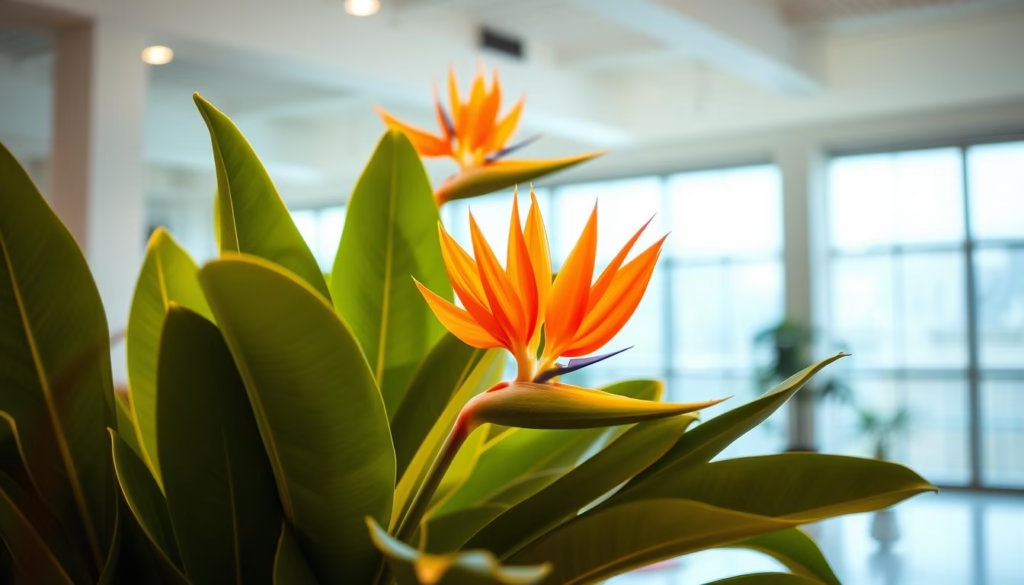
For more tips on Bird of Paradise care indoors and outdoors, check out horticultural resources. They’ll help your plant do well in its home.
Conclusion: Enjoying Your Bird of Paradise
Starting your journey with a Bird of Paradise is exciting. Remember, keeping an eye on your plant and making changes when needed is key. With the right care, your Bird of Paradise will thrive, whether it’s indoors or outdoors.
Final Care Tips
Focus on light, water, and humidity to help your Bird of Paradise grow well. Bright, indirect light and moderate to high humidity are best. Adding air-purifying plants indoors can make your space look greener and more vibrant.
Celebrating Your Plant’s Growth
Enjoy watching your Bird of Paradise grow. By caring for it, you’ll see its beauty unfold. Adding more plants to your home can make it a lush oasis. For more tips, check out this guide on Bird of Paradise care.