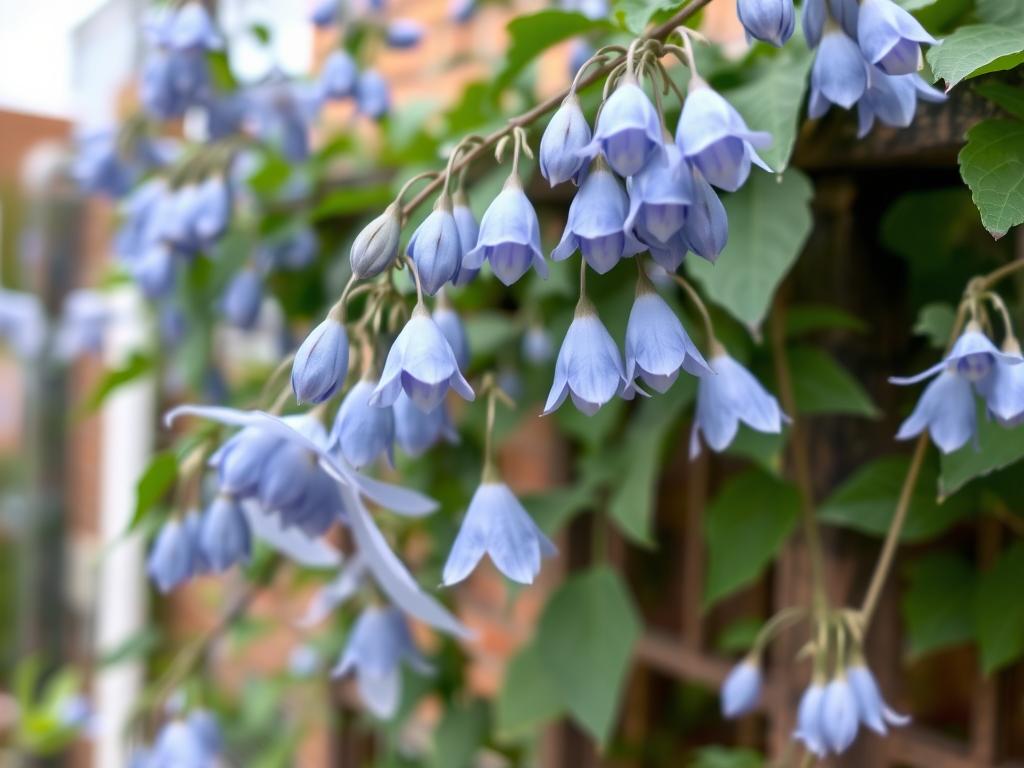
Looking for a graceful climbing plant that won’t overwhelm your compact garden space? Clematis alpina might be your perfect match. This charming early-flowering climber reaches just 2.5 metres in height, making it ideal for small gardens, patios and balconies across the UK. With its delicate nodding bell-shaped flowers appearing as early as April, this alpine beauty offers vertical interest without the aggressive growth of larger clematis varieties.
Clematis alpina produces charming bell-shaped flowers in early spring
Why Choose Clematis Alpina for Limited Spaces?
When garden space is at a premium, every plant must earn its keep. Clematis alpina stands out from its more vigorous clematis cousins in several important ways that make it perfect for smaller gardens.
Will Clematis Alpina Take Over My Garden?
Unlike some of the more robust clematis varieties that can quickly dominate a space, Clematis alpina maintains a more restrained growth habit. Reaching a maximum height of just 2.5 metres (8 feet) and spreading only 1-1.5 metres, it’s perfectly scaled for small gardens, modest trellises, and container growing.
The plant’s light, airy foliage creates a delicate presence that complements rather than overwhelms neighbouring plants. Its leaf stalks (petioles) are less aggressive than other clematis varieties, making it a considerate companion in mixed plantings.
Benefits of Clematis Alpina
- Early bloomer (April-May) when gardens need colour
- Compact size perfect for small spaces (max 2.5m height)
- Low maintenance with minimal pruning needs
- Attractive seedheads provide extended interest
- Shade tolerant – thrives in north-facing positions
- Hardy in UK climate (H6 rating – hardy to -20°C)
Limitations to Consider
- Shorter flowering period than some clematis
- Less vigorous – won’t quickly cover large areas
- Flowers on old wood – incorrect pruning removes blooms
- May be susceptible to clematis wilt in poor conditions
- Less variety in flower colours than larger clematis types
Planting Guide: Getting Started with Clematis Alpina
Successful growth of Clematis alpina begins with proper planting. Following the “cool roots, sunny tops” principle will give your plant the best start in life and ensure years of beautiful spring blooms.
Plant Clematis alpina with the crown 5-8cm below soil level for best results
Soil Preparation: The “Cool Roots” Method
Clematis alpina thrives when its roots are kept cool and moist while its upper growth basks in sunlight. This natural adaptation can be easily accommodated in your garden with some thoughtful preparation:
- Dig a hole approximately 45cm wide and 45cm deep
- Mix the removed soil with well-rotted compost or leaf mould
- Add a handful of bone meal to encourage strong root development
- Position the plant with its crown (where stems meet roots) 5-8cm below soil level
- Backfill with your soil mixture and water thoroughly
- Apply a 5cm layer of mulch around the base, keeping it away from stems
- Position low-growing plants or decorative stones at the base to shade roots
Perfect Positioning for UK Gardens
Unlike many clematis varieties, Clematis alpina performs exceptionally well in partial shade to full shade positions. This makes it ideal for north-facing walls or areas that receive morning sun but afternoon shade.
In the UK climate, an east-facing position often provides the perfect balance of light and protection from harsh afternoon sun.
Container Growing for Patios and Balconies
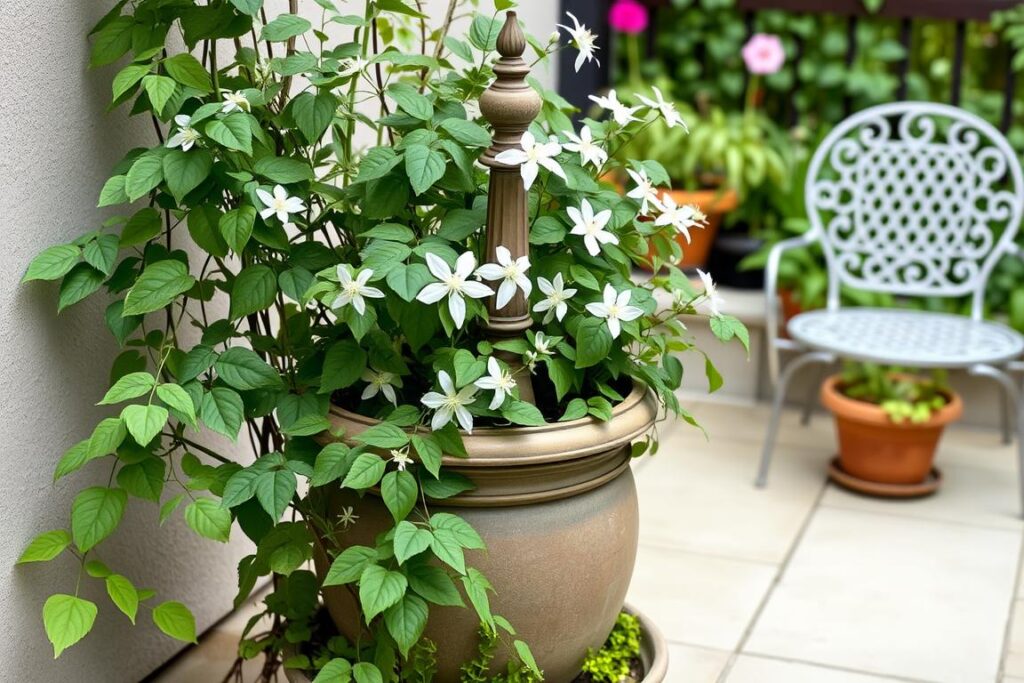
Limited to a patio or balcony? Clematis alpina adapts beautifully to container growing, bringing vertical interest to even the smallest spaces:
- Choose a container at least 45cm deep and 45cm wide
- Ensure excellent drainage with a layer of crocks at the bottom
- Use a loam-based compost mixed with 30% perlite for drainage
- Position the container where the plant can climb onto a support
- Water consistently during growing season, never allowing to dry out
- Apply a slow-release fertiliser in spring
- Protect the container from freezing in severe winter conditions
Care Essentials for Thriving Clematis Alpina
Once established, Clematis alpina is relatively low-maintenance compared to other climbing plants. However, understanding its specific needs will ensure your plant thrives year after year in your small garden space.
Seasonal care calendar for Clematis alpina in UK gardens
Watering Needs in UK Climate
The UK’s variable climate means watering requirements change throughout the year. Clematis alpina has moderate water needs that are easily managed:
- Spring: Water thoroughly once weekly if rainfall is insufficient
- Summer: Increase to twice weekly during dry spells, focusing on root zone
- Autumn: Reduce watering as temperatures cool, but don’t allow to dry completely
- Winter: Minimal watering needed; natural rainfall usually sufficient
Container-grown plants will need more frequent watering in all seasons, as pots dry out faster than ground soil. Check moisture levels by inserting your finger 2-3cm into the soil – if it feels dry, it’s time to water.
Fertiliser Recommendations
Clematis alpina doesn’t require heavy feeding, but a thoughtful fertilising regime will support healthy growth and abundant flowering:
“For Clematis alpina, less is more when it comes to fertiliser. A single application of balanced, slow-release fertiliser in early spring is usually sufficient for the entire growing season.”
- Apply a balanced, slow-release fertiliser in March/April
- Choose formulations with equal NPK ratios (e.g., 10-10-10)
- Avoid high-nitrogen feeds which promote foliage at the expense of flowers
- For container plants, supplement with liquid seaweed feed monthly during growing season
Winter Protection for Roots
While Clematis alpina is hardy throughout the UK (rated H6 by the RHS), taking a few precautions during winter will ensure your plant emerges strong in spring:
- Apply a thick mulch (5-7cm) around the base in late autumn
- Ensure mulch doesn’t touch stems directly to prevent rot
- For container plants, move to a sheltered position or wrap pots in bubble wrap
- Consider adding a layer of horticultural fleece during extreme cold snaps
Pruning Simplified: Group 1 Clematis Care
One of the biggest advantages of Clematis alpina for busy gardeners is its minimal pruning requirements. As a Group 1 clematis, it flowers on growth made in the previous year, meaning heavy pruning will remove the flowering stems.
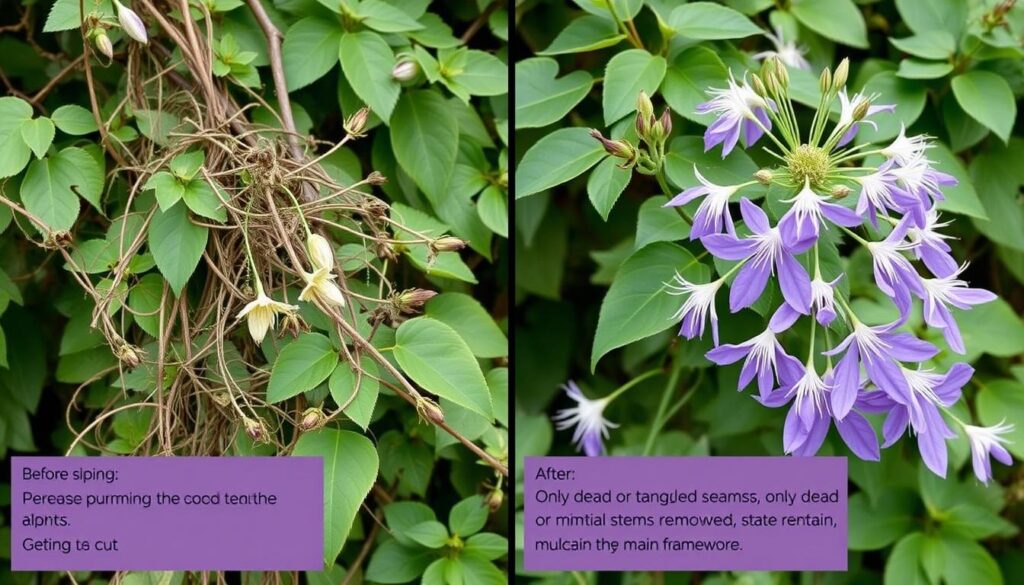
Minimal pruning approach for Clematis alpina – before and after
When Should I Prune My Clematis Alpina?
The ideal time to prune Clematis alpina is immediately after flowering has finished, typically in late May or early June. This gives the plant time to produce new growth that will bear next year’s flowers.
Follow this simple pruning approach for Clematis alpina:
DO:
- Remove dead or damaged stems
- Cut back tangled growth that detracts from appearance
- Trim stems that have flowered if the plant is becoming too large
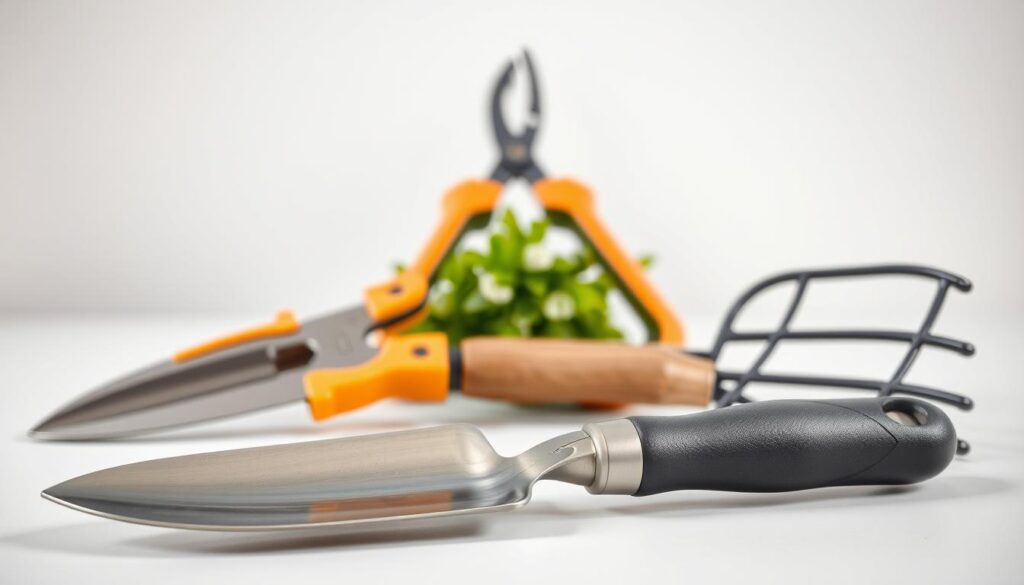
- Sanitise pruning tools before use to prevent disease spread
DON’T:
- Cut back hard in spring (you’ll remove flowering stems)
- Remove main framework of established stems
- Prune during active growth or flowering periods
- Worry about perfect form – Clematis alpina looks best with a natural habit
Make clean cuts just above a healthy pair of buds
“The beauty of Group 1 clematis like Clematis alpina is their forgiving nature. When in doubt, it’s better to prune too little than too much. These plants will naturally find their way and reward minimal interference with abundant spring blooms.”
Design Pairings for Vertical Layers
Clematis alpina’s delicate presence makes it an excellent companion for other plants in small garden designs. By thoughtfully combining it with complementary species, you can create vertical layers of interest that maximise limited space.
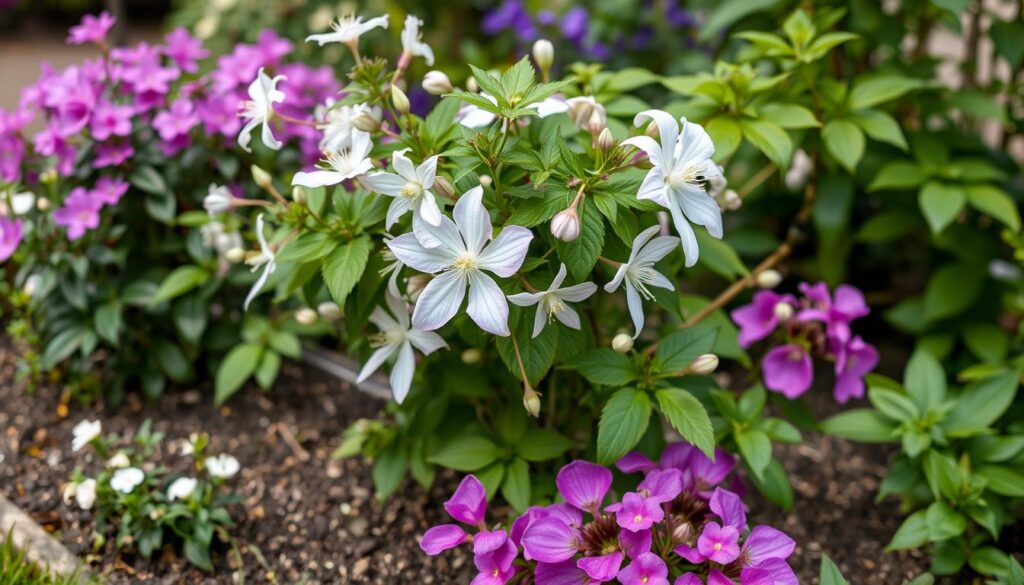
Clematis alpina creates vertical interest when paired with compact shrubs
Perfect Plant Partners
The best companions for Clematis alpina in small gardens are those that complement its growth habit while fulfilling the “cool roots” requirement:
Dwarf Shrubs
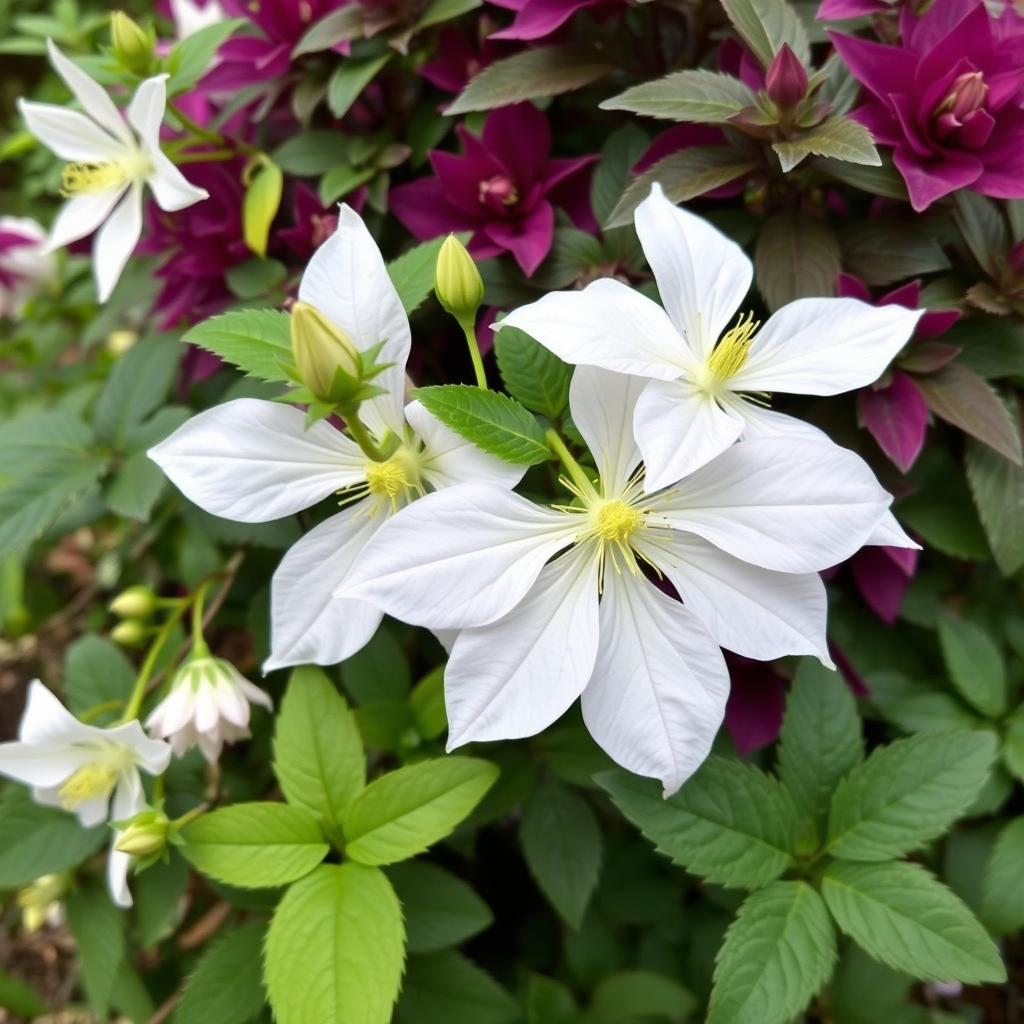
- Dwarf Rhododendrons
- Compact Hebes
- Small Japanese Maples
- Dwarf Conifers
Perennials
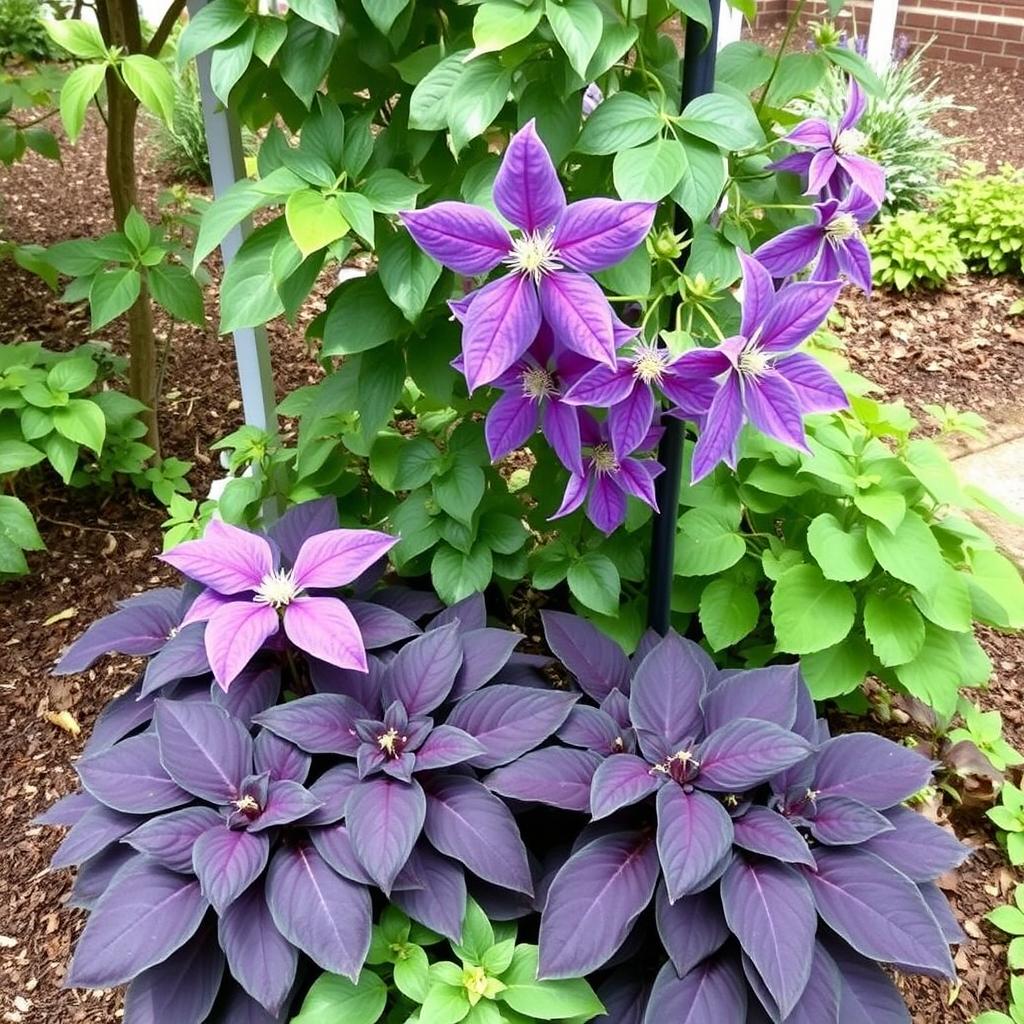
- Hostas
- Heucheras
- Hardy Geraniums
- Pulmonarias
Container Companions
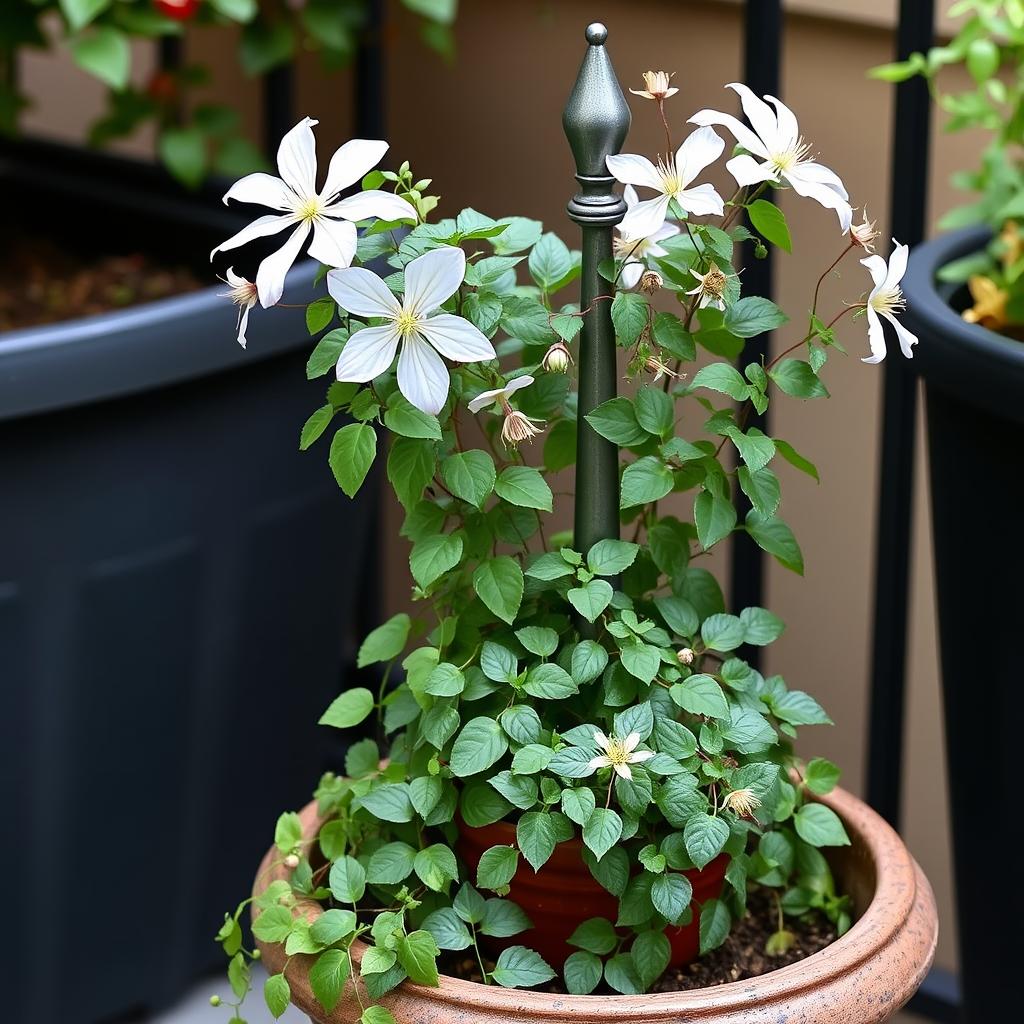
- Trailing Ivy
- Compact Lavender
- Alpine Strawberries
- Spring Bulbs
Creative Uses in Small Spaces
Clematis alpina’s versatility allows for numerous creative applications in space-constrained gardens:
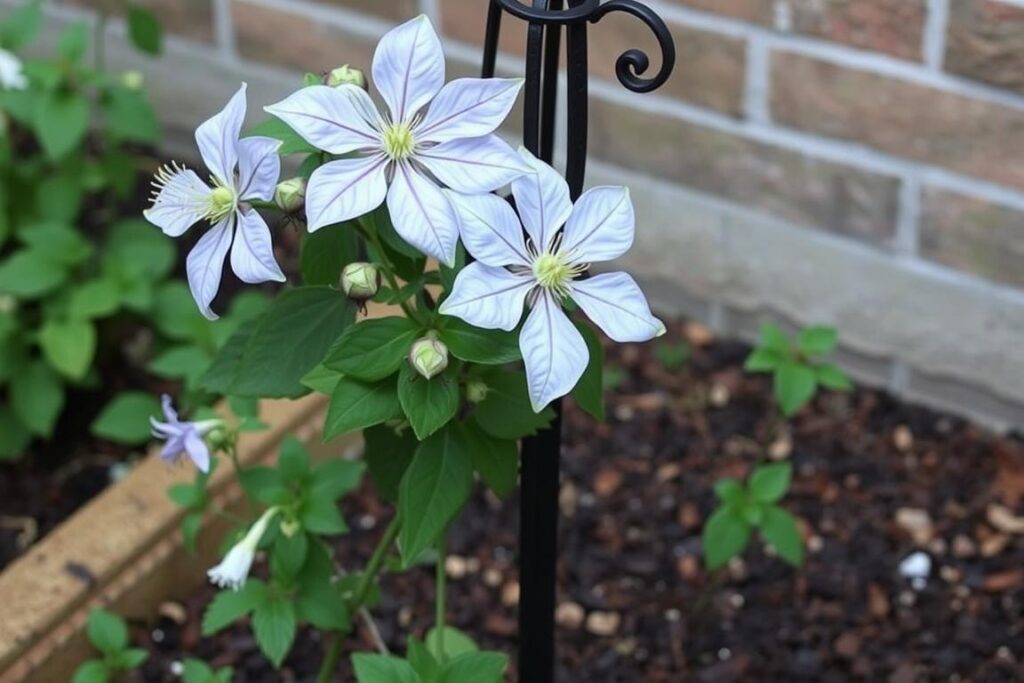
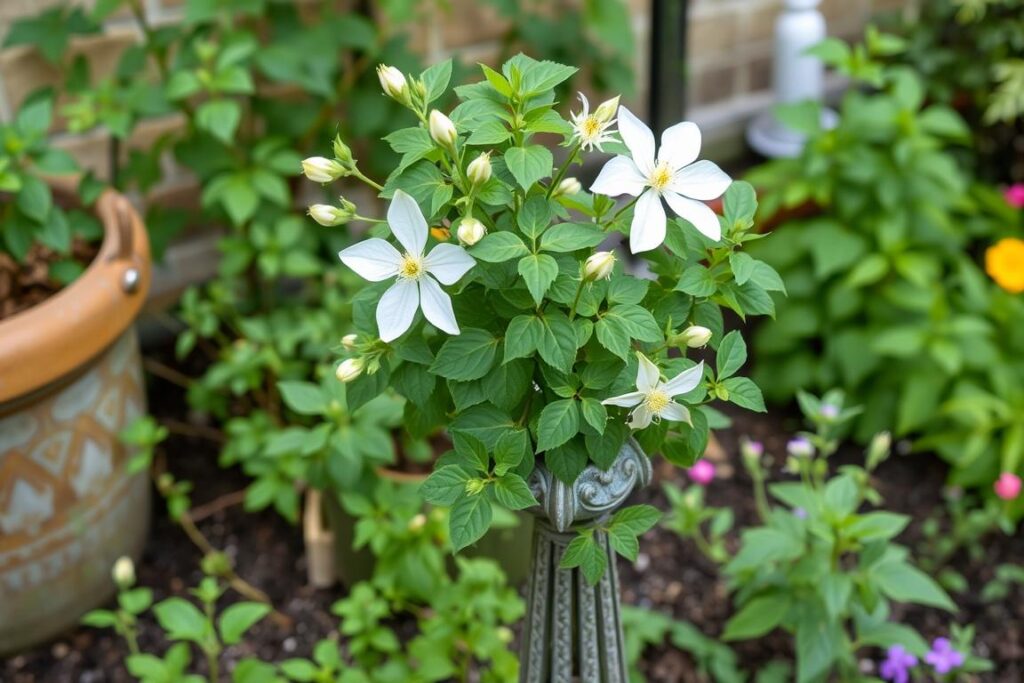
- Thread through obelisks: Place a decorative obelisk in a border and allow Clematis alpina to weave through it for vertical interest
- Soften archways: Train along small garden arches to create a welcoming entrance
- Disguise utility areas: Use to screen bins or utility meters with a trellis support
- Balcony railings: Train along balcony railings for privacy and colour
- Living screens: Create seasonal dividers in seating areas
Can I grow multiple clematis varieties together?
Yes, Clematis alpina pairs beautifully with other Group 1 clematis like Clematis montana or Clematis macropetala to extend the flowering season. Plant them 30-45cm apart and provide adequate support for both plants. Their similar care requirements make them compatible companions.
Embracing Vertical Beauty in Small Spaces
Clematis alpina offers the perfect solution for gardeners with limited space who don’t want to compromise on beauty or interest. Its compact size, early flowering period, and minimal maintenance requirements make it an ideal choice for small UK gardens, patios and balconies.
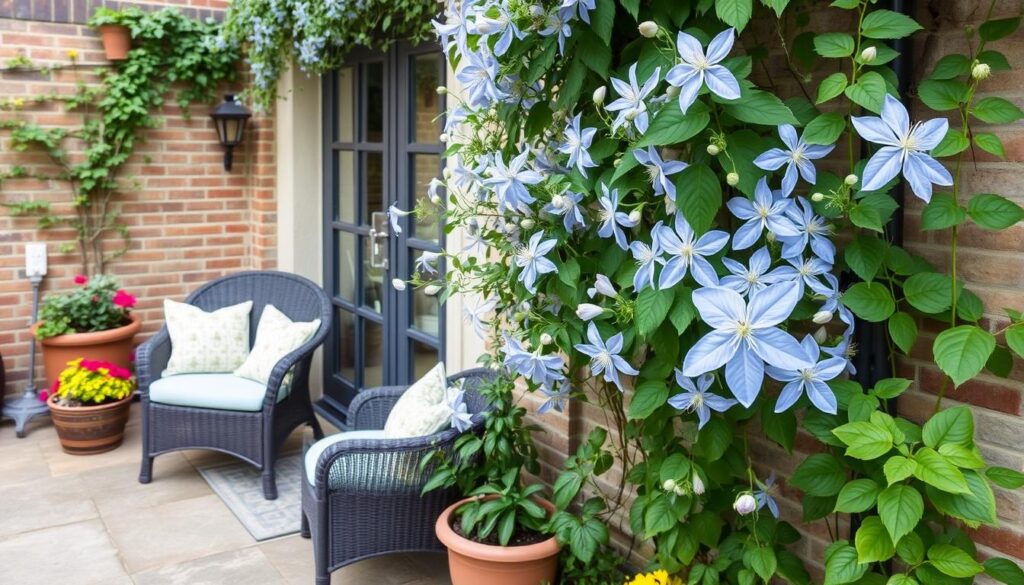
Clematis alpina transforms small spaces with vertical beauty
By following the planting and care guidelines in this article, you’ll be rewarded with a stunning display of nodding bell-shaped flowers each spring, followed by attractive seedheads that extend the season of interest. The plant’s natural resistance to many common clematis problems means less worry and more enjoyment of your garden.
Whether you choose to grow Clematis alpina on a trellis against a wall, through a small tree or shrub, or in a container on your patio, this delightful climber proves that even the smallest outdoor spaces can accommodate vertical beauty that brings joy year after year.