Ever wondered why some plants grow easily while others struggle? The Elephant Ear Plant, or Alocasia Macrorrhiza, has secrets to its lush leaves. It’s a tropical beauty that adds a striking touch to any space. But it needs special care to thrive.
In this guide, we’ll cover the basics of caring for your Elephant Ear Plant. This will make growing Alocasia a breeze.
Key Takeaways
- Alocasia Macrorrhiza thrives in bright, indirect light for optimal growth.
- Maintaining appropriate humidity levels is key for vibrant foliage.
- A well-draining soil mix is vital for your Elephant Ear Plant’s health.
- Regular watering prevents wilting or root rot.
- Fertilising during the growing season boosts strong growth.
- Propagation is easy through offsets or dividing tubers.
- Watch out for pests and diseases that harm your plant.
Introduction to Elephant Ear Plant
The Elephant Ear Plant is a standout in gardens or indoor spaces with its bold leaves. It belongs to the Araceae family and is part of the Alocasia genus. This plant is loved by many for its striking features.
What is the Elephant Ear Plant?
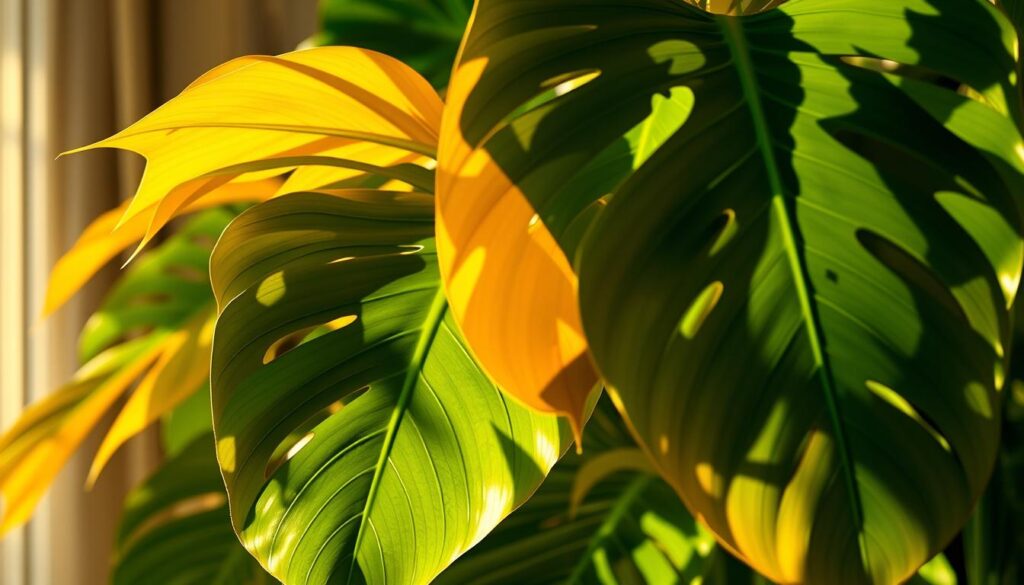
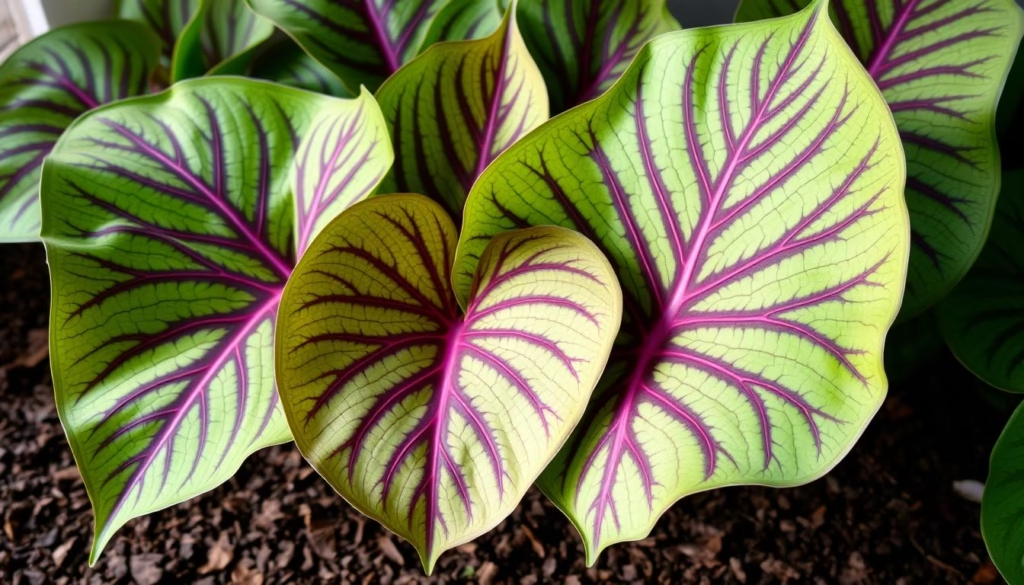
The Elephant Ear Plant is known for its big, heart-shaped leaves. These leaves can grow up to 6 to 8 feet tall. It’s a favourite for adding a tropical feel to homes or gardens.
Origins and Varieties
The Elephant Ear Plant comes from tropical Asia and Eastern Australia. It loves humid places. You can find different types like Alocasia polly, Alocasia micron, and Alocasia macrorrhiza. Each type has its own look, size, and colour.
Ideal Growing Conditions for Your Plant
Creating the right growing conditions for Elephant Ear Plant is key for their growth. These plants thrive in environments that match their natural habitats. They need specific care to stay healthy and vibrant.
Light Requirements
Your Elephant Ear Plant loves bright, indirect light. In the wild, they get sunlight filtered through tall leaves. Direct sun can burn their leaves, while too little light makes them stretch and grow slowly. Place your plant near a bright window but protect it from strong sun.
Temperature and Humidity
Keeping the right temperature and humidity is vital. The best temperature for these plants is between 18°C to 29°C (65°F to 85°F). Also, keep humidity levels around 50% or higher for best growth. Use a humidifier or mist often to make your space feel more tropical. Remember, light and humidity together create a healthy plant.
By focusing on these key factors, you can grow your Elephant Ear Plant well. Knowing about growing conditions for Elephant Ear Plant makes gardening better. For more on plant care, check out this informative guide.
Soil Preferences for Elephant Ear
Choosing the right soil is key for your Elephant Ear Plant’s health and growth. Knowing what soil it prefers can really help. The soil should be rich in nutrients and drain well to keep the right moisture.
Best Soil Types
The best soil for Alocasia is a mix of peat, coco coir, and perlite. This mix is perfect for healthy growth. It lets air reach the roots and keeps moisture in.
Look for a slightly acidic soil with a pH of 5.5 to 7.0. This will meet your plant’s nutritional needs.
Drainage Considerations
Drainage is very important for your Elephant Ear Plant’s health. Use pots with good drainage holes. Adding materials like orchid bark to your soil mix helps too.
This prevents water from pooling and reduces the risk of root rot. Your plant will stay vibrant and healthy.
Watering Your Alocasia Macrorrhiza
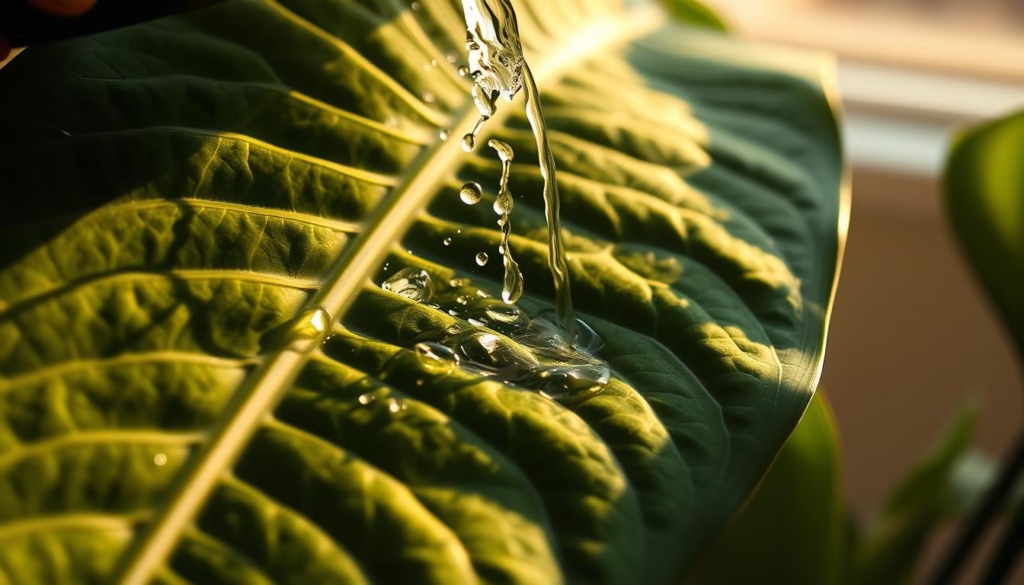
Proper watering is key for your Alocasia Macrorrhiza’s health. Following the right Elephant Ear Plant watering tips will keep your plant’s leaves vibrant and promote growth. Knowing your plant’s watering needs is essential for it to thrive at home.
How Often to Water
To water your Alocasia correctly, check the top 2 to 3 inches of soil. If it’s dry, it’s time to water. The watering frequency changes with the seasons. In summer, you might need to water every 1 to 4 days. In winter, the plant needs less water as it rests.
Regularly checking the soil moisture helps avoid root rot or drought stress.
Signs of Over and Under Watering
Spotting signs of bad watering can save your plant. Yellowing leaves or wilting mean too much water. Underwatering shows as dry, crispy leaves, making your plant look unhealthy.
Watching for these signs is vital to keep your Alocasia Macrorrhiza lush and vibrant.
| Watering Signal | Indication |
|---|---|
| Yellowing Leaves | Overwatering |
| Wilting | Overwatering |
| Dry, Crispy Leaves | Under Watering |
| Soil Moisture Check | Top 2-3 inches dry |
Fertilising Your Elephant Ear Plant
Understanding how to fertilise your Elephant Ear Plant is key to its growth. These plants need a nutrient-rich diet to thrive. They require specific fertilisation techniques to support their large, vibrant leaves.
Best Fertiliser Options
Choose a balanced liquid fertiliser high in nitrogen, phosphorus, and potassium. A 20-20-20 liquid fertiliser diluted to half strength is a good choice. It promotes lush foliage without burning the leaves. Regular application is vital for the plant’s health.
Feeding Schedule
Creating a consistent feeding schedule is essential. During the growing season, fertilise every two to three weeks. Don’t overdo it in the dormant fall and winter months to avoid harming the plant.
For a simple feeding schedule for Alocasia, follow this:
- Spring: Fertilise bi-weekly.
- Summer: Continue bi-weekly fertilisation.
- Autumn: Reduce to monthly applications.
- Winter: Avoid fertilisation completely.
Propagating Elephant Ear Plants
Propagating your Elephant Ear Plant can be exciting. One top method is rhizome division. This involves separating bulblets from the main rhizome. It boosts your chances of growing new plants successfully.
Methods of Propagation
Rhizome division is the simplest way to propagate. When your plant gets big, it will grow bulblets. These can grow on their own. Make sure each bulblet has roots before planting.
Another method is seed propagation. It’s less common but can work. Seeds take longer to grow but can succeed.
Tips for Successful Propagation
- Choose a healthy parent plant for strong bulblets.
- Use clean, sharp tools for division to avoid infections.
- Start new plants in indirect light to reduce stress.
- Watch the soil moisture to avoid too much water.
Follow these tips and use the right techniques for growing new Alocasia plants. Your garden will stay vibrant and lush.
| Propagation Method | Time to Maturity | Success Rate |
|---|---|---|
| Rhizome Division | 1-2 months | High |
| Seed Planting | 3-6 months | Moderate |
Pests and Diseases
It’s important to watch out for pests and diseases to keep your Elephant Ear Plant healthy. These plants can get sick if they don’t get the right care. Checking your plants often helps you spot problems early and deal with them quickly.
Common Pests to Watch For
Several pests can harm your Alocasia, like spider mites, aphids, and mealybugs. These pests love warm, dry places. So, it’s key to keep an eye on your plants. Look for webbing, lesions, and sticky stuff to see if pests are around.
Using natural treatments like neem oil or insecticidal soaps can help. This keeps your plants happy and healthy.
How to Treat Issues
Aside from pests, your Elephant Ear Plant might get diseases like leaf spot from too much water. To fix this, make sure your plant drains well and gets good air. If your plant looks sick, try changing how you water it and make sure it gets enough light.
Keeping your plant in a healthy environment can really help prevent diseases.
For more tips on taking care of your plants, check out this guide. It covers common problems and how to solve them.
| Pest/Disease | Symptoms | Treatment |
|---|---|---|
| Spider Mites | Webbing on leaves, yellowing foliage | Neem oil applications, insecticidal soap |
| Aphids | Sticky residue, distorted leaves | Insecticidal soap or neem oil |
| Mealybugs | Cotton-like clusters on stems | Alcohol wipes, neem oil |
| Leaf Spot | Brown spots on leaves | Improve drainage, reduce watering |
Pruning Tips for Larger Foliage
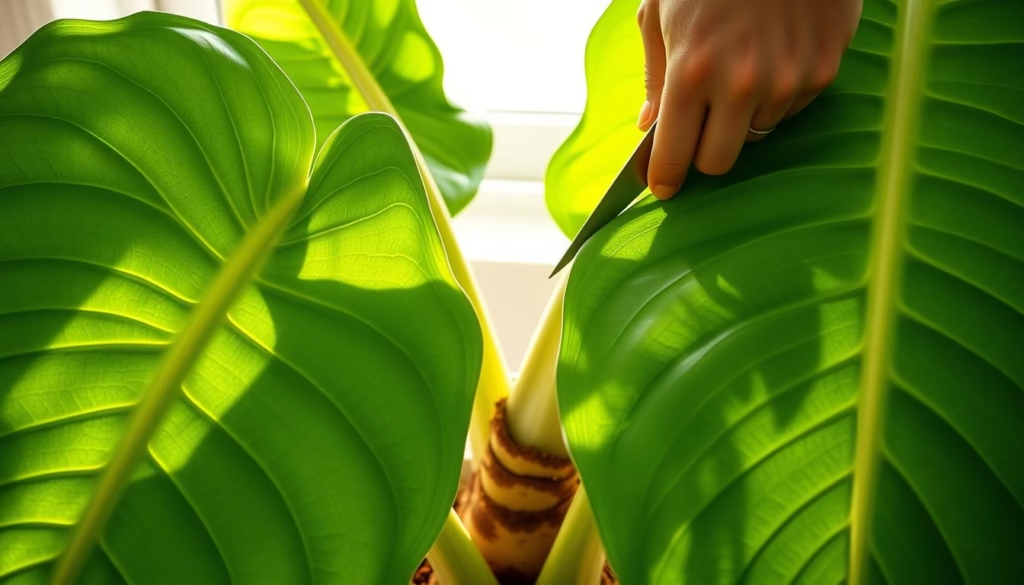
Keeping your Elephant Ear Plant looking great needs regular pruning. Knowing when and how to prune is key for healthy growth. Cutting away dead or damaged leaves helps new ones grow, making your plant look better and stay healthy.
When and How to Prune
Pruning is best done in spring and summer, when your plant is growing. Look for yellow or brown leaves and cut them off with sharp scissors. Make sure to keep your plant’s shape and don’t cut healthy leaves.
Benefits of Pruning
Pruning your Elephant Ear Plant has many benefits. It helps prevent diseases by improving air flow. It also encourages new growth, helping your plant to flourish. Pruning is a vital part of caring for your Alocasia, keeping it strong and beautiful.
| Benefits of Pruning | Description |
|---|---|
| Promotes Healthy Growth | Encourages new foliage to develop and thrive. |
| Reduces Disease Risk | Improves air circulation and prevents mould and rot. |
| Enhances Appearance | Maintains the plant’s shape and removes unsightly leaves. |
| Facilitates Care | Makes it easier to manage and observe the plant’s health. |
Seasonal Care Guide
Knowing how to care for your Elephant Ear Plant all year is key. As seasons change, your Alocasia’s needs will too. Here are some important tips for spring and winter to keep your plant healthy and bright.
Spring Care Tips
When spring comes, your Elephant Ear Plant starts to grow again. Now’s the time to water it more to help new leaves grow. Keep the soil moist by checking it often. A balanced fertiliser once a month will also help it grow.
If the roots are getting too tight, it’s time to move your plant to a bigger pot. This will give it room to spread out. For more tips on growing Elephant Ear plants, check out these resources.
Winter Care Essentials
In winter, your Elephant Ear Plant will slow down. You’ll need to water and fertilise it less. Move it to a warmer, brighter spot to avoid cold stress.
Watch out for too much water, as your plant prefers to be dry in winter. Follow these spring and winter tips to keep your plant happy during the cold months.
Common Mistakes in Elephant Ear Plant Care
Many people make mistakes when caring for Elephant Ear Plant. These errors can stop the plant from growing well. Knowing these mistakes helps your plant do well at home.
Overwatering Issues
Overwatering is a big problem for Elephant Ear Plant owners. It can cause root rot, harming the plant. It’s important to check the soil moisture often.
If the top inch of soil is dry, it’s time to water. Adjust how often you water based on the plant’s environment and the season. Knowing your plant’s needs helps avoid overwatering.
Incorrect Lighting
Getting the right light is key for Elephant Ear Plant. Too much sun can burn the leaves, while not enough can slow growth. Place your plant in a spot with the right amount of light.
A bright, indirect light spot is usually best. This gives your plant the light it needs without harming it.
| Mistake | Effect | Solution |
|---|---|---|
| Overwatering | Root rot and plant decline | Check soil moisture; water when top inch is dry |
| Incorrect Lighting | Leaf scorch or stunted growth | Provide indirect sunlight; avoid harsh direct light |
By avoiding these common mistakes, you can help your Elephant Ear Plant thrive. Focus on watering and lighting, and your plant will show off its beautiful leaves.
Conclusion: Enjoying Your Bold Foliage
Adding Elephant Ear Plants to your home can make it feel like a lush oasis. To keep them looking great, you need to water them regularly. You also have to watch the light and nutrients they get.
Make sure to check your Alocasia Macrorrhiza often. This way, you can spot any problems early. This helps keep your plant in top shape.
Long-Term Care Tips
For your Elephant Ear Plant to grow well, check its environment often. Place it where it gets enough indirect light. This will make its leaves bright and vibrant.
Also, keep the air around it humid. This helps your plant grow strong. Enjoying your Alocasia’s beauty comes from knowing what it needs and adjusting for it.
Final Thoughts on Growing Elephant Ears
With patience and care, your Elephant Ear Plants will bring beauty to your home for years. By focusing on their long-term care, you’ll keep their beauty alive. You’ll also grow closer to this amazing plant.
Develop a routine for caring for them. Enjoy the joy of watching these bold, lush leaves grow.