
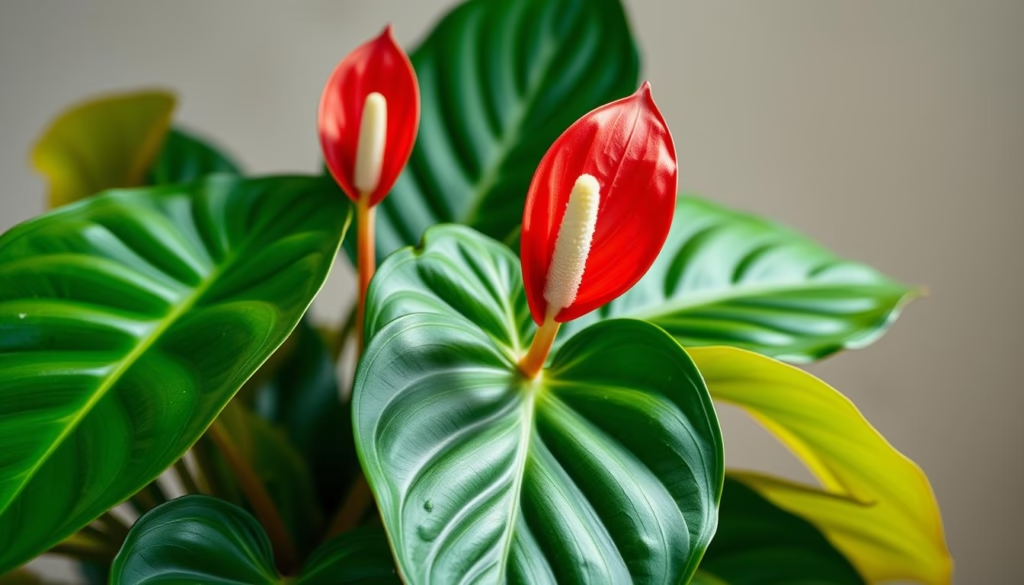
Do you really know what your Flamingo Flower needs to thrive, or are you just hoping for the best? The stunning Flamingo Flower, also known as Anthurium andraeanum, is loved for its vibrant blooms and lush foliage. Yet, many struggle to give it the care it needs. This guide will share essential tips and insights for effective Flamingo Flower care, ensuring your plant thrives indoors.
Discover how optimal light, the right soil, proper watering, and humidity can make a big difference in your Anthurium care journey.
Looking for detailed info on the best soil for your Flamingo Flower or curious about its water and light preferences? You’re in the right place. We’ll explore how to maintain the ideal environment for blooming, so your Anthurium thrives. For more in-depth info, check out this helpful guide on plant care. Let’s get started!
Key Takeaways
- Flamingo Flower thrives in bright, indirect light.
- Choose a well-draining potting mix for optimal soil conditions.
- Water only when the top inch of soil is dry to prevent overwatering.
- Maintain humidity levels between 50-70% for healthy growth.
- Prune regularly to encourage new growth and maintain shape.
- Fertilise with a balanced houseplant fertiliser every 6-8 weeks.
- Watch for common pests like mealybugs and aphids to protect your plant.
Understanding the Flamingo Flower’s Needs
The Flamingo Flower does best when its needs are met. To keep it healthy and blooming, focus on watering, sunlight, and temperature.
Water Requirements
Keep the soil moist but not too wet. Let it dry a bit before watering again. This stops root rot from too much water. Right watering helps your plant grow strong.
Light Preferences
Knowing your plant’s light needs is key. Flamingo Flowers need bright, indirect light to bloom well. Too much direct sun can burn their leaves. Not enough light slows growth and blooms.
Find a spot with six hours of bright, indirect light for the best blooms.
Temperature Tolerance
The perfect spot for a Flamingo Flower is between 18-29°C (65-85°F). Keep it away from cold drafts and sudden temperature changes. This keeps it stress-free and growing well.
Choosing the Right Soil for Your Anthurium
Choosing the right soil is key for your Flamingo Flower’s health and beauty. The right soil mix can greatly affect its growth and health. Knowing about soil composition and drainage is vital for a perfect plant home.
Soil Composition
For the best growth, mix 50% orchid potting media with 50% houseplant potting soil. This mix meets the Flamingo Flower’s needs for air and moisture. Adding perlite or sand can also help with drainage, making the soil airy for the roots.
Drainage Importance
Good drainage is essential for your plant. It stops water from building up around the roots, which can cause rot. Use a pot with drainage holes to help water flow out. This healthy setup will help your Flamingo Flower thrive.
| Soil Component | Function |
|---|---|
| Orchid Potting Media | Offers excellent aeration and drainage. |
| Houseplant Potting Soil | Retains moisture while providing nutrients. |
| Perlite | Improves drainage and aeration. |
| Sand | Enhances drainage and prevents compaction. |
Potting and Repotting Your Flamingo Flower
Proper potting and repotting are key to keeping your Flamingo Flower healthy. Knowing when to repot and choosing the best pots for Anthurium boosts your plant’s growth and health.
When to Repot
Repot your Flamingo Flower every two years or when it’s root-bound. Look for signs like roots coming out of the drainage holes or slow growth. If your plant is too tight in its pot, a new pot can help it grow better.
Best Pot Types
Choosing the right pot is vital for your plant’s health. Go for terracotta, plastic, or ceramic pots with many drainage holes. Terracotta pots dry soil quickly, which is good for anthuriums that like dry soil between waterings.
When repotting, keep the soil level the same as before. This helps your plant adjust without stress. For more tips on caring for your plant, check this resource.
Watering Your Flamingo Flower Correctly
Getting the watering right is key for your Flamingo Flower’s health. Knowing the signs of health helps you find the perfect moisture level. Too much or too little water can cause big problems, so it’s important to watch for symptoms.
Signs of Overwatering
Too much water harms your Flamingo Flower. Look out for yellow leaves and wilting. Wet roots can rot, making your plant more prone to disease. Make sure your pot drains well to prevent these issues.
Signs of Underwatering
Not enough water is a problem too. Brown tips and crispy leaves mean your plant needs more water. Check the soil often. Water your Flamingo Flower when the top inch of soil feels dry, keeping it moist but not too wet.
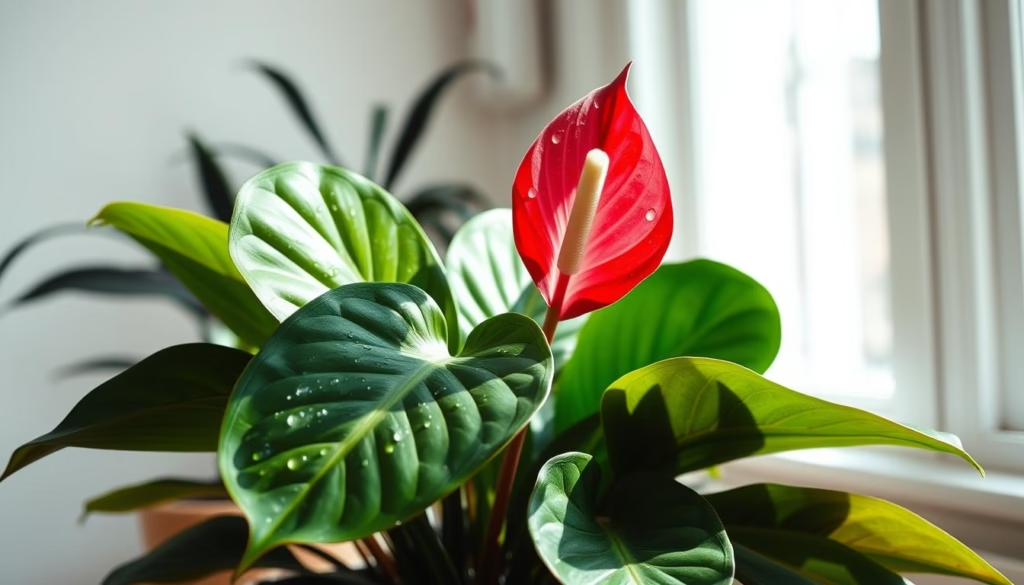
| Watering Issue | Signs | Recommended Action |
|---|---|---|
| Overwatering | Yellowing leaves, wilting | Allow soil to dry, check drainage |
| Underwatering | Browning tips, crispy leaves | Water immediately, ensure soil moisture |
Fertilising the Anthurium: What You Need to Know
Knowing how to fertilise your Flamingo Flower is vital for its health and beauty. By following these tips, you can enjoy vibrant blooms with ease. It’s important to understand when and how to feed your Anthurium.
Frequency of Fertilisation
Fertilise your Anthurium every two weeks from spring to autumn. Use a diluted high-phosphorus fertiliser. Adjust the amount based on new growth.
In winter, when growth slows, fertilise once a month. Or stop until spring comes back.
Best Fertiliser Types
Choosing the right fertiliser is key for your Anthurium’s health. Pick a fertiliser made for flowering houseplants. It should have more phosphorus, as it helps with blooming and growth.
Regular use of the best fertiliser boosts your plant’s health and blooms.
Pruning and Grooming Your Flamingo Flower
Keeping your Flamingo Flower healthy and vibrant is key. Regular care, including effective pruning, is vital. The right techniques and timing boost your plant’s look and health. Let’s dive into the best ways to prune your Flamingo Flower and some top grooming tips.
When to Prune
Regularly check your Flamingo Flower. Remove dead or yellowing leaves all year to keep it fresh. After the flowers fade, cut them off at the base. This promotes new growth and keeps your plant looking lush.
Techniques for Pruning
Use sharp, sterile tools to avoid harming your plant. When cutting flowers, cut at the base of the stem. Trim long or stray growth, leaving at least three or four healthy leaves for the plant’s health.
Common Pests and Diseases
Keeping your Flamingo Flower healthy means knowing about common pests and diseases. Spotting these problems early can prevent serious damage. This makes your plant care routine more effective.
Identifying Pest Infestations
Pests like spider mites, mealybugs, and aphids are big threats. Look for signs such as:
- Yellowing or stippling of leaves
- Presence of tiny webs, mainly from spider mites
- Cotton-like clusters from mealybugs
- Weak and deformed plant growth
These signs help you catch infestations early. For more info, check out this guide.
Preventive Measures
Start by regularly checking your plant for pests. Spotting problems early is key. For small infestations, hand removal or water blasts work well.
For bigger issues, try horticultural soap or oil sprays. They’re gentler on your plant. Keeping your plant’s area clean also helps prevent pests.
Maintaining Humidity and Temperature
Humidity and temperature are key for your Flamingo Flower’s health. Knowing these needs helps it grow well and live longer. This part talks about how to keep the right humidity and temperature for your Anthurium.
Optimal Humidity Levels
For a healthy Flamingo Flower, aim for humidity over 60%. The best is 80% or more for growth. You can use a pebble tray, a humidifier, or spray the plant daily. These methods keep the humidity your Flamingo Flower needs.
Seasonal Adjustments
Seasons change, and so do your plant’s needs. In dry winter, increase humidity and water wisely. Keep it away from drafts and sudden temperature changes. Nighttime should be above 60°F to protect your Anthurium. For more on humidity, check this article to help your Flamingo Flower all year.
Tips for Promoting Blooms
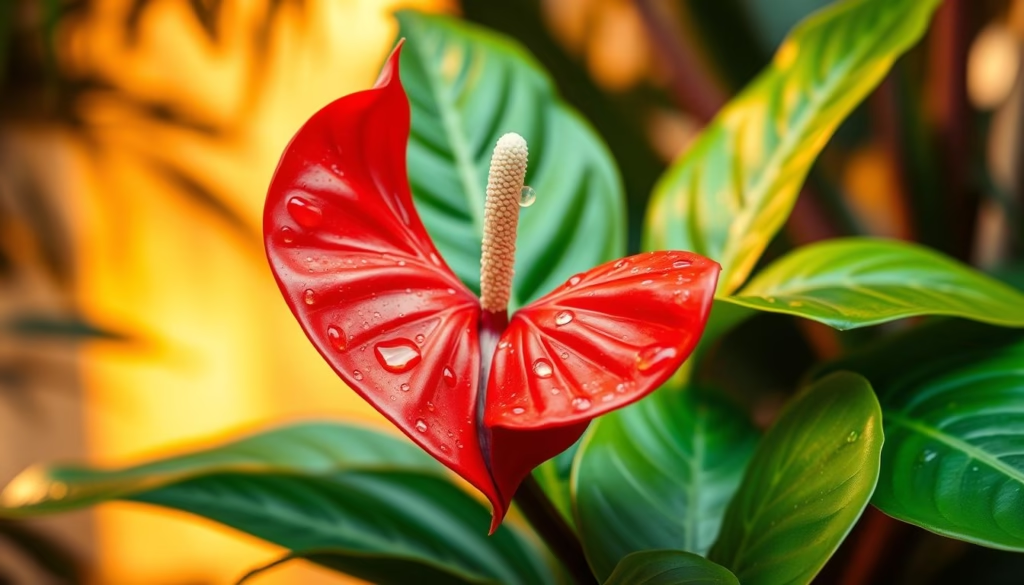
To get the most out of your Flamingo Flower, knowing what it needs is key. The right conditions help it bloom more often and stay healthy. Here are some top tips to make your Anthurium flowers stand out.
Lighting for Flowering
Lighting is a big deal for your Flamingo Flower. It needs bright, indirect light to bloom well. Place it near a light source but avoid direct sunlight, which can harm it.
By following these tips, you’ll see your plant bloom beautifully.
Encouraging New Growth
Good care is essential for new growth. Ensure your plant gets the right amount of water, keeps humidity levels up, and gets fertiliser now and then. This care helps it grow strong and bloom more often.
For more tips on caring for your Flamingo Flower, check out caring for your Flamingo Flower.