Ever dreamt of turning your garden into a tropical paradise with Heliconia rostrata, or Lobster Claw? This guide offers key heliconia rostrata care tips. It helps you grow this beautiful plant well. With its bright yellow flowers and green leaves, it makes your garden stand out.
It’s not just a plant; it’s a conversation starter. Knowing how to care for it will make your garden vibrant and inspiring.
Key Takeaways
- Understand the unique characteristics of Heliconia rostrata, including its growth habit and care needs.
- Choose the right location in your garden to ensure optimal light and soil conditions.
- Regular watering and humidity management are essential for the health of your Lobster Claw.
- Use high-quality fertilisers during the growing season to promote vibrant blooms.
- Implement effective pruning techniques for a lush, well-maintained plant.
- Manage pests and diseases with preventative measures and natural remedies.
- Explore propagation methods to expand your stunning tropical collection.
Introduction to Heliconia Rostrata
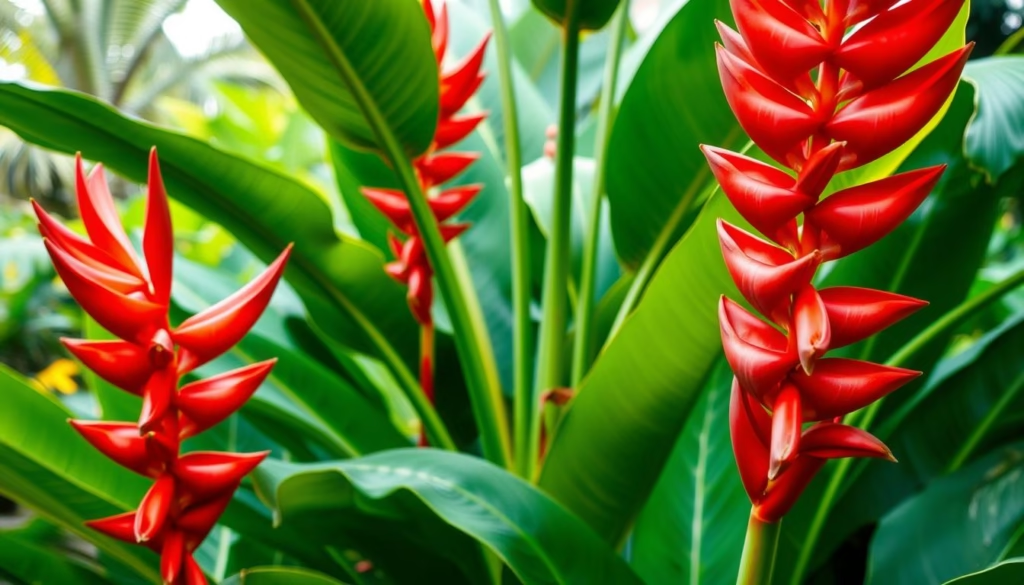
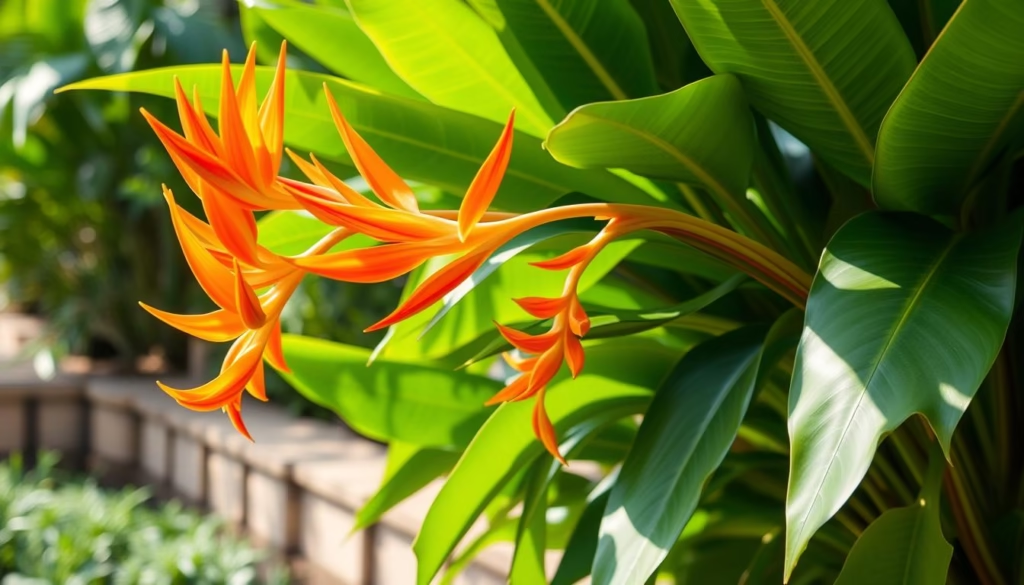
Heliconia rostrata, also known as lobster claw, is known for its bright look and special growth. It’s a big tropical plant that loves warm, humid places. Its flowers, with bright red and yellow bracts, hang from the stems and make gardens look amazing.
What is Heliconia Rostrata?
Heliconia rostrata is a tropical plant that comes back year after year. It’s famous for its flower shape, which looks like a lobster claw. This makes it a popular choice for gardens that want to feel tropical.
Why Choose Heliconia Rostrata for Your Garden?
Heliconia is more than just pretty. It brings bold colours and attracts hummingbirds, boosting your garden’s life. It grows well in warm places, making it great for many garden designs.
Key Characteristics of Lobster Claw
Knowing what makes lobster claw special helps us appreciate it more. Heliconia rostrata has:
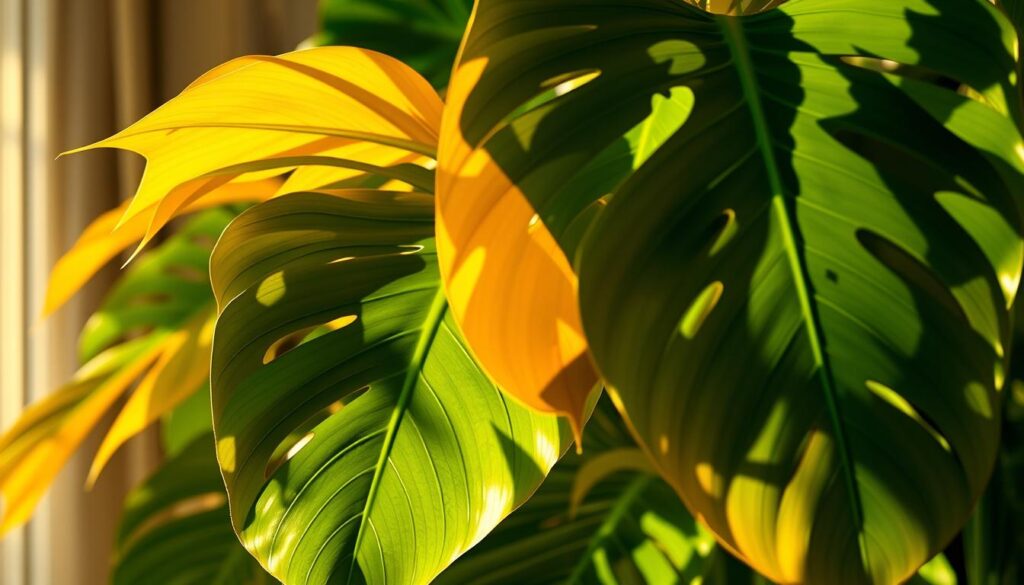
- Large, banana-like leaves that add a lush look.
- A unique rhizome root system that helps it grow.
- Pendulous bracts that look stunning and attract pollinators.
Heliconia rostrata makes gardens stand out and helps the environment. By adding this plant, you create beauty and a healthy garden space.
Ideal Growing Conditions
Creating the perfect environment for your heliconia rostrata is key to its growth and flowering. Knowing the best conditions is vital to make sure this beautiful tropical plant thrives in your garden.
Choosing the Right Location
To find the ideal spot for heliconia, look for a warm and humid place. It does best in USDA temperature zones 10 and above. A spot with full to partial sun is perfect for warmth.
Heliconia rostrata loves tropical climates. Here, temperatures stay consistent, and moisture is plentiful.
Preferred Soil Types
Choosing the right soil is essential for healthy roots in heliconia. It prefers well-draining soil with organic matter like compost. This soil keeps moisture but lets excess water drain, preventing root rot.
Creating a rich, nutrient-dense environment supports the plant’s vigorous growth. This is what heliconia is known for.
Light Requirements for Optimal Growth
Knowing the sunlight needs of heliconia is important for its growth. It prefers bright, indirect sunlight but can handle some shade. Getting enough light helps it grow strong and bloom beautifully.
Watering and Humidity Needs
Proper care for your Heliconia rostrata means meeting its watering and humidity needs. These tropical plants love consistent moisture. Knowing the details is key for a healthy, vibrant garden.
How Often Should You Water?
Watering your Heliconia rostrata regularly is vital. It prefers soil that’s always moist. Water it when the top inch of soil feels dry, avoiding waterlogged soil.
Too much water can cause rot. So, watch closely to keep a balance.
Maintaining Proper Humidity Levels
Humidity is key for Heliconia growth. They thrive in humid environments. Regular misting helps a lot.
Placing your plant on a pebble tray with water also boosts humidity. These steps keep your Heliconia lush and vibrant.
Signs of Over or Under-Watering
Watch for signs of watering problems. Yellow, drooping leaves mean too much water. Drying or brown tips on leaves suggest it needs more water.
Regular checks help manage these issues. For more tips, check out this resource.
| Issue | Signs | Action |
|---|---|---|
| Overwatering | Yellow, drooping leaves | Reduce watering, improve drainage |
| Underwatering | Drying or brown leaf tips | Increase watering frequency |
| Humidity Deficiency | Brown tips or wilting | Increase misting or use a pebble tray |
Fertilising Heliconia Rostrata
To keep your Heliconia Rostrata looking its best, knowing how to fertilise is key. There are many fertilisers that can help your plant grow and bloom. We’ll look at the best types, when to use them, and the difference between organic and synthetic fertilisers.
Recommended Fertiliser Types
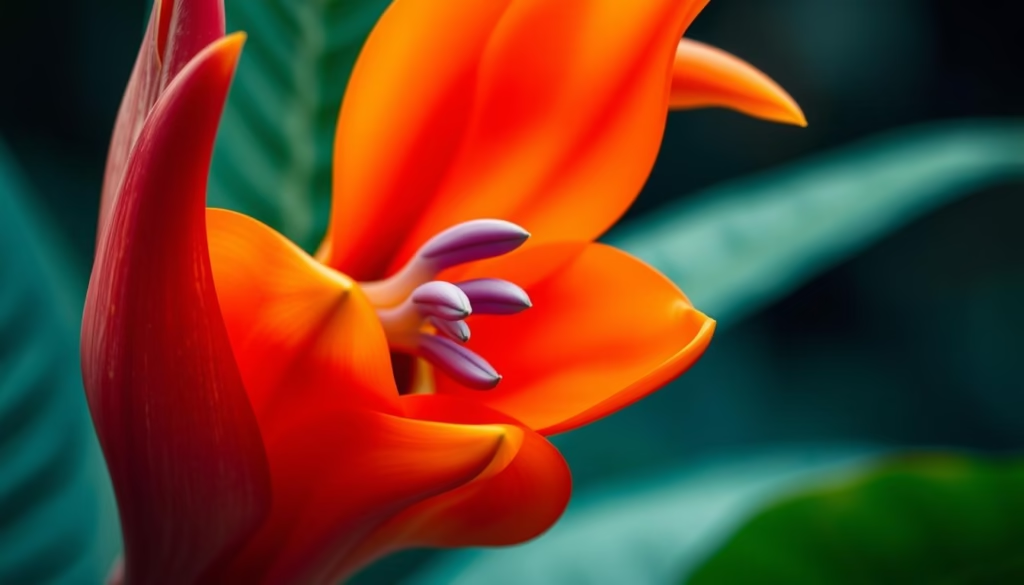
A balanced, slow-release fertiliser is great for heliconia. It should have lots of potassium to help with flowering. For indoor plants, liquid fertiliser is a good choice. It gives a quick nutrient boost.
When and How to Fertilise
Feed your plants every 4-6 weeks from spring to early autumn. This keeps them healthy. Always follow the package instructions to avoid too much fertiliser.
Organic vs Synthetic Options
Organic fertilisers improve soil health and release nutrients slowly. Synthetic fertilisers work faster. Your choice depends on your gardening style and soil health. For more on organic gardening, check out this resource.
Pruning and Maintenance Tips
Proper pruning is key for your heliconia’s health and beauty. Follow these tips for timing, techniques, and avoiding common mistakes.
When to Prune Your Plants
Prune your heliconia after it has finished flowering. This encourages new growth. Remove dead or yellow leaves to improve air flow and prevent disease.
How to Effectively Prune Heliconia
Use sterilised tools for clean cuts. This prevents infections. Focus on removing spent flowers and damaged leaves to promote healthy growth. Regular pruning keeps your plants looking good and productive.
Common Mistakes to Avoid
Don’t over-prune, as it stresses your heliconia. Also, never prune without sterilising your tools, as this can spread diseases. Knowing these mistakes helps your plants thrive.
| Pruning Activity | Timing | Tips |
|---|---|---|
| Remove dead leaves | After flowering | Promotes air circulation |
| Cut back spent flower stalks | After flowering | Encourages new growth |
| Sanitise tools | Before each pruning session | Prevents disease transmission |
| Avoid over-pruning | N/A | Keeps plant stress-free |
Pest and Disease Management
Keeping your heliconia plants healthy means watching out for common pests of heliconia and using good disease management methods. Insects and diseases can harm these tropical plants. It’s important to know how to spot and deal with these problems.
Identifying Common Pests
Look out for aphids, slugs, and spider mites on your heliconia. Sticky leaves, visible bugs, or webs are signs of pests. Regular checks help catch issues early, making it easier to control pests.
Preventative Measures to Take
Good garden hygiene is key to stopping pests. Remove debris and change where you plant things to lower pest risks. Regularly check your plants to catch problems fast. Keeping your garden clean is vital for managing diseases.
Natural Remedies for Pests and Diseases
For green solutions, try insecticidal soap or neem oil. They keep pests away without harming good bugs. Also, proper watering helps avoid fungal diseases. For more tips on managing heliconia diseases, check this resource.
Propagation Techniques
Learning how to propagate heliconia can greatly enhance your garden. This guide will cover seed methods and dividing plants. It also includes the best times for these techniques.
Seed Propagation Methods
To begin with seed methods, gather seeds from ripe heliconia fruit. Plant these seeds in seed trays with a good potting mix. Keep the trays in a sunny spot to help the seeds grow.
It’s important to water regularly. The soil should be moist but not too wet. This helps the seeds grow well.
Dividing Established Plants
Dividing heliconia plants is another effective method. Carefully dig up the rhizome, making sure each piece has a bud. This is great for repotting or when plants get too close together.
It’s best to do this in the warmer months. This ensures the plants grow well.
Timing for Successful Propagation
The best time to propagate heliconia is in spring. The warmer weather helps them grow faster. Watch the weather and adjust your methods for the best results.
| Propagation Method | Key Steps | Best Timing |
|---|---|---|
| Seed Methods | Collect seeds, plant in trays, keep warm and moist | Spring |
| Dividing Plants | Uproot rhizomes, ensuring each section has a bud | Spring or when plants are crowded |
By following these tips, you can make your garden more vibrant with heliconia. Learn more about plant care here.
Seasonal Care Guidelines
As the seasons change, your care for heliconia must also change. Each season brings its own challenges and chances to care for your plants. Knowing how to prepare for winter and adjust your fertilising schedule will help your plants thrive all year.
How to Prepare for Winter
Winter preparation is key, mainly if your area gets cold. Move potted heliconia indoors for stable temperatures. If they’re in the garden, mulch around the base well. This protects the roots from frost.
Seasonal Fertilising Tips
Change your fertilising schedule with the seasons. In winter, when growth slows, feed less. Spring and summer, feed regularly to support growth and blooms.
Adapting Care with Seasonal Changes
Adjust your care as the seasons change. Indoor plants need attention to humidity. In winter, lower humidity might mean less watering. Watch moisture levels to avoid stressing your heliconia.
Conclusion: Enjoying Your Heliconia Rostrata
Thinking about the benefits of heliconia shows that growing Heliconia Rostrata does more than add colour to your garden. It also helps create a healthy environment for wildlife. These plants draw in pollinators, turning your garden into a wildlife sanctuary. Plus, they give you beautiful cut flowers for any occasion.
Adding Heliconia Rostrata to your garden can change it completely. It brings a tropical feel that impresses everyone who sees it. Their bright colours add excitement to your outdoor areas, making them more lively and unique.
Also, joining a gardening community can make your gardening experience even better. Being part of local clubs or online forums lets you share tips and get advice. You’ll meet others who love tropical gardening as much as you do. Together, you can learn new things and get inspired for your gardening projects.