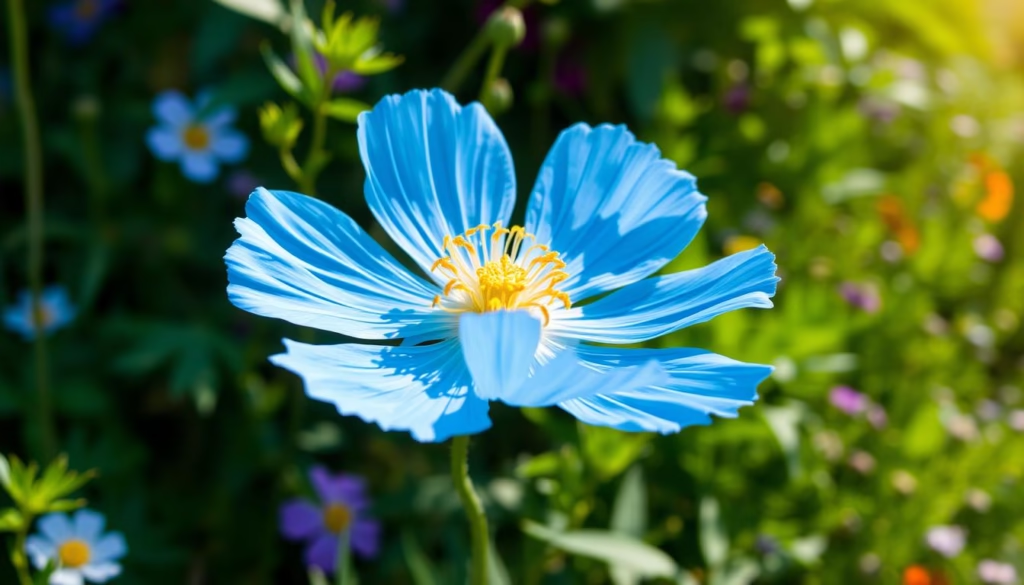
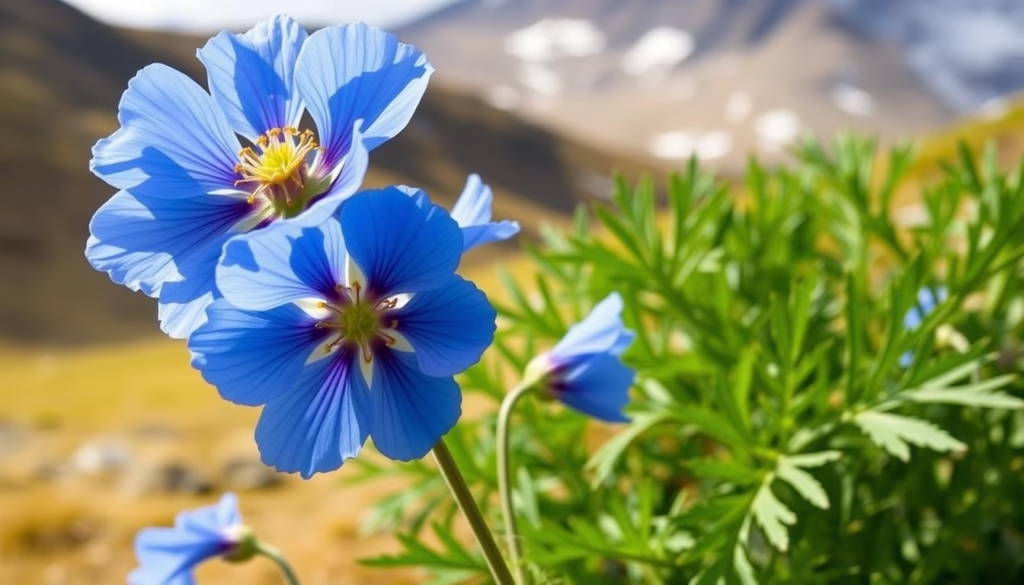
Ever wondered why the Himalayan Blue Poppy is so loved by gardeners? Growing this rare flower needs more than just love—it requires special knowledge and techniques. Known as Meconopsis betonicifolia, these flowers are famous for their beautiful blue petals that remind us of a clear sky.
This guide will cover the key points of caring for Himalayan Blue Poppies. We’ll talk about the best conditions for growing, how to plant them, and how to keep them healthy. Whether you’re new to gardening or have lots of experience, learning how to care for these plants will help you grow a stunning garden.
Key Takeaways
- Meconopsis betonicifolia thrives in specific soil and light conditions.
- Understanding watering and fertilisation practices is key for healthy growth.
- Choosing the right spot for planting can boost blooming.
- Caring for Himalayan Blue Poppy plants means regular upkeep and pest control.
- Find more planting tips in this guide.
Introduction to Himalayan Blue Poppies
The Himalayan Blue Poppy, or Meconopsis betonicifolia, is known for its stunning blue petals and elegant shape. It has won the hearts of many gardeners. Yet, growing it can be tricky, making proper care key to success.
What Makes Meconopsis Betonicifolia Special?
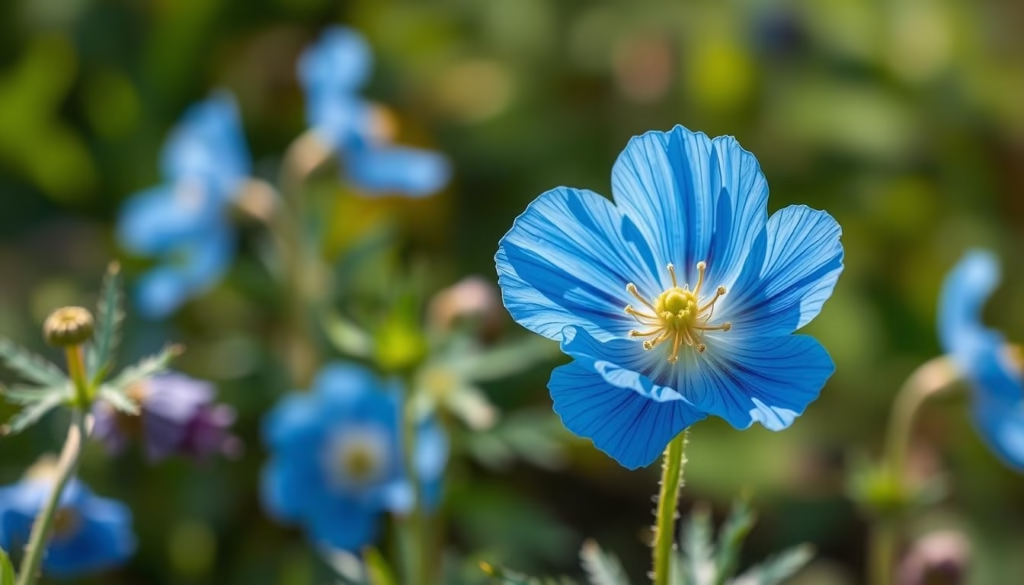
Meconopsis betonicifolia is special because of its bright blue colour and delicate shape. Its flowers come in a range of blues, from soft pastels to deep, rich shades. These flowers draw attention in any garden, making them a favourite among gardeners. To grow them well, you need to understand their specific needs.
Origin and Habitat
These poppies come from the cool, damp woods of the Himalayas. They love shade and moist soil. To help them thrive, gardeners must create similar conditions in their gardens.
Ideal Growing Conditions for Himalayan Blue Poppies
To grow Himalayan Blue Poppies well, knowing their ideal conditions is key. This part talks about soil, light, and water needs for bright flowers.
Soil Requirements
Start with the right soil for Himalayan Blue Poppies. Use loamy soil that holds moisture but drains well. Add organic matter to enrich it.
Before planting, dig a hole 18 inches by 18 inches. Mix compost, manure, and fine bark mulch with the soil. This mix makes the soil perfect.
For more plants, spread compost and mulch over the soil. This improves the soil quality. Good soil care leads to healthy plants.
Light and Temperature Needs
Light is important for these plants. They like partial shade, with dappled sunlight all day. Keep them away from strong afternoon sun and winds.
Keep the temperature steady. This helps keep their colours bright and leaves healthy.
Watering Guidelines
Watering is key for Himalayan Blue Poppies. Water them regularly in summer. Use soaker hoses for deep watering.
In winter, water less to avoid root rot. Mulch 2 to 3 inches deep in fall helps keep moisture in. A good watering plan helps these flowers thrive.
Follow these tips for soil, light, and water. This will help your plants grow well. For more tips, check out this guide.
Selecting the Right Location in Your Garden
Finding the perfect spot for your Meconopsis betonicifolia can make a big difference. The right place helps them grow well and look beautiful. Before choosing where to put these lovely plants, think about a few important things.
Sunlight Exposure
Himalayan Blue Poppies love bright, indirect light. Putting them in full sun, like in the hot afternoon, can harm them. They do best in morning sun and a little shade in the afternoon.
This mix helps them bloom well and keeps them cool.
Proximity to Other Plants
When you care for Himalayan Blue Poppy plants, make sure they have enough space. Too close to other plants means they fight for water and food. Plant your blue poppies at least 30cm away from others.
| Factor | Ideal Condition | Notes |
|---|---|---|
| Sunlight Exposure | Bright, indirect light | Avoid harsh afternoon sun |
| Spacing from Neighbours | 30cm minimum | Prevents resource competition |
| Soil Type | Rich, well-draining soil | Enhances root health |
| Water Needs | Consistent moisture | Avoid soggy conditions |
Planting Himalayan Blue Poppies
To get the most out of your Himalayan Blue Poppy care, timing and technique are key. Knowing when and how to plant is essential for their growth. Whether you’re sowing seeds or transplanting, a careful approach is vital for their success in your garden.
Best Time for Planting
The best time to plant Himalayan Blue Poppies is in late summer for sowing seeds. This ensures they germinate well before the cold weather sets in. For transplanting, early autumn or spring is best for their growth. It’s important to watch the temperature to care for them well.
How to Sow Seeds
Start by preparing a mix that drains well and is rich in organic matter. Make a big hole and add organic fertilisers for nutrients. Press the seeds into the soil lightly and water them well. Keep the soil moist for good germination. For more tips, check out raised bed gardening guidance to improve your planting.
Transplanting Tips
Transplanting seedlings needs careful handling to avoid shock. Prepare the soil well, ensuring it’s right for light and soil. Make the holes bigger than the seedlings’ roots and add compost for nutrients. Place the seedlings gently in the holes and water well to help them settle.
Caring for Himalayan Blue Poppies Throughout the Season
Looking after your Himalayan Blue Poppies is key to getting beautiful flowers. A good care guide will help you give them the best conditions. This includes fertilising, mulching, and pruning to keep your plants healthy.
Fertilisation Practices
Use a balanced organic or slow-release fertiliser every few weeks. This keeps your plants strong and blooming. Always follow the instructions on the fertiliser for the best results.
Mulching Benefits
Mulching in autumn is great for your Himalayan Blue Poppies. It keeps the soil moist and protects from cold. Organic mulch also adds nutrients to the soil as it breaks down.
Pruning Techniques
Pruning is important for your plants’ health. Cut off spent blooms to get more flowers. In the first year, pinch back the flowers to make the plant bushier. Good pruning makes your plants look better and live longer.
Common Pests and Diseases
Keeping your Himalayan Blue Poppies healthy means watching out for pests and diseases. It’s important to spot problems like downy mildew, slugs, and snails early. This helps protect these beautiful plants.
Identifying Common Threats
Knowing the signs of trouble helps you act fast. Look out for:
- Downy mildew: A white, powdery stuff on leaves that slows growth.
- Slugs and snails: They leave shiny trails and eat leaves, harming the plant.
- Aphids: Small, green or black bugs that gather on stems and leaves.
Organic Pest Control Options
You don’t need harsh chemicals to fight pests. Here are some organic ways to care for your Himalayan Blue Poppies:
- Bring in natural predators like birds or beneficial insects.
- Make a spray of water and soap to kill pests.
- Use copper tape or diatomaceous earth to keep slugs and snails away.
- Plant them far apart for better air flow, which fights downy mildew.
With these tips, you can enjoy your Himalayan Blue Poppies more. Regular checks and quick action are key to their health.
FAQs About Himalayan Blue Poppy Care
Many people wonder about caring for Himalayan Blue Poppy plants. They often ask about when they bloom and if they can grow in pots. Knowing these answers helps a lot in keeping these plants healthy.
How Long Does It Take to Bloom?
The Himalayan Blue Poppy blooms from late spring to early summer. It shows off its bright blue flowers during this time. How fast it blooms can change based on the growing conditions and care it gets.
To help it bloom well, make sure it has the right place to grow. Also, keep it watered regularly but not too much.
Can They Grow in Pots?
Yes, Himalayan Blue Poppies can grow well in pots. They need deep pots with good drainage for their roots. It’s important to water them often but not too much.
This way, you can enjoy these rare flowers even if you don’t have much space. For more tips on growing these plants, check out this useful guide.
Additional Resources for Enthuasiasts
To learn more about caring for Himalayan Blue Poppies, many resources are available. You can find detailed guides or connect with other gardeners. These resources offer key tips for growing these beautiful flowers and improve your gardening skills.
Recommended Reading
Books are a great source of knowledge. Look for books about Himalayan Blue Poppies. They cover topics like how to grow them and care for them. Check out this link for tips on growing Meconopsis Betonicifolia.
Online Communities and Forums
Joining online communities is a great way to share and learn. Many forums and groups are dedicated to rare flowers like the Himalayan Blue Poppy. Being part of these groups can help you find support and new ideas. Visit this website for tips on sustainable gardening.
| Resource Type | Examples | Benefits |
|---|---|---|
| Books | Guides on Himalayan Blue Poppies | In-depth knowledge and growing tips |
| Online Forums | Gardening communities on social media | Networking and shared experiences |
| Websites | Sustainable gardening practices | Innovative tips and techniques |
Conclusion: Your Guide to Successful Himalayan Blue Poppy Cultivation
Remember, patience and careful attention are key to growing Himalayan Blue Poppies. These beautiful flowers need a gentle touch and specific conditions to grow well. By following our guide, you’ll not only help them thrive but also enjoy gardening more, whether you’re new or experienced.
Take on the challenge of growing Meconopsis Betonicifolia in your garden. Seeing these rare blue flowers bloom is truly rewarding. It shows your dedication and care. With regular maintenance, you’ll see the many benefits these flowers bring to your garden, making it a joy for everyone.