Have you ever wondered why houseplants are becoming a must-have in UK homes? They’re not just a trend. They can really change your living space and make you feel better.
This guide is packed with tips for indoor gardening. It’s perfect for both newbies and seasoned plant lovers. You’ll learn how to pick the best plants and care for them. This way, you can turn your home into a lively, green oasis.
Key Takeaways
- Understanding the role of houseplants in home beauty.
- Choosing the right plants for your space.
- Keeping your plants healthy.
- Effective indoor gardening strategies.
- Mistakes to avoid in plant care.
- Resources for plant enthusiasts.
Understanding Houseplants: Why They Matter
Houseplants add beauty and health to your home. They do more than look good; they also improve your well-being. By learning about houseplant care in the UK, you’ll discover many benefits. These include purifying the air and boosting your mood.
Benefits of Houseplants in Your Home
Studies show that houseplants can lower stress and improve your mood. They also help you work better. Some plants clean the air by removing harmful chemicals.
For example, peace lilies and snake plants are great at this. They make your indoor air cleaner. You can learn more about indoor plant care at this link.
Popular Houseplants in the UK
In the UK, many people love certain houseplants. These include:
- Snake Plants: Known for being easy to care for.
- Pothos: Great for adding greenery with little effort.
- Spider Plants: Good for cleaning the air and easy to care for.
These plants make your home look better and feel calmer. They bring a piece of nature into your space.
Essential Care Tips for Houseplants
Caring for houseplants means knowing what they need. Two key things are watering and light. Getting these right can make your plants healthy and lively.
Watering: The Goldilocks Principle
For your plant watering schedule, aim for the middle. Not too much, not too little. Most plants do best when the top inch of soil is dry before you water again.
Check the soil often to avoid overwatering or underwatering. Signs of trouble include wilting, yellow leaves, or root rot. Paying close attention helps your plants grow well.
Light Requirements: Finding the Perfect Spot
Every plant needs different light requirements. Some love bright, direct light, while others do better in indirect or low light. Place your plants where they’ll grow best.
Look for signs that your plants are getting the right light. Healthy, vibrant leaves and new growth are good signs. But pale leaves or plants that are too tall might need more or less light.
Soil and Potting Choices for Your Plants
Choosing the right potting mix and knowing when to repot plants is key for your houseplants to thrive. A well-draining potting mix is vital for plant health. Mix organic materials like peat moss or compost with inorganic elements like perlite for a balanced indoor plant soil. This mix supports healthy root growth and water retention.
When picking your potting mix, think about your plants’ needs. Consider their moisture and nutrient needs to boost their health.
Choosing the Right Potting Mix
When selecting potting mix, quality is more important than quantity. A good mix should offer aeration and moisture retention. Look for composts with additives like worm castings or mycorrhizal fungi for better root health.
Make sure the potting mix is chemical-free to avoid harming your plants. For more tips on using potting mix, check out this resource.
When to Repot Your Houseplants
Knowing when to repot your plants is important for their health. Signs include roots growing through the drainage holes, stunted growth, or yellow leaves. If you see these signs, it’s time to refresh their indoor plant soil.
Repotting gives your plants fresh nutrients and more room to grow. Addressing these needs can greatly improve your houseplants’ health and look.
Managing Humidity Levels for Houseplants
Keeping the right humidity is key for your houseplants’ health. Many plants, like tropical ones, love moist air. Spotting when your plants need more humidity helps them thrive.
Signs Your Plants Need More Humidity
Some signs show your plants might need more moisture. Look out for:
- Leaf browning around the edges
- Wilting leaves, even when well-watered
- Curling or crispy leaf texture
- Soil drying out fast
These signs mean your home might need more humidity for your plants.
Best Ways to Increase Humidity Indoors
There are smart ways to boost indoor humidity for your plants:
- Pebble trays: Use a tray with pebbles and water under your plants. As it dries, it adds moisture.
- Group plants: Planting them together creates a humid spot.
- Humidifiers: A humidifier keeps humidity steady, great for dry winter air.
- Misting: Mist your plants often to raise humidity and clean them.
By managing humidity, you improve your plants’ health and make your home greener. Tailor your care to meet your plants’ needs for their best health.
Fertilizing Your Indoor Garden
Fertilizing houseplants is key to their health and growth. Knowing the difference between organic and chemical fertilizers is important. Each has its own benefits and drawbacks, affecting plant nutrition in different ways.
Types of Fertilizers: Organic vs. Chemical
Organic fertilizers come from natural sources. They improve soil health and are good for the long term. They release nutrients slowly, giving plants a steady supply without the risk of over-fertilising. Examples include compost, well-rotted manure, and fish emulsion.
Chemical fertilizers, by contrast, provide nutrients quickly. They have a precise mix of nitrogen, phosphorus, and potassium. While they can help plants grow fast, using too much can harm soil health.
When and How to Fertilize Houseplants
Fertilising houseplants is best done when they’re actively growing, usually from spring to summer. Watch for signs of nutrient lack, like yellow leaves or slow growth. Use the right amount of fertiliser and spread it evenly to prevent nutrient buildup.
Here are some tips for fertilising:
- Mix the fertiliser with water for better distribution.
- Apply in the morning or evening to reduce evaporation.
- Don’t fertilise dry soil; make sure plants are well-watered first.
Pest Control: Keeping Your Plants Healthy
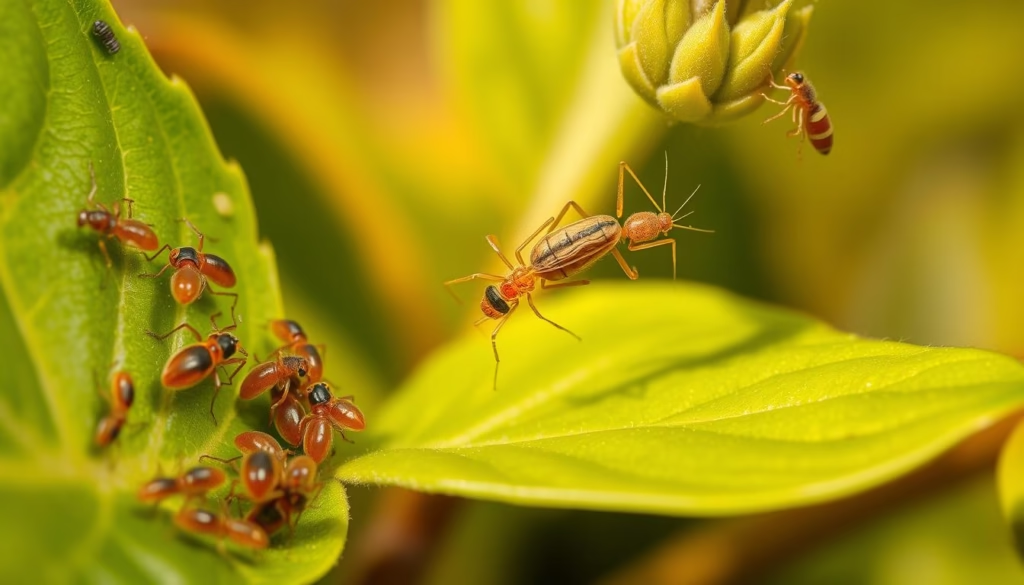
Keeping your houseplants healthy means watching out for pests. Pests like spider mites, aphids, and mealybugs can harm your plants. It’s important to check your plants often to catch pests early and use the right pest control.
Common Houseplant Pests in the UK
In the UK, many pests can harm houseplants. Here’s a quick look at some common ones:
| Pest | Description | Signs of Infestation |
|---|---|---|
| Spider Mites | Microscopic pests that spin fine webs on the leaves. | Webbing and yellowing leaves. |
| Aphids | Small, sap-sucking insects that cluster on new growth. | Stunted growth and sticky residue on leaves. |
| Mealybugs | White, fluffy insects that hide in leaf joints. | Cotton-like masses and leaf yellowing. |
Natural Remedies for Pest Infestations
Many people choose natural pest control methods. These are safer for plants and the environment. Here are some effective natural options:
- Neem Oil: A popular choice that disrupts the life cycle of various pests.
- Insecticidal Soap: A gentle yet effective solution that suffocates soft-bodied insects.
- Diatomaceous Earth: A powder that dehydrates and kills crawling insects.
To use these remedies, spray your plants well. Make sure to cover them fully. You might need to spray them often to get rid of pests completely.
Seasonal Care: Adapting to Changes
Knowing how to care for plants all year is key to a lively indoor garden. As seasons change, your plants need different care to stay healthy. Changing your care routine can help them thrive, more so in winter and spring.
Winter Care Tips for Houseplants
In the cold months, winter plant care means keeping plants warm and stress-free. With shorter days, they might need less water. Make sure not to over-water, as it can cause root rot.
Houseplants often like more humidity in winter. You can use a humidifier or a pebble tray with water to help. Also, watch out for pests, as they might hide indoors when it’s cold.
Spring Growth: What to Expect
When spring comes, your plants will start growing again. Spring plant care is all about helping them grow. Expect to see more colours and leaves as they get more sunlight and warmth.
It’s also a good time to fertilise your plants. This gives them the nutrients they need to grow. Check if your plants need more light. Some might need to be moved to get more sun. Watching your plants in spring can help you care for them better. For more tips, check out this resource.
Propagation Techniques for Houseplants
Expanding your indoor garden is rewarding and fun. Learning how to use plant cuttings and dividing plants is key. This guide will help you master these methods.
Common Methods: Cuttings vs. Division
Plant cuttings are a simple way to start new plants. You take a stem or leaf from the parent plant and help it grow roots. It’s great for many houseplants, like pothos and philodendrons. Here’s how to do it:
- Choose a healthy stem that’s a few inches long.
- Make a clean cut just below a node, where leaves meet the stem.
- Put the cutting in water or soil.
- Keep it warm and humid until roots appear.
Dividing plants is another effective method. It’s best for plants that grow too big or multiply, like snake plants or peace lilies. To divide a plant:
- Take the plant out of its pot.
- Split the root ball into sections, making sure each has roots and leaves.
- Plant each section in its own pot with new soil.
Timing for Successful Propagation
When you start is just as important as how you do it. The best time is during the growing season, spring and summer. Plants are more likely to thrive then. Make sure your plants are healthy and strong before you begin.
A Guide to Pruning and Cleaning
Pruning and cleaning your houseplants are key to their health. Pruning helps them grow well, while cleaning lets them photosynthesise better. If you ignore these steps, your plants might not grow or stay healthy.
Knowing when and how to prune is important. Keeping them clean also helps a lot. Both actions are vital for your plants’ well-being.
How to Prune for Healthy Growth
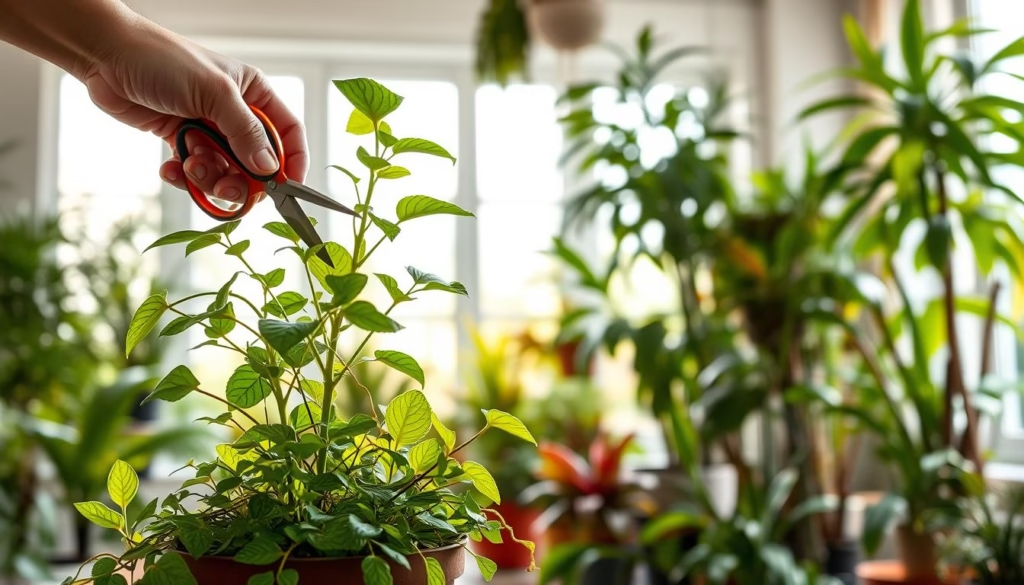
Start by cutting off dead or damaged leaves. Use sharp scissors or shears for clean cuts. This way, you avoid stressing the plant too much.
Look out for any unwanted shoots or branches. These can mess up your plant’s shape. Prune them to keep your plant looking balanced and growing evenly.
Do your pruning in spring or early summer. This is when your plants grow the most. They’ll look lush and healthy afterwards.
Keeping Leaves Clean and Dust-Free
Cleaning your plants regularly is essential. Dust on leaves stops them from getting enough light. This makes photosynthesis harder.
To clean, gently wipe leaves with a damp cloth or soft brush. For big leaves, rinse them in lukewarm water and dry them well.
Make cleaning a regular part of your routine. Do it every few weeks. This way, your plants will stay vibrant and healthy.
Houseplant Compatibility: Choosing Companions
Choosing the right plants for your indoor garden is key to their health and beauty. It’s important to know which plants get along well. This way, your plants can grow well together and make your space look great.
Companion planting is a smart way to do this. It helps plants grow better, look nicer, and even fight off pests. This is because plants can help each other out.
Best Plant Pairings for Healthy Growth
When picking plants to go together, look for ones that like the same light and humidity. For example, peace lilies and spider plants are good friends. They both like indirect sunlight and a bit of moisture in the air.
Pothos and philodendrons are another great pair. They need similar care and can live happily side by side.
| Plant Pairing | Light Requirements | Humidity Needs |
|---|---|---|
| Peace Lily & Spider Plant | Indirect Sunlight | High Humidity |
| Pothos & Philodendron | Bright Indirect Light | Moderate to High Humidity |
| Ferns & Calatheas | Low to Medium Light | High Humidity |
Avoiding Plant Conflicts: What to Know
Not all plants are best friends. Some can actually harm each other. Make sure plants don’t have different needs for water or light. This can stop them from growing well.
For instance, a cactus and a fern shouldn’t live together. They need very different amounts of water. Learning about each plant helps you choose the right friends for them.
Troubleshooting Common Houseplant Issues
Houseplants can sometimes get sick, making you wonder what’s wrong. Leaf yellowing and too much water are common problems. Knowing why these happen helps you fix them and keep your plants healthy. We’ll look at common issues, their signs, and how to solve them.
Yellowing Leaves: Causes and Solutions
Yellow leaves mean your plant is not doing well. There are a few reasons for this:
- Insufficient light: Without enough sunlight, plants can’t make food and turn yellow.
- Nutrient deficiencies: Not getting enough nutrients, like nitrogen, can make leaves pale.
- Overwatering issues: Too much water can rot the roots, stopping plants from getting nutrients and turning yellow.
To fix yellow leaves, try these steps:
- Check if your plant gets enough light and move it if needed.
- Feed your plant with a balanced fertilizer to fix nutrient gaps.
- Change how often you water to keep the soil just right.
Signs of Overwatering vs. Underwatering
It’s important to know the difference between too much and too little water. Here’s how to tell:
| Symptoms | Overwatering Signs | Underwatering Signs |
|---|---|---|
| Leaf Texture | Soft, mushy leaves | Dry, crispy leaves |
| Soil Condition | Soil stays wet and soggy | Soil is dry and crumbly |
| Root Health | Roots rot and smell bad | Roots shrivel and turn brown |
Checking the soil and looking for signs helps you water right. Spotting these signs is key to fixing plant problems.
Resources for Houseplant Enthuisiasts in the UK
Starting your indoor garden journey? Reliable houseplant resources are key. Online plant communities let you connect with others who love plants. You can share tips, ask for advice, and celebrate your plant wins together.
Online Communities and Forums
Look into UK-based online forums and communities for houseplants. Sites like Gardeners’ World and Facebook groups are great for discussions. Here, you can learn from experienced plant lovers and feel part of a community that loves plants as much as you do.
Best Books for Houseplant Care
Books are also essential for learning about houseplants. “The House Plant Expert” by Dr. D.G. Hessayon and “Houseplants: The New Guide” by David Squire are great choices. They cover different plants, their needs, and new gardening ideas. These books will help you make smart choices for your indoor plants.