
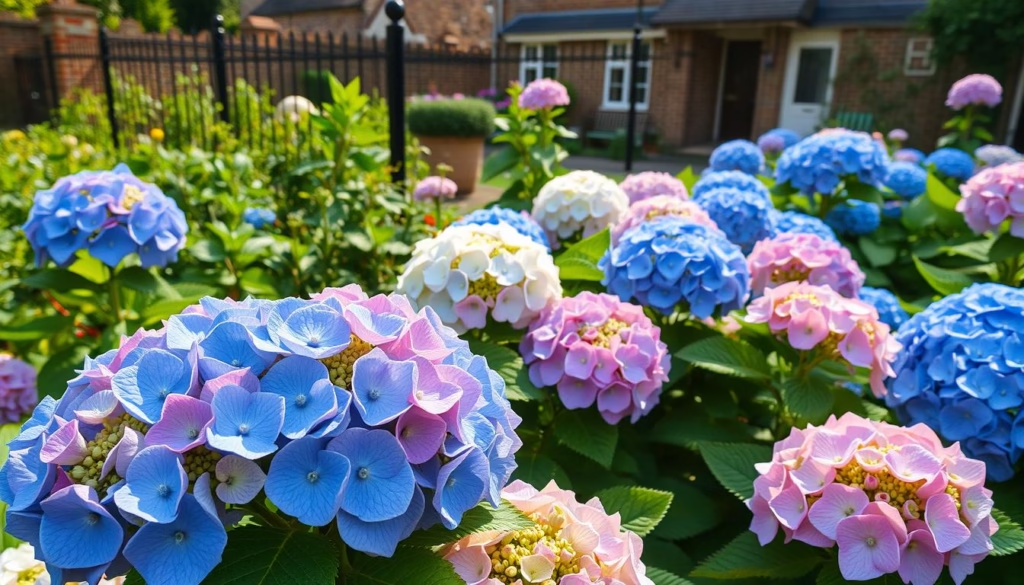
Ever wondered why some gardens have vibrant hydrangeas while others don’t? The way you care for hydrangeas can make a big difference. We’ll share key tips to help your hydrangeas bloom all year round. You’ll learn about planting, pruning, and more to keep your garden looking great.
Key Takeaways
- Understand the various types of hydrangeas for tailored care.
- Planting at the right season can enhance growth and blooms.
- Regular watering is key, but don’t overdo it.
- Pruning methods differ by type—know when and how to do it.
- Fertilise throughout the year to meet your plants’ needs.
- Watch out for pests and diseases that can harm hydrangeas.
- Mulching keeps the soil moist and healthy.
Understanding Hydrangea Varieties
Knowing about hydrangea varieties is key for gardening success. Each type adds its own colour and texture to your garden. You might know some common types in UK gardens, each with its own special features.
Common Types Found in the UK
Here are some hydrangea varieties loved by gardeners:
- Bigleaf (Hydrangea macrophylla): Famous for its big, round flowers, this variety changes colour with soil pH, creating a lively display.
- Panicle (Hydrangea paniculata): This type has cone-shaped flowers and does well in sunny spots, perfect for bright garden designs.
- Smooth (Hydrangea arborescens): Known for its toughness, this variety grows well in cooler weather and has lovely, round flower clusters.
Key Characteristics of Each Variety
Knowing what each hydrangea variety is like can really help your garden. The Bigleaf variety does well in places with changing weather, handling both wet and dry conditions. The Panicle adds height to your garden, while the Smooth variety is great for beginners.
For more tips on caring for hydrangeas, see this guide on hydrangeas. Understanding these traits helps you create a garden full of colour and life.
Best Time to Plant Hydrangeas
Knowing when to plant hydrangeas is key. In the UK, autumn and spring are the best times. These seasons help hydrangeas grow strong roots, ready for changing weather.
Ideal Seasons for Planting
Autumn and spring are great for planting hydrangeas. Autumn’s cool helps roots grow. Spring’s warmth boosts growth and flowers. Watch the frost dates to plant at the right time.
Preparing Your Garden Soil
Soil is vital for hydrangeas. They love well-drained, slightly acidic soil. Test your soil pH with a kit. If it’s too high, add compost or sulphur to improve it.
| Season | Characteristics | Benefits for Hydrangeas |
|---|---|---|
| Autumn | Cooler temperatures, possible frost | Helps roots grow strong |
| Spring | Getting warmer, after frost | Boosts growth and flowers |
Watering Requirements for Hydrangeas
Knowing how to water your hydrangeas is key to their health. These plants need consistent moisture but can suffer from too much or too little water. Getting the watering right is important for their vibrant blooms.
Frequency of Watering
Hydrangeas usually need watering every two to three days when they’re growing. This keeps the roots moist without drowning the plant. Water at the base, letting the soil absorb the water well.
Check the top inch of soil to see if it’s dry. If it is, it’s time to water. Change how often you water based on the weather and your plants’ needs.
Signs of Overwatering or Underwatering
It’s important to spot signs of too much or too little water. Yellow leaves and wilting often mean the plant has too much water. This can cause root rot.
Underwatering shows as droopy leaves and dry edges. If you see these signs, check your watering schedule. Make changes to keep your hydrangeas at the right moisture level.
Pruning Hydrangeas for Health
Pruning hydrangeas is vital for their health and to get vibrant blooms. Knowing the right pruning techniques for your hydrangea is key. Different types need different pruning times.
When to Prune Different Varieties
Knowing when to prune your hydrangeas is important. For Bigleaf and Oakleaf types, prune right after they finish blooming in late summer. Panicle and Smooth hydrangeas, which bloom on new wood, should be pruned in late winter. This timing helps them grow well and bloom beautifully the next year.
Tools Needed for Pruning
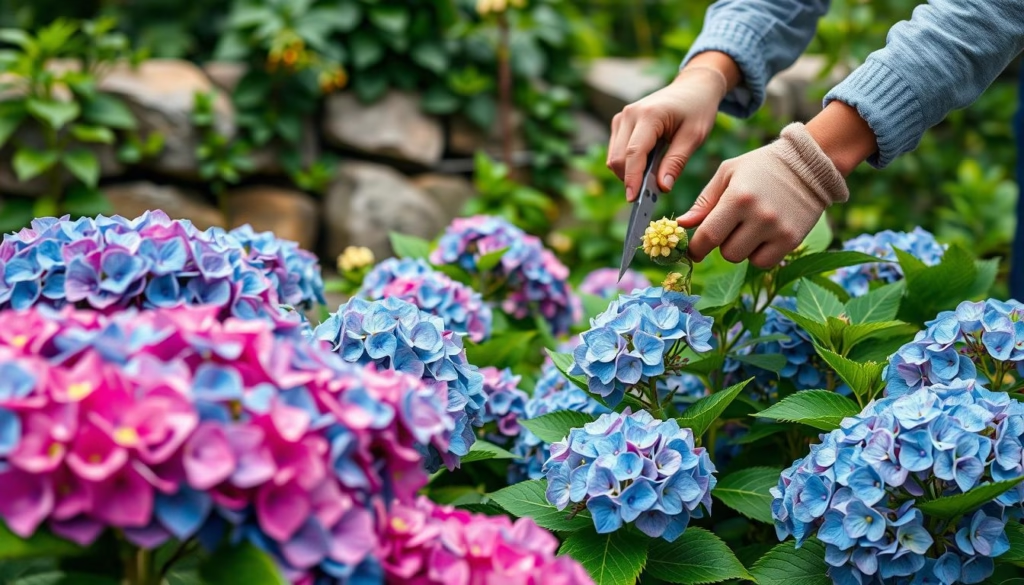
Using the right tools is essential for pruning. Sharp secateurs make clean cuts, helping the plant heal and preventing disease. Wear gloves to protect your hands from sharp edges and thorns. With the right tools and techniques, you can keep your plants healthy and encourage more blooms.
Fertilizing Hydrangeas Throughout the Year
Proper fertilizing hydrangeas is key for their growth. Use a balanced, slow-release fertiliser in early spring. This is when buds start to show.
Some types, like Bigleaf hydrangeas, also need a light feed in mid-summer. This helps them bloom brightly. Knowing when your hydrangeas need nutrients helps avoid over-fertilising.
Best Fertilizers for Hydrangeas
For the best fertilizers, pick ones made for flowering shrubs. Look for:
- Osmocote Flower & Vegetable
- Miracle-Gro Water Soluble Bloom Booster
- Scotts Turf Builder Flower & Vegetable
These fertilisers give your hydrangeas the nutrients they need. They help with healthy growth and beautiful flowers. Always use the right amount to avoid too much growth and fewer flowers.
Understanding Nutrient Needs by Season
Knowing your hydrangeas’ nutrient needs by season is important. In spring, a slow-release fertiliser supports strong growth. By summer, a top-up feed helps those needing extra before they bloom.
In autumn, add potassium-rich fertilisers to get them ready for cold weather. For more tips, check out this useful article. This way, your hydrangeas will stay bright and colourful all year.
Managing Pests and Diseases
Looking after your hydrangeas means keeping an eye out for pests and diseases. Regular care can lower risks and keep your plants healthy. Knowing common threats and using good prevention methods will keep your blooms bright.
Common Pests Affecting Hydrangeas
Many pests can harm your hydrangeas. Aphids suck sap, causing leaves to turn yellow and plants to grow slowly. Spider mites are hard to spot but can damage leaves. Powdery mildew makes leaves look dusty, hurting photosynthesis. Spotting these pests early is key to keeping your plants healthy.
Preventative Measures to Take
To fight pests and diseases, adopt good practices. Check your plants often for signs of trouble. Good air flow around hydrangeas can help prevent issues. Natural solutions like neem oil or insecticidal soap can control pests safely. These steps will help your hydrangeas stay strong and vibrant.
Mulching Techniques for Hydrangeas
Mulching is key for hydrangeas, boosting their health and growth. It keeps the soil moist, stops weeds, and controls temperature. The right mulch makes the soil rich and fertile.
Benefits of Mulching
Mulch keeps the soil moist, which hydrangeas love. It helps roots grow strong and flowers bloom brightly. It also stops weeds from growing, saving water and nutrients for your plants.
During cold months, mulch keeps roots warm. This protects them from harsh weather.
Recommended Mulching Materials
Choose from these mulching materials:
- Bark chips
- Pine needles
- Saw dust
- Straw
These materials make the soil better as they break down. They also make your garden look nice. Spread a two-inch layer around each plant for the best results.
| Type of Mulch | Benefits | Longevity |
|---|---|---|
| Bark Chips | Great for moisture retention and weed suppression | 2-3 years |
| Pine Needles | Acidic, perfect for hydrangeas preferring lower pH | 1-2 years |
| Saw Dust | After decomposition, improves soil structure | 1 year |
| Straw | Lightweight and easy to apply | 1 year |
Choosing the Right Location
Finding the perfect spot for your hydrangeas is key for beautiful blooms and strong growth. They love places with the right amount of sunlight and soil. Knowing your garden’s layout and how light affects your plants is important.
Sunlight Requirements
Think about how much sunlight your hydrangeas need. Most prefer some shade, mainly in the hot afternoons. This keeps them from wilting and helps them grow well.
If you have a spot with morning sun and dappled light, your hydrangeas will love it.
Impact of Soil Drainage
Soil drainage is also vital. Hydrangeas don’t like wet feet, as it can cause root rot. Make sure the soil drains well to prevent waterlogging after rain.
For more tips on caring for hydrangeas, check out this link. By considering these factors, you’ll create a great spot for your hydrangeas to flourish.
Seasonal Changes in Hydrangea Care
Looking after hydrangeas changes with the seasons. You need to care for them differently in spring and summer, and then prepare them for winter. Knowing these changes helps your hydrangeas stay healthy and vibrant.
Spring Care Checklist
In spring, hydrangeas wake up from their winter sleep. First, check each plant and remove any dead stems. This encourages new growth and keeps the plant looking good.
Then, use a slow-release fertiliser to help them grow. Regular care in spring leads to beautiful blooms.
Summer Care Essentials
Summer brings hot weather, and hydrangeas need regular watering. Make sure the soil around the plant is moist. This prevents wilting.
Also, watch out for pests. They can stop your plants from growing. Good care in spring and summer means more vibrant blooms.
Fall Preparation Steps
Autumn is when you prepare hydrangeas for winter. Start by watering them less to avoid root rot. Then, add a thick layer of mulch around each plant.
Mulching keeps roots warm and the soil stable. Trimming back dead stems also helps. These steps are key for your plants’ survival during winter.
Winter Protection Measures
Winter can be hard on hydrangeas, but there are ways to protect them. Wrap plants in burlap or use frost blankets. For potted plants, move them indoors to a cool, dark place.
Understanding Hydrangea Colour Changes
Hydrangeas are known for their amazing colour changes. These changes are mainly due to the soil’s pH level. By adjusting the pH, you can get the flower colour you want. This makes your garden a vibrant place all season long.
Factors Influencing Flower Colour
Several things can change the colour of hydrangeas in your garden. The most important is the soil’s pH level. Acidic soils (pH below 5.5) usually make blue flowers. Alkaline soils (pH above 6.0) make them pink.
Other factors like soil moisture, nutrients, and the type of hydrangea also play a role. They can change the colour’s intensity and shade.
How to Adjust pH for Desired Colours
To get the colour you want, adjusting the pH is key. Here are two ways to do it:
- Lowering pH: For blue flowers, add aluminium sulphate to the soil. It makes more aluminium ions available in acidic conditions.
- Raising pH: For pink flowers, use garden lime to make the soil more alkaline. This reduces aluminium ion solubility, helping pink flowers grow.
It’s important to test your soil regularly. This helps you know if you need to make any changes. It ensures your hydrangeas grow well and look great.
| Soil pH Level | Flower Colour | Recommended Amendment |
|---|---|---|
| Below 5.5 | Blue | Aluminium Sulphate |
| 5.5 – 6.0 | Lavender/Purple | None Required |
| Above 6.0 | Pink | Garden Lime |
Tips for Overwintering Hydrangeas
As winter comes, it’s key to care for your hydrangeas to keep them alive and blooming in spring. By taking steps now, your plants will stay healthy and look great when it warms up. The right winter care will help your hydrangeas bloom beautifully and grow lush foliage in spring.
Protective Measures for Cold Months
To protect your hydrangeas from winter’s cold, start with a thick layer of mulch around the plant. This mulch keeps the roots warm. If your hydrangeas are in pots, move them to a warm place like a garage or shed. You can also wrap pots in burlap for extra protection.
Signs of Stress to Monitor in Winter
Keep an eye on your hydrangeas for signs of stress in winter. Look out for dropped leaves or brown stems. These signs mean your plants might not be doing well. Watching your plants closely helps you spot problems early and fix them, keeping your hydrangeas healthy all winter.