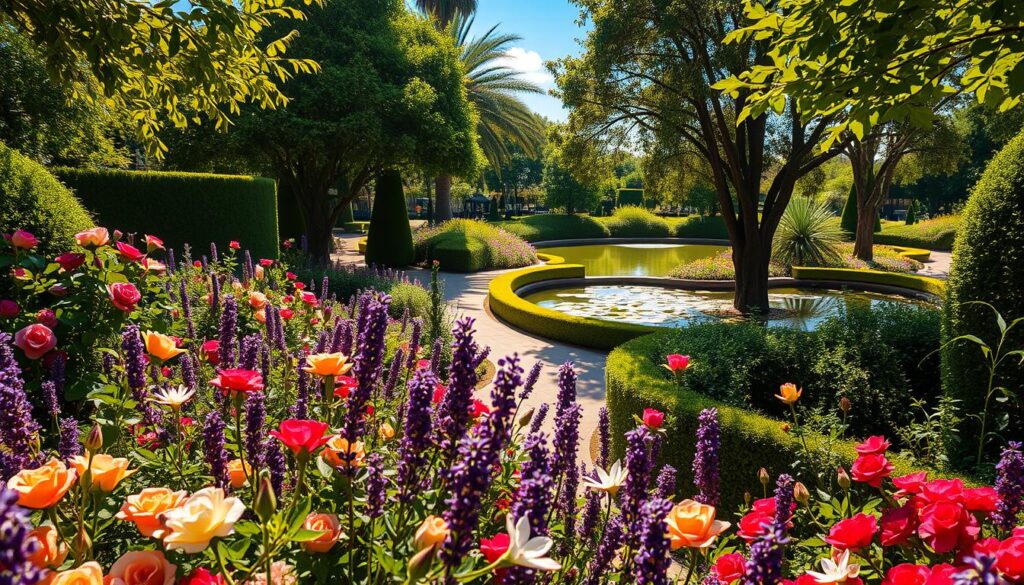

Few plants offer as much charm per square inch as lavender. With its silvery foliage, aromatic scent, and beautiful purple blooms, lavender has earned its place as a quintessential element in British gardens. Whether you have a tiny balcony, a modest patio, or a small garden border, lavender delivers exceptional value through its drought tolerance, sensory appeal, and wildlife benefits. This versatile Mediterranean native has adapted remarkably well to the British climate, making it an ideal choice for gardeners seeking low-maintenance plants with high impact.
Why Lavender Thrives in the UK Climate
Despite its Mediterranean origins, lavender has found a happy home in British soil. The key to its success lies in providing the right growing conditions: well-drained soil, plenty of sunshine, and protection from waterlogging during our notoriously wet winters. Most lavender varieties are hardy down to -15°C, making them suitable for even the chillier regions of the UK.
The UK’s moderate summers and relatively mild winters create an ideal environment for certain lavender varieties to flourish. While lavender prefers full sun, it doesn’t require scorching Mediterranean heat to thrive, making it perfectly suited to our temperate climate.
English vs Mediterranean Lavender Varieties
When selecting lavender for UK gardens, it’s important to understand the differences between the main types available:
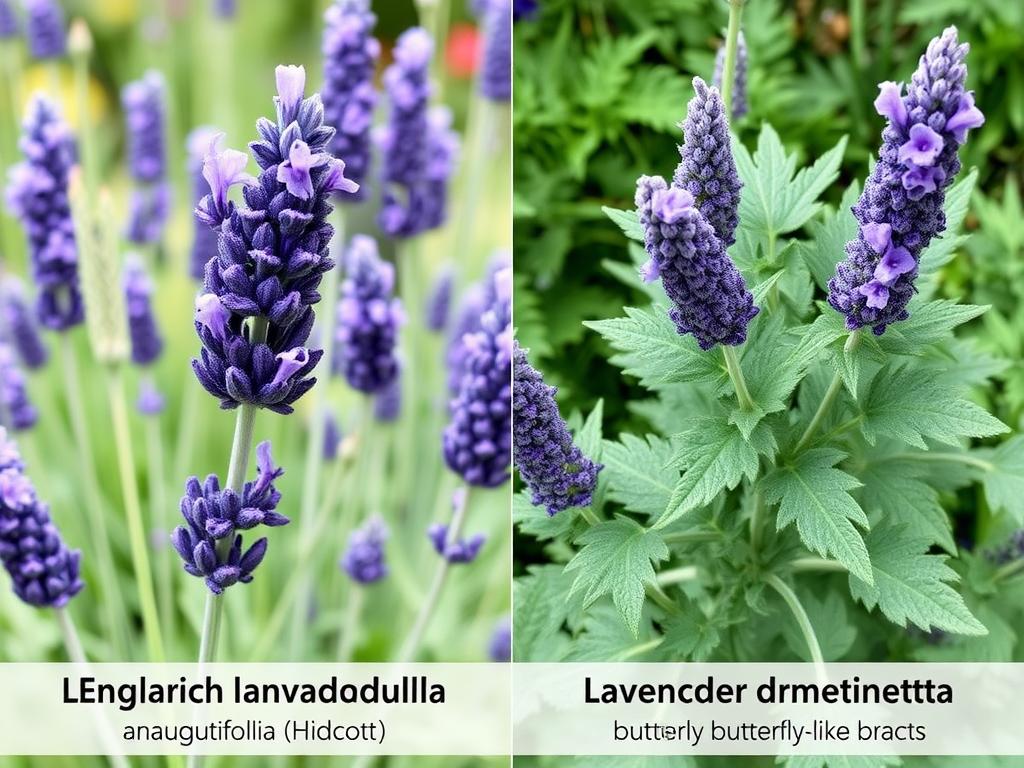
English Lavender (Lavandula angustifolia)
- Most hardy type, tolerating temperatures down to -15°C
- Compact growth habit, ideal for small spaces
- Strongest fragrance, perfect for sensory gardens
- Traditional blue-purple clusters on long stems
- Best choice for most UK gardens
French/Spanish Lavender (L. stoechas, L. dentata)
- Less hardy, best in milder UK regions
- Showier flowers with distinctive “rabbit ear” bracts
- Earlier flowering period (often from March)
- More tolerant of humidity than English varieties
- Excellent for containers that can be protected in winter
Top English Lavender Varieties for UK Gardens
Lavandula angustifolia ‘Hidcote’
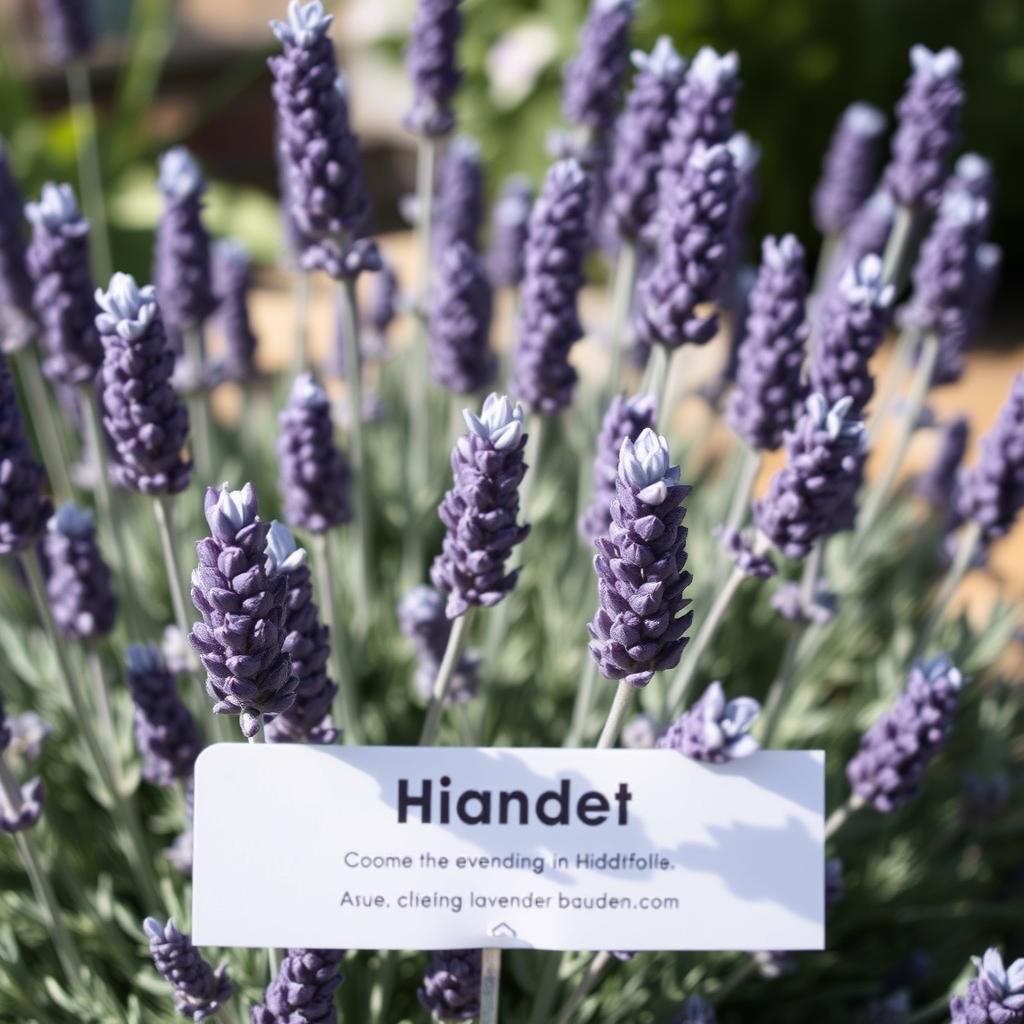
A classic choice for UK gardens, ‘Hidcote’ offers the deepest purple-blue flowers on compact plants reaching just 60cm tall. Its intense colour and strong fragrance make it perfect for borders and sensory gardens. Exceptionally hardy and long-lived when properly maintained.
Lavandula angustifolia ‘Munstead’

Named after Gertrude Jekyll’s garden, ‘Munstead’ is slightly smaller than ‘Hidcote’ at 45cm tall, with earlier flowering and distinctive silvery foliage. Its lavender-blue flowers appear from early summer and it’s particularly well-suited to edging paths or front-of-border planting.
Lavandula angustifolia ‘Thumbelina Leigh’
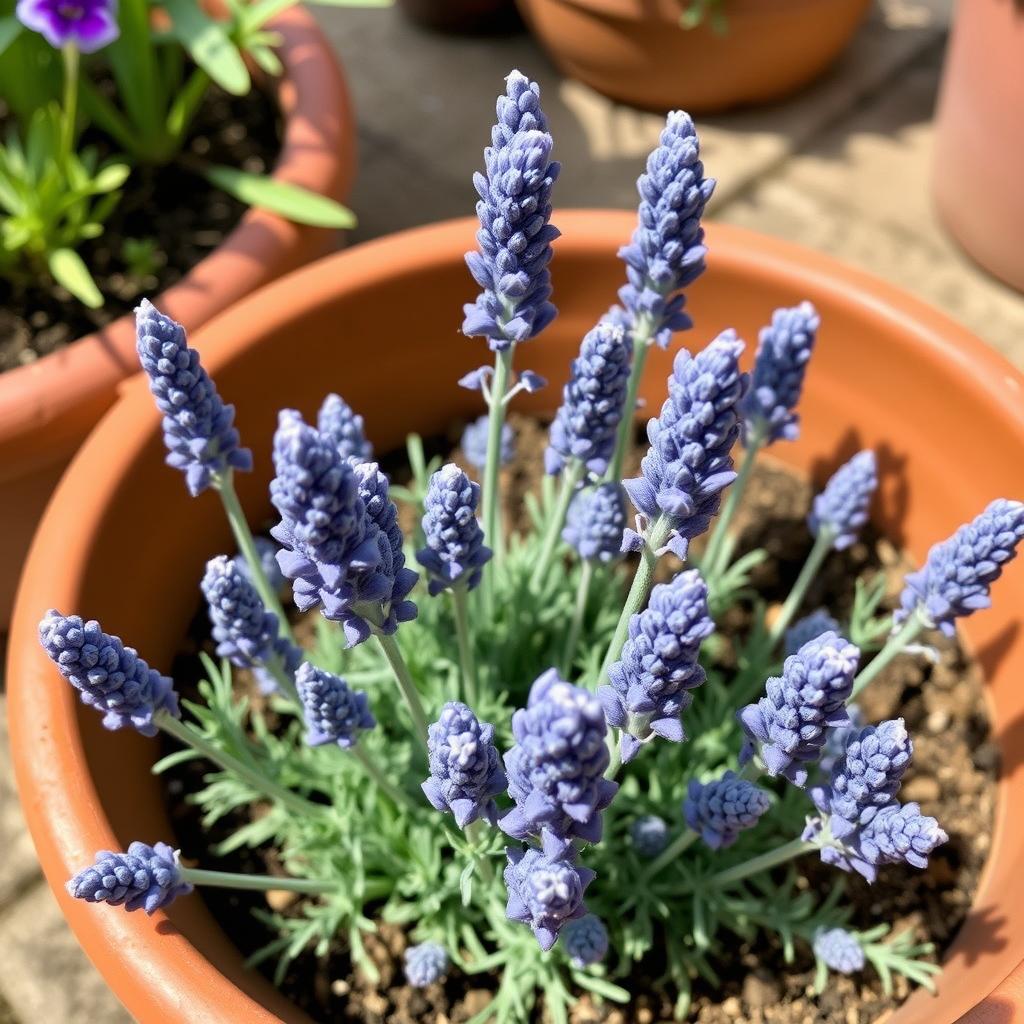
For truly tiny spaces, this dwarf variety reaches just 30cm in height and width. What it lacks in size, it makes up for in flowering power, often blooming up to three times a year when deadheaded promptly. Perfect for window boxes, small containers, or the front of borders.
Design & Planting Tips for Lavender in UK Gardens
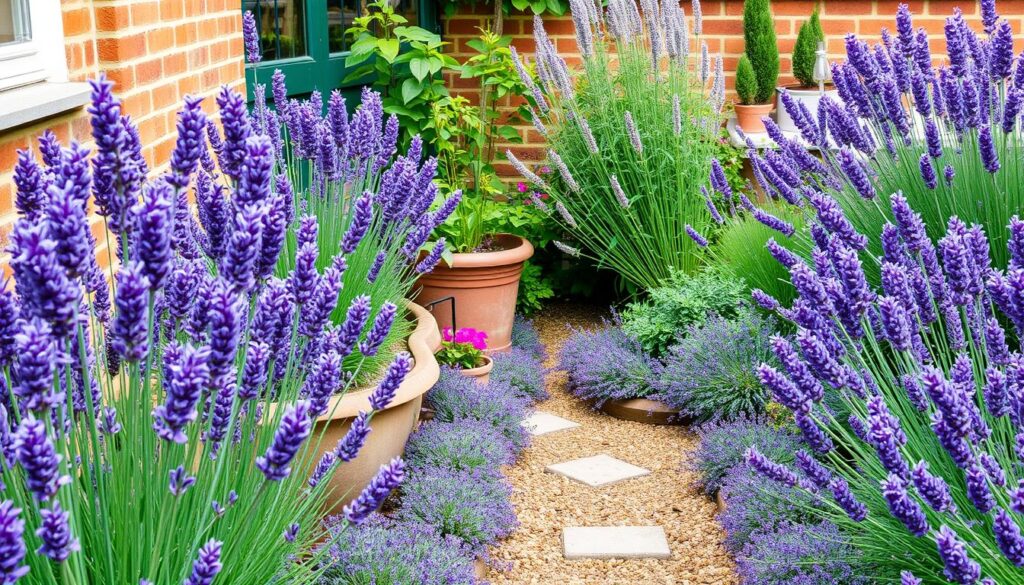
Lavender’s versatility makes it suitable for various garden settings, from formal herb gardens to cottage-style borders. Its compact growth habit and year-round structure make it particularly valuable in small spaces where every plant must earn its keep.
Container Gardening with Lavender
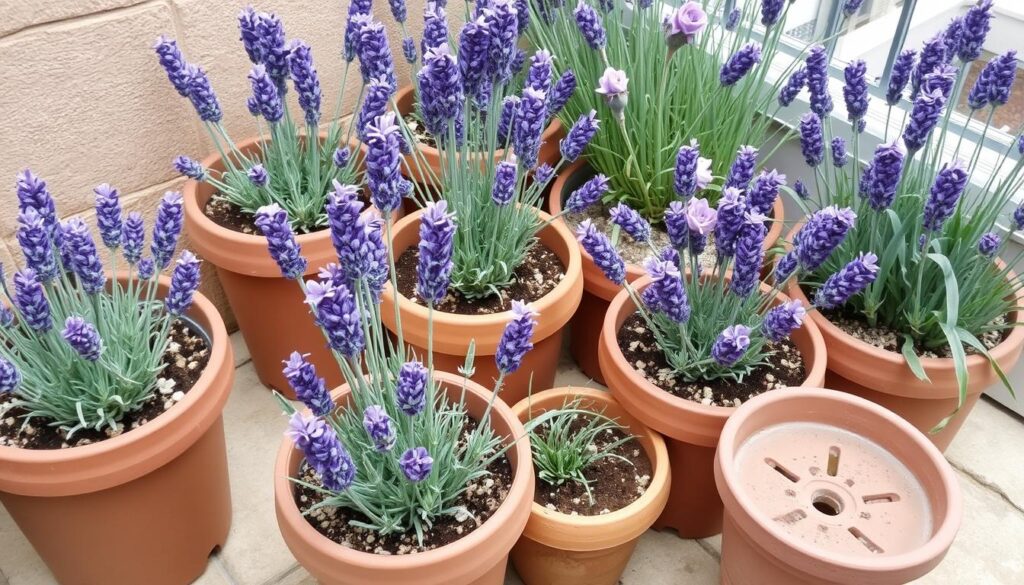
Growing lavender in containers is an excellent solution for small spaces, balconies, or areas with poor drainage. The key to success lies in providing the right conditions:
- Container size: Choose pots at least 30-40cm in diameter with drainage holes
- Soil mix: Use 1/3 sand, 1/3 topsoil, and 1/3 compost for excellent drainage
- Drainage: Add a layer of gravel or broken pottery at the bottom of pots
- Positioning: Place in the sunniest spot available, with good air circulation
- Winter care: Raise pots on feet in winter to prevent waterlogging
Border Ideas for Small Gardens

Lavender makes an excellent border plant, providing structure, colour, and fragrance throughout the growing season. In small gardens, consider these design approaches:
- Spacing: Plant English lavenders 30-40cm apart for a dense hedge effect
- Edging: Use dwarf varieties to line paths, releasing fragrance when brushed against
- Companion planting: Pair with other Mediterranean herbs like rosemary and sage
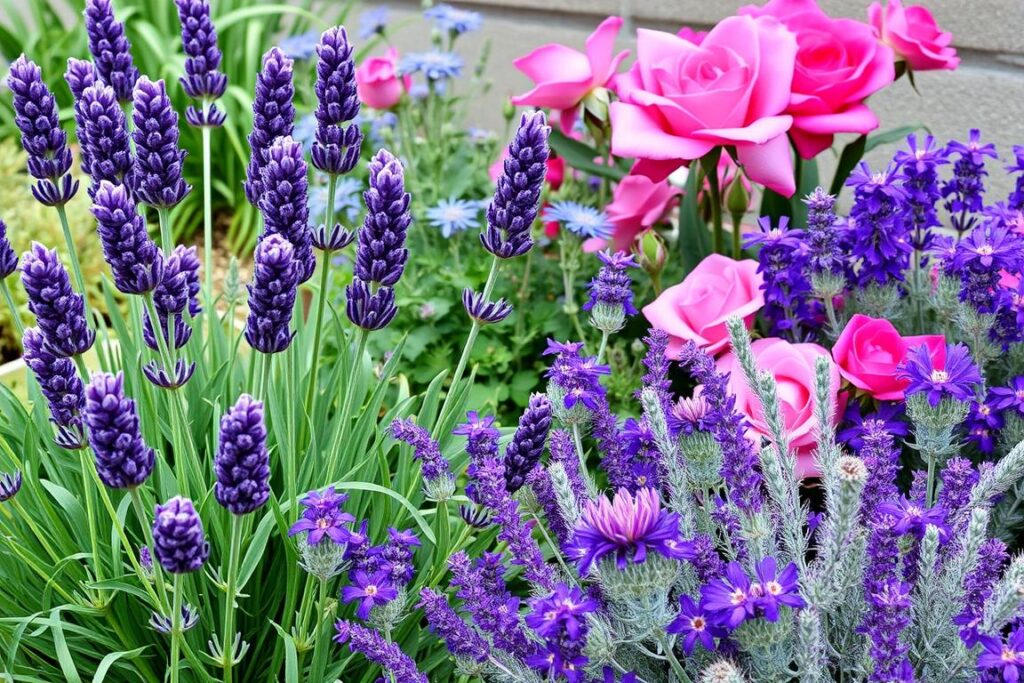
- Cottage garden style: Combine with roses, catmint, and salvias for a traditional look
- Formal design: Create geometric patterns with lavender as a structural element
Perfect Companion Plants for Lavender in UK Gardens
Mediterranean Herbs
- Rosemary (Rosmarinus officinalis)
- Sage (Salvia officinalis)
- Thyme (Thymus vulgaris)
- Oregano (Origanum vulgare)
Cottage Garden Plants
- Roses (especially English varieties)
- Catmint (Nepeta × faassenii)
- Salvias (especially Salvia nemorosa)
- Artemisia (for silver foliage contrast)
Seasonal Interest with Lavender
One of lavender’s greatest attributes is its ability to provide interest beyond the flowering season. Here’s what to expect throughout the year:
| Season | Garden Interest | Best Varieties |
| Spring | Fresh foliage growth, early buds forming | Spanish lavender (L. stoechas) for early blooms |
| Summer | Peak flowering, strongest fragrance, buzzing with pollinators | English lavender (L. angustifolia) varieties |
| Autumn | Second flush of flowers possible with some varieties | ‘Thumbelina Leigh’, Hybrid lavenders (L. × intermedia) |
| Winter | Silvery foliage and structural seed heads | ‘Hidcote’, ‘Munstead’ for winter structure |
Lavender Care Guide for UK Gardens
Lavender’s reputation as a low-maintenance plant is well-deserved, but a few key care practices will ensure your plants remain healthy and productive for many years. The most common cause of lavender failure in UK gardens is poor drainage and overwatering, rather than neglect.
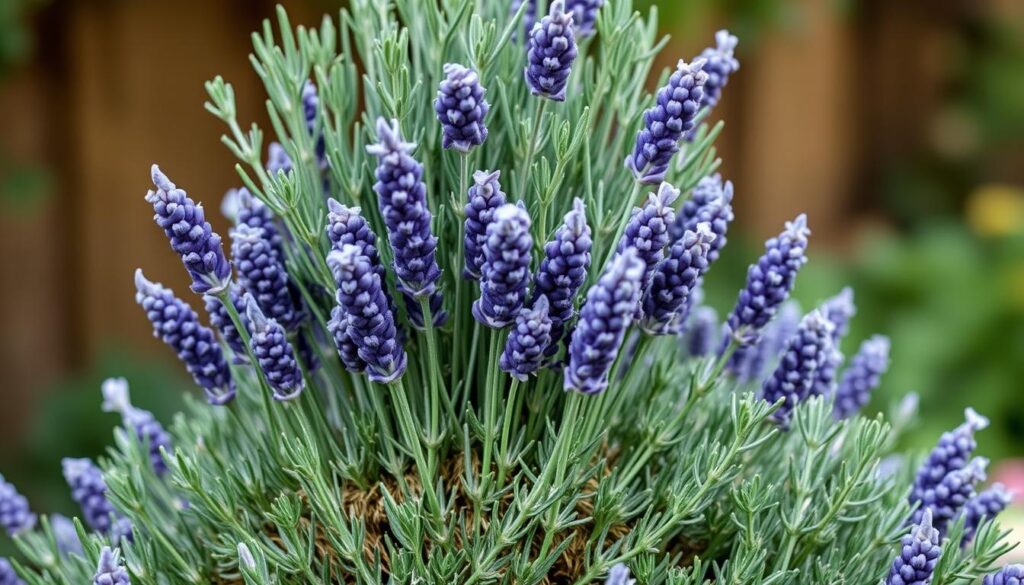
Pruning Techniques for Longevity
Proper pruning is essential for keeping lavender plants compact, productive, and long-lived. The approach differs slightly depending on the plant’s age and type:
Year 1 Lavender Plants
- Light pruning only after first flowering
- Remove spent flower stalks only
- Avoid cutting into woody stems
- Shape gently to encourage bushy growth
Mature Lavender Plants
- Prune English lavender by 1/3 after flowering
- Cut French/Spanish lavender more lightly (by 1/4)
- Never cut into old wood – keep above green foliage
- Shape into a rounded mound for winter structure
Never cut lavender back to the woody base as it rarely regenerates from old wood. Always leave some green growth when pruning.
Winter Protection in Wet UK Regions
While cold rarely kills established English lavender in the UK, excessive winter wet can be fatal. In particularly rainy regions, consider these protective measures:
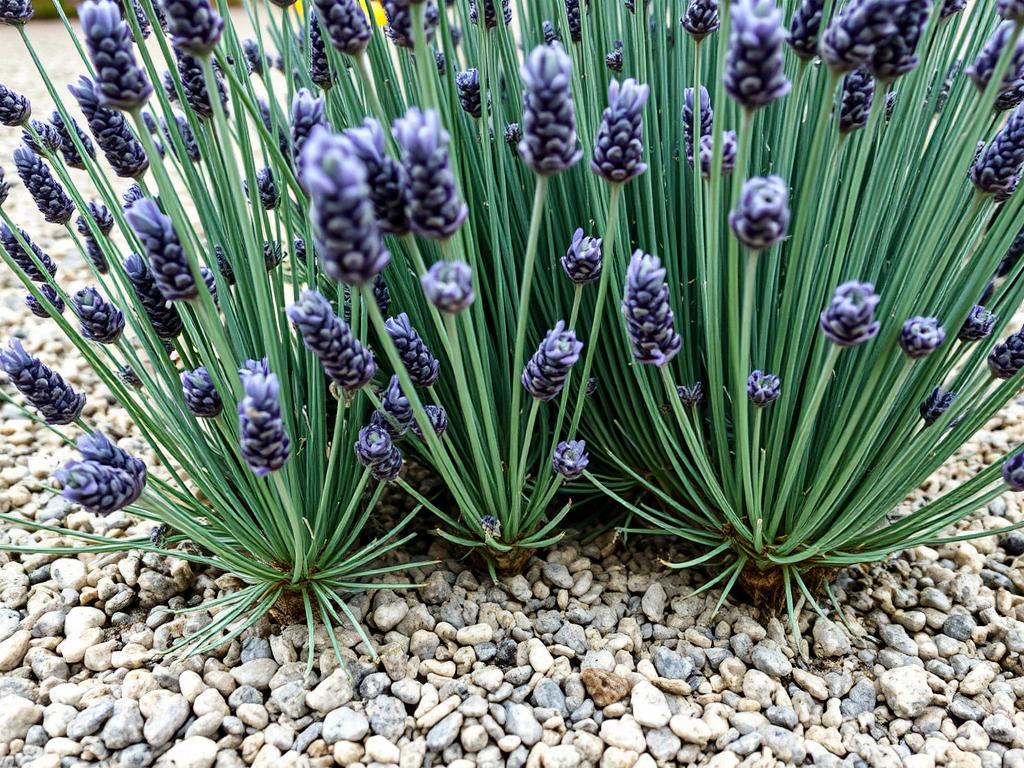
- Plant on a slight mound to improve drainage
- Add extra grit or gravel around the base of plants
- Avoid mulching with organic matter which retains moisture
- Consider covering with horticultural fleece during extended wet periods
- For French/Spanish varieties in cold areas, grow in pots that can be moved to sheltered spots
Preventing Root Rot and Other Issues
The most common problems with lavender in UK gardens stem from poor drainage and excessive moisture. Prevention is far easier than cure:
Good Practices
- Plant in full sun positions
- Ensure excellent drainage
- Water deeply but infrequently
- Prune regularly to maintain air circulation
- Avoid nitrogen-rich fertilisers
Common Mistakes
- Planting in shade or partial shade
- Overwatering, especially in autumn/winter
- Using rich, moisture-retentive compost
- Mulching with organic materials
- Cutting into woody stems when pruning
Lavender for Pollinators in UK Gardens
One of lavender’s greatest contributions to UK gardens is its exceptional value for pollinators. A study by the University of Sussex found that lavender is among the top plants for attracting a diverse range of beneficial insects, making it an excellent choice for wildlife-friendly gardens.
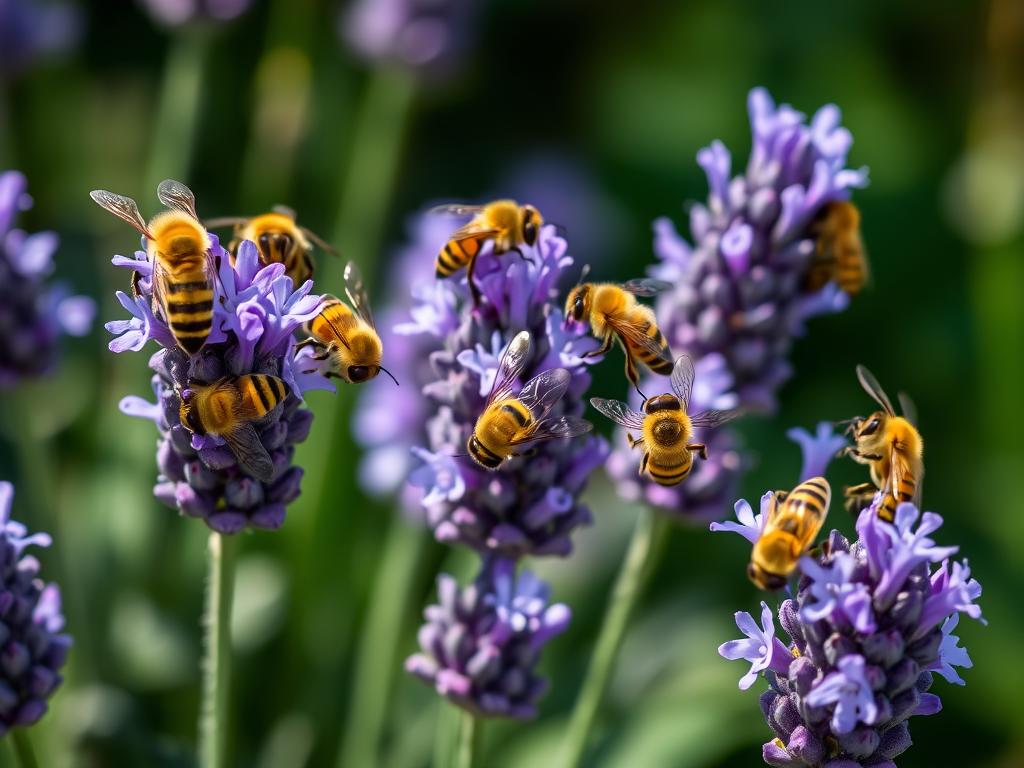
Research from the Royal Horticultural Society indicates that a single mature lavender plant can support thousands of pollinator visits during its flowering period. In UK gardens, lavender provides a critical food source during summer when many other plants have finished flowering.
Lavender’s Pollinator Appeal
- Bumblebees: Particularly attracted to English lavender varieties
- Honeybees: Favour the open flowers of hybrid lavenders
- Butterflies: Especially drawn to French and Spanish varieties
- Hoverflies: Beneficial predators that help control garden pests
- Moths: Night-flying pollinators attracted to lavender’s scent
Did you know? Bumblebees with their longer tongues prefer English lavender, while honeybees find it easier to access nectar from the more open flowers of French and Spanish varieties. Planting a mix of lavender types extends the feeding season for different pollinators.
Creating a Pollinator-Friendly Lavender Patch
To maximise lavender’s wildlife benefits in your UK garden:
- Plant in groups rather than isolated specimens
- Choose varieties with different flowering times to extend the season
- Avoid using pesticides which harm beneficial insects
- Leave some flower heads in place after flowering
- Combine with other pollinator-friendly plants like echinacea and oregano
Embracing Lavender in Your UK Garden
Lavender truly earns its place as a star performer in compact UK gardens. Its combination of fragrance, beauty, wildlife value, and low maintenance requirements makes it an unbeatable choice for gardeners with limited space. From the classic English varieties like ‘Hidcote’ and ‘Munstead’ to the showier French and Spanish types, there’s a lavender to suit every garden style and situation.
By providing the right growing conditions – plenty of sunshine, excellent drainage, and appropriate pruning – you can enjoy healthy, productive lavender plants for many years. Whether used as a formal edging, container specimen, or mixed border plant, lavender brings Mediterranean charm to even the smallest British garden spaces.
As our climate continues to warm and water conservation becomes increasingly important, lavender’s drought tolerance makes it an environmentally responsible choice too. Its ability to thrive with minimal intervention aligns perfectly with modern low-maintenance gardening approaches, while its sensory qualities and wildlife benefits add layers of enjoyment beyond mere visual appeal.
Whether you’re creating a dedicated herb garden, a pollinator paradise, or simply looking to add year-round structure and summer colour to your outdoor space, lavender deserves pride of place in your planting scheme. Start with just one or two plants, and you’ll soon discover why this Mediterranean native has become a beloved staple in British gardens of all sizes.