Ever wondered why lavender is a top pick for UK gardens? Its calming scent and bright flowers make it a favourite. Learning how to care for lavender in the UK can turn your garden into a fragrant haven. This guide will share key tips for growing lavender, from planting to pruning and seasonal upkeep. Let’s explore how to make your lavender plants thrive and scent your garden beautifully.
Key Takeaways
- Lavender needs well-drained soil and lots of sunlight to grow well.
- Knowing the right lavender varieties for the UK’s climate is key.
- Correct pruning boosts both health and scent of your lavender.
- Watering and feeding are vital for growing great lavender.
- Year-round care keeps your lavender looking and smelling great.
Understanding Lavender: Benefits and Varieties
Lavender is loved for its lovely scent and health perks. It’s great for gardens or essential oils. Knowing the benefits and types is key for lavender fans. The UK has many varieties, so you can pick the best one for you.
Health Benefits of Lavender
Lavender is calming and helps with anxiety and sleep. It’s a top choice in aromatherapy. Many people use it to improve their sleep and digestion.
Popular Lavender Types in the UK
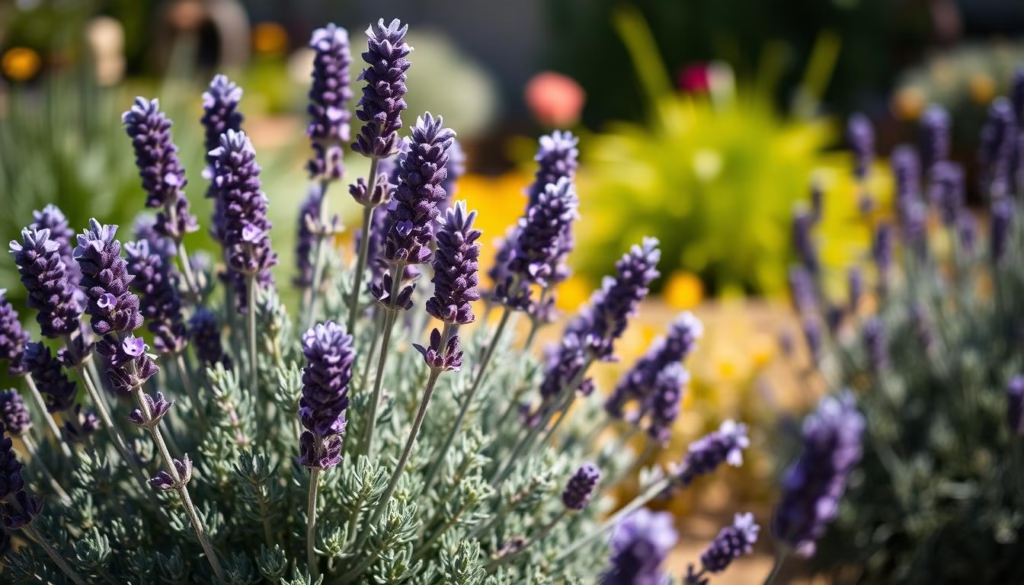
In the UK, English lavender is a favourite. It’s strong-smelling and grows well here. It also has beautiful purple flowers.
Other popular types include Lavandula x intermedia and French lavender (Lavandula stoechas). They add unique beauty to gardens. Think about the climate and use when choosing a lavender.
Ideal Growing Conditions for Lavender
To grow lavender well, knowing its best growing conditions is key. These include the right soil, enough sunlight, and the right climate. By meeting these needs, you can enjoy lavender’s beauty and scent for many years.
Soil Requirements
The best soil for lavender in the UK is well-drained and not too rich. It should be chalky or sandy. Avoid heavy clay or waterlogged soils to prevent root rot. For potted lavender, mix multipurpose compost with coarse grit or perlite for better drainage.
Sunlight Needs
Lavender loves full sun, needing at least six to eight hours a day. This sun helps it bloom more and smell better. Pick a sunny spot in your garden for the best results.
Climate Considerations
When growing lavender, remember its weather tolerance. Most varieties are hardy but avoid cold, damp spots. Some types need protection in harsh UK winters. For more advice, check reliable resources for your specific variety.
Planting Lavender in Your Garden
Planting lavender in your garden is rewarding. It adds beauty and fragrance. Knowing when to plant lavender in the UK and how to plant is key. The best time is April and May, when the soil warms up and nurseries have young plants.
When to Plant Lavender
Choosing the right time to plant is important. April and May are best because the weather warms up. This time also reduces frost risk, helping your lavender grow well.
Recommended Planting Techniques
Using the right planting techniques is vital for your lavender’s health. Here are some important steps:
- Prepare well-drained soil. Lavender loves sandy, porous soil.
- Create mounds for planting. This helps water drain and prevents waterlogging.
- Space plants correctly. For groups, use 30-45 cm spacing. For hedges, use 45-60 cm.
- Transplanting lavender needs care to avoid stressing the plants.
By following these steps, your lavender will thrive. It will add beauty and fragrance to your garden. The right approach to how to transplant lavender in the UK is key to success.
Watering & Nutritional Needs
Caring for your lavender plants in the UK is key. You need to know how to water and feed them right. This ensures your lavender grows well in your garden.
Newly planted lavender needs regular water in its first year. Once it’s settled, it can handle dry spells better. This helps it grow strong and healthy.
How Often to Water Lavender
At first, watering lavender plants in the UK means checking the soil often. Water it enough to keep the soil moist but not too wet. This helps your lavender grow well and bloom beautifully.
- Water newly planted lavender every 2-3 days.
- Gradually reduce to once a week after the first month.
- For established lavender, water only during severe drought conditions.
Fertilizing Lavender Effectively
When it comes to fertilizing lavender in the UK, a little goes a long way. Lavender likes soil that drains well and doesn’t need lots of nitrogen. Choose fertilisers that help with flowering and growth. Fertilise your lavender once or twice a year to boost blooms.
Removing spent flowers regularly helps your lavender grow more. It encourages more blooms all summer long.
| Type of Fertilizer | Purpose | Application Frequency |
|---|---|---|
| Low-nitrogen Fertilizer | Promotes flowering and robust growth | Once or twice a year |
| Organic Compost | Improves soil structure and nutrients | Every spring |
| Liquid Fertilizer (Diluted) | Quick nutrient boost | Every 6-8 weeks during growth season |
Good lavender plant maintenance in the UK means finding the right balance between watering and fertilising. With proper care, your lavender will thrive. It will add colour and a lovely scent to your garden.
Pruning Lavender for Optimal Growth
Pruning lavender plants in the UK is key for their health and fragrance. The right methods keep them from becoming woody and unproductive. Knowing when to prune and using the right tools is vital for success.
When and How to Prune
Prune lavender in late summer, after it has finished flowering. Cut about 2.5cm (1 inch) from the new growth, but avoid the woody stems. This encourages bushy growth and keeps the plants looking good.
Regular pruning keeps your lavender vibrant and healthy. It’s a simple way to keep them looking their best.
Tools for Pruning Lavender
Choosing the right tools is important for pruning. Sharp secateurs or garden shears are best for lavender. They allow for clean cuts, helping the plants heal quickly.
Investing in quality tools is worth it. They ensure your lavender plants thrive season after season.
Pest and Disease Management
Managing pests and diseases is vital for growing lavender. Keeping an eye out for common pests helps keep your plants healthy and looking good. Using the right pest control for lavender protects your garden from harm.
Common Lavender Pests
Several pests can harm your lavender plants. The rosemary beetle is a big problem, eating leaves. Leafhoppers can spread diseases, and aphids and spider mites are common too. Spotting these pests early is key to managing them effectively.
Preventive Measures and Treatments
To keep your lavender healthy, start with preventive steps. Make sure the soil drains well to avoid root rot. Regularly check your plants for pests.
For treatment, use eco-friendly options like insecticidal soaps or neem oil. These methods target pests without harming good insects. Being proactive ensures your lavender stays pest-free and beautiful.
Harvesting Lavender Flowers
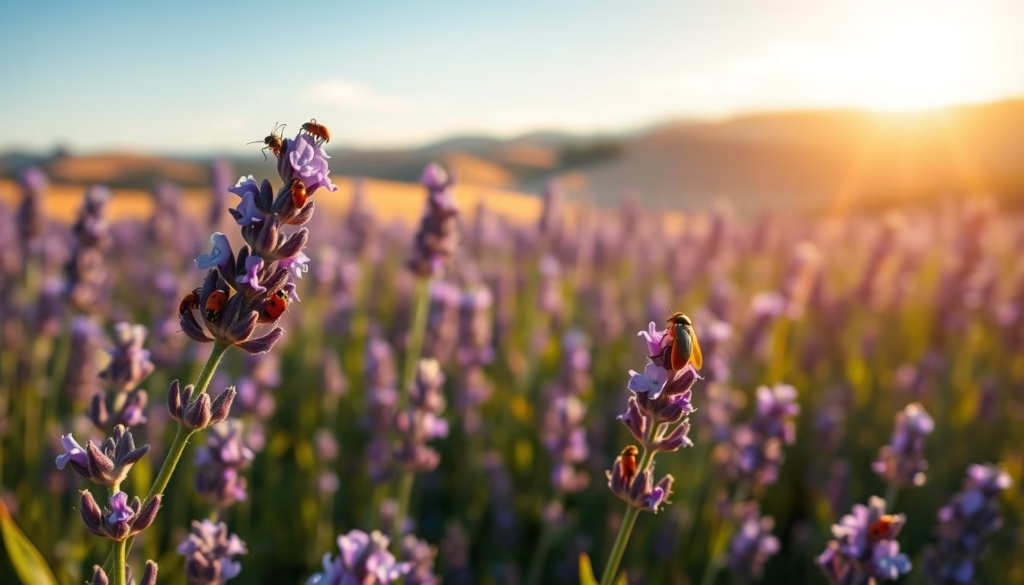
Timing is key when harvesting lavender flowers. You want the flowers to be fully open but not fading. The best time is usually in late summer. Knowing when to harvest is important for the plant’s beauty and scent.
The Best Time to Harvest
The morning is the best time to harvest lavender. The dew has gone, but the plants are fresh. This helps keep the essential oils and makes the blooms last longer. Keep an eye on your lavender to find the perfect harvest time.
Methods for Harvesting
There are a few good ways to harvest lavender. Cutting the whole flower spike just above the leaves is one method. This encourages new growth. You can also pick individual blooms carefully to keep the plant healthy.
After harvesting, keep the lavender in a cool, dry place. This helps preserve its fragrance, which is great for crafts or cooking.
Creating Lavender Arrangements and Crafts
Lavender is a versatile herb that can be used in many creative ways. You can make beautiful lavender arrangements that improve your home’s look and smell. Learning about dried lavender uses opens up new possibilities for your crafts and decor.
Dried Lavender Uses
Dried lavender can turn simple items into beautiful pieces with its lovely scent and rustic look. Here are some popular uses for dried lavender:
- Potpourri: Mixing dried flowers, like lavender, makes a fragrant blend for room scents.
- Sachets: Make small sachets with dried lavender to keep clothes smelling nice in wardrobes.
- Culinary Dishes: Adding dried lavender to baking, like shortbread cookies, gives a special taste.
- Bath Products: Mix dried lavender into bath salts or homemade soaps for a calming effect.
Incorporating Lavender into Home Decor
Adding lavender to your home decor can add a natural elegance. Here are a few ideas to inspire your lavender home decor:
- Vase Arrangements: Place dried lavender stems in decorative vases for a simple yet striking centerpiece.
- Wreaths: Make lovely lavender wreaths to decorate doors or walls, adding a rustic feel to your home.
- Table Centrepieces: Use lavender arrangements in dining table centrepieces to wow your guests during meals.
- Wall Hangings: Hang dried lavender bunches as unique wall art that adds character to your space.
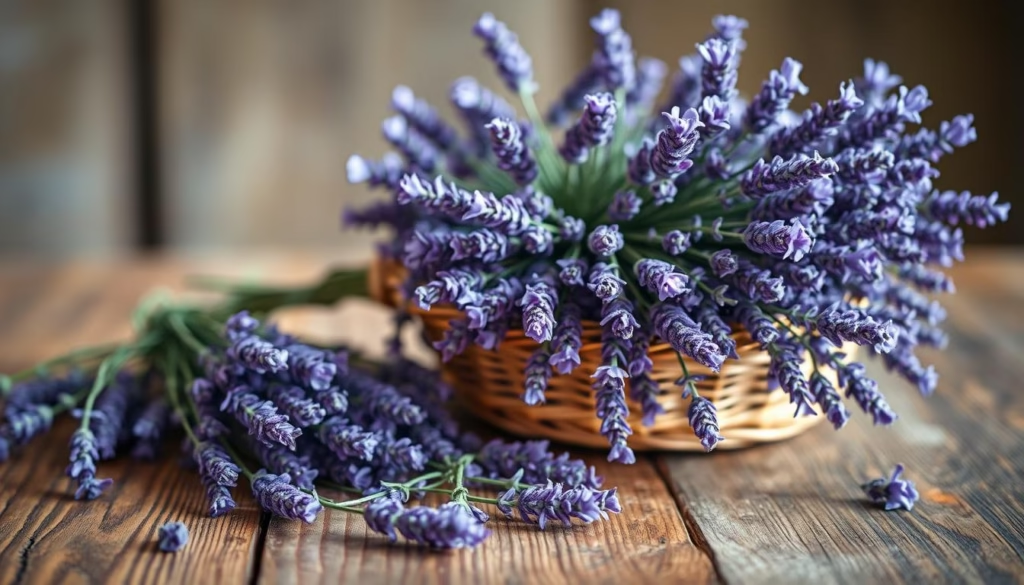
These ideas celebrate lavender’s beauty and versatility in crafting and decorating. Creating unique lavender arrangements or decor pieces will make your home more beautiful and fragrant. It’s a way to enhance your living space and soothe your senses.
Tips for Year-Round Lavender Care
To keep your lavender healthy and beautiful all year, follow some simple tips. Knowing how to care for lavender in winter is key. For potted lavender, move it to a spot that’s safe from frost. Also, make sure the pots drain well to avoid root rot in wet weather.
As the seasons change, so do your lavender’s needs. In spring, a light trim can tidy up and encourage new growth. In summer, watch the moisture and water when it’s dry. Regular checks help keep your lavender strong and looking great all year.
By being mindful of your lavender’s needs, you can enjoy its lovely scent and beauty for many seasons. For more tips on growing lavender, check out resources on year-round lavender care and garden-specific advice.