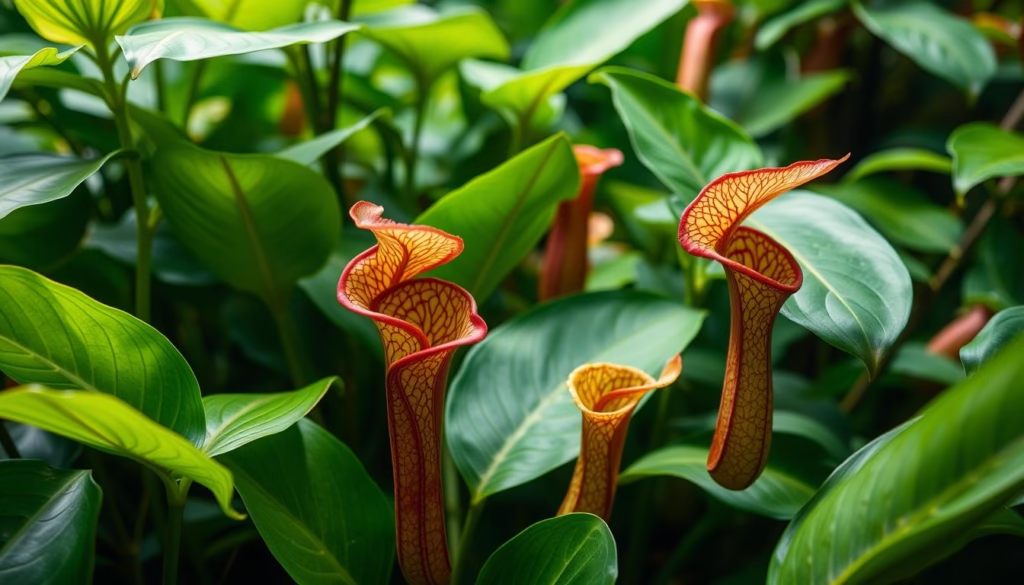
Ever thought about a plant eating insects? Meet Nepenthes Alata, a fascinating carnivorous plant. It uses special traps to catch its food. This guide will teach you how to care for these amazing plants.
You’ll learn about light, water, soil, and feeding. Each part is key to growing these unique plants. Let’s explore how to make your Nepenthes Alata thrive.
Key Takeaways
- Nepenthes Alata need specific growing conditions to stay healthy.
- Keeping the right humidity helps pitchers grow well.
- Use well-drained, nutrient-rich soil for better growth.
- Correct watering stops problems like browning pitchers.
- Feeding them the right nutrients helps them grow strong.
- Watch out for pests and know how to deal with them.
- Adjusting care with the seasons can make your plants healthier and more vibrant.
Overview of Nepenthes Alata Species
Nepenthes Alata is a fascinating tropical pitcher plant from Southeast Asia’s lush lands. It has special adaptations to live in poor soils. This plant is known for its unique way of catching insects and its beauty.
What Makes Nepenthes Alata Unique?
Nepenthes Alata stands out because of its unique shape and function. Its “Monkey Cups” attract, trap, and digest insects. This process gives the plant the nutrients it needs to survive.
The pitchers’ bright colours and patterns make them eye-catching. This makes them a favourite among plant lovers. The plant can grow well in different conditions, keeping its interesting features.
Common Characteristics of the Plant
Nepenthes plants have interesting traits. They grow like vines, using supports to climb. At first, they grow slowly but can become very large.
They need a lot of humidity to stay healthy. To thrive, they need a tropical environment, just like their natural home.
Ideal Growing Conditions
Nepenthes Alata needs certain conditions to grow well. Knowing the right temperature, humidity, and light is key. This ensures your plant thrives.
Temperature Range for Optimal Growth
The best temperature for Nepenthes Alata is between 20-25°C during the day. This helps it grow. At night, it’s okay for temperatures to drop to 10-15°C. This natural cooling helps the plant grow healthily.
Humidity Levels and Their Importance
High humidity is vital for Nepenthes Alata’s health. It should be over 60% to help the plant grow well. If humidity is too low, the plant may not grow well or its leaves may turn brown.
Light Requirements
Nepenthes Alata loves bright, indirect sunlight. Direct sunlight can damage the leaves and slow growth. The right light is important for photosynthesis, keeping the plant strong and healthy.
| Aspect | Recommended Conditions |
|---|---|
| Temperature | 20-25°C (day) / 10-15°C (night) |
| Humidity | Above 60% |
| Light | Bright indirect sunlight |
Soil and Potting Recommendations
Creating the perfect home for your Nepenthes Alata is key to its success. Choosing the right soil and potting method is essential. A well-draining, airy mix keeps your plant healthy and moist, avoiding rot.
Best Soil Type for Nepenthes Alata
The best soil mix for Nepenthes Alata is a blend of perlite, long-fibered sphagnum moss, and orchid bark. This mix drains well and holds moisture. Stay away from commercial potting soils, as they can harm your plant.
Potting Techniques for Success
Choose pots with lots of drainage holes for your Nepenthes Alata. This prevents water from building up and keeps moisture levels right. Hanging pots are great, as they let the plant grow like it would in the wild.
Watering Your Nepenthes Alata
Watering your Nepenthes Alata right is key to its health. It loves moist soil but needs it to drain well to avoid waterlog. Knowing how much water and what kind is best can greatly help your plant.
How Much Water Does It Need?
Nepenthes Alata needs water often, more so when it’s growing. The soil should be damp but not wet. Check if the top inch of soil feels a bit dry to know when to water. This keeps your plant strong and healthy, avoiding root rot.
Best Practices for Water Quality
Choose distilled water, rainwater, or water from a reverse osmosis system for your carnivorous plants. Tap water can have chemicals that harm your Nepenthes. Always check the water quality to stop mineral buildup that can harm your plant.
Signs of Over or Under-Watering
Knowing the signs of too much or too little water is important. Too much water can cause root rot, shown by a bad smell or soft leaves. Too little water makes leaves wilt, turn brown, or pitchers shrink. Keep an eye on your plant to make sure it gets the right amount of moisture.
Feeding Your Pitcher Plant
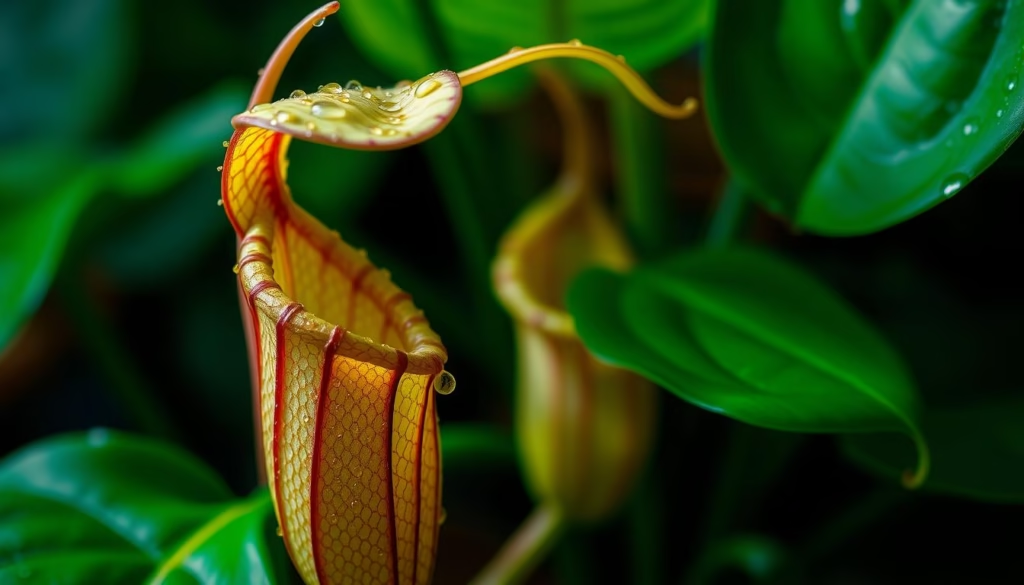
Feeding your Nepenthes Alata is key for its health and growth. This plant gets nutrients from insects caught in its pitcher. Indoor plants often lack live prey, so extra feeding is needed.
How to Provide Nutrients
Use dead insects like freeze-dried mealworms or crickets for feeding. This diet is natural and provides the necessary nutrients. Feed your plant every few weeks during the growing season. Too much food can cause rot, so balance is important.
Frequency of Feeding
Feeding regularly helps your plant grow. Find a good frequency for your indoor setup. Every two to three weeks is usually best. Watch how your plant reacts to feeding to avoid overdoing it.
Types of Food Suitable for Nepenthes
Choose from different foods for your Nepenthes Alata:
- Freeze-dried insects
- Live fruit flies or small crickets
- Store-bought carnivorous plant food
Also, use diluted orchid fertiliser now and then. This boosts growth and health. Following this feeding guide will help your Nepenthes Alata flourish.
Common Pests and Diseases
Keeping your Nepenthes Alata healthy means watching out for pests and diseases. Knowing about common problems can really help your plant stay strong. Look out for pests like aphids and mealybugs, and watch for signs of disease like yellow leaves or wilting.
Identifying Common Issues
Check your plant often for any signs of trouble. Pests like aphids and mealybugs can be seen on stems or leaves. Look for small spots, sticky stuff, or bugs. Spotting problems early can help a lot.
Prevention Tips and Remedies
Preventing pests and diseases starts with good care. Keep humidity levels high but not too high, and make sure air can move around your plant. These steps help prevent diseases. If pests show up, try using natural remedies like insecticidal soap or neem oil. They can get rid of pests without hurting your plant.
When to Seek Professional Help
Even with care, sometimes problems can get worse. If pests are everywhere or your plant keeps getting sick, get help from a pro. Experts can give you organic ways to control pests, making sure your Nepenthes Alata gets the best care.
Propagation Techniques
There are effective ways to propagate Nepenthes Alata. Knowing these methods helps you grow your collection or share plants with others. Stem cuttings and seed planting are two popular methods. The right tips are key for healthy growth.
Methods for Propagating Nepenthes Alata
Stem cuttings are a good choice. Choose healthy vine sections with a leaf and pitcher. These can root in water or a special mix for carnivorous plants. Seeds are another option, but it takes longer.
High humidity is very helpful during propagation. It boosts the chances of successful rooting.
Tips for Successful Propagation
Propagation of Nepenthes Alata requires patience. It can take years for the plants to grow fully. Here are some tips to help:
- Use a new, clean razor blade for cuttings to avoid infection.
- Cut under water to stop air bubbles in the stem.
- Include a leaf node or growth tip in the cuttings.
- Label your cuttings with the date and type for organisation.
- Place cuttings in a bright area but protect from direct sunlight. Seal in a plastic bag to keep humidity.
By following these tips, you can grow thriving new plants from your Nepenthes Alata. For more on stem cuttings, see the recommended techniques for success.
Seasonal Care Adjustments
As the seasons change, so does the care for your Nepenthes Alata. Knowing how to adjust care for each season is key. You’ll need to tweak watering, light, and humidity levels. These changes can greatly affect your plant’s health and growth.
Changes in Care for Different Seasons
In spring and summer, water your Nepenthes Alata more often. Make sure it gets plenty of light. This helps it grow and develop its stunning pitchers.
As autumn comes, start watering less to avoid root rot. Growth slows down in cooler weather. Keep an eye on light levels to ensure your plant gets enough sunlight.
Preparing for Winter
Winter care is important. Nepenthes don’t need a dormancy period, but growth slows with less daylight. Water slightly less but keep the moisture consistent.
Provide consistent light to prevent stunted growth. Watch the temperature to keep it comfortable. Use humidity trays or humidifiers to keep the air moist, which is good for your plant, even in cold weather.
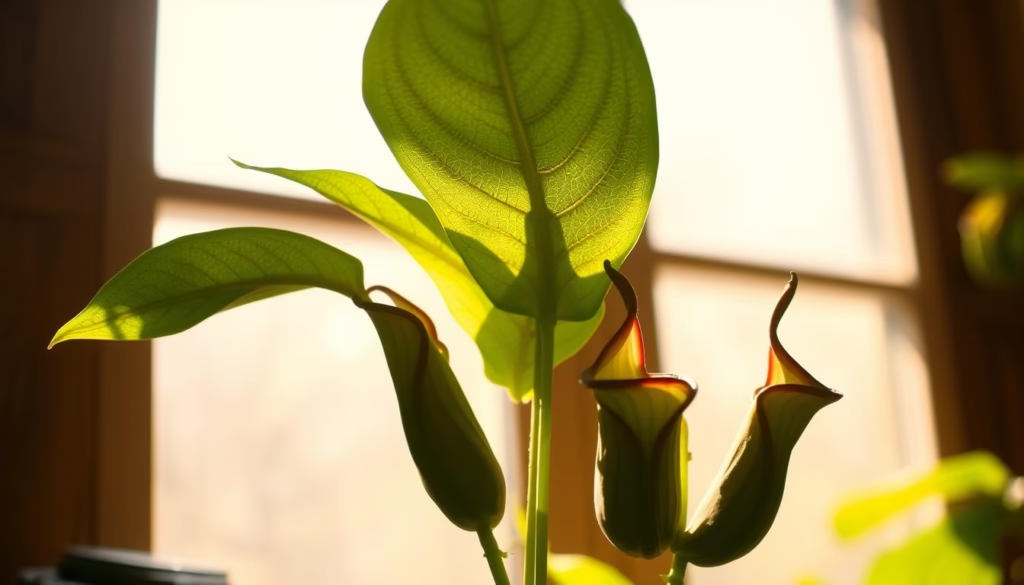
Keeping humidity high is vital in winter. Low humidity can harm pitcher formation. For more tips on caring for your plant, check out seasonal care guides.
Frequently Asked Questions
Exploring the world of Nepenthes Alata can raise many questions. This section answers common ones to help you care for your plant well. It covers everything from the right growing conditions to feeding tips. These FAQs are for both new and experienced growers.
Common Queries About Nepenthes Alata Care
Wondering about the best temperatures for your Nepenthes Alata? For highland types, keep it between 75-83°F during the day and 55-60°F at night. Lowland varieties prefer 84-88°F in the day and above 70°F at night. It’s also important to keep humidity above 75% during the day for growth.
For more detailed info, check out the Nepenthes care guide.
Additional Resources for Enthuasiasts
Looking to learn more about Nepenthes Alata? Many forums and online communities focus on carnivorous plant care. They’re great for getting tips and sharing your experiences. For deeper guidance, visit Botanu’s plant care section.
Using these resources can make your plant care journey even more rewarding.