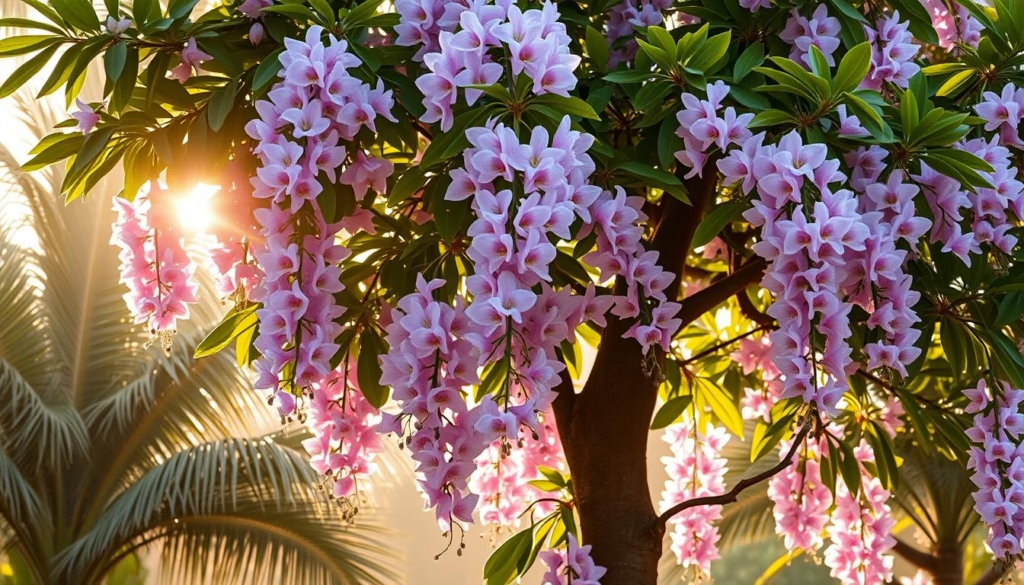
Ever thought about growing a Bauhinia Blakeana in your garden? These stunning flowers, known as Orchid Trees, can make any tropical garden look amazing. They also bring many benefits if you care for them right. We’ll share key Orchid Tree care tips to help your tree flourish.
Learn how to pick the best spot for your tree and understand its watering and fertilising needs. We’ll cover all you need to know to make your Bauhinia Blakeana bloom beautifully for years. For more on these special trees, check out this link.
Key Takeaways
- The Bauhinia Blakeana thrives in well-drained, slightly acidic to neutral soil.
- Ensure your Orchid Tree receives at least 6 hours of direct sunlight daily.
- Regular watering is essential for young trees, while established trees are drought-tolerant.
- Use a balanced fertiliser in spring to promote healthy growth, but avoid over-fertilising.
- Prune your tree in late winter or early spring to maintain its shape and health.
Introduction to Orchid Trees
Orchid trees are a highlight in the world of tropical plants. They are known for their beautiful looks and useful roles in gardens. Bauhinia Blakeana, a type of orchid tree, is famous for its stunning flowers and leaves that look like butterfly wings. This makes them a favourite among gardeners.
What are Orchid Trees?
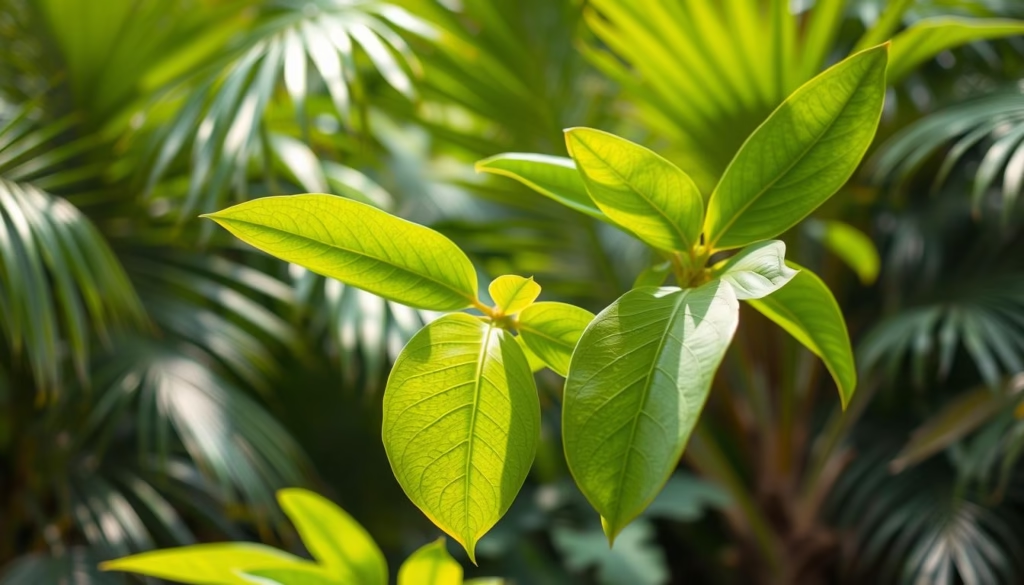
Orchid trees, like Bauhinia Blakeana, can grow up to 40 feet tall. They spread out about 25 feet wide. Their leaves are broad and evergreen, measuring 2 to 4 inches long.
The flowers are vibrant, coming in purple, rose, and pink. Each bloom can be up to six inches wide. This tree grows fast and can handle different soils well. It’s also very drought-tolerant. You can learn more about it here.
Significance of Bauhinia Blakeana in Gardens
Bauhinia Blakeana is more than just a pretty tree. It attracts pollinators, helping gardens become more diverse. This tree can make your garden look much better. It’s great for many types of gardens, from homes to parks.
Adding Bauhinia Blakeana to your garden improves its look and helps wildlife. It’s a smart choice for anyone who loves gardening.
Choosing the Right Location
When picking a spot for Orchid Trees, knowing their needs is key. Bauhinia Blakeana does best in places with the right amount of sunlight. It also needs protection from harsh weather to stay healthy and live longer.
Considering Sunlight Needs
Orchid Trees love full sun to partial shade. They need at least six hours of sunlight a day for bright blooms and strong growth. Without enough sun, they may grow weak and not flower as much.
Choose a spot that gets lots of sun but also some shade in the afternoon. This helps prevent damage to leaves from hot sun.
Shelter from Harsh Weather
Keeping your orchid tree safe from bad weather is important. Strong winds and frost can damage its leaves and flowers. Planting it near walls or fences can offer great protection.
Using windbreaks or finding sheltered spots is a good idea, too. This helps keep your tree safe during cold winter months.
| Location Factor | Recommendation |
|---|---|
| Sunlight Requirements | Full sun to partial shade (at least 6 hours of sun) |
| Weather Protection | Plant near structures for windbreak; avoid exposed areas |
| Temperature Considerations | Ensure a warm climate; protect from frost |
Soil Requirements for Orchid Trees
Knowing what soil Orchid Trees need is key for their health and beauty. They do best in soil that drains well, stopping water from pooling around their roots. This prevents root rot. The right soil mix for Bauhinia ensures your plants get the right amount of moisture and nutrients.
Importance of Well-Draining Soil
Well-draining soil is vital for Orchid Trees. Too much water can cause root rot, harming the plant’s growth. Your soil should drain excess water but keep enough for the plant to use. This helps the roots grow strong and the tree to thrive.
Recommended Soil Types
For your Orchid Tree to grow well, mix professional soilless mixes like Sunshine Abundance with a Bauhinia soil mix. A good mix might include:
- Clay
- Loam
- Sand
This blend keeps moisture but also drains well, meeting Orchid Trees’ soil needs. Choosing the right soil mix helps your trees stay healthy and look great.
Watering Your Orchid Tree
Watering your orchid tree right is key, like the Bauhinia Blakeana. Knowing when to water helps it grow well. The right amount of water feeds the roots and keeps the tree healthy.
Frequency of Watering
Checking the soil is important for watering your orchid tree. If the top inch feels dry, it’s time to water. You should water every 7 to 14 days, depending on the weather and season.
In hot weather, your tree might need more water. But in cooler times, it might need less.
Signs of Overwatering and Underwatering
It’s important to know when your plant is stressed. Too much water can turn leaves yellow and cause wilting. It can even rot the roots.
On the other hand, not enough water can make leaves wilt or drop. If you’re worried about overwatering, here’s some advice.
| Condition | Signs | Remedy |
|---|---|---|
| Overwatering | Yellowing leaves, root rot | Reduce watering, improve drainage |
| Underwatering | Wilting leaves, leaf drop | Increase watering frequency |
Fertilising Your Orchid Tree
To care for your Orchid Tree, a good fertilisation plan is key. These trees grow fast and use up soil nutrients quickly. So, it’s important to add nutrients back into the soil often.
Best Fertiliser Options
For your Orchid Tree, balanced fertilisers like Sunshine Boosters Megaflor are top choices. You can mix this liquid fertiliser with water. It gives your tree the nutrients it needs for growth and beautiful flowers all year.
Organic fertilisers like compost also work well. They help improve the soil’s nutrient levels.
When to Fertilise for Optimal Growth
Timing is everything when fertilising your Orchid Tree. Fertilise every 1-2 months, depending on your local weather and season. In warmer areas, you might need to fertilise more often.
| Fertiliser Type | Frequency of Application | Benefits |
|---|---|---|
| Sunshine Boosters Megaflor | Every month | Supports growth, vibrant blooms |
| Organic Compost | Every 1-2 months | Enhances soil health and nutrients |
| Liquid Fertiliser | Every month during growing season | Quick nutrient absorption |
Using these methods will help your Orchid Tree grow strong and healthy.
Pruning Techniques for Orchid Trees
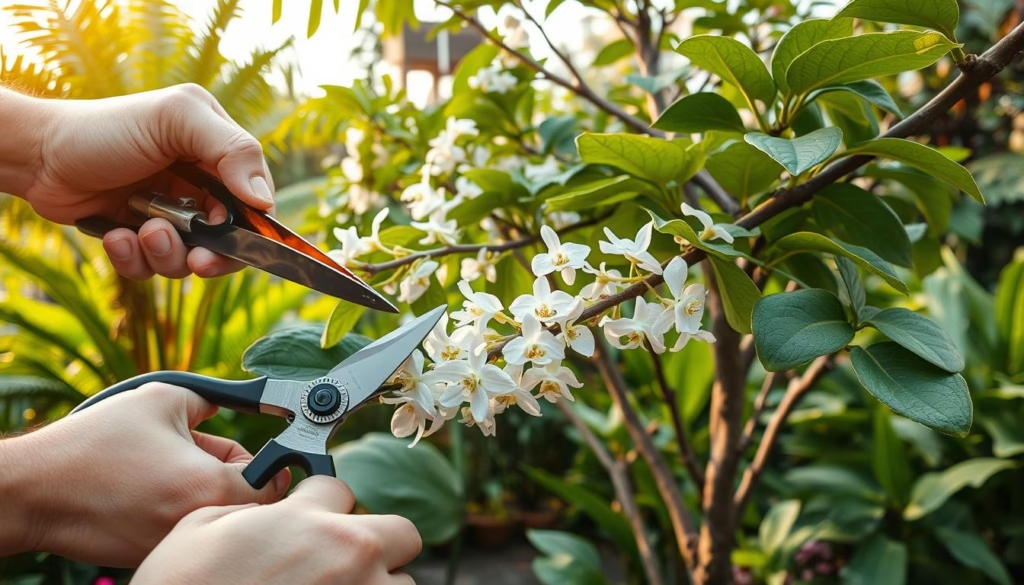
Pruning is key to keeping your orchid tree healthy and looking good. It helps shape the tree and boosts growth. Knowing how to prune your orchid tree well can make it look better and grow more.
Why Prune Your Orchid Tree?
Pruning is vital for your orchid tree’s health. It gets rid of dead or sick branches that slow growth. It also lets more light and air in, which fights pests and diseases.
Most importantly, pruning helps your tree focus on growing new leaves and flowers. This makes your orchid tree strong and beautiful.
Best Time to Prune
The best time to prune your orchid tree is in early spring. This is when it starts growing new leaves and flowers. Pruning then helps your tree grow better and makes your garden look nicer.
Remember, knowing when to prune is important. But using the right pruning techniques for Orchid Trees is even more critical for great results.
Pest and Disease Management
Keeping pests away from Orchid Trees is key to their health and beauty. Many pests and diseases can harm these trees. Regular checks and early action are vital for their well-being.
Common Pests Affecting Orchid Trees
Several pests can harm your orchid trees. Common pests include:
- Aphids
- Spider mites
- Mealybugs
These pests can cause a lot of damage. Spotting them early is important. For instance, aphids leave a sticky mess, while spider mites spin webs on leaves. Using natural insecticides and a regular pest control routine can help.
Preventive Measures and Treatments
Stopping diseases before they start is essential. Check for pests and remove any damaged areas. Good air flow and proper watering can prevent root rot and fungal infections. Also, removing old leaves and flowers can stop pests from hiding.
To learn more about managing pests in Orchid Trees and their diseases, visit the linked resource. Regular checks and quick treatments will keep your orchid trees healthy and bright.
| Pest/Disease | Symptoms | Treatment |
|---|---|---|
| Aphids | Sticky residue on leaves | Natural insecticides, washing with water |
| Spider Mites | Webbing on leaves | Miticides, increase humidity |
| Mealybugs | White cottony masses | Physical removal, insecticidal soap |
| Root Rot | Yellowing leaves, wilting | Improved drainage, remove infected roots |
| Fungal Infections | Brown or discoloured patches | Fungicides, improve air circulation |
Encouraging Flowering in Orchid Trees
To truly appreciate the beauty of Bauhinia Blakeana, understanding how to encourage flowering is essential. The flowering season of Orchid Trees usually spans from late winter to early spring. This is when they show off their large, vibrant blooms. You can make this display even more stunning with the right care and attention to the factors for bloom success.
Flowering Season and Expectations
The flowering season of Orchid Trees is a time of beauty. You can expect to see flowers between February and April. During this time, the trees bloom under the right conditions, showing off a range of stunning colours.
Flower production is best when you keep watering consistent, ensure enough sunlight, and use the right fertilisers. This helps the trees thrive and bloom their best.
Factors Affecting Flower Production
To get the best results in encouraging flowering, consider these factors for bloom success:
- Sunlight: Make sure your Orchid Tree gets enough direct sunlight.
- Watering: Keep the soil moist but not too wet with a regular watering schedule.
- Fertiliser: Use a balanced fertiliser during the growing season to give the tree essential nutrients.
- Temperature: Protect the tree from frost and extreme temperature changes.
Climate Considerations for Orchid Trees
Knowing what climate Orchid Trees need is key to growing them well in the UK. These trees love warmer places, but the right UK climate can help them grow strong. You must take special care of them, mainly when it gets cold.
Best Climate Zones in the UK
Orchid Trees do best in temperate areas, like southern UK coasts. These spots have milder winters and warmer summers, perfect for growth. Cornwall, Devon, and parts of Sussex are great for growing these trees. Knowing your local weather can also help them adapt better.
Dealing with Cold Weather
Winter care for Orchid Trees is very important. To keep them safe, try these tips:
- Bring potted trees indoors to a safe spot.
- Use frost cloths or horticultural fleece to cover outdoor trees.
- Make sure trees are protected from strong winds and frost.
Following these steps will keep your Orchid Trees healthy and lively, even when the weather is bad.
Propagating Orchid Trees
Propagating Orchid Trees is a fun way to grow your garden. You can use different techniques to create new plants. These include sowing seeds and grafting. Knowing these methods helps you grow your Orchid Trees well.
Methods of Propagation
There are a few ways to propagate Orchid Trees:
- Seed Propagation: Collect seeds when the tree is flowering. Make sure they come from a healthy tree. Use a clean medium for germination, as Orchid Tree seeds need special conditions to grow.
- Grafting: This method involves attaching a young branch to a rootstock. Pick healthy scions and rootstock for better growth.
Care for New Plants
After growing Orchid Trees from seeds or grafts, focus on caring for the new seedlings. Here are some tips:
- Plant seedlings in soil that drains well to avoid root rot.
- Put them in a spot that’s protected from strong winds and too much sun until they’re strong.
- Water them right, as new seedlings can easily get too wet.
- Give them enough sunlight but watch for signs of stress or wilting. Move them if needed.
Encouraging Healthy Growth
To help your Orchid Trees grow well, try companion planting and mulching. These methods help the trees and make your garden better.
Companion Planting Tips
Companion planting helps your orchid trees a lot. Planting herbs like basil or marigolds nearby attracts good insects. These insects eat pests that harm your trees.
Also, different plants make the soil better and balance your garden.
Mulching Benefits
Mulching is great for your orchid tree. It keeps the soil moist, which is key for your plants. It also stops weeds from getting water and nutrients.
Plus, mulching keeps the soil temperature steady. This helps your tree’s roots grow strong. With these steps, your orchid trees will thrive.
Frequently Asked Questions about Orchid Trees
Starting to care for your Orchid Tree can raise many questions. One big one is about the best conditions for these trees. People often ask if they need constant humidity. But, Bauhinia Blakeana trees can do well in different places as long as they have good drainage and sunlight.
Common Care Queries
Many think orchid trees are hard to care for. But, with simple steps, you can keep your tree looking great. Just remember to water it regularly, fertilise it properly, and prune it on time. Knowing what your tree needs helps clear up any myths about caring for orchid trees.
Addressing Myths and Facts
Some think orchid trees need lots of care to bloom. But, this isn’t true. They do need some care, but they’re also quite tough. By learning the truth, you can enjoy your Bauhinia Blakeana without worrying too much. This knowledge makes gardening more rewarding and helps your orchid tree grow well.