Ever thought why overwatering plants is worse than forgetting to water them? Many gardeners struggle to find the perfect balance for their plants’ water needs. Giving a bit more water might seem okay, but it can cause big problems like yellow leaves and root rot.
Learning about the dangers of overwatering can greatly improve your plant care. It ensures your plants stay healthy and happy. Let’s explore the world of watering to help you steer clear of these issues with some useful tips.
Key Takeaways
- Overwatering can be more harmful than forgetting to water your plants.
- Signs of overwatered plants include yellowing leaves and wilting.
- Effective plant care requires understanding your plants’ specific watering needs.
- The right balance in watering can prevent long-term health issues.
- Regular monitoring of soil moisture can help prevent overwatering.
- Adjust your watering routine based on seasonal changes.
Understanding Overwatering and Its Effects
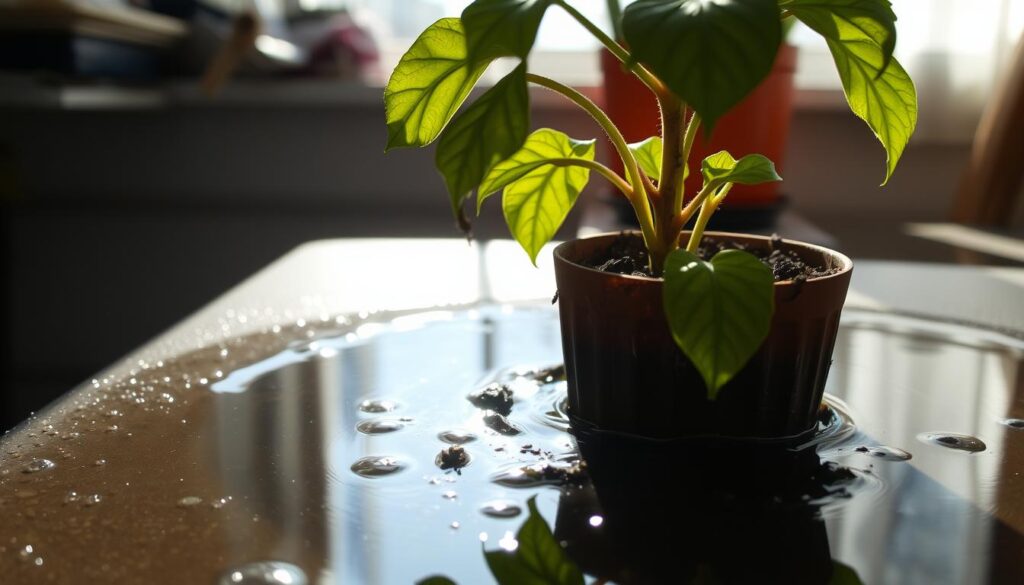
Overwatering plants can cause serious problems. It affects the roots and the whole plant’s health. When plants get too much water, their roots can’t breathe. This makes the soil waterlogged, leading to root rot.
It’s important to know the signs of overwatering. This helps keep your plants healthy and vibrant.
What Is Overwatering?
Overwatering happens when plants get more water than they can handle. This can be due to too much watering or poor soil drainage. Roots drowning in water makes plants more prone to diseases and weakens them.
Knowing about overwatering is key to good plant care.
Signs Your Plant Is Overwatered
Spotting the signs of overwatering early can save your plants. Look out for:
- Yellowing leaves: Leaves may turn yellow and feel soft or limp.
- Wilting despite wet soil: Plants may look droopy or wilted even with moist soil.
- Unpleasant odour: A bad smell from the soil can mean too much moisture is causing bacteria to grow.
Watching for these signs helps you act fast. This way, you can fix the problem before it gets worse.
Common Misconceptions About Watering Plants
Many gardeners think a set watering schedule works for all plants. But this can lead to overwatering, harming your plants. It’s key to know each plant’s water needs, whether they’re indoors or outdoors.
Indoor plants usually need less water because they’re in a stable environment. Outdoor plants, on the other hand, need more water due to changing weather and rainfall.
The Myth of Regular Watering
Regular watering doesn’t mean all plants are happy. Each plant has its own needs. Some plants do better with less water.
Learning this can help you care for your plants better and prevent overwatering.
Differences Between Indoor and Outdoor Plants
Indoor and outdoor plants face different conditions. Indoor plants get water less often because their environment is steady. Outdoor plants, though, need more water because of the weather.
Using specific watering tips for each type can help your plants grow well.
| Type of Plant | Watering Frequency | Considerations |
|---|---|---|
| Indoor Plants | Every 1-2 weeks | Check soil moisture; avoid water in saucers |
| Outdoor Plants | Every 3-7 days, depending on weather | Consider rainfall and soil drainage |
Identifying the Signs of Overwatered Plants
It’s important to spot the signs of overwatering to keep your plants healthy. Catching it early helps you fix the problem and keep your plants thriving. Here are some common signs that your plants might be getting too much water.
Yellowing Leaves: A Cry for Help
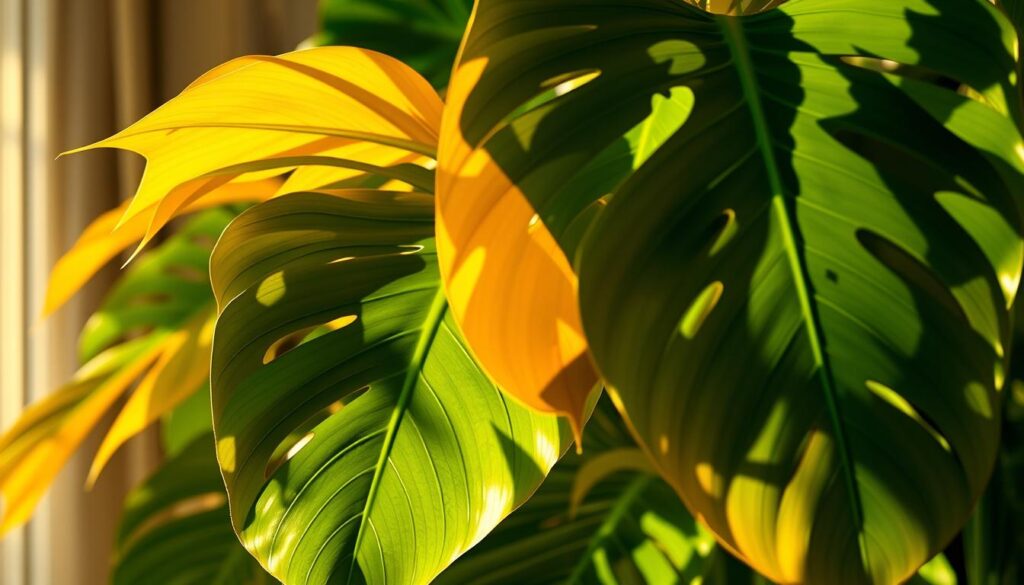
Yellow leaves, starting from the bottom, are a clear sign of overwatering. This means your plant is stressed, possibly because its roots can’t function well in wet soil. Keeping an eye on your plant’s leaves is key. Early action can stop more harm.
When looking for tips on watering plants, remember to be careful. A bit of caution can prevent yellow leaves.
Wilting and Drooping: What It Means
Wilting and drooping leaves might seem odd, as they often happen in plants that get enough water. This sign means your plant can’t take in water properly. Too much water can harm the roots, stopping them from getting nutrients.
If you see these signs, it’s time to rethink how you water. Good plant care advice includes checking the soil before watering again.
Root Rot: The Silent Killer
Root rot is a serious problem linked to too much water. It’s marked by soft, dark roots and can be deadly if not treated fast. Regularly checking your plant’s roots is part of good plant care advice.
Changing your watering habits can save your plants from root rot. This silent killer can be stopped if caught early.
https://www.youtube.com/watch?v=MTKhBCHrHGE
The Science Behind Plant Watering
Learning how plants absorb water is key for gardening. It helps keep plants healthy. Knowing about water uptake and soil drainage is vital. Too much water can harm plants, causing root issues and diseases.
How Plants Absorb Water
Plants take in water mainly through their roots. These roots also grab nutrients they need. Water is vital for moving nutrients around the plant.
Roots need both water and air. Good soil drainage is important. It helps roots work well without getting too wet.
The Role of Soil Drainage
Soil drainage is critical for plant health. Poor drainage can make soil too wet. This stops roots from getting oxygen and nutrients.
To help plants grow well, use soil that drains well but keeps some moisture. This stops water problems and helps plants stay healthy.
Adjusting Your Watering Routine
Creating a good watering routine means knowing what your plants need. This need changes based on where they are. By using practical tips, you can make sure your plants get the right amount of water. The finger test is a simple way to check if the soil is dry.
How to Determine When to Water
It’s key to know when to water your plants. How often you water depends on the plant, its size, and the environment. Here are some tips to help you figure out when to water:
- Do the finger test often to see if the soil is dry.
- Watch for signs like wilting or drooping in your plants.
- Notice how fast the top soil dries out.
- Remember, plants need less water in colder months.
Seasonal Adjustments for Plant Care
Changing your watering routine with the seasons can really help your plants. In winter, plants often need less water because they’re dormant. But in warmer months, they might need more water. Here are some seasonal tips:
- In spring and summer, water more often based on temperature and humidity.
- In autumn and winter, water less but check the soil moisture often.
- For tropical plants, add extra moisture when it’s dry.
The Dangers of Overwatering
Overwatering plants can harm their health and the soil’s vitality. It’s important to keep the right moisture level for plants to thrive. Knowing the risks of overwatering helps improve your plant care and makes your plants happy.
The Impact on Plant Health
Too much water in the soil can cause problems. Root rot is a big issue when roots lack oxygen. This makes it hard for roots to get nutrients and makes them sick.
You might see yellowing leaves or wilting plants. This means they’re not doing well. Using tips to avoid overwatering can make your garden better and prevent these problems.
Long-term Effects on Soil Quality
Long-term overwatering can harm the soil. It changes the soil’s structure, making it less airy and less fertile. This makes it hard for good things to grow in the soil.
Knowing these effects shows why watering right is key for a healthy garden.
| Effect of Overwatering | Impact on Plants | Soil Quality Consequences |
|---|---|---|
| Root Rot | Compromised nutrient absorption, yellowing leaves | Decreased fertility and air quality |
| Saturation | Wilting and drooping symptoms | Compacted soil, reduced microbial activity |
| Pest Attraction | Increased susceptibility to diseases | Higher likelihood of soilborne diseases |
Understanding overwatering dangers helps keep your plants and soil healthy. Remember these points when caring for your plants to keep them thriving.
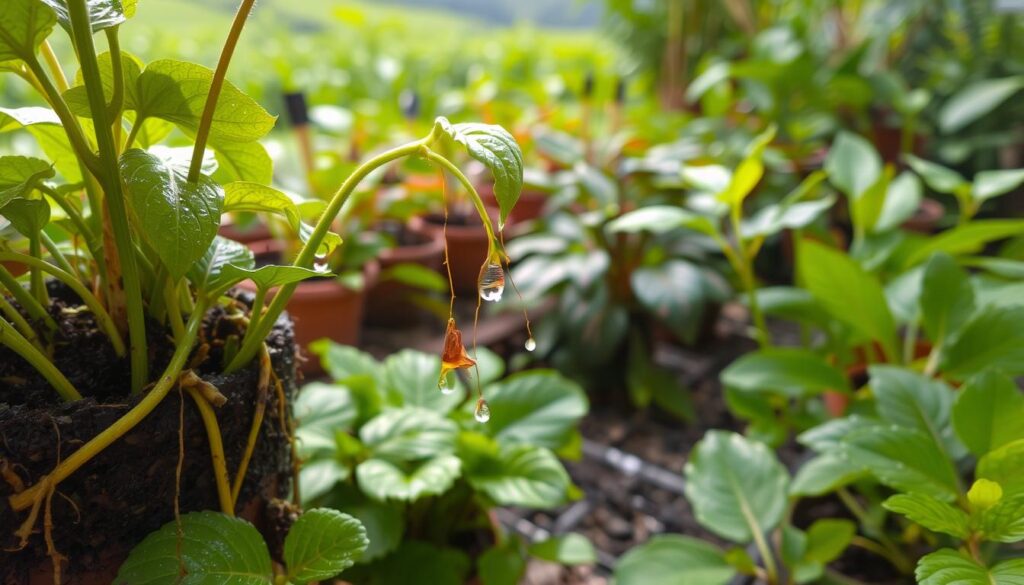
Alternative Watering Techniques
Finding the right way to water plants is key for their growth. There are many ways to water plants that save water and keep them healthy. These methods help you use water wisely and make sure your plants get enough moisture.
The Benefits of Drip Irrigation
Drip irrigation is a top choice for watering plants. It sends water straight to the roots, cutting down on waste. This method lets you control how much water each plant gets, preventing too much.
Using drip irrigation helps plants grow strong roots. It’s also easy to set up on a timer, making sure plants get watered on time.
Using Self-Watering Pots
Self-watering pots are great for those who forget to water. They keep the soil moist, so plants always have water when they need it. This way, plants grow well without getting too wet.
These pots are easy to use and help save water. For more tips on watering, check out this guide. Self-watering pots make watering plants more efficient.
How to Rescue Overwatered Plants
Overwatered plants need quick action to recover. The first step is to stop watering them. This lets the soil dry out. Watching the soil’s moisture is key to knowing when to water again.
Steps to Take Immediately
Start by checking your plant’s health. Look for yellow leaves, a sign of too much water. If the soil is wet and smells bad, your plant might have root rot.
Take the plant out of its pot to see the roots. If they’re dark, mushy, or smell bad, they’re damaged. Better air flow helps the soil dry faster, which is good for your plant.
When to Consider Repotting
If the roots are badly damaged or the soil is always wet, repotting might be needed. Use new, draining soil to help your plant recover. Repotting can also boost drainage and help roots get stronger.
For more advice on yellow leaves and other problems, see this guide on plant care.
The Importance of Proper Drainage
Proper drainage is key for your plants’ health. Without it, overwatering risks increase, causing problems. This section covers choosing the right pots and improving soil drainage for your plants’ best growth.
Choosing the Right Pot
Look for pots with drainage holes. These holes let excess water out, avoiding waterlogging. Terracotta pots are great for plants that don’t like too much moisture because they help water evaporate.
Make sure the pot is the right size for your plants. It should give them enough room to grow and drain properly.
Enhancing Soil Drainage with Additives
Adding certain materials to your soil can also help. Perlite or pumice in your mix improves aeration and helps water drain. These materials ensure your plants get the oxygen they need for healthy roots.
Creating a well-draining soil mix is vital for your plants’ health. It makes a big difference.
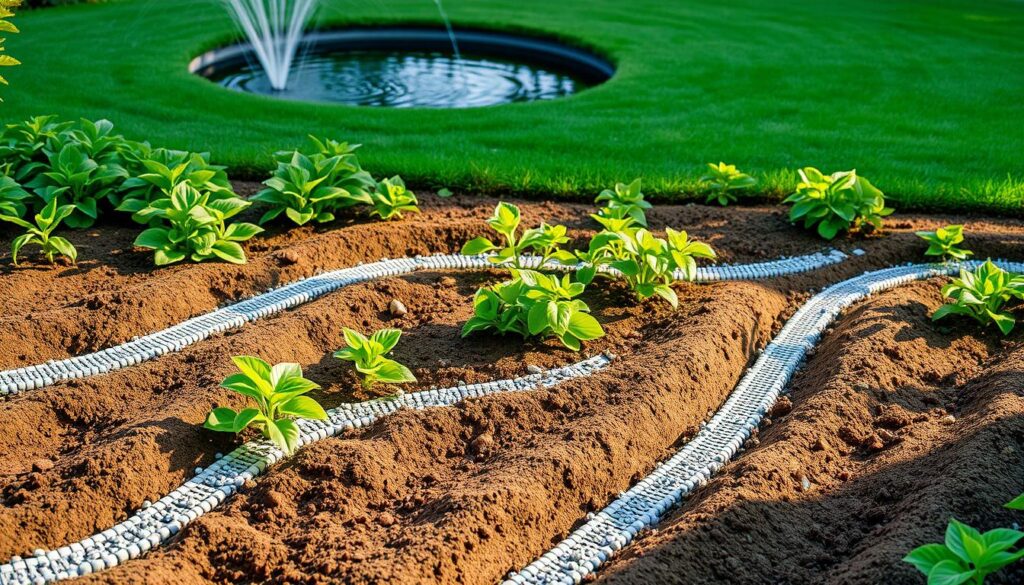
Creating a Watering Schedule
Creating a watering schedule is key to keeping your plants healthy. Good plant care advice means knowing what your plants need. This includes the type of plant, the season, and the environment.
Factors to Consider for Your Plants
When creating a watering schedule, consider these points:
- Plant Type: Each plant needs different amounts of water. Succulents like dry soil, while tropical plants need it moist.
- Seasonality: Your plants may need more water in the summer than in the winter.
- Environmental Conditions: Humidity, temperature, and sunlight affect how fast the soil dries out.
Tools to Help You Maintain This Schedule
There are tools for plant care to help you stick to your schedule:
- Moisture Meters: These tools check the soil’s moisture, so you only water when needed.
- Garden Reminders: Use apps or calendars to remind you when to water, keeping you on track.
- Watering Cans with Measurement Marks: These help you control how much water each plant gets, ensuring proper hydration.
Understanding Your Plants’ Needs
Learning about your plants’ needs is key to their growth and health. It’s not just about watering them. Many factors, like the plant’s type, size, and environment, affect how much water they need.
The Role of Plant Type and Size
Every plant is different, and so are their watering needs. Succulents, for example, love dry conditions and need little water. On the other hand, big plants with deep roots, like tropical ones, need more water often. So, it’s important to adjust your watering based on the plant’s size and type.
Environmental Factors Affecting Watering
Things like humidity, light, and temperature also matter a lot. In humid places, plants keep water longer, so you might not need to water as often. Using plant health tips that match these conditions can really help. This way, you can make sure your plants are happy and healthy.
| Environmental Factor | Effect on Watering Needs |
|---|---|
| Humidity | Higher humidity reduces evaporation, potentially decreasing watering frequency. |
| Light Exposure | More sunlight increases plant activity; so, more water might be needed. |
| Temperature | Warmer temperatures can dry out soil faster, meaning plants need more water. |
Final Thoughts on Watering Wisely
As you grow your plants, it’s key to keep them hydrated right. Knowing what each plant needs is important for their health. This means looking at how often to water and what each plant needs.
Balancing Water Needs with Plant Health
Using good plant health tips can really help your plants. Watch for signs of too much or too little water. Remember, how much water plants need changes with the weather and season.
The Reward of Well-Cared-for Plants
Looking after plants is more than just making them look good. It brings happiness and a sense of achievement. Seeing your plants grow well because of your care is rewarding. Enjoy the journey of gardening and keep learning and improving.