
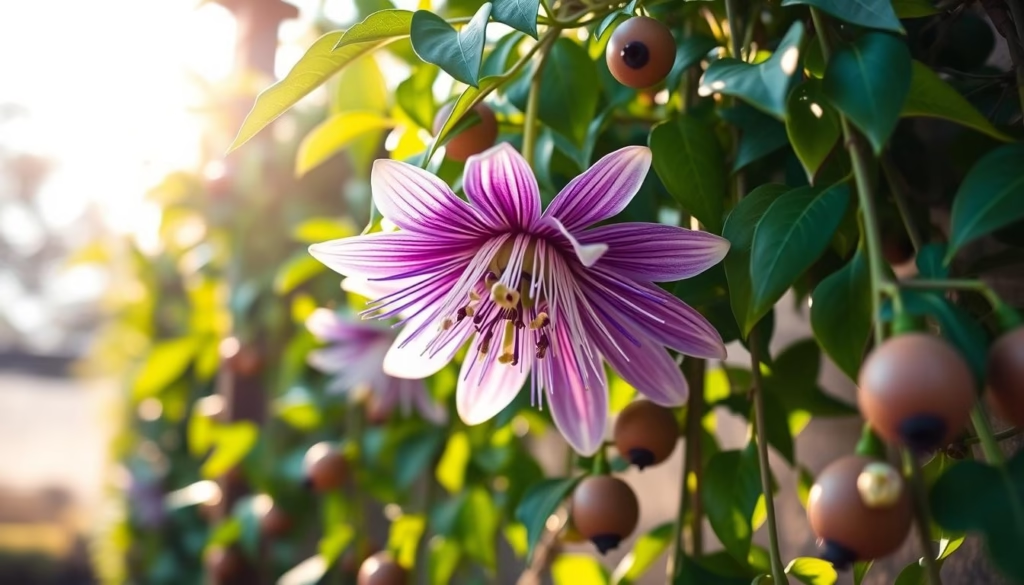
Ever thought a single plant could turn your garden into a paradise? Passionflowers are known for their exotic flowers and tasty fruit. They bring beauty and usefulness together. This guide will show you how to care for these lovely vines, whether you’re new to gardening or not.
You’ll learn key tips for growing Passionflowers. This includes the best spot for them, the right soil, and how to feed and harvest. Dive into the magical world of Passionflower care!
Key Takeaways
- Passionflowers are both visually striking and edible, making them a great addition to gardens.
- Choosing the right location is key for growth.
- Knowing your soil’s condition is vital for your plant’s health.
- Regular feeding and careful watering lead to a bountiful harvest.
- Pruning is important for keeping vines healthy.
- Spotting pests and diseases early helps protect your plants.
Understanding Passionflower Species
Passionflowers, known scientifically as Passiflora spp., have over 400 species. They are found from Central America to Australia. Each species brings its own beauty and benefits, making them great for gardens. This section explores the different Types of Passiflora and their key traits. It also provides essential Passionflower plant care tips for growing these beautiful plants.
Types of Passiflora
Some passionflower species are loved for their looks and fruit. The blue Passiflora caerulea is famous for its striking flowers and toughness. On the other hand, Passiflora edulis is cherished for its tasty fruit, known as “passionfruit.” Knowing these species helps you pick the best one for your garden.
Key Characteristics of Passionflowers
Passionflowers are known for their unique flowers and vibrant colours. These climbing vines can grow very tall, adding beauty to any garden. Learning about different species helps you choose the right one for your garden, following effective Passionflower care instructions.
Choosing the Right Location for Your Passionflower
Finding the perfect spot for your passionflower is key for it to grow well and bloom beautifully. This lovely plant does best in places with the right light and soil. Knowing what it needs will help your garden flourish.
Sunlight Requirements
Passionflowers love full sun but can handle some shade. For the best growth and lots of flowers, choose a spot with 4 to 6 hours of sunlight daily. Without enough light, the plant may not bloom well and could get weak.
Soil Conditions for Optimal Growth
The soil is very important for your passionflower’s health. It should be well-drained and slightly acidic, with a pH of 5.8 to 6.8. Soil rich in compost gives the plant nutrients and keeps it moist. Make sure the soil is moist but not too wet to avoid root rot.
Planting Your Passionflower
Timing and proper techniques are key to planting passionflowers successfully. Spring is the best time, after the last frosts, usually late May to early June. Prepare your garden with the passionflower care best practices in mind.
Best Time to Plant
Choosing the right moment is essential. Planting after the threat of frost minimises the risk to young plants. Ensure the soil temperature is warm enough for the seeds or young plants to thrive. Fostering optimal conditions during this period contributes significantly to successful growth.
Planting Techniques for Success
Prior to planting, set up support structures like trellises. This allows the vines to cling effectively. Roots must be well-covered with soil, providing adequate depth for healthy growth. After planting, initial watering should be thorough to establish a robust foundation. Container-grown varieties require slightly larger pots to accommodate their development as they flourish. If you’re considering more detailed guidance, check out these passionflower care best practices for expert tips.
Watering Your Passionflower
Getting the right amount of water is key to passionflower maintenance. The soil needs to stay moist but not too wet. This balance is important for your plant’s health.
Water your passionflower 0.5 cups every nine days, more often in hot weather. This keeps the soil just right, avoiding root rot. Root rot is a big problem for these plants.
Frequency of Watering
Let the soil dry a bit before watering again. Water once every one to two weeks. Use 1-1.5 inches of water when it’s growing well.
In dry weather, water more often. This keeps your vine healthy and strong.
Signs of Overwatering or Underwatering
Watch your passionflower for signs of too much or too little water. Too much water can turn leaves yellow or make them wilt. This means the roots are drowning.
Not enough water can cause flower buds to drop and leaves to wilt. For help, check out common watering tips online.
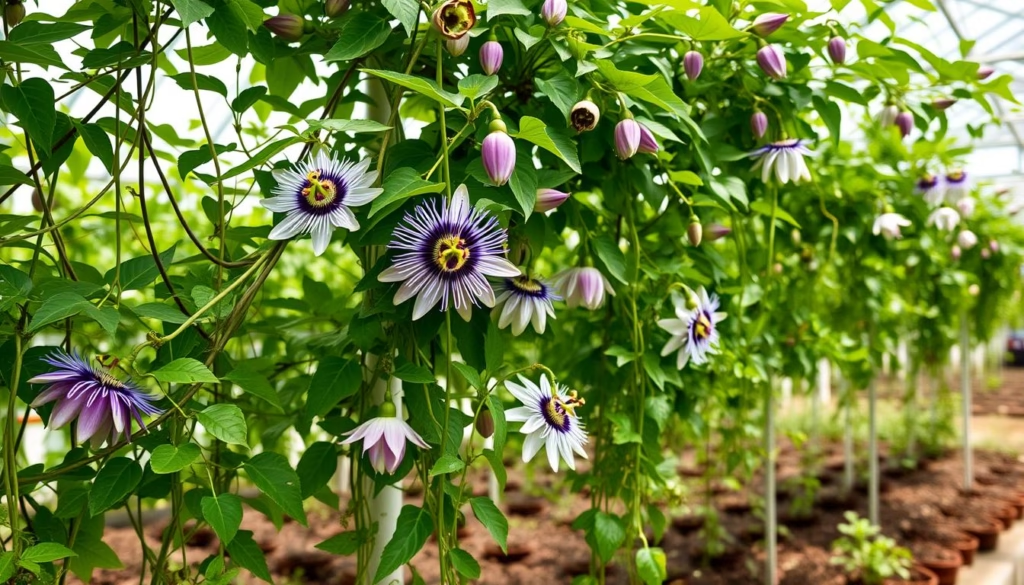
Pay attention to your passionflower’s water needs for better care. Fixing problems quickly helps your plant thrive. This leads to a beautiful garden.
Feeding Your Passionflower
Feeding is key for Passionflower care. These plants need a balanced diet to grow well. Choosing the right fertilisers is essential for healthy growth and beautiful blooms.
Passionflowers are heavy feeders. They need lots of nutrients to flourish.
Best Fertilisers to Use
For your Passionflower, use fertilisers with equal nitrogen, phosphorus, and potassium. This balance promotes strong growth and lots of flowers. For plants in pots, Phostrogen is great because it’s absorbed quickly.
For plants in the ground, Growmore is better. It releases nutrients slowly, helping plants grow steadily.
When to Fertilise
Fertilise your Passionflower in early spring, at the start of the growing season. Then, fertilise every four to six weeks from March to October. This keeps your plants well-nourished all season.
Pruning Your Passionflower
To keep your passionflower looking great, you need to know how to prune it right. Pruning helps it grow well and bloom brightly. Do it every year in early spring, right before new growth starts.
You’ll cut out dead or old stems. These can block flowers and make the plant look messy.
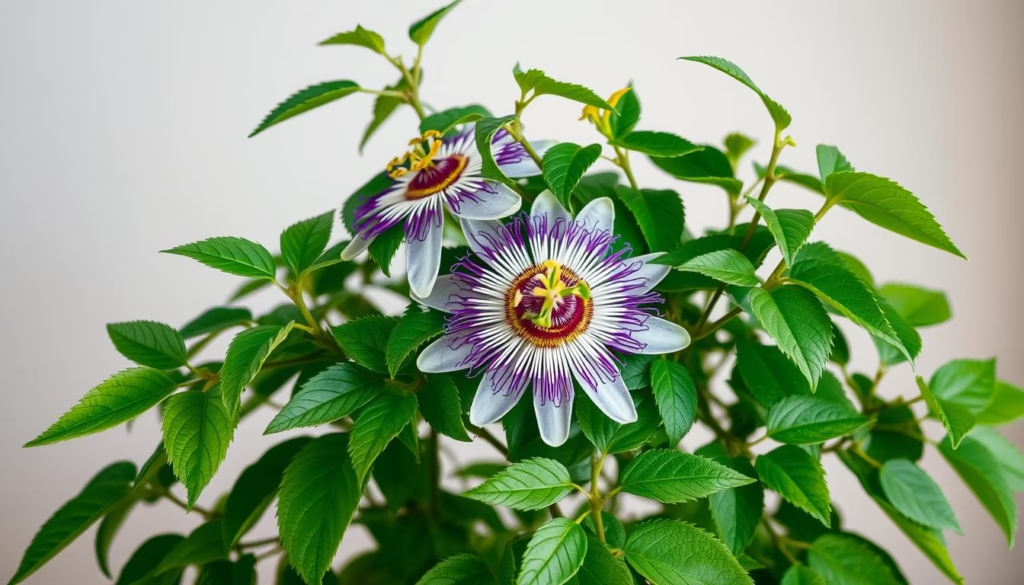
When to Prune
The best time to prune your passionflower is in early spring. Wait until after the last frost but before new growth starts. This lets you get rid of dead or damaged parts.
It also helps the plant bloom well for the season. Watch your plant all year to see which branches need cutting.
Techniques for Effective Pruning
Using the right pruning techniques makes your passionflower healthier and prettier. Start by cutting back old flower-stems to make way for new ones. Here are some tips:
- Remove any dead, damaged, or diseased stems.
- Trim back overgrown areas to keep it manageable.
- Keep a strong framework by saving key branches.
By following these tips, your passionflower will thrive. It will have amazing leaves and flowers. Learning to prune well makes gardening more rewarding.
Pests and Diseases in Passionflowers
Looking after passionflowers means knowing about pests and diseases. These plants are usually tough but can get sick in warm, wet weather. Knowing how to deal with these problems is key to keeping your passionflowers healthy.
Common Pests and Their Management
Scale, spider mites, and whiteflies can harm your passionflowers. Use homemade insecticidal soap to fight these pests. It’s safe for your plants. Check your vines often to spot problems early.
Identifying Diseases and Their Solutions
Passionflowers might get diseases like leaf spot and fusarium wilt. These show up as yellow or discoloured leaves. For leaf spot, take off the bad leaves to stop it spreading.
If it gets worse, you might need to use fungicides. Some passionflower types are better at fighting diseases. Learn more about diseases and how to treat them here. Keeping an eye out for these problems helps your plants stay healthy.
Supporting Your Passionflower Growth
To grow passionflowers well, you need the right support. Sturdy trellises or support structures help your vines climb. You can use fences, arbors, or trellis systems to help them grow. These Passionflower growing tips help your plants grow and look great in your garden.
Trellis and Support Systems
Choosing the right trellis is key for passionflower growth. A good trellis supports growth and shows off the flowers. Look for trellises made from strong materials that can hold the vines’ weight. You can choose from:
- Wooden trellises for a rustic look
- Metal arbors with fancy designs
- Wire mesh systems for a modern feel
Training Your Passionflower Vines
Training your passionflower vines is important. Start early, as they grow upwards naturally. Use soft ties or twine to hold the vines but adjust them often to avoid damage. Be gentle when training, as Supporting your Passionflower growth needs patience and care. This way, your vines will grow well and your garden will look beautiful.
Harvesting Edible Parts of the Passionflower
Harvesting the edible parts of Passionflower, like the fruit, needs careful timing and technique. Knowing when to pick Passionfruit can improve its taste and yield for next seasons. It’s key to pick at the right time to get the fruit’s full sweetness.
When to Harvest Passionfruit
The best time to pick Passionfruit is when it turns from green to deep orange, purple, or brown. This colour change shows it’s ripe. Picking at this stage makes your cooking more enjoyable.
How to Harvest Without Damage
To avoid harming the plant, use clean snips to cut the fruit gently from the vine. Don’t pull or twist the fruit, as it can damage the vine and other fruits. Using the right harvesting methods helps the plant grow more fruit in the future. This keeps your Passionflower healthy and productive.
Common Mistakes in Passionflower Care
Caring for a Passionflower can be rewarding, but there are pitfalls to watch out for. Knowing the Common mistakes in Passionflower care helps your plants thrive. This ensures they bring beauty and fruit to your garden. By avoiding these mistakes, you can make caring for your Passionflower easier and enjoy healthier blooms.
Overwatering Issues
One big mistake is overwatering. This can cause wilting or yellowing leaves, showing the plant is stressed. Root rot is a big risk if the soil stays too wet. To avoid this, check the soil moisture often and let it dry out between waterings. Watching how your plant reacts helps you understand its needs better, following key Passionflower plant care tips.
Incorrect Pruning Practices
Many gardeners struggle with pruning mistakes. Getting the timing and technique right is key for growth and blooms. Pruning at the wrong time can hurt your plant’s health and flowering. Learn the best methods and when to prune to help your passionflower reach its full beauty. For more tips, check out expert advice on sustainable gardening.
Benefits of Growing Passionflower in Your Garden
Adding passionflower to your garden brings many benefits. The beautiful flowers make your outdoor area look stunning. They attract bees and butterflies, adding to the garden’s charm.
Passionfruits are also great for your health. They are full of vitamins A and C, and antioxidants. Eating passionfruit can improve your diet and health. Learn more about the nutritional benefits of Passionfruit when you grow it at home.
Growing passionflower does more than just beautify your garden. It also adds delicious fruits to your meals. This shows how gardening can bring beauty and health into your life.