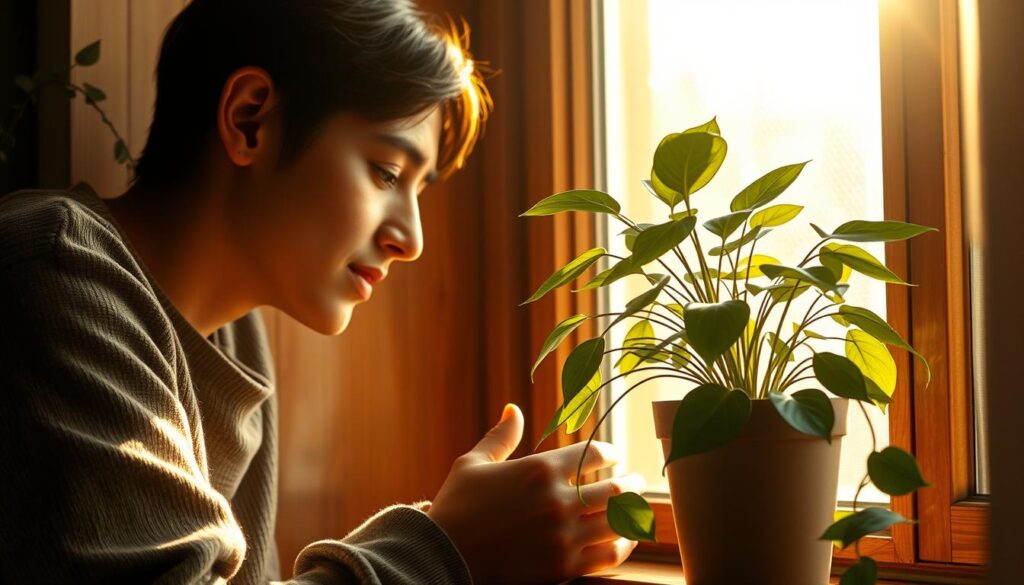
Ever wondered if talking to your houseplants at night could help them grow? Many think it’s odd, but science might prove them wrong. New studies show talking to plants could actually help them grow better. It might even make gardening more enjoyable.
Garden lovers from places like Frisella Nursery say talking to plants makes their plants thrive. They believe the right words can make a big difference. This article will look into how your voice can help your plants, showing they’re not just silent objects.
Key Takeaways
- Talking to your plants may promote growth and health.
- Plant communication can enhance your emotional well-being.
- Established gardeners leverage conversation as a nurturing practice.
- Scientific studies support the efficacy of vocal interaction with flora.
- Understanding plant responses to sound can improve gardening techniques.
The Concept of Talking to Your Plants
Talking to plants is not a new idea. It has deep roots in many cultures and times. In the past, people thought plants were alive and needed our attention. This idea grew into today’s ways of caring for and talking to plants.
How It All Started
It all began with the belief that plants have a special essence. Famous thinkers from different eras said talking to plants could help them grow. Studies showed that this idea was more than just a myth; it was real.
In the 19th century, people became more interested in plants’ lives. They saw that plants could react to us, like our voices.
Historical Perspectives on Plant Communication
Many societies have looked at how plants communicate. Farmers believed talking to crops would give them better harvests. The ancient Greeks and Romans thought plants were alive and could feel our care.
These views show that talking to plants has been important for a long time. It’s not just a new trend, but a tradition that has lasted for centuries.
The Science of Sound Waves
Exploring the science of sound waves shows how vibrations can boost plant growth. When you talk to your plants, you send them sound waves that can change their biology. The Royal Horticultural Society found that these waves help plants grow better and stay healthier.
What Happens When You Speak?
When you chat with your plants, the sound waves they make travel through the air. These waves reach the plants as vibrations. Plants can feel these vibrations, leading to interesting reactions.
Your voice, with its tone and frequency, can help plants grow better. This shows how sound waves can affect how plants respond to sound.
The Effect of Vibration on Plant Growth
Vibrations are key in changing how plants grow. Studies show that hearing human voices can make plants grow more positively. Different sound frequencies can make plants react in different ways.
This study is uncovering how plants and sound are connected. It’s a fascinating area that shows plants might have their own preferences, just like humans.
| Frequency Range (Hz) | Expected Response |
|---|---|
| 115-250 | Increased growth and health |
| 251-500 | Minimal response |
| Above 500 | Stress or negative response |
Benefits of Conversing with Your Plants
Talking to your plants can make you feel better emotionally and mentally. It helps you connect with them on a deeper level. This connection can boost your mood and make you feel more grounded.
Many people find peace and a sense of belonging by sharing their thoughts with plants. Whether it’s through words or silence, it creates a soothing atmosphere.
Emotional Well-being and Gardening
Gardening helps you form a strong bond with plants. It makes you feel more connected to nature. Talking to plants can lift your mood and make you feel more at peace.
It’s a way to express your feelings and find solace. Many find that sharing their thoughts with plants brings a sense of calm and belonging.
The Role of Routine and Care
Plant care adds structure to your day. It makes you focus on the present moment. You learn to notice and respond to your plants’ needs.
This practice strengthens your bond with plants. It turns gardening into a therapeutic activity. It helps you connect with nature on a deeper level.
Plant Responses to Vocal Tones
Talking to houseplants can be quite surprising. They seem to react differently to various sounds. For example, female voices can help plants grow better. The effect of sound depends a lot on the type of plant you have.
Understanding Plant Sensitivity
The way you talk to your plants can affect their health. Plants are very sensitive to sound. They might grow differently when hearing different sounds.
Examples of Successful Communication
There’s a study that shows how plants respond to voices. Tomato plants grew taller when they heard a female reading. This shows how talking to plants can help them thrive. It’s a new way to care for your plants.
The Psychology Behind Plant Communication
Talking to plants might seem odd at first. But it has many psychological benefits. It helps you feel a strong bond with plants, making your space more nurturing. This can really boost your mental health.
It makes everyday tasks feel more rewarding. Many experts say talking to plants can help with emotional health and stress.
Why You Might Feel Silly
It’s normal to feel silly when you talk to plants. This might come from people thinking it’s not serious. But the good it does is much more than any embarrassment.
It helps you grow and feel better emotionally. You’re creating a space where you can learn and develop.
The Comfort of Engaging with Nature
Being around plants is very comforting. It helps you relax and forget about daily worries. As you care for your plants, you’ll feel closer to them.
This connection brings peace and helps you feel grounded. It’s not just about plants; it’s about our connection with nature.
The Role of Carbon Dioxide
Talking to your plants can strengthen your bond and help them grow. When you speak, your breath releases carbon dioxide. This gas is key for photosynthesis, helping plants thrive.
It’s amazing how simple conversations can boost your plants’ growth. This shows how important plant care through communication is.
Breathing Life into Your Plants
Talking to your plants gives them carbon dioxide, vital for energy production. This not only helps your plants but also boosts your mood. Many gardeners enjoy seeing their plants grow stronger with their words.
How Plants React to Increased CO2
Studies show plants grow faster with more carbon dioxide. This happens when you talk to them. Your voice and presence create a better environment for growth.
Effective communication can greatly improve your plants’ health and energy. It’s a powerful way to care for them.
Practical Tips for Talking to Your Plants
Learning to talk to plants can really help them grow. The best times to chat with them are when they’re most active. This is usually in the morning or early afternoon.
At these times, your voice and the carbon dioxide you produce help them the most. It’s a great way to improve your gardening and your plants’ health.
Best Times to Speak to Them
The morning sun is perfect for talking to your plants. The air is fresh, and your voice carries well. This makes your plants happy and helps them grow.
Try to make talking to your plants a regular part of your day. It creates a caring atmosphere that’s good for them.
What to Say for Maximum Impact
When you talk to your plants, be kind and positive. Tell them how much you like their leaves, flowers, or how healthy they look. This strengthens your bond with them.
Sharing your thoughts on their growth can also help a lot. For more tips on talking to plants, check out this resource. Remember, caring for plants is not just about watering and feeding. It’s also about building a connection with them through your words.
The Influence of Music on Plant Growth
Music can really help plants grow. Different tunes create vibrations that plants respond to. Talking to plants is good, but music might make it even better.
Background Music vs. Speaking
Studies show music can grow plants as well as talking to them. Human voices help plants, but music might work deeper. This means we could use both talking and music to help plants.
Experimenting with Different Genres
Not all music is good for plants. Classical music helps plants grow strong. But, loud music like rock can stress them out. Here’s how different music affects plants:
| Genre | Effect on Plant Growth |
|---|---|
| Classical | Promotes vigorous growth and health |
| Jazz | Encourages creativity in growth patterns |
| Rock | Can induce stress responses |
| Reggae | Calming effects, leading to stable growth |
| Heavy Metal | Generally detrimental, reducing growth rates |
Not Just Plants: Talking to Your Pets
Talking to your pets is just as important as chatting with your plants. It builds a strong bond between you and your pets. This connection makes your home a happier place for everyone.
Similarities in Plant and Pet Responses
Pets and plants both respond to sound and vibrations. The way you speak affects how your pets feel about you. This shows how both can sense their environment in unique ways.
Nurturing Emotional Connections
Talking to your pets boosts your emotional health. It helps fight loneliness and brings joy. Seeing your pets react to your voice strengthens your bond, just like with plants.
Common Misconceptions
Many people have wrong ideas about how to care for plants. They think talking to plants is enough to keep them healthy. But, there are many other important things to do for plants.
Is Gardening All About Talk?
Gardening is more than just talking to plants. It’s about giving them the right water, light, and soil. Talking to plants is nice, but it’s not enough on its own.
Debunking Myths About Plant Care
Some people believe plants grow just by talking to them. But, this ignores the need to know what each plant needs. Gardening is about understanding plants and their needs. Talking to plants is fun, but it’s not the only thing that matters.
Final Thoughts: The Joy of Gardening
Gardening is more than just growing plants. It’s about connecting with nature and improving your wellbeing. Talking to plants helps you understand their needs better. This bond enriches your gardening journey.
By conversing with plants, you welcome their therapeutic benefits into your life. This interaction boosts both your plants’ health and your emotional happiness.
Fostering a Connection with Nature
Spending time in your garden creates a special bond with each plant. This bond lets you see the beauty of growth and change. It brings joy and a sense of accomplishment to your day.
Embracing this connection makes you appreciate nature more. Gardening becomes a mindful and interactive experience.
The Therapeutic Benefits of Living Plants
Studies show plants can reduce stress and improve mental clarity. Caring for plants brings beauty and peace to your space. Gardening offers a double reward: a beautiful garden and mental uplift.