
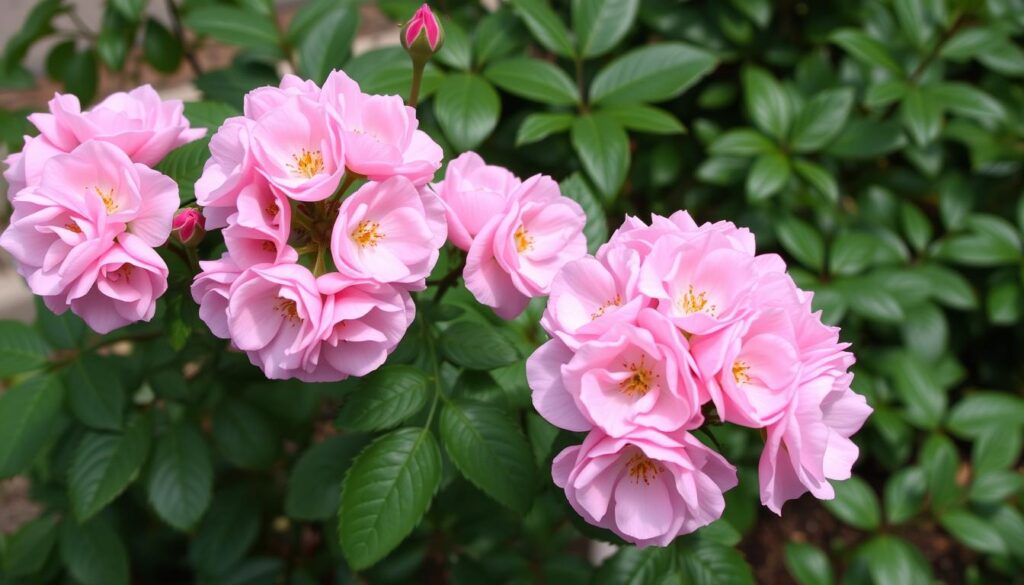
In the world of roses, few varieties combine charm, resilience, and compact growth quite like ‘The Fairy’ rose. This delightful shrub rose, with its clusters of dainty pink blooms, has been enchanting British gardeners since its introduction in 1932. Perfect for small gardens, patio containers, or as a flowering border, The Fairy rose delivers dollhouse-sized blooms with surprising vigor and an exceptionally long flowering season.
Whether you’re tending a modest urban balcony or seeking to add cottage-garden charm to limited spaces, this versatile little rose proves that spectacular garden displays don’t require sprawling landscapes. Let’s explore why The Fairy rose has maintained its popularity among UK gardeners for nearly a century.
Key Features of The Fairy Rose
The Fairy rose (Rosa ‘The Fairy’) belongs to the Polyantha class of roses, known for their prolific flowering and compact growth habits. This particular variety has earned the prestigious RHS Award of Garden Merit, confirming its exceptional performance in UK gardens. Here’s why it deserves a place in your garden:
Outstanding Disease Resistance
Unlike many roses that succumb to common ailments, The Fairy rose demonstrates remarkable resistance to black spot, rust, and powdery mildew. This natural resilience makes it an excellent low-maintenance option for busy gardeners or those new to rose cultivation. Even in the variable UK climate, it maintains healthy, glossy foliage throughout the growing season.

Exceptional Blooming Period
One of The Fairy rose’s most impressive qualities is its extended flowering season. In UK gardens, it typically begins flowering in June and continues well into October, often until the first frosts. The small (2.5cm across), very double pink flowers appear in generous sprays, creating waves of color that fade to a soft blush white in strong summer sun.
Compact Growth Habit
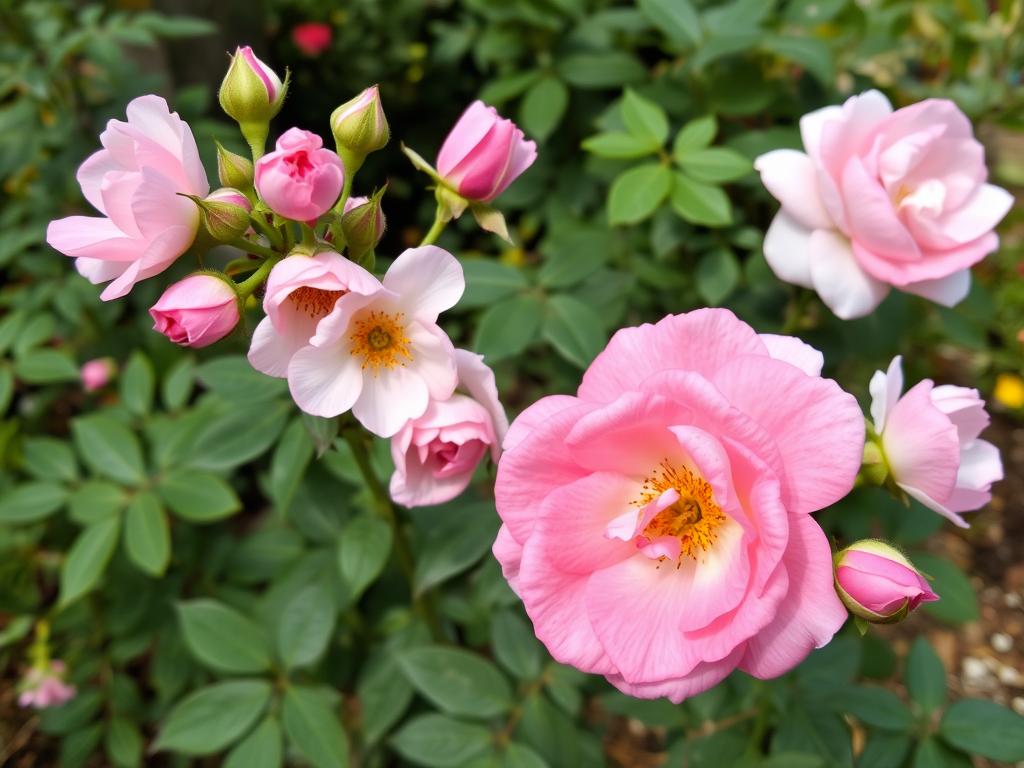
With a maximum height of around 60-90cm (2-3ft) and a similar spread, The Fairy rose is perfectly proportioned for smaller spaces. Its lush, spreading shape creates a fan-like growth pattern that softens hard landscaping edges and works beautifully in containers. The dense growth also makes it an excellent choice for low hedging or border edging.
Wildlife-Friendly Benefits
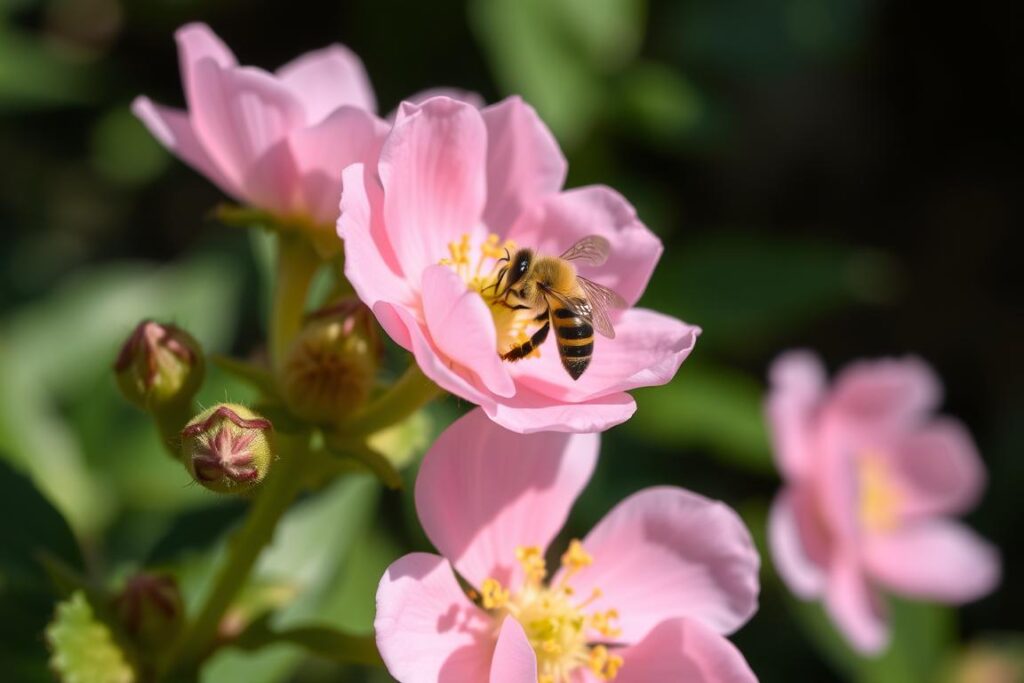
While The Fairy rose offers only a subtle sweet scent, its abundant blooms provide valuable nectar sources for pollinators. Bees and butterflies are frequent visitors during the long flowering period, making this rose a wildlife-friendly addition to any garden. The dense growth also provides shelter for beneficial insects.
Complete Care Guide for The Fairy Rose
One of the main attractions of The Fairy rose is its relatively undemanding nature. However, following these care guidelines will help ensure your rose thrives and produces abundant blooms year after year.
Planting Your Fairy Rose
The Fairy rose performs best in well-draining soil with at least 4-6 hours of sunlight daily, though it tolerates partial shade better than many roses. In the UK, it’s suitable for east, south, or west-facing positions and adapts to most soil types, including chalk, clay, loam, and sand.
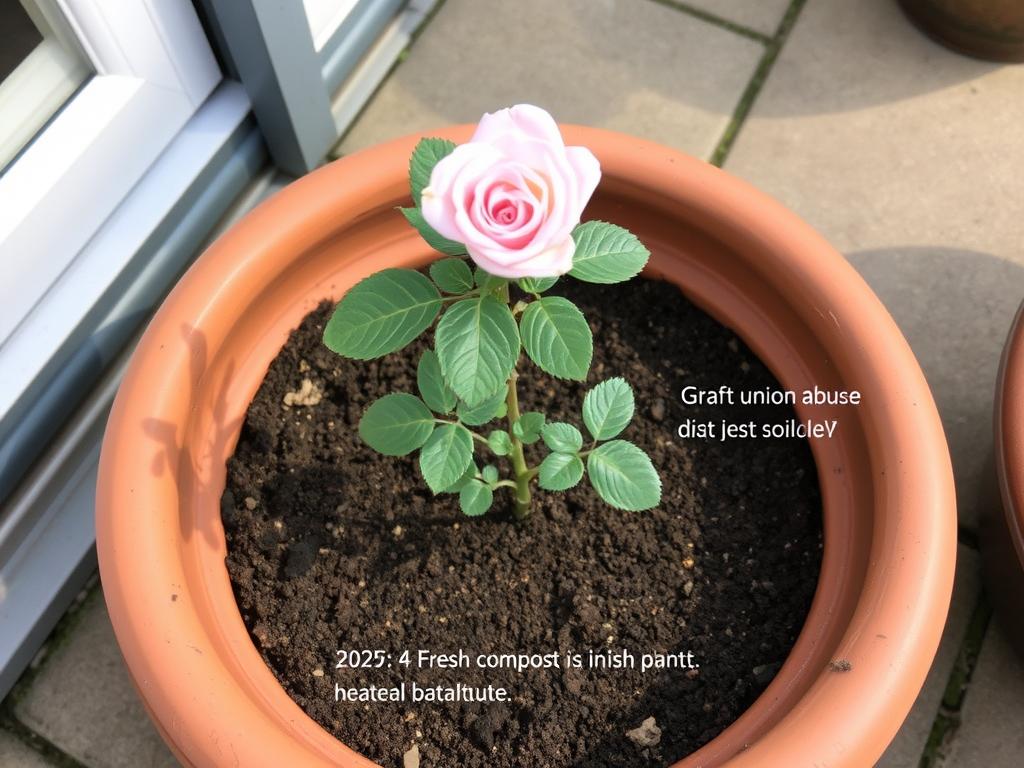
For container planting, choose a pot at least 30-40cm in diameter with good drainage holes. Use a high-quality, rose-specific compost or a loam-based compost mixed with well-rotted manure or garden compost.
Watering and Feeding
Container-grown Fairy roses require more frequent watering than those planted in the ground. During dry spells, water deeply once or twice a week rather than providing frequent shallow watering. Always water at the base of the plant to avoid wetting the foliage, which can encourage fungal diseases.
For optimal flowering, apply a rose-specific fertilizer in early spring when growth begins (usually March in most UK regions) and again after the first flush of flowers (typically early July). A slow-release fertilizer works well for container specimens.
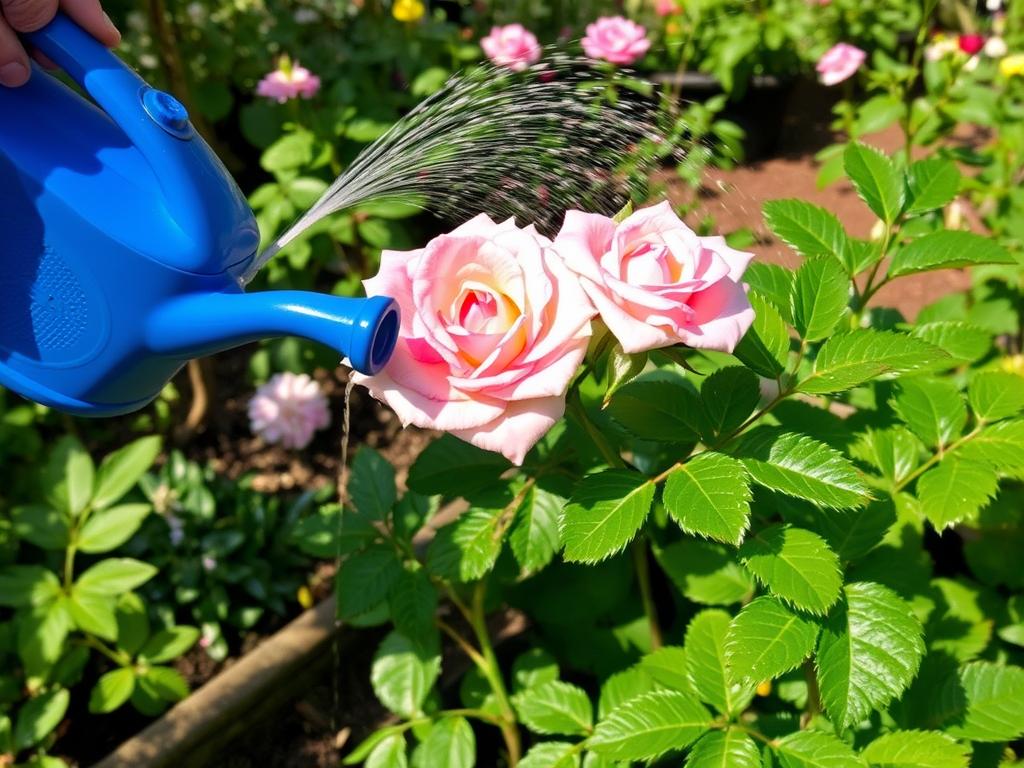
Pro Tip: Pair The Fairy rose with blue-toned salvias for a fairy-tale contrast that enhances the delicate pink blooms and creates a stunning visual display throughout summer.
Pruning and Deadheading
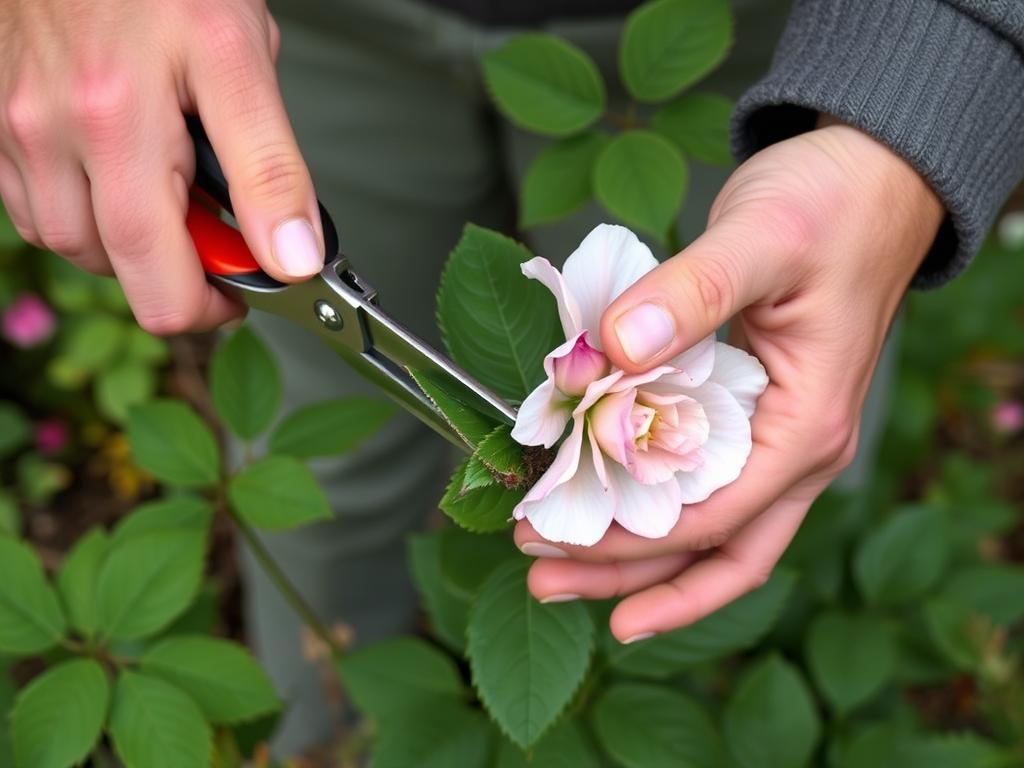
The Fairy rose requires minimal pruning compared to many rose varieties. In late winter or early spring (February-March in the UK), simply remove any dead, damaged, or crossing stems and reduce the overall height by about one-third to encourage bushy growth.
Regular deadheading throughout the flowering season encourages continuous blooms. Rather than removing individual spent flowers, wait until an entire spray has finished, then cut back to the first set of five leaflets below the flower cluster.
Winter Care
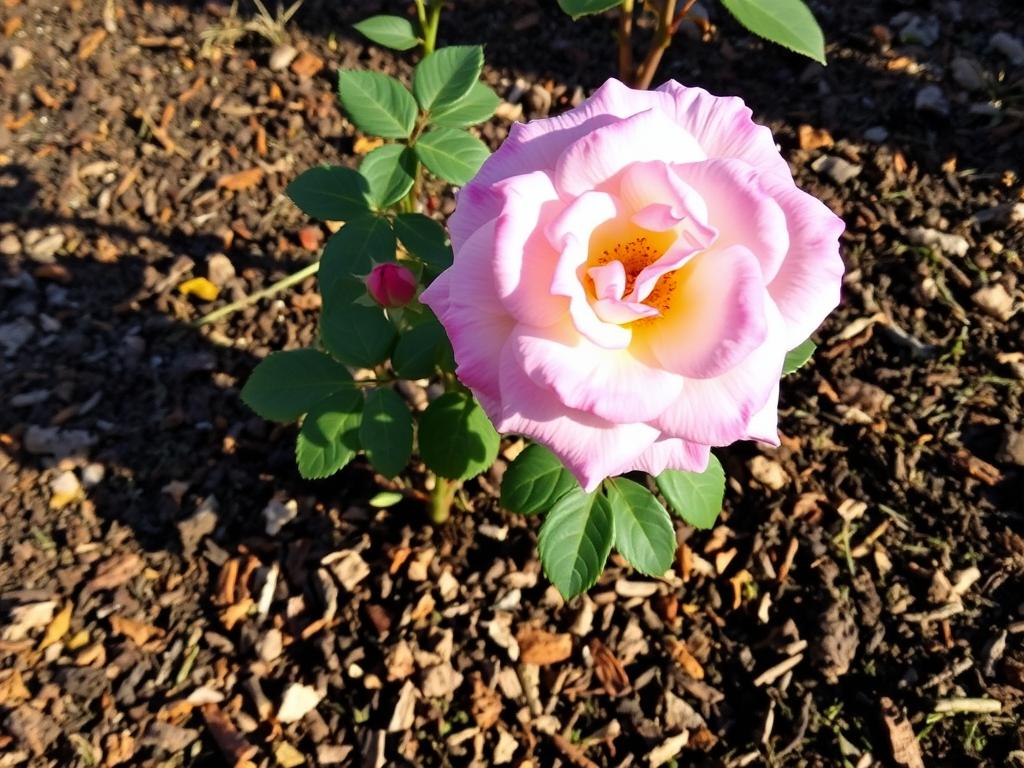
The Fairy rose is hardy throughout the UK (RHS hardiness rating H6), so requires minimal winter protection in most areas. For ground-planted specimens, apply a 5-7cm layer of garden compost, well-rotted manure, or bark chips around the base in late autumn to protect the roots.
Container-grown plants benefit from raising the pot on feet during winter to improve drainage and prevent waterlogging. In particularly exposed or northern locations, consider moving containers to a sheltered spot against a house wall.
When is the best time to plant The Fairy rose in the UK?
Bare root Fairy roses should be planted between November and March when the plants are dormant. Potted specimens can be planted year-round, provided the ground isn’t frozen, waterlogged, or extremely dry. Autumn planting (September-November) often gives the best results as it allows roots to establish before the growing season.
How often should I replace my Fairy rose?
With proper care, The Fairy rose can thrive for 15-20 years or more. Unlike some modern roses that decline after a few seasons, this variety maintains its vigor and flowering capacity for many years, making it an excellent long-term garden investment.
Perfect Companion Plants for The Fairy Rose
The right companion plants can enhance The Fairy rose’s beauty while creating a harmonious garden display. Here are some excellent planting partners that complement this charming rose in UK gardens:
Lavender

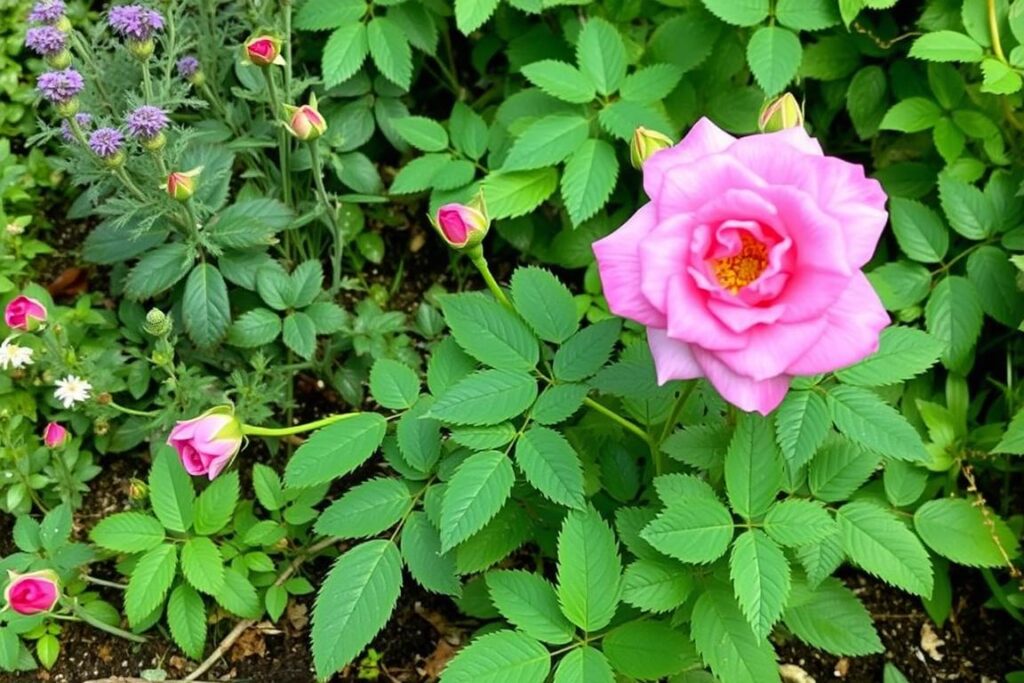
English lavender (Lavandula angustifolia) provides the perfect textural contrast to The Fairy rose. Its spiky purple blooms and silvery foliage complement the soft pink flowers, while its strong fragrance adds another sensory dimension. Both plants thrive in similar well-drained conditions and are relatively drought-tolerant once established.
Hardy Geraniums
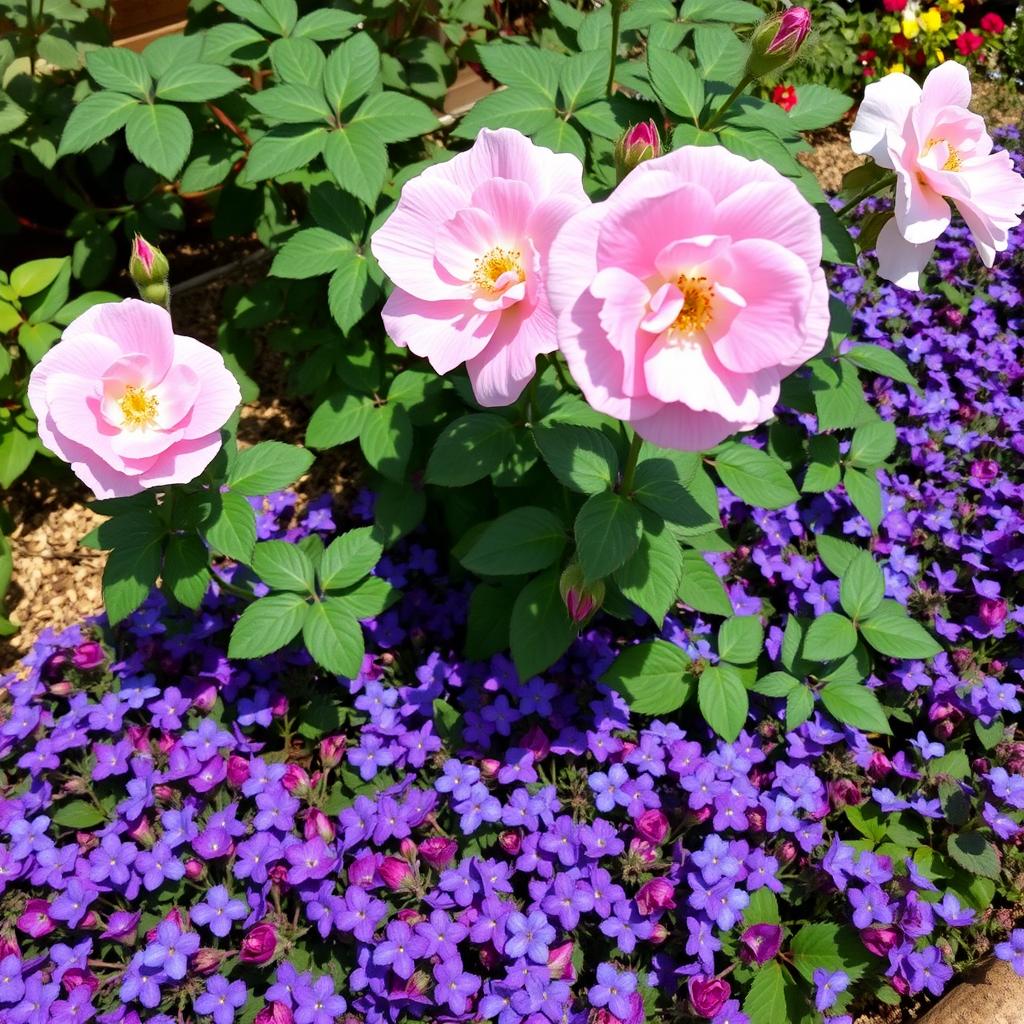
Hardy geraniums like ‘Rozanne’ or ‘Johnson’s Blue’ create a beautiful color echo with their blue-purple flowers that highlight the pink of The Fairy rose. These low-growing perennials make excellent ground cover beneath the rose, suppressing weeds and covering the sometimes bare lower stems of the rose.
Nepeta (Catmint)

Nepeta varieties like ‘Walker’s Low’ or ‘Six Hills Giant’ create a beautiful spill-over effect when planted in front of The Fairy rose. Their soft blue-purple flowers and aromatic grey-green foliage complement the pink roses perfectly. Catmint also attracts beneficial pollinators to the garden.
Wildlife Bonus: The combination of The Fairy rose with lavender, geraniums, and nepeta creates a pollinator paradise that will attract bees, butterflies, and other beneficial insects to your garden throughout the summer months.
For those with a cottage garden aesthetic, consider adding the vertical accent of foxgloves (Digitalis) behind The Fairy rose for early summer interest, or the structural globes of alliums for late spring color before the rose begins its flowering season. Both create striking textural contrasts with the rounded form of The Fairy rose.
In rural gardens, it’s worth noting that The Fairy rose, like most roses, is relatively deer-resistant due to its thorny stems and is rarely troubled by rabbit damage, making it a practical choice for countryside settings where wildlife pressure can be challenging.
Why Choose The Fairy Rose for Your UK Garden
The Fairy rose exemplifies how big garden magic can come in small packages. Its combination of compact size, disease resistance, and exceptionally long flowering period makes it an outstanding choice for UK gardeners working with limited space.
Whether gracing an urban balcony in a decorative container, softening the edges of a country cottage border, or creating a low-maintenance flowering hedge, this versatile little rose delivers beauty and reliability season after season. With minimal care requirements and maximum visual impact, The Fairy rose proves that you don’t need extensive gardening experience or space to enjoy the classic beauty of roses.