
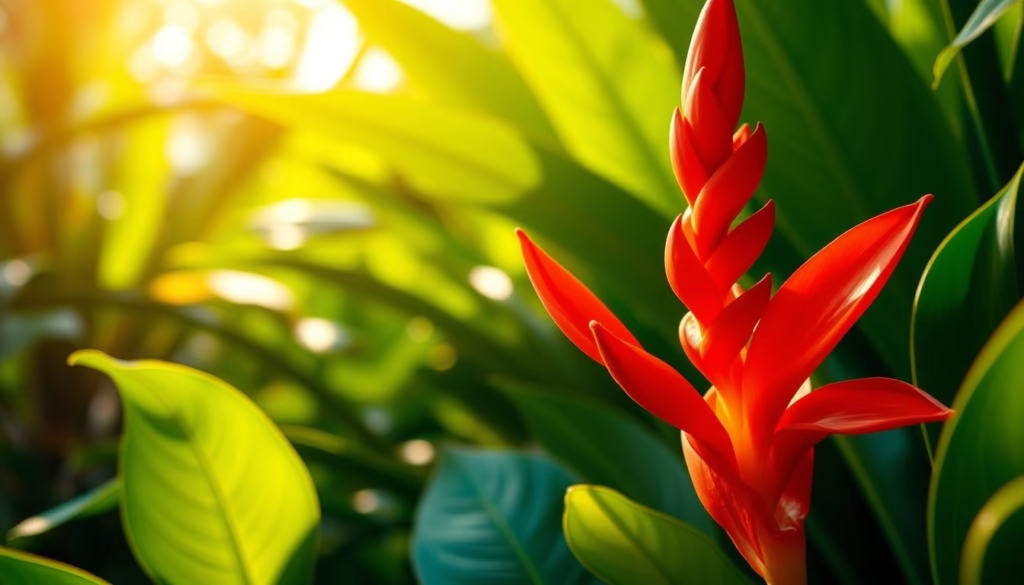
Ever thought of turning your garden into a tropical paradise with just one plant? The Torch Ginger, or Etlingera elatior, is a stunning choice. It’s not just beautiful; it also needs special care. Knowing how to care for it is key to making it thrive in your garden.
This guide will cover everything you need to know about torch ginger care. We’ll look at its unique features and the best ways to keep it growing well. Are you ready to learn how to grow Etlingera elatior and keep it healthy?
For more on different types of flowering ginger, check out this resource.
Key Takeaways
- Torch Ginger can grow impressively tall, adding a dramatic effect to your garden.
- Full sun and partial shade are ideal for the plant’s health.
- Understanding the specific soil and watering needs is key for optimal growth.
- Regular maintenance, including pruning, boosts the plant’s vibrancy.
- Culinary uses of the flowers add an interesting twist to your cooking.
What is Torch Ginger?
Torch ginger, known as Etlingera elatior, comes from the tropical forests of Malaysia and Indonesia. It loves humid places, making it perfect for gardens. Learn more about it in the torch ginger overview and see its impressive height and beautiful flowers.
Overview of Etlingera Elatior
This plant is known for its tall, cone-shaped flowers in colours like pink, red, and white. The shiny petals smell great and are safe for people and pets. It’s not toxic.
Unique Features of Torch Ginger
Torch ginger brings a tropical feel to any garden. It grows well in zones 9a to 11b, making it versatile. It’s great for gardens and flower arrangements, adding beauty and joy.
| Characteristic | Description |
|---|---|
| Scientific Name | Etlingera elatior |
| Common Name | Torch Ginger |
| Height | 5-6 metres |
| Flower Colours | Pink, Red, White |
| Toxicity | Non-toxic to humans and pets |
| USDA Hardiness Zones | 9a-11b |
Ideal Growing Conditions
To grow torch ginger well, knowing its needs is key. The right climate, soil, and light are important for its health and growth.
The Perfect Climate for Torch Ginger
Torch ginger loves warm, humid places. It grows best in USDA zones 10-11, where nights stay above 10°C. A steady, warm, and moist climate is best for it to thrive. Weather that changes too much can slow it down.
Soil Requirements
Soil that drains well and is rich in organic matter is best for torch ginger. It prefers a pH of 5.5 to 7.5. Soil that holds moisture but doesn’t get too wet is important for healthy roots.
Light Preferences
Light is vital for torch ginger’s growth. It does well in partial shade, like its natural home. This protects it from too much sun while giving it enough light for photosynthesis. Finding this balance helps it grow strong and bloom beautifully.
Planting Torch Ginger
Starting with the right timing and techniques is key to growing torch ginger. Each step is important for the plant’s health and beauty. Knowing when to plant and how to do it right can make a big difference.
Choosing the Right Time to Plant
Plant torch ginger in the warmer months when it’s over 15°C. This avoids frost damage and helps it grow well. Also, pick a time with expected rain to help with watering.
Proper Planting Techniques
Preparation and soil choice are vital for planting torch ginger. Dig holes 30 cm deep and space them 1 to 1.5 metres apart. This allows for growth. Use large containers for easier care.
A mix of garden soil and organic compost is best. It keeps moisture right and prevents waterlogging. Follow these steps for a beautiful torch ginger display.
Watering Your Torch Ginger
Watering your torch ginger plants right is key to their health. Knowing how much water they need helps keep the soil just right. It’s important to check the soil often, more so when it’s dry.
Best Practices for Watering
Here are some tips for watering your torch ginger:
- Water deeply to reach the roots.
- Check the soil moisture, often in hot weather.
- Use a soil mix that drains well to avoid waterlogging.
- Keep the soil moist but not too wet.
Signs of Overwatering and Underwatering
Watch out for signs that your torch ginger might not be getting the right amount of water:
- Overwatering: Look for yellow leaves and root rot. Leaves might feel soft and wilted.
- Underwatering: Wilting leaves, browning edges, and dry soil top layers mean it’s too dry.
Feeding Your Torch Ginger
It’s vital to give your torch ginger the right nutrients for its growth and blooms. Knowing the best fertilisers for it can greatly improve its health. A good feeding schedule is key to your plant’s success.
Recommended Fertiliser Types
Your torch ginger needs a fertiliser high in potassium. A slow-release fertiliser for tropical plants is perfect. It feeds your plant slowly, avoiding burn and promoting growth. Here are some top picks:
- Osmocote Plus Tropical Plant Food
- Miracle-Gro Water Soluble All-Purpose Plant Food
- Fish Emulsion Fertiliser
Remember, the best fertiliser should match the torch ginger fertilizing tips you follow. This ensures your plant grows well and blooms brightly.
Feeding Schedule for Optimal Growth
Feeding your torch ginger often is key during its growing season. Apply fertiliser every 6 to 8 weeks. Start in early spring and keep going through summer. Soil tests can help adjust as needed. This balance will keep your plant healthy and its blooms stunning.
Pruning and Maintenance
Keeping your torch ginger plant healthy means knowing how to prune it right. With the best torch ginger pruning tips, your plants will look great and stay strong. Pruning helps with growth, air flow, and keeps diseases away. Here’s how to prune and care for your torch ginger effectively.
When and How to Prune
Prune your torch ginger after it has flowered. This helps new shoots and flowers grow. Start by cutting off dead or damaged leaves with clean, sharp shears. Make sure to cut at an angle to help the plant heal and avoid water pooling.
Removing Dead or Diseased Leaves
Check your torch ginger often for disease or decay. Taking out sick leaves is key to keeping your plant healthy. Throw away the clippings to avoid pests. Also, keep the area around your plant clean to prevent pests.
| Task | Frequency | Comments |
|---|---|---|
| Pruning | After flowering | Encourages new growth |
| Inspecting for disease | Monthly | Essential for early detection |
| Cleaning surrounding area | Every few weeks | Prevents pest infestations |
By following these steps, your torch ginger will stay beautiful for a long time. Sticking to these torch ginger pruning tips will make your plants flourish all year round.
Pest Management
Keeping your torch ginger healthy is key, as pests can harm it. Regular checks and quick action can prevent damage. Watch your plants closely for signs like curled leaves or colour changes.
Common Pests Affecting Torch Ginger
Here are the main torch ginger pests you might face:
- Aphids: These small insects suck plant sap, causing leaves to curl and grow poorly.
- Spider Mites: You’ll see fine webs and yellowing leaves if these tiny pests are around.
- Mealybugs: Their white, cottony look is a sign of a problem. They weaken plants by sucking sap.
- Whiteflies: Look for sticky leaves and tiny white bugs flying around to spot these pests.
Organic Pest Control Methods
Using natural methods can keep your torch ginger safe and the environment healthy. Here are some good options:
- Neem Oil: It stops pests from reproducing without harming your ginger.
- Insecticidal Soap: This safe choice kills soft-bodied pests like aphids and mealybugs.
- Regular Inspections: Keep your plants clean and check for pests often. For more tips, see this resource.
Using these organic methods helps protect your torch ginger from pests. Stay alert and take action early to keep your plants thriving.
Dealing with Diseases
Keeping your torch ginger plants healthy is key, as they can get sick. Diseases like root rot and leaf blight often happen when plants get too much water. Spotting these problems early is important to keep your plants thriving.
Identifying Common Diseases
Root rot makes roots soft. If your plant’s leaves are wilting or yellow, and its roots are mushy, it might have root rot. Leaf blight shows up as dark spots on leaves, harming your plant’s look and health. Check your plants regularly to catch these diseases early.
Preventative Measures
Preventing diseases in torch ginger plants can save you a lot of trouble. Here are some ways to keep your plants healthy:
- Make sure your plants have good drainage to avoid waterlogged soil.
- Don’t overcrowd your plants to help air circulate and prevent leaf blight.
- Water them right. Learn to spot when you’re watering too much.
- Use organic fungicides to fight off fungal infections.
Learning about these prevention tips will help protect your plants from common diseases. This way, you can enjoy their beauty for many years.
Propagating Torch Ginger
Expanding your torch ginger collection is exciting. You have two main ways to do this: torch ginger seed propagation or rhizome division. Rhizome division is often better because it makes plants just like the parent. Seed propagation, on the other hand, needs patience and careful attention to growing conditions.
Seed vs. Rhizome Propagation
Choosing the right method depends on what you prefer. Rhizome division is reliable and keeps the plant’s traits. Seed propagation, while slower, can be rewarding if done right. Soaking seeds in water overnight can help them grow better.
Step-by-Step Propagation Guide
Here’s how to propagate torch ginger effectively:
- Rhizome Division:
- Dig up a mature torch ginger clump.
- Use a sharp spade to separate it, keeping the roots whole.
- Plant the separated parts in good spots and water well.
- Seed Propagation:
- Soak seeds in water overnight to boost germination.
- Plant them 1/2 inch deep in seed-starting mix.
- Keep the soil moist and in a warm, sunny spot.
- Germination should happen in three to four weeks.
Using these torch ginger propagation methods lets you grow many plants. You can choose the easier rhizome division or the more challenging seed method.
Harvesting Torch Ginger
Harvesting torch ginger can be very rewarding. It’s important to know when and how to do it right. This way, you get the best blooms and keep the plant healthy. Here are some key tips for a great harvest.
When to Harvest
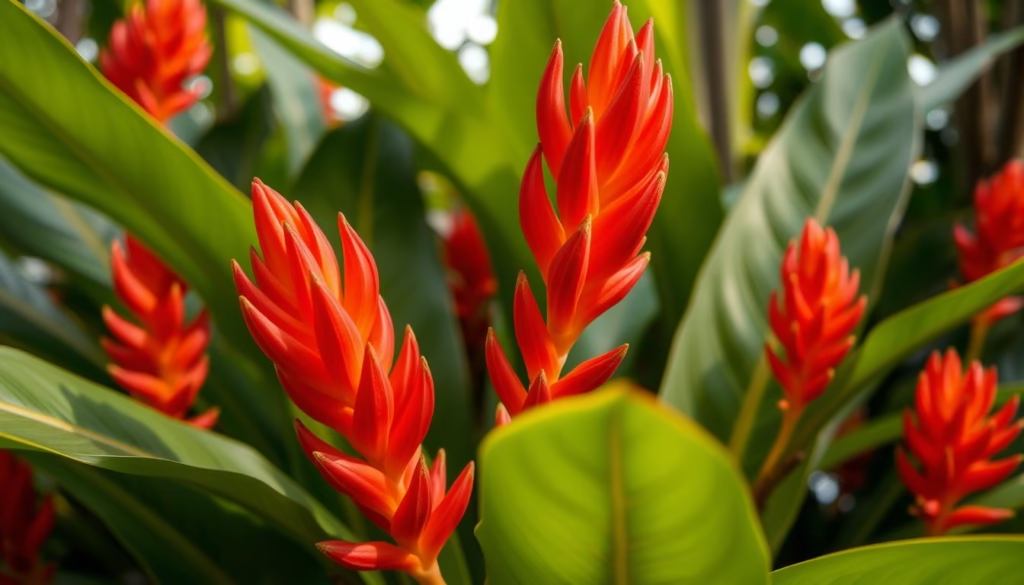
The best time to pick torch ginger is when the flowers are half open. This ensures they last longer in a vase. Watch the flowers’ colour and texture to know when to pick.
How to Harvest Properly
Use clean, sharp shears to cut the torch ginger. This method helps the plant grow back. Make sure some leaves stay on the stalk. This helps the plant keep growing and stay healthy.
Using Torch Ginger in the Kitchen
Torch ginger is more than a pretty face in your garden. It’s a key player in Southeast Asian cooking. Its buds, flowers, and rhizomes add unique flavours and health perks. Find out how to bring this exotic plant into your kitchen.
Culinary Uses of Torch Ginger
Torch ginger is a kitchen superstar. Its flower buds add a fragrant taste to dishes. The rhizomes, sliced thin, add zest to salads or soups. Here are some ways to enjoy it:
- Add the flower petals to rice dishes for a pop of colour and flavour.
- Use the rhizomes in stir-fries to enhance the dish’s overall aroma.
- Infuse oils or vinegars with torch ginger for a unique dressing.
- Mix the fresh petals into desserts or beverages for an exotic touch.
Health Benefits of Torch Ginger
Torch ginger is not just tasty; it’s also good for you. It’s packed with flavonoids and antioxidants. This makes it a natural remedy with several benefits:
- Antimicrobial properties that can help combat infections.
- Anti-inflammatory effects that may ease discomfort.
- These benefits extend to beauty applications, making it suitable for skincare formulations.
Adding torch ginger to your meals boosts both taste and health. Discover more about edible plants and their benefits. Check out this guide on edible flower pest control.
Common Mistakes to Avoid
Starting to grow torch ginger can be very rewarding. Yet, many new growers make a few common mistakes. These mistakes can stop your plant from growing well. One big mistake is not giving it enough space. This can cause the plant to grow poorly and not flower much.
Another big mistake is getting the watering wrong. Too much or too little water can harm your plant. Make sure the soil isn’t too wet or too dry. Also, using the wrong fertiliser can hurt your plant’s growth. Choose a fertiliser made for flowering plants to help your torch ginger grow well.
By avoiding these mistakes, you can help your torch ginger grow strong. Give it enough space, water it right, and use the right fertiliser. With the right care, your Etlingera elatior will grow beautifully and reward you with its exotic look.