Ever thought a single plant could turn your space into a tropical paradise? The Traveller’s Palm, or Ravenala madagascariensis, is more than just a pretty face. It can truly transform your indoor or outdoor space. This guide will teach you everything you need to know to keep this exotic plant thriving.
Learning about the Ravenala madagascariensis’s special needs can make your home feel like a lush tropical oasis. Dive into the details of this unique plant and discover how to care for it. Follow the tips in this guide to ensure your Traveller’s Palm grows strong and healthy. For more detailed care advice, check out this link.
Key Takeaways
- The Traveller’s Palm thrives best with minimal watering—about 0.5 cups every 9 days.
- Place your plant less than 1ft from a south-facing window for optimal light exposure.
- Repot your Traveller’s Palm annually or when it doubles in size to promote healthy growth.
- Ensure your soil is well-draining by including organic matter, perlite, or vermiculite.
- Be cautious of overwatering, as it can cause root rot and yellow leaves.
- Propagation is best achieved through division into new individual plants.
Understanding the Traveller’s Palm: An Overview
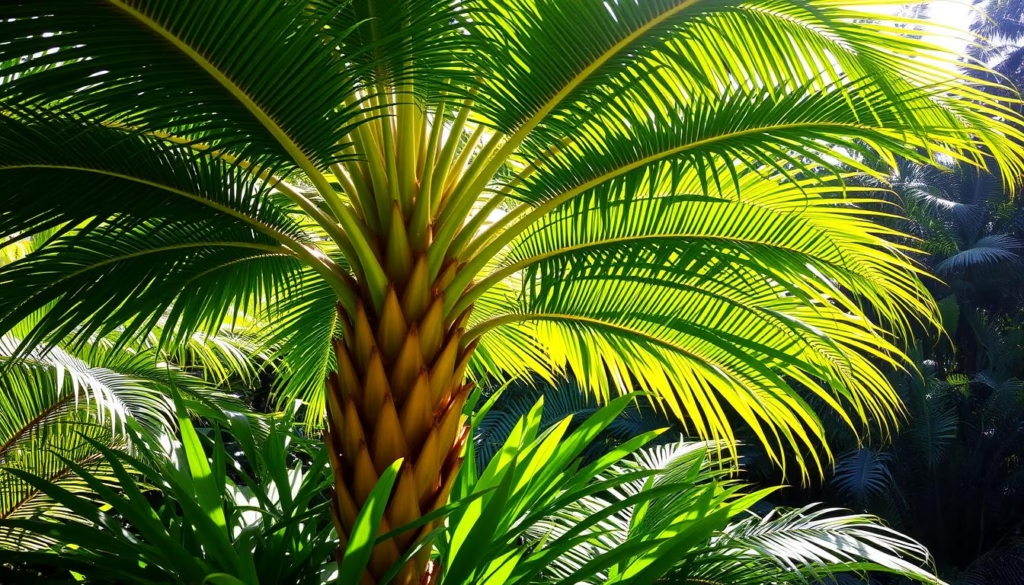
The Traveller’s Palm, known as Ravenala madagascariensis, is often mistaken for a true palm. It has impressive stature and fan-shaped leaves. This plant comes from Madagascar, where it grows well.
What is the Traveller’s Palm?
This plant is not a true palm but belongs to the Strelitziaceae family, like the banana tree. It loves tropical climates and can grow up to 10 metres tall. Its broad leaves create a beautiful canopy, making it great for gardens.
Origin and Habitat
Ravenala madagascariensis is from Madagascar, where it thrives in humid tropical areas. It grows well in different soils and near water. This helps it reach its full size and strength. It supports local wildlife by providing shelter and food.
Unique Features and Benefits
The Traveller’s Palm has many special features. Its leaves can hold rainwater, showing how it adapts to its home. It also has small white flowers all year, with fruits that attract birds. These traits make it beautiful and good for the environment.
Ideal Growing Conditions for Your Traveller’s Palm
The Traveller’s Palm does best when it has the right conditions. It needs specific things like light, soil, and environment to grow well. This plant is versatile but depends on these factors to thrive.
Light Requirements
For the Traveller’s Palm, bright, indirect sunlight is best. It can handle partial shade, but young plants need some protection. This helps them grow strong without getting burned by too much sun.
Soil Preferences
The Traveller’s Palm loves a rich, well-draining soil mix. Adding topsoil with organic peat moss or perlite is perfect. This mix stops water from pooling and helps the plant grow strong and healthy.
Temperature and Humidity
When growing your Traveller’s Palm, watch the temperature and humidity closely. It prefers a warm, humid environment between 18°C and 25°C. It’s sensitive to frost and cold, so keep it sheltered. Mist the plant regularly or use a humidifier to keep the air moist.
Knowing these key needs will help your Traveller’s Palm thrive. For more specific care tips, check out online resources.
Planting Your Traveller’s Palm: Step-by-Step
Starting to plant your Traveller’s Palm is exciting. Knowing the basics is key to success. From picking the right spot to learning how to plant, each step is important for your plant’s health.
Choosing the Right Location
Find a big, open area for your plant to grow. It needs lots of sunlight and air. Make sure it’s at least 2-3 metres away from buildings or other plants.
A spot that protects it from strong winds is best. This helps it grow strong and healthy.
Preparing the Soil
Before planting, make the soil rich in nutrients. Mix in compost to improve drainage and add nutrients. Terracotta pots are great because they drain well, helping your plant thrive.
Planting Techniques
Start by placing the root ball in the soil, making sure it’s level. Water well after planting to help the roots settle. Paying close attention to these steps will help your plant grow well.
By following these tips, you’ll create a great home for your Traveller’s Palm. For more tips on plant care, check out this resource. Enjoy watching your plant grow and flourish.
Watering Your Traveller’s Palm: Tips and Tricks
Keeping the right moisture level is key for your Traveller’s Palm. It’s a balance between moist soil and avoiding too much water. Paying close attention to your plant’s needs will help it grow strong and healthy.
How Often to Water
Watering your Traveller’s Palm right is important. Water it when the top inch of soil feels dry. This lets the roots get the water they need without rotting.
In cooler months, you can water less often. This is because the plant needs less water then. Knowing these changes is part of good Traveller’s Palm watering tips.
Signs of Underwatering or Overwatering
Watch for underwatering and overwatering signs to keep your plant happy. Wilting leaves and brown tips mean it’s thirsty. On the other hand, yellow leaves and root rot are signs of too much water.
Check the soil moisture regularly. This helps you adjust your watering to keep your palm strong and healthy. For more tips, see this resource on Traveller’s Palm watering.
Fertilising: Keeping Your Plant Healthy
To keep your Traveller’s Palm healthy, a good fertilisation routine is key. Knowing the best fertilisers for your plant is vital. Use a balanced, water-soluble fertiliser during the growing season.
Fertilise your plant every two to three months. This is most important in spring and summer.
Best Types of Fertilisers
Choose fertilisers rich in nitrogen, phosphorus, and potassium. These nutrients help your plant grow strong and green. Look for fertilisers made for palm plants.
Brands like Miracle-Gro and Osmocote are good choices. For more information, check out specific care guides.
When and How to Fertilize
Knowing when to fertilise is important. Fertilise in spring and summer when it’s warmer. Don’t fertilise in autumn and winter when the plant is dormant.
Before fertilising, check your plant. Remove any dead or yellow leaves to help new growth. Clean the leaves with a damp cloth to keep them looking good.
Pruning and Maintenance for Optimal Growth
Keeping your Traveller’s Palm healthy means using the right pruning techniques. Pruning boosts the plant’s look and helps it grow well. The best time to do this is in spring, when new growth starts.
At this time, take off any dead, damaged, or frayed leaves. This step helps air move better around the plant. It makes the plant healthier and more vibrant.
When to Prune
Finding the perfect time to prune your Traveller’s Palm is key. Spring is the best time, as the plant starts to grow. This is when you can remove old leaves, making room for new ones.
Keep an eye on your plant all year. This will help you know when it needs a trim.
Techniques for Healthy Growth
Choosing the right tools is important for pruning your Traveller’s Palm. Always use clean, sharp tools to avoid spreading diseases. Here are some helpful tips:
- Make clean cuts to avoid damaging the plant.
- Remove entire fronds if they are entirely dead or yellowing.
- Trim off any frayed edges, as this enhances the overall aesthetic.
- Dust the leaves with a damp cloth regularly to improve appearance and reduce pest issues.
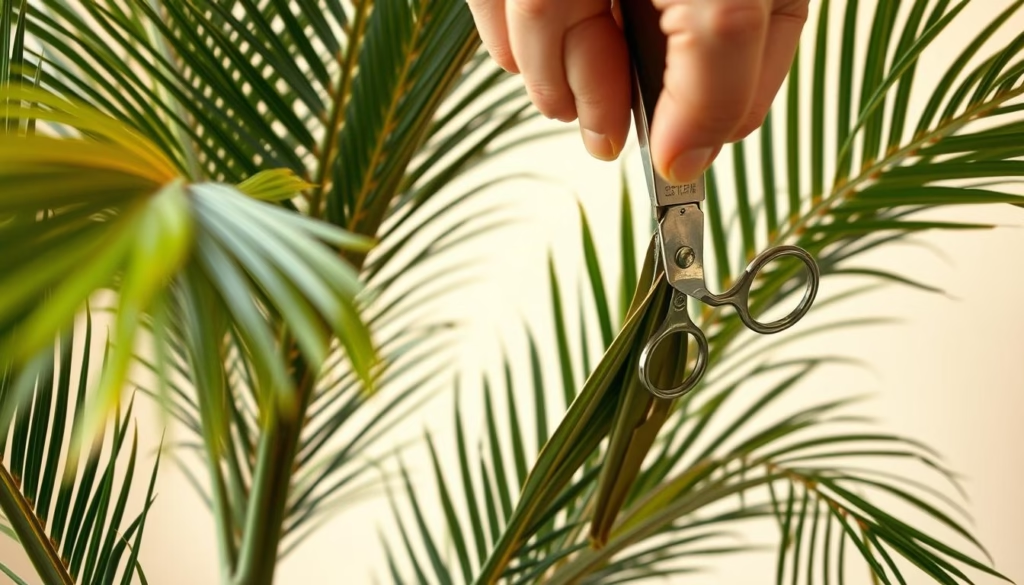
Using these methods will help your Traveller’s Palm grow well. Regular pruning keeps your plant healthy and makes your garden thrive.
Pest and Disease Control: Protect Your Plant
The Traveller’s Palm is quite resilient but can face a few pests. Knowing how to spot these pests and treat them is key. By using the right pest control, your plant can stay healthy and thrive.
Common Pests and How to Identify Them
Spotting pests on your Traveller’s Palm is a must. You might see:
- Mealybugs: These look like white, cottony clumps on leaves, often in leaf axils.
- Spider Mites: Tiny and hard to see, they can turn leaves yellow and create webs if there’s a lot of them.
- Scale Insects: These small bumps on stems or leaves can suck sap and weaken your plant.
Effective Treatment Options
Acting fast is important once you spot pests. Organic treatments are best for keeping your plant safe. Here are some options:
- Neem Oil: This natural pesticide stops pests from reproducing and is safe for your plant.
- Insecticidal Soap: This non-toxic solution kills pests on contact, great for mealybugs and spider mites.
- Regular Inspections: Check the undersides of leaves often to catch pests early and control them better.
To avoid pests, make sure your plant has good air flow and keep its area clean. This can help prevent pest problems.
| Pest | Identification | Treatment |
|---|---|---|
| Mealybugs | Cottony white masses on leaves | Neem oil or insecticidal soap |
| Spider Mites | Yellowing leaves and fine webbing | Insecticidal soap; keep humidity high |
| Scale Insects | Small, brownish bumps on stems | Neem oil; gently scrub off with a cloth |
Propagation Methods for the Traveller’s Palm
Propagating Traveller’s Palm is fun and rewarding. You can grow more plants or share them with friends. There are two main ways: seed propagation and offsets division. Knowing these methods is key to success.
Seed Propagation
Start seed propagation by soaking seeds in water for hours. This boosts their chance of growing. Then, plant them in rich, moist soil.
Germination is slow, so be patient. Keep the soil moist but not too wet. This helps the seeds grow well.
Offsets and Division Techniques
Offsets division is another great way to grow Traveller’s Palm. Carefully separate shoots from a mature plant, making sure the roots stay attached. Use a sharp tool to avoid damage.
Plant the offsets in good soil, giving them enough room to grow. This method creates new plants that do well with the right care. You’ll soon have more of these beautiful plants in your garden.
| Propagation Method | Steps Involved | Time to Maturity |
|---|---|---|
| Seed Propagation | Soak seeds, sow in humus-rich soil, keep moist | Up to 6 months |
| Offsets Division | Separate shoots, keep roots intact, replant | 2 to 3 months |
Exploring these methods lets you enjoy Traveller’s Palm in different places. For more tips, check out Botanu.
Seasonal Care Tips for Your Traveller’s Palm
Looking after your Traveller’s Palm all year keeps it healthy and vibrant. Each season has its own needs. Knowing these helps your plant grow well.
Spring and Summer Requirements
In spring and summer, your Traveller’s Palm grows fast. This is when you need to pay extra attention. Water it often to keep the soil moist, as it loves the warm weather and long days.
Use a balanced fertiliser every few weeks to help it grow strong leaves. Make sure the air is humid, which is important if it’s indoors. Also, check for pests regularly to keep it healthy.
Autumn and Winter Care
As autumn comes, your Traveller’s Palm slows down. Now, it’s time for winter care for Traveller’s Palm. Water it less, letting the soil dry a bit between waterings. Stop fertilising, as it rests.
Put it in a warm spot with indirect sunlight. Avoid cold drafts that can harm it. Good care in winter gets it ready for spring.
Enhancing Your Space with the Traveller’s Palm
The Traveller’s Palm is a standout in both indoor and outdoor spaces. It creates a tropical oasis wherever it goes. Pair it with vibrant bromeliads or lush ferns for the best look. These plants not only add beauty but also complement the palm’s unique structure.
Position the Traveller’s Palm in large spaces to show off its height. It can become a focal point, bringing peace to your area. For more ideas, explore layouts that mix form and function. This will make your space lively and vibrant.
To get a cohesive look, mix different textures and colours with the Traveller’s Palm. This will create a welcoming atmosphere, bringing the tropics to your home or garden. For more on tropical garden styling, check out this resource.