Ever thought that letting plants bolt could be a good thing? Many gardeners see it as a sign of neglect. But, it can actually bring many benefits to your garden.
It can increase biodiversity and improve your garden’s health. This happens through better seed production. By letting plants bolt, you can change how you garden for the better.
Key Takeaways
- Bolting is a natural process that can enhance garden health.
- Allowing plants to bolt contributes to seed production for future gardening.
- Embracing bolting can attract beneficial pollinators.
- Certain plants, like leafy greens and herbs, can offer more when allowed to flower.
- Understanding bolting helps you become a more attuned gardener.
What Does It Mean for a Plant to Bolt?
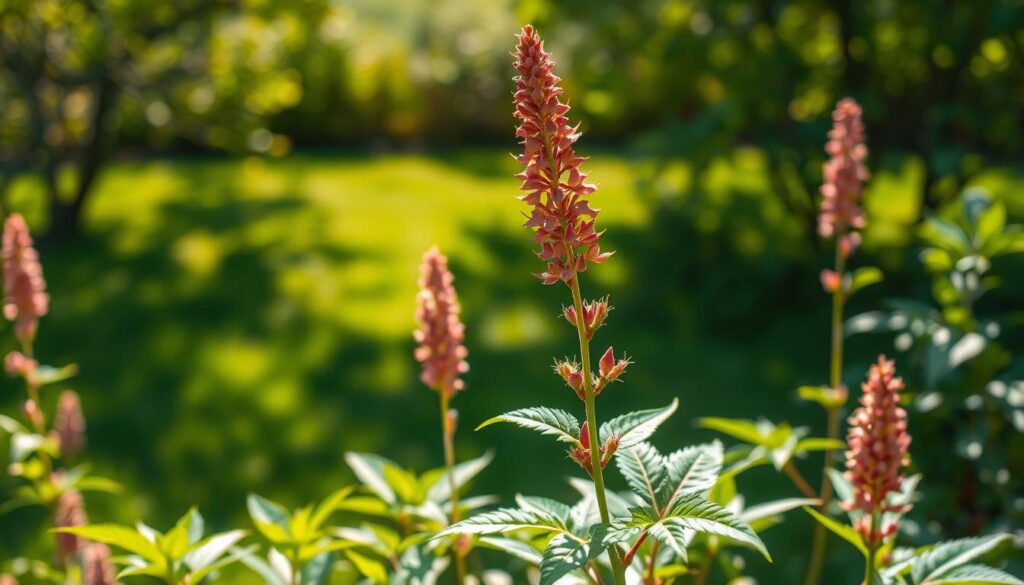
Understanding what it means for a plant to bolt starts with the bolting definition. Bolting is when a plant stops growing leaves and starts making flowers and seeds. This happens because of changes in the environment, like warmer weather and longer days. It’s important to know this for growing herbs and vegetables.
Understanding the Concept of Bolting
The shift to bolting is a natural part of a plant’s life. When it gets warmer and days get longer, plants use their energy to make flowers and seeds. This means they stop growing leaves. Knowing when this happens helps gardeners plan better.
The Life Cycle of Plants
The plant life cycle has stages like germination, growing, flowering, and making seeds. Bolting is when a plant moves from growing to flowering. At this time, the plant focuses on making more plants, which can change how it tastes and feels.
When Does Bolting Occur?
Bolting usually happens in warmer weather, like spring or early summer. It makes plants stop growing leaves and start making flowers and seeds. Knowing when this happens helps gardeners plan their crops better.
Benefits of Allowing Certain Plants to Bolt
Letting some plants bolt in your garden has many benefits. It boosts their nutritional value and attracts good insects. It also means you can harvest seeds for next year’s garden.
Enhanced Nutritional Value
When plants bolt, they become more nutritious. For example, bolted kale and spinach have more vitamins and minerals. This makes them a great addition to your diet.
Attracting Beneficial Pollinators
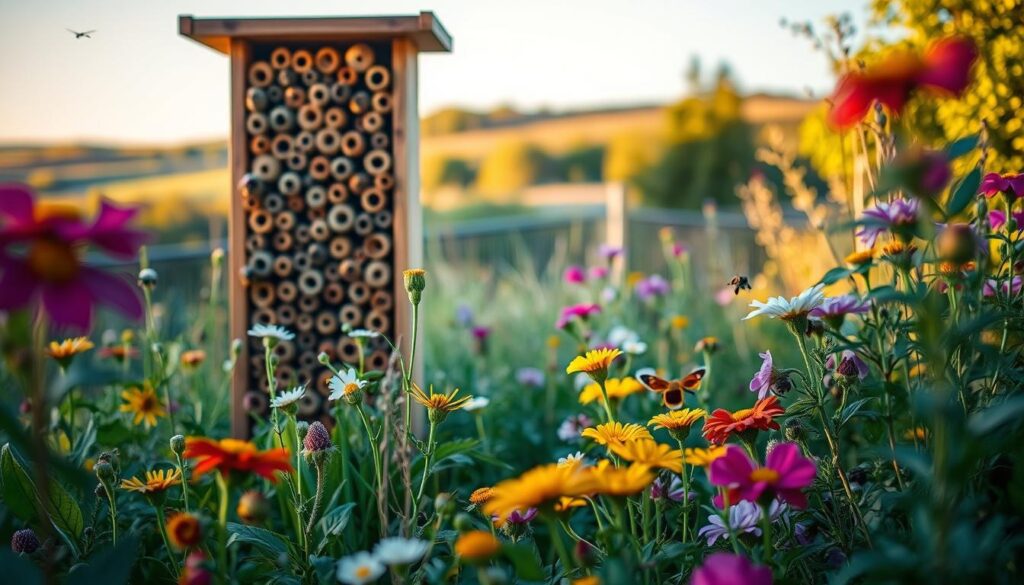
Allowing plants to bolt also attracts pollinators. Bees and butterflies love the small flowers that appear. This helps your garden and the environment.
Seeds for Future Growth
After flowering, you can harvest seeds. This lets you plant them again, saving money and making your garden self-sufficient. For more on bolting and gardening, check out this resource.
| Benefit | Description |
|---|---|
| Nutritional Value | Increased vitamins and minerals in bolted plants. |
| Pollinator Attraction | Flowers draw in beneficial insects like bees and butterflies. |
| Seed Harvesting | Opportunity to collect seeds for future planting. |
Common Plants That Are Worthlet Bolting
In vegetable gardening, some plants bolting can be a good thing. These plants not only look great when they flower but also help with growing herbs and planning your garden. Let’s look at some plants that really come into their own when they bolt.
Leafy Greens Like Lettuce and Spinach
Lettuce and spinach can surprise you by bolting. This makes them produce bright flowers that attract helpful insects. These bolted greens add unique tastes to salads, making them a fun choice for your garden.
Root Vegetables Such as Carrots
Carrots bolting leads to beautiful flowers that attract insects and produce seeds. Letting these plants grow fully enriches your garden. You can use the seeds to grow more, creating a cycle in your garden.
Herbs Including Basil and Coriander
Basil and coriander are great examples of bolt-worthy plants. They add beauty and flavour to your garden. When they flower, they release lovely smells and keep pests away from other plants. Plus, you can use their seeds to grow more herbs next season.
| Plant Type | Benefits of Bolting | Uses |
|---|---|---|
| Lettuce | Attracts pollinators, additional flavours in salads | Harvest seeds, aesthetic flowers |
| Spinach | Enhances diversity, offers hidden flavours | Seed saving, visual appeal |
| Carrots | Supports ecosystem, seed production | Culinary use, future planting |
| Basil | Releases fragrance, pest deterrent | Cooking, seed saving |
| Coriander | Enhances biodiversity, visual interest | Herb uses, seed propagation |
The Science Behind Bolting
Understanding bolting in plants reveals the complex processes that lead to their reproductive phase. Key factors like plant hormones, environmental influences, and genetic variability are vital. They all play a part in this important stage of a plant’s life.
Hormonal Changes in Plants
When plants are about to bolt, certain hormones surge. This signals the start of flowering and seed production. Hormones like cytokinins and gibberellins increase, while auxins decrease. These changes cause plants to grow quickly and elongate certain parts.
The Effect of Environmental Factors
Environmental factors like temperature and day length greatly influence bolting. Many plants need specific temperatures or light levels to start flowering. Warmer temperatures and longer days prompt plants to flower sooner.
Genetic Characteristics
Genetic differences among plants also affect their bolting behavior. Some plants have genes that help them respond quickly to their environment. This genetic makeup shows how plants adapt and survive in their ecosystems.
| Factor | Description | Impact on Bolting |
|---|---|---|
| Plant Hormones | Signalling compounds that regulate growth | Promote flowering and seed formation |
| Environmental Influences | Conditions such as temperature and light exposure | Trigger or delay bolting depending on their intensity |
| Genetic Characteristics | Species-specific traits dictating response to environmental factors | Determine timing and readiness to bolt |
How to Recognise When a Plant Is About to Bolt
Knowing the bolting symptoms helps you watch your garden better. Spotting early signs lets you act before big changes happen. As a gardener, it’s key to keep an eye out for these signs.
Early Sign Indicators
The first signs of bolting show in how plants behave. You might see:
- Thickening stems, which often precedes the emergence of flower stalks
- Changes in leaf colour, transforming from vibrant greens to pale hues
- Textural shifts, with leaves becoming tougher and more fibrous
Changes in Plant Growth Patterns
Subtle plant growth changes also give important clues. If you notice:
- Vertical elongation in stalks, showing the plant’s focus on reaching for light
- A reduction in leaf production, which indicates a shift in energy allocation
- Early flowering, signalling a response to environmental stresses
Watching these signs helps you plan better for harvests. It makes your garden more productive. Knowing about bolting symptoms and how they relate to the environment helps your garden thrive. For more info, check out this resource.
Managing Your Garden During the Bolting Season
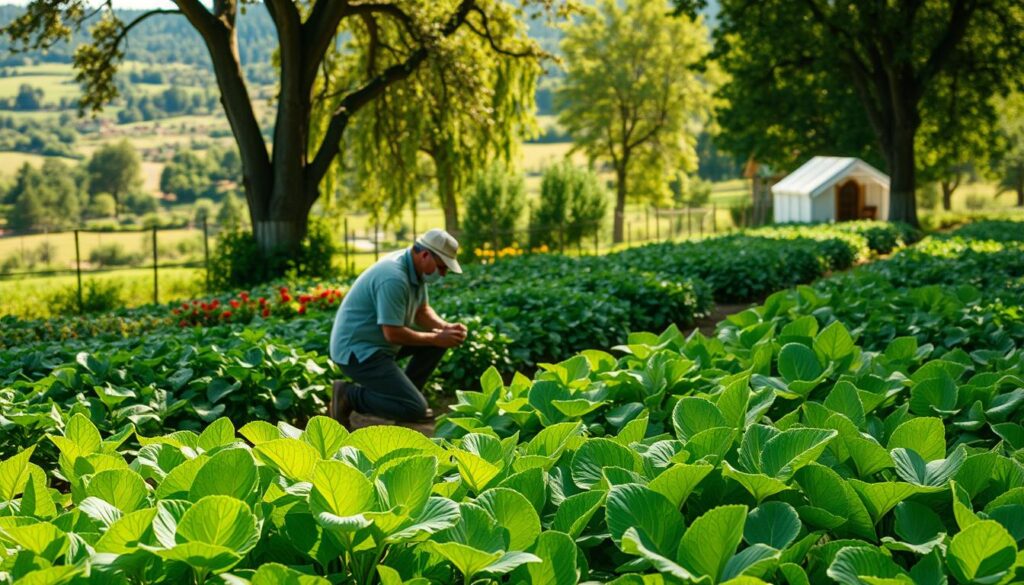
When your plants start to bolt, managing your garden well is key. By using smart pruning, harvesting, and planting together, you can get a good harvest. These steps help your garden stay healthy and strong.
Pruning and Harvesting Strategies
Pruning can make bolted plants work harder. Start by cutting off the flower stalks. This sends energy back to the leaves and roots. It helps your leafy greens and herbs grow better.
When it’s time to harvest, pick both young and old leaves. This way, you get the most from your plants.
Companion Planting Tips
Using companion planting adds life to your garden. Planting bolted plants with marigolds or nasturtiums attracts good bugs and keeps pests away. It’s a smart way to keep your garden balanced and healthy.
Watering Practices
Keeping the soil moist is vital for your plants during bolting. Make sure the soil is damp but not too wet. Mulching helps keep the soil moist and stops weeds from growing.
| Strategy | Benefits |
|---|---|
| Pruning | Redirects energy to leaves and roots |
| Companion Planting | Enhances pollination and pest control |
| Consistent Watering | Supports growth and prevents stress |
Bolting and the Culinary World
Exploring the culinary uses of bolted plants opens a world of unique flavours and creative possibilities. Many chefs and home cooks overlook these flowering ingredients, unaware of the depth they can add to dishes. Embracing bolted plants encourages you to experiment with their delightful flavour profile, making your meals stand out.
Using Bolted Plants in Cooking
Incorporating bolted plants into your cooking can enhance not only flavour but also visual appeal. Numerous bolted plant recipes feature components such as flowering stems and seed heads, which can add a hint of sweetness or a fresh, herbaceous note. Consider adding bolted varieties of broccoli or radish flowers to salads for an unexpected crunch. The petals and shoots not only taste wonderful but lend a striking colour to your dish.
The Flavours of Flower Buds and Seeds
The flavour profile of flower buds and seeds varies greatly, with some offerings peppery undertones while others are more citrusy. For instance, the flowers of both nasturtium and chive can infuse your meals with a pleasant zing, perfect for garnishing soups or enriching dips. Dried seed heads, such as those from coriander, can serve as a robust seasoning, ideal for spicing up dishes. Embracing these edible flowers and seeds enriches your cooking experience and showcases the natural diversity of plants in your garden.
How to Reap The Rewards of Bolted Plants
Getting the most out of bolted plants can really boost your gardening. It’s great for seed saving and making your garden more diverse. By using sustainability practices, you help the environment and keep your garden growing.
Saving Seeds for Future Seasons
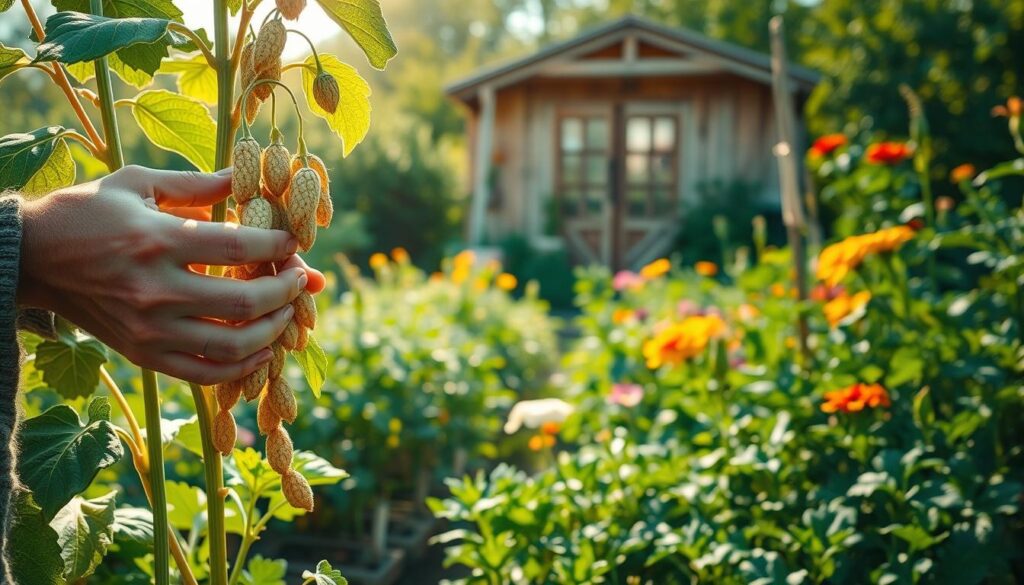
One big plus of letting plants bolt is saving seeds. When plants bolt, they make flowers and seeds. You can use these seeds to plant next year. Here’s how to save seeds:
- Choose healthy, mature plants for seed extraction.
- Allow seeds to dry fully before harvesting.
- Store seeds in a cool, dry place, ideally in paper envelopes or glass jars.
By saving seeds, you keep your garden’s plant varieties alive. This shows your dedication to sustainability.
Creating Diverse Garden Spaces
Having a diverse garden is key for a healthy ecosystem. It’s good for biodiversity and attracts helpful wildlife. Here are some tips for your garden:
- Mix annual and perennial plants to offer year-round benefits.
- Include native species to support local pollinators.
- Rotate crops and introduce companion planting to optimise growth.
These strategies make your garden more lively. They ensure each plant helps the garden’s health. This also supports sustainable gardening.
Final Thoughts on Letting Plants Bolt
Reflecting on your gardening journey shows that letting plants bolt is more than just a practice. It’s a chance to connect with nature’s rhythm. By understanding plant growth, you improve your garden and grow as a gardener.
Watching how plants react to their surroundings teaches you about the balance between gardening and the wild. It invites you to connect with your garden and the ecosystem in a deeper way.
Embracing the Natural Cycle
Letting plants bolt lets you truly experience their life cycle. This practice boosts your ecological awareness, showing that gardens are living, changing places. The flowers that grow are not just signs of maturity but also homes for pollinators, helping biodiversity.
By accepting seasonal changes, you join a bigger story. It’s one that celebrates the connection between nature and gardening.
Becoming a More Attuned Gardener
Recognising bolting as a natural part of growth deepens your bond with plants. With each observation, you learn and get better at gardening. This journey changes how you garden, embracing nature’s unpredictability and creating a diverse garden ecosystem.
Your decision to let plants bolt makes your garden and gardening journey richer. It helps you become a more caring guardian of the earth.