Ever thought about how your gardening affects the planet? The move towards peat-free compost in the UK is key. Peat harms habitats and adds to climate change by releasing carbon dioxide. Switching to peat-free options is vital for green gardening.
This article will explain why peat-free compost is important. We’ll look at what you can use instead and offer tips for a greener garden.
Key Takeaways
- Peat-free compost is better for the environment.
- Using peat-free options aids in wildlife protection.
- It’s essential for sustainable gardening practices.
- Choosing eco-friendly soil supports long-term ecological balance.
- There are various ingredients available as alternatives to peat.
What is Peat-Free Compost?
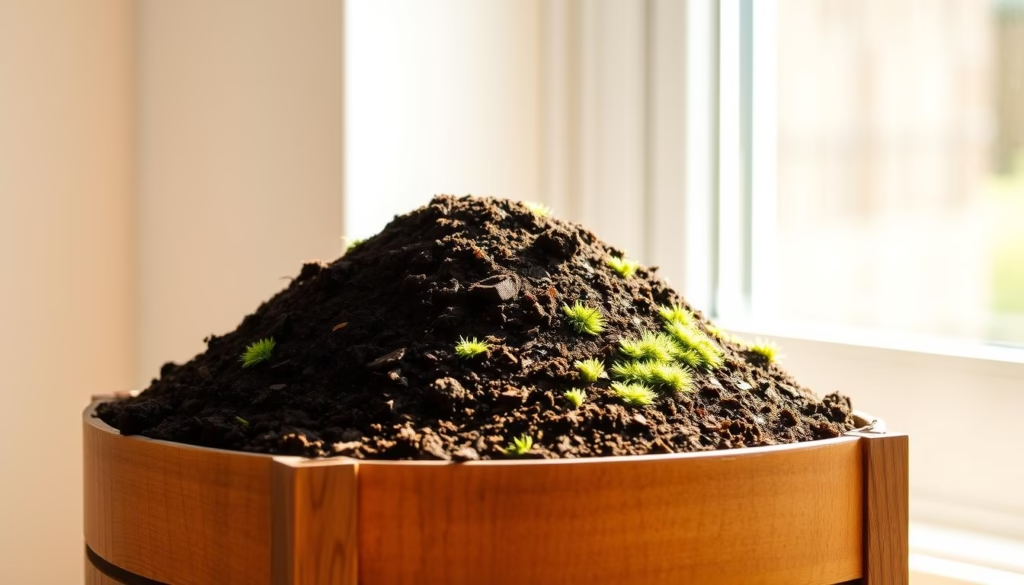
Peat-free compost is a big step towards greener gardening. It’s made from natural stuff, not harming our precious peatlands. Choosing it helps the planet and makes gardening better.
Definition and Composition
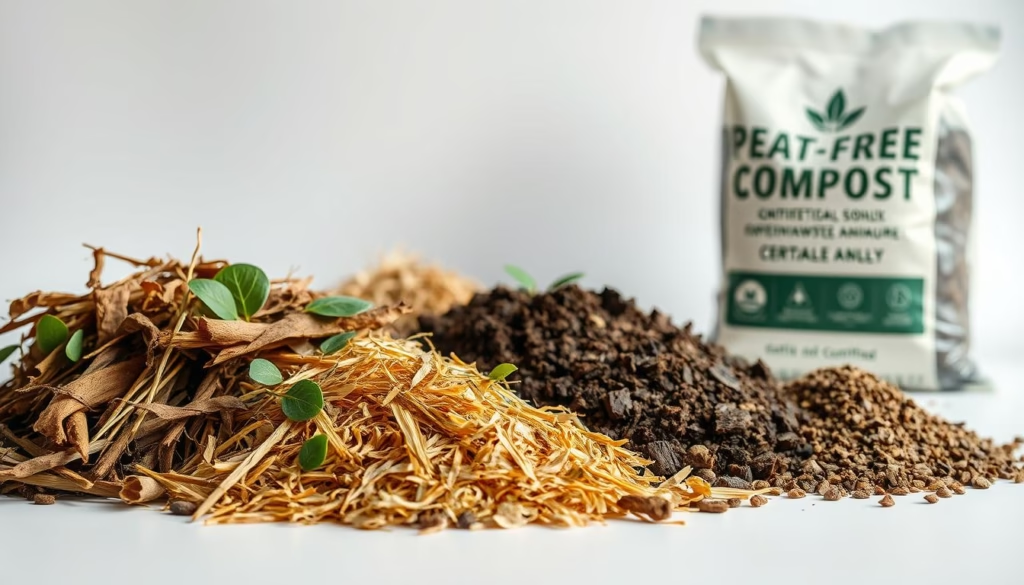
Peat-free compost is made from wood fibres, composted bark, coconut coir, and garden waste. These mix together to make a fertile soil for plants. Unlike peat-based compost, these alternatives don’t harm peatlands.
Peatlands are key for our environment. They store carbon and are full of life.
Benefits of Peat-Free Options
Peat-free compost brings many benefits to gardening. It’s better for the environment and supports local life. It also makes soil better for plants, helping with water and air.
New composting tech has made peat-free options just as good as peat. Using them shows you care about the planet.
The Royal Horticultural Society (RHS) backs peat-free compost. They aim to stop using peat by 2025. For tips on green gardening and peat-free options, check out the RHS website.
Why Choose Peat-Free Compost?
Choosing peat-free compost is key for gardeners who care about the planet. Peat harvesting harms the environment, causing carbon emissions and losing habitats. By choosing peat-free, you support green gardening and a healthier planet.
Environmental Impact
Peat extraction releases a lot of carbon dioxide, about 39 tonnes per hectare yearly. This shows we need to change fast. Using peat-free compost helps reduce this harm and keeps vital peatlands intact.
Sustainability Benefits
Peat-free options are good for your garden and the planet. They use renewable resources, improving soil health and biodiversity. Using compost made from recycled materials or plant-based products helps your garden stay healthy and green.
Protecting Wildlife
Choosing peat-free compost helps protect wildlife habitats. Peatlands are home to many plants and animals. By avoiding peat, you help save these important ecosystems for the future.
The Peat Debate: Understanding the Issues
Getting involved in the peat debate means understanding how vital peatlands are to our planet. These areas, covering just 3% of Earth, hold twice as much carbon as all forests. They support a wide range of life, thanks to their wet conditions.
The Importance of Peatlands
Peatlands act as big carbon sinks, pulling carbon dioxide out of the air. Saving them is key to fighting climate change. They also help keep water clean and control water flow, helping both landscapes and people.
Threats to Peat Ecosystems
Peatlands face many dangers. Draining them for peat harms habitats and adds to climate change. Other threats include farming, building, and bad land use. We must protect these areas to keep them helping our planet.
| Threats to Peatlands | Impact |
|---|---|
| Drainage for Peat Extraction | Disrupts habitats, releases carbon emissions |
| Agricultural Expansion | Reduces peatland area, displaces wildlife |
| Urban Development | Increases habitat fragmentation, contributes to pollution |
| Unsustainable Land Management | Degrades soil health, reduces biodiversity |
How to Identify Peat-Free Compost Products
Finding certified peat-free compost is more than just looking at the packaging. Knowing about labels and ingredients helps you choose eco-friendly soil. This choice is good for your garden and the planet.
Labelling and Certifications
When looking for peat-free compost, check for labels and certifications. Look for the Responsible Sourcing Scheme. This shows the product is made sustainably.
Key Ingredients to Look For
Knowing the ingredients in peat-free compost is key. Choose products with:
- Wood fibre
- Composted bark
- Coconut coir
- Green compost
These ingredients make a rich, green soil. Using certified peat-free compost with these helps your garden grow well and responsibly.
Popular Peat-Free Compost Brands in the UK
Gardeners in the UK are choosing peat-free compost for its eco-friendly benefits. These brands offer great nutrition for plants. New Horizon Peat-Free Compost and Dalefoot Wool Compost are top picks. They are known for their rich nutrients and ability to hold moisture well.
Top Recommendations
- New Horizon Peat-Free Compost – Known for its high-quality organic materials, ideal for a wide range of plants.
- Dalefoot Wool Compost – Utilises sheep’s wool for superior water retention and nutrient release.
- Bedford Peat-Free Compost – Offers a balanced mix suitable for both seedlings and established plants.
- Westland New Horizon Organic Compost – A popular choice for those looking for an environmentally friendly option.
Where to Buy Them
You can find peat-free products in UK garden centres and online. Many centres have special sections for these products. Whether you shop in person or online, you’ll find quality peat-free compost brands.
How to Use Peat-Free Compost Effectively
Using peat-free compost can greatly improve your garden. It’s all about using the right techniques. This ensures your plants get the right amount of water and nutrients. Here are some tips to help you succeed with peat-free compost.
Tips for Gardening Success
- Keep an eye on how wet the compost is. Peat-free compost drains faster than peat-based ones.
- Adjust your watering schedule to match the compost’s quick drainage.
- Feed your plants regularly with organic fertiliser. Peat-free compost’s nutrients can run out quicker.
- Check your soil’s pH and adjust it if needed. This helps your plants thrive.
Adjusting Soil with Peat-Free Compost
When adding peat-free compost to your soil, remember its special traits. It can alter your soil’s structure and how it drains. Mix it with your existing soil to create a perfect spot for your plants to grow.
Regularly adding more compost will keep your garden healthy and thriving.
Alternatives to Peat
Looking for eco-friendly gardening options? There are many good peat alternatives. They help plants grow well and are kind to the environment. Choosing these alternatives supports your gardening dreams and helps the planet.
Coconut Coir
Coconut coir comes from coconut husks. It’s a great peat substitute. It holds moisture well, which is good for plants. It also lets roots breathe, helping them get nutrients.
Plus, coconut coir breaks down easily. This makes it good for your garden’s health.
Composted Bark
Composted bark is a favourite among gardeners. It improves soil’s air and water flow. This helps roots grow strong.
The bark also adds nutrients as it breaks down. Using it helps your soil and supports green gardening.
Leaf Mould and Other Organic Materials
Leaf mould is rich in nutrients. It’s made from old leaves. Mixing it with composts can make your soil better.
Knowing about these materials helps you make your garden better. It’s good for your plants and the environment.
Making Your Own Peat-Free Compost
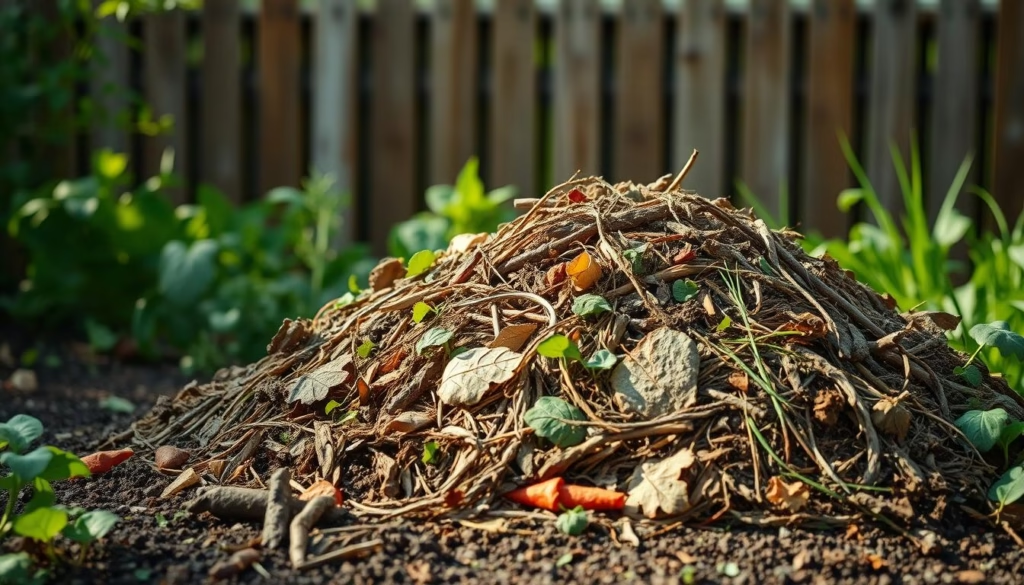
Creating your own compost is good for the planet and your garden. You can make high-quality peat-free compost at home. Just mix different ingredients together.
Ingredients You Can Use
Begin by gathering various composting ingredients. These should be full of nutrients. The key ones are:
- Kitchen scraps, such as vegetable peels and fruit cores
- Garden waste, including grass clippings and fallen leaves
- Well-rotted manure from livestock
- Carbon-rich materials like straw or shredded paper
Using these ingredients helps create a balanced mix. This promotes efficient decomposition.
Step-by-Step Guide
Here’s how to make homemade compost:
- Layer your composting ingredients in a bin or heap. Mix green (like kitchen scraps) and brown (like straw) materials.
- Keep the heap moist by watering it lightly if it’s too dry. This helps the decomposition process.
- Turn your compost every few weeks. This aeration helps break down materials evenly and prevents bad smells.
For more tips on composting, check out this peat-free compost guide. It offers useful advice and insights.
Common Myths About Peat-Free Compost
Many gardeners have misconceptions about peat-free compost. They think these products are less effective, mainly because of their nutrient levels. It’s important to clear up these myths to help gardeners understand what peat-free compost can do.
Debunking Misconceptions
Some believe peat-free composts are worse than peat-based ones. But studies show many peat-free products can be better for plants. Knowing this helps gardeners choose eco-friendly options that work well.
Understanding Performance
People often doubt how well peat-free composts work, like how they hold moisture and nutrients. Modern peat-free composts use organic materials to improve these areas. When used right, they can give plants all they need to grow well. Choosing these composts supports green gardening and can lead to great results.
The Future of Gardening with Peat-Free Options
The world of gardening is moving towards a peat-free future. More people want gardening that’s good for the planet. They look for options that don’t harm our ecosystems and support local compost production.
Trends in Sustainable Gardening
New trends in gardening focus on better peat-free products. Companies are working hard to find good alternatives. They team up with growers to protect nature and create jobs.
Now, gardeners can find compost made from sustainable materials. These products feed plants well without harming peatlands.
The Role of Consumer Choices
Your choices in gardening are very important. As more people learn about peat-free options, demand grows. This pushes companies to offer more sustainable products.
Choosing peat-free gardening helps the environment. It supports the growth of green technologies. For more on this, check out the RHS’s project at this link.
| Gardening Trend | Description | Consumer Impact |
|---|---|---|
| Peat-Free Alternatives | Using resources like coir, leaf mould, and composted wood instead of peat. | Encourages eco-friendly gardening while preserving peat ecosystems. |
| Local Sourcing | Buying compost and plants locally to reduce carbon footprint. | Strengthens local businesses and reduces transport emissions. |
| Organic Materials | Favouring organic growing practices over synthetic fertilizers. | Enhances soil health and biodiversity. |
Choosing peat-free gardening shows you care about the planet. It helps make gardening more sustainable for the future.
Conclusion: Embracing Peat-Free Gardening
Reflecting on your gardening journey shows that choosing peat-free gardening is more than a personal choice. It’s a big step towards caring for our planet. By using peat-free options, you help your garden and protect our world. Making the switch to sustainable gardening is rewarding and fun.
Using peat-free compost helps save habitats and improves soil health. This keeps your garden lively and productive. Your support for peat-free gardening also fights climate change, leading to a greener future.
As you start or continue your gardening journey, enjoy the benefits of peat-free gardening. Every small change helps our environment. It encourages you and others to find new, green ways to garden. Together, we can grow gardens that feed our plants and our planet.