Ever thought about how your gardening can affect the planet? In the UK, it’s more important than ever to garden sustainably. This helps fight climate change and protect wildlife. By using eco-friendly methods, you can make your garden a safe haven for plants and animals.
It also supports the environment in a big way. This guide will show you easy steps to start gardening sustainably today. Together, we can make the planet healthier for all of us.
Key Takeaways
- Sustainable gardening enhances biodiversity and combats climate change.
- Implementing green gardening techniques can reduce your environmental footprint.
- Choosing eco-friendly practices supports local wildlife and plant species.
- Low-impact landscaping approaches contribute to overall soil and water health.
- Every small change can lead to a significant impact on your garden’s sustainability.
Understanding Sustainable Gardening in the UK
Sustainable gardening is all about being kind to the environment and boosting biodiversity in your garden. It means using fewer harmful chemicals and making the most of what’s local. This way, you help your garden and the planet.
What is Sustainable Gardening?
Sustainable gardening is about keeping nature in balance and supporting biodiversity. It’s about designing gardens that use native plants and need less artificial help. This approach also saves water and soil, making your garden better for the environment.
The Importance of Sustainability in Your Garden
Choosing sustainable gardening helps fight climate change. Your garden choices can affect carbon emissions a lot. For example, trees can take in a lot of carbon dioxide.
By picking the right plants, you help local wildlife and improve the air around your home. Using eco-friendly garden designs creates a healthier space for you and nature.
Benefits of Sustainable Gardening Practices
Practising sustainable gardening brings many benefits. It makes your garden look great and helps the environment, saves money, and boosts your health.
Environmental Advantages
Sustainable gardening is key to a healthy ecosystem. Organic gardening boosts biodiversity and cuts down carbon emissions. Using native plants helps local wildlife and reduces chemical use.
Composting at home is also good. It reduces waste and greenhouse gases. For more eco-friendly tips, check out environmental landscaping solutions for your garden.
Economic Benefits
Sustainable gardening saves money. Growing your own food cuts down on grocery bills. It also means you eat fresh, chemical-free food.
It also improves soil quality, reducing the need for expensive fertilisers. Over time, these savings add up, making sustainable gardening a smart choice for your wallet.
Health and Well-being Improvements
Gardening is great for your mental health. It gives you a sense of achievement and calm. Outdoor activities lower stress and boost your mood.
By growing your own food, you eat healthier. Sustainable gardening connects you to nature, improving your life quality.
Choosing Native Plants for Your Garden
Starting a sustainable garden in the UK? Picking native plants is a smart move. They’ve grown well here for thousands of years. They need less care and help save water and attract wildlife.
Why Native Plants Matter
Native plants are key for many reasons. They give homes and food to local animals like bees and butterflies. Adding them to your garden boosts biodiversity, keeping ecosystems healthy.
This approach also means less watering and feeding. It fits well with organic gardening, keeping the balance of plants and animals.
Best Native Plants for UK Gardens
Look for plants that match your garden’s needs. Here are some good choices:
- Bird’s-foot trefoil and wild thyme for sunny, sandy soils.
- Wood anemone and wild garlic for shady, damp spots.
- Lavender and blackthorn, which do well in different conditions and look great.
These plants make your garden look better and keep it healthy. For more ideas, check out this guide. Here’s a table showing some native plants’ benefits:
| Plant | Sunlight Preference | Soil Type | Wildlife Attraction |
|---|---|---|---|
| Bird’s-foot Trefoil | Full Sun | Sandy | Bees, Butterflies |
| Wood Anemone | Shade | Damp | Birds, Insects |
| Lavender | Full Sun | Well-drained | Bees, beneficial insects |
| Wild Garlic | Shade | Damp | Pollinators, Birds |
Choosing these native plants makes your garden eco-friendly and lively.
Soil Health: The Foundation of Sustainable Gardening
Healthy soil is key to a good garden. It gives plants the nutrients and structure they need to grow well. Using green gardening techniques can make soil better and more diverse. These actions not only make your garden grow but also help the environment.
Techniques for Improving Soil Quality
There are many ways to make soil healthier. Here are a few:
- Mulching: It keeps the soil moist, stops weeds, and makes it better as it breaks down.
- Crop Rotation: Switching crops stops nutrients from being used up and keeps pests away, keeping things balanced.
- Organic Fertilisers: They add important nutrients and make the soil better without harming it.
These green practices also stop soil erosion and keep nutrients in the soil. This makes your garden strong and healthy.
The Role of Composting in Soil Health
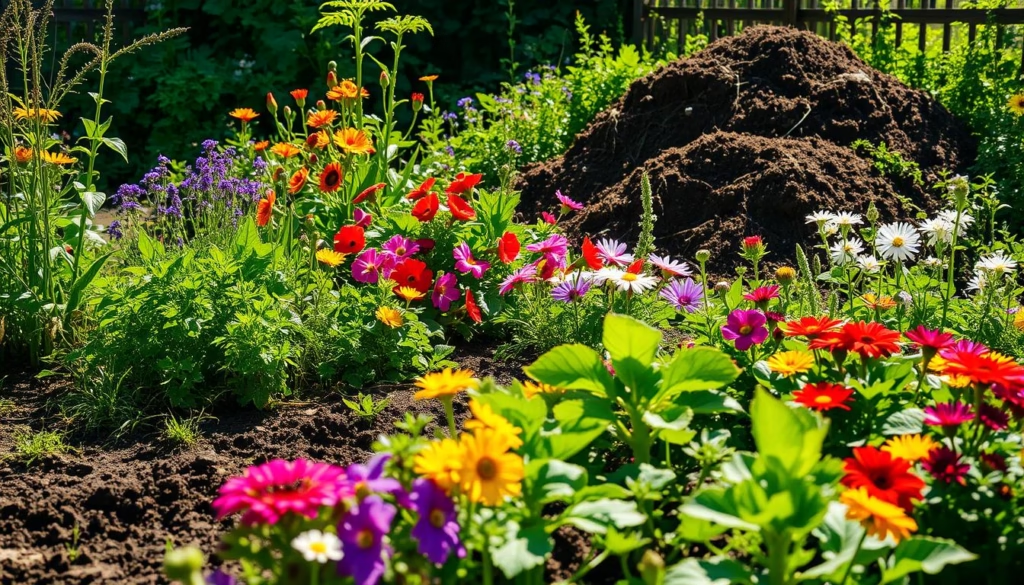
Composting is very important for gardening. It turns waste into soil that’s full of nutrients. By composting kitchen waste and garden cuttings, you help the environment and make your soil better.
Composting at home is better for the planet than buying compost. It saves money and cuts down on pollution from transporting products. Doing this makes your garden more sustainable and full of life.
Water Conservation Techniques
In the UK, saving water is key for sustainable gardening. Using smart methods helps protect water and keeps plants healthy. Here are two important ways to do it.
Implementing Rainwater Harvesting
Rainwater harvesting is a top choice for saving water. By putting up water butts to catch rain, you use less tap water. It saves money and helps the environment, making it great for green gardening.
Efficient Watering Methods
Using smart ways to water helps save water too. A watering can is better than a hose because it waters exactly where needed. Watering in the morning or evening also helps, as it reduces evaporation. These small changes make your garden greener and healthier.
Pest Management the Sustainable Way
Keeping your garden healthy means managing pests well. Using natural methods helps avoid harmful chemicals. This way, you protect the environment and keep your plants and soil healthy.
Organic gardening and eco-friendly landscaping make your garden stronger against pests.
Natural Pest Control Methods
Introducing beneficial insects like ladybirds and lacewings helps a lot. They eat pests like aphids, making your garden diverse and vibrant. You can also make your own sprays from garlic or soap, which are safer than chemical pesticides.
By using these methods, you make your garden more sustainable and support a balanced ecosystem.
Companion Planting Techniques
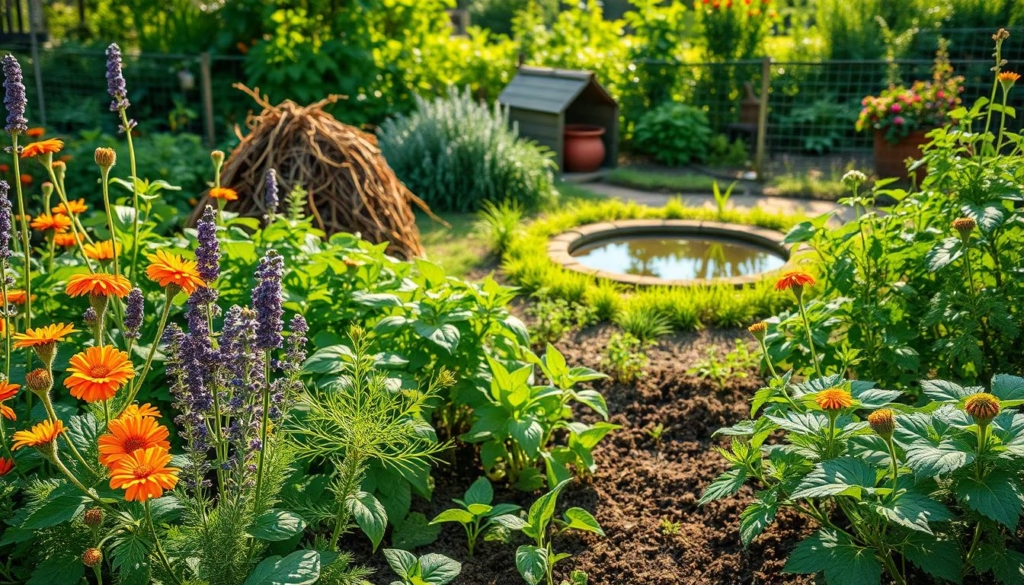
Companion planting is great for using space wisely and keeping pests away. Pairing plants that help each other boosts growth and increases yields. For instance, marigolds can keep nematodes and aphids off vegetables.
Using companion planting also improves pollination and supports biodiversity. This makes your garden more resilient.
| Plant Combination | Benefits | Pests Deterrence |
|---|---|---|
| Tomatoes and Basil | Improves flavour and growth | Aphids, Whiteflies |
| Carrots and Onions | Enhances growth and flavour | Carrot flies, Onion flies |
| Marigolds and Cods | Deters nematodes | Nematodes, Aphids |
By using these pest management methods, your garden stays healthy and welcoming. Natural gardening not only gives you a good harvest but also helps the environment for the future.
The Role of Organic Gardening
Organic gardening is key to sustainable gardening. It’s good for the environment and your health. It helps create a healthy ecosystem and improves soil health.
By using eco-friendly practices, you make gardening better. You also help the planet.
Benefits of Organic Fertilisers
Organic fertilisers make the soil better without harming it. They don’t use harmful chemicals. This is good for the soil and the plants.
Some benefits include:
- Enhanced soil structure: Organic fertilisers improve soil aeration and moisture.
- Increased nutrient availability: They give nutrients slowly, helping plants all season.
- Promotion of biodiversity: Natural ingredients help many beneficial organisms in the soil.
How to Transition to Organic Gardening
Switching to organic gardening is a step-by-step process. Start by stopping chemical pesticides and using organic compost. This makes your soil strong for plants.
Here are steps for a smooth transition:
- Look at your current gardening and see what can be better.
- Add organic compost to make your soil rich and full of nutrients.
- Try crop rotation and companion planting to increase biodiversity.
- Use natural ways to control pests in your garden.
Creating a Wildlife-Friendly Garden
Designing your garden to support local wildlife is key to conservation. By creating habitats and using various plants, you help your garden and the environment. This approach supports biodiversity and follows sustainable gardening UK principles.
Habitats for Local Wildlife
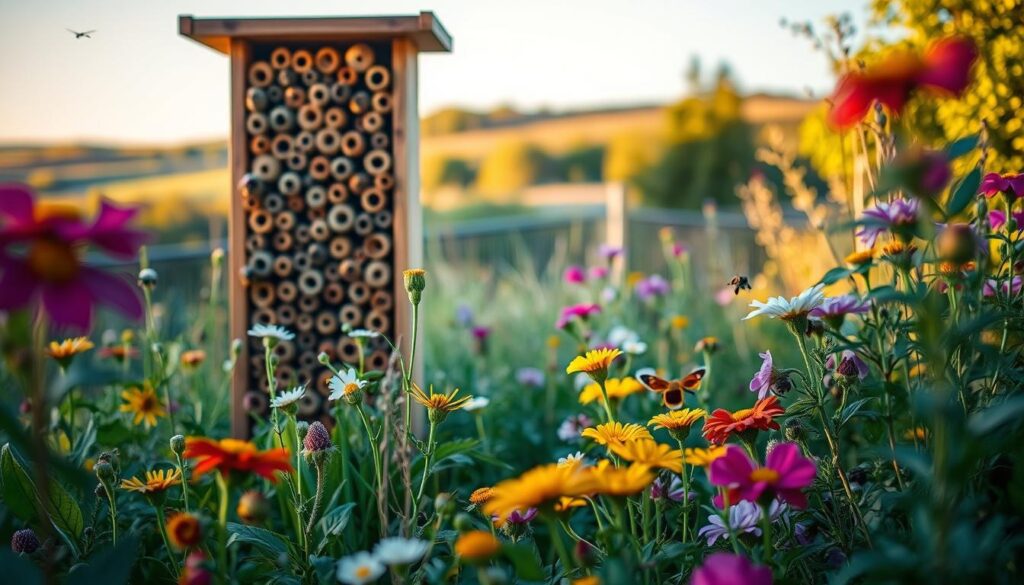
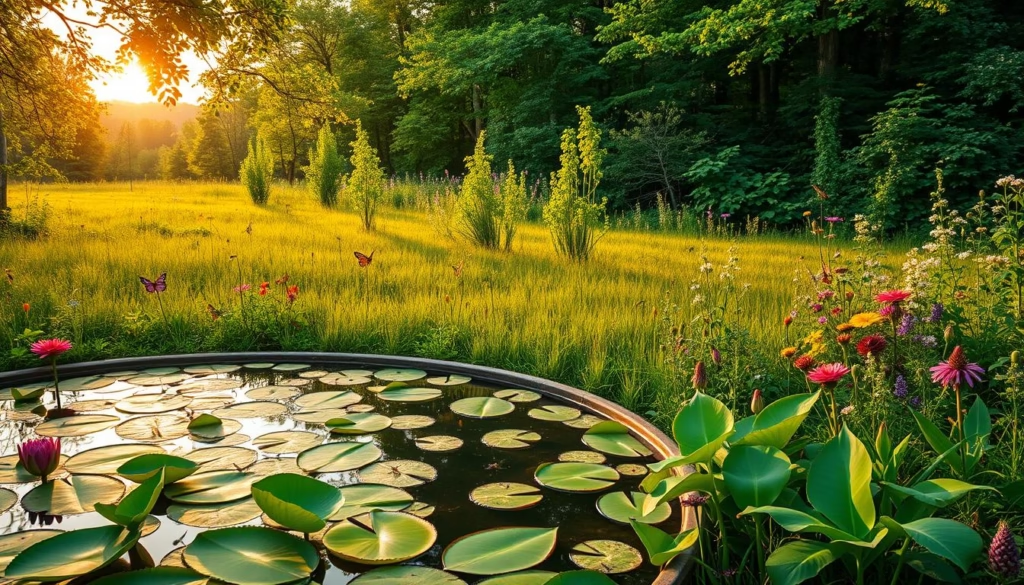
To attract local wildlife, add different elements to your garden. Nesting boxes help birds, while diverse plants attract many species. Water sources like ponds or birdbaths are also important.
Simple steps like creating brush piles or letting areas grow wild boost biodiversity. These actions not only welcome wildlife but also improve your garden’s health.
Planting for Pollinators
Native flowers and shrubs are vital for attracting pollinators. Bees, butterflies, and others are essential for ecosystem health. Use organic gardening by adding wildflowers and plants that bloom at different times.
This keeps food sources available for pollinators. It helps sustain their populations and supports wildlife conservation.
Resources and Support for Sustainable Gardening
Starting your sustainable gardening journey in the UK is easier with local gardening groups. These communities share eco-friendly tips and support all gardeners. You can learn a lot by talking to others who love gardening as much as you do.
There are also great books and online resources for sustainable gardening. The Royal Horticultural Society is a top source of information. They offer tools and advice to help you make your garden more eco-friendly.
Learning about sustainable gardening is a journey. Joining local groups and reading good books will make your garden better. It will also help the environment in your area. Explore these resources and you’ll be ready to create a green and thriving garden.