Ever wondered why gardeners love their compost bins? Whether you’re new or experienced, a compost bin UK can change your gardening. It turns organic waste into compost, making plants healthier and cutting down landfill waste.
This guide will help you pick the perfect compost bin. You’ll also learn how to use it well. You can even buy compost bin online UK easily. Get set to improve your garden with the best compost bins for you!
Key Takeaways
- Composting enriches soil health and promotes plant growth.
- Choosing the right compost bin is essential for effective composting.
- Understanding different compost bin types can enhance your experience.
- Regular maintenance is key to successful composting.
- Joining a local composting community can provide helpful insights.
Why Composting is Important for Your Garden Success
Composting is key to a thriving garden. It turns waste into compost, full of nutrients. This boosts your garden’s health and the planet’s too.
Benefits of Composting
Compost makes your soil better. It does many good things:
- Improved moisture retention: Compost keeps soil wet, so you water less.
- Enhanced nutrient availability: It gives plants the nutrients they need to grow strong.
- Reduced soil erosion: Good soil structure stops erosion, keeping your garden safe.
Environmental Impact of Composting
Composting is great for the planet. It stops waste from going to landfills. This cuts down methane emissions, a harmful gas.
It also helps waste break down naturally. This makes composting a green way to manage waste.
Enhancing Soil Health
Composting makes soil healthier. It adds organic matter that supports microbes. This creates a rich soil ecosystem.
It’s good for your plants and the environment. Composting is a smart choice for a greener garden.
Different Types of Compost Bins Available
There are many compost bins to choose from, depending on your garden needs. Knowing the options helps you pick the best one for managing waste in your garden.
Traditional Compost Bins
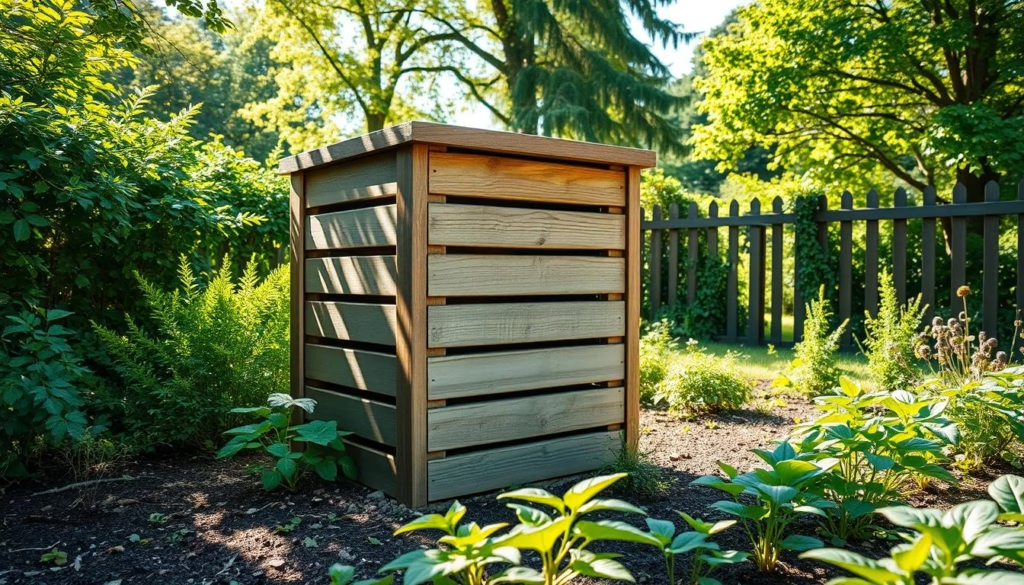
Traditional compost bins are great for recycling kitchen and garden waste. They’re made from wood or plastic and help with aeration and decomposition. You can add things like grass clippings, vegetable peels, and dried leaves.
With regular care, these bins can make rich compost in a few months.
Worm Composting Systems
Worm composting systems are perfect for small spaces. They use tiger worms to turn kitchen scraps into nutrient-rich worm castings. This method is good for urban areas because it’s easy to use and doesn’t smell much.
Bokashi Composting Bins
Bokashi composting is a new way to deal with food waste. It ferments organic matter with special microorganisms. This lets you compost things like dairy and meat, which traditional bins can’t handle.
Bokashi bins are small and can be used indoors. They’re ideal for those who want to compost without needing outdoor space.
Factors to Consider When Choosing a Compost Bin
Choosing a compost bin is important for your garden. You need to think about size, location, and material. These factors help your composting work well.
Size and Capacity
The size of your compost bin matters a lot. Think about how much waste your garden makes. For small gardens, a compact bin is best. Big gardens need bigger bins to handle more waste.
Location and Space Availability
Where you put your compost bin is key. It should be in a shaded spot to keep it moist. But, it also needs to be easy to get to for adding waste and turning it. Having enough space around the bin helps with maintenance and airflow.
Material and Durability
Think about what material you want your bin to be made of. Plastic bins are durable and weather-resistant. Wooden bins look natural but need more care. Pick a material that fits your gardening style.
How to Start Composting in the UK
Starting composting in the UK is easy and rewarding. It makes your garden healthier. First, you need the right materials for composting.
Gathering Compost Materials
Start by collecting kitchen scraps like vegetable peels, eggshells, and leftover fruits. Add garden waste like grass clippings, leaves, and small branches. It’s important to mix ‘greens’ (nitrogen sources) and ‘browns’ (carbon sources) for best results.
Layering Your Compost Bin
Layering your compost helps it break down well. Begin with twigs for airflow. Then, alternate layers of organic waste with browns. This boosts microbial activity and airflow.
Maintaining Your Compost
Keep your compost bin in good shape by checking it often. Turn the compost every few weeks to speed up decomposition. Make sure it’s damp but not wet. Adjusting the mix helps keep it just right.
Common Mistakes to Avoid in Composting
Starting with composting can be tricky. Knowing common mistakes helps a lot. These errors can make your compost bin unhealthy. But, learning about them can make your garden soil better.
Adding Wrong Materials
One big mistake is putting the wrong things in your compost. Meat, dairy, and processed foods attract pests and smell bad. It’s better to use plant parts, fruits, veggies, and dry leaves.
Ignoring Aeration Needs
Not paying attention to air in your compost is another mistake. Heaps need to be turned to get air in. This helps things break down faster and smells better. Turning your compost regularly helps it work better.
Overwatering the Compost
Too much water makes compost soggy and slow. It should be moist, like a damp sponge. Checking the moisture helps your compost work well and keeps it from getting muddy.
How to Use Compost in Your Garden
Compost makes your garden grow better and stay healthy. It’s important to know when and how to use it. This guide will help you with timing, application, and the differences between raised beds and traditional gardens.
When to Apply Compost
Apply compost when planting new seeds or seedlings. Also, during the growing season. This gives your plants the nutrients they need to grow well.
Best Practices for Application
Follow these compost application tips for the best results:
- Mix compost into the soil, not just on top. This makes nutrients easier for plants to get.
- Don’t overdo it; a thin layer is usually enough.
- Think about your soil type. Sandy soils need compost that holds moisture, while clay soils need something that helps with drainage.
Composting in Raised Beds vs. Traditional Gardens
Raised beds need compost more often because they have less soil. This keeps nutrients up and plants grow faster. Traditional gardens, with more soil, can go longer without compost but also benefit from it.
Using compost regularly makes your soil better for plants. It improves fertility, structure, and keeps moisture in. For more tips on composting, check out this resource.
| Aspect | Raised Beds | Traditional Gardens |
|---|---|---|
| Soil Volume | Smaller | Larger |
| Compost Application Frequency | More frequent | Less frequent |
| Growth Acceleration | Higher | Standard |
| Nutrient Management | Needs regular checks | Less concern |
By using these tips and knowing the differences, your plants will do great. They’ll get all the benefits of using compost in your garden.
Troubleshooting Common Composting Issues
Fixing common composting problems helps you get the best from your compost bin. You might face bad smells, pests, or slow breakdown. But, there are easy fixes for these issues.
Dealing with Odours
Bad smells often mean too much green stuff like food scraps. Try adding more brown materials like leaves or cardboard. Also, turn your compost often to keep it fresh and prevent smells.
Managing Pests
Pests can show up if your compost isn’t balanced. Keep a mix of materials and cover food with browns. Watch your compost closely to catch problems early and keep it healthy.
Fixing a Slow Decomposition Rate
A slow breakdown can be annoying. Turn your compost pile regularly to let air in. Keep it moist but not soggy. For tips on improving your compost, check out this resource.
Knowing how to tackle these common issues will help you make great compost. This will give you rich soil for your garden.
Tips to Enhance Your Composting Experience
Improving your composting can make a big difference. Paying attention to your compost pile helps you get better results. It also makes you more connected to your garden.
Regular Turning Techniques
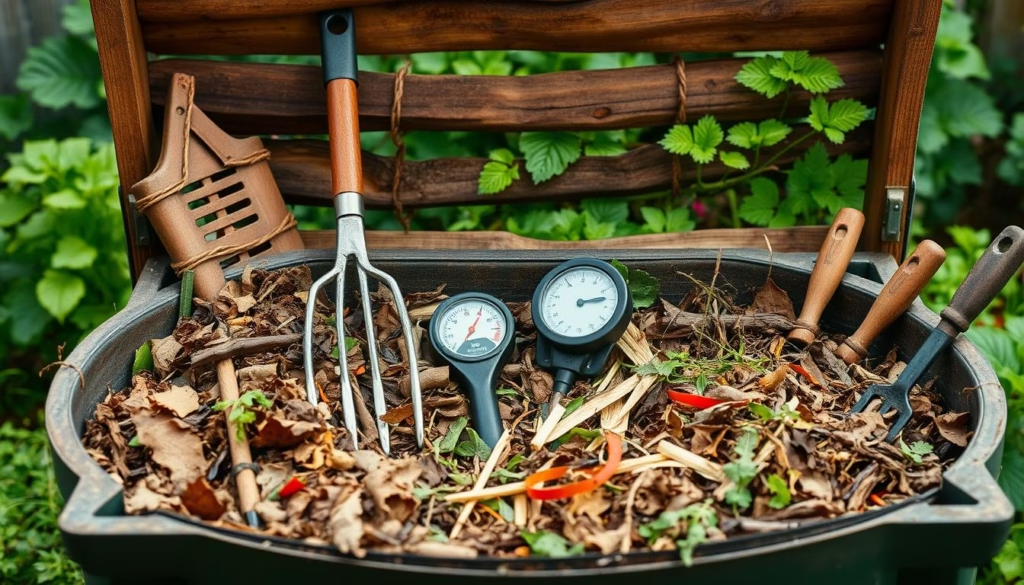
Turning your compost is key for aeration. This speeds up the breakdown of materials. Use a garden fork or aerator to mix it well.
Try to turn it every two to three weeks. This spreads moisture and adds oxygen. These steps make composting more effective.
Additional Ingredients to Boost Compost
Adding certain ingredients can improve your compost. Coffee grounds, fruit scraps, and shredded paper are great. They add nutrients and make the compost better.
Mixing greens and browns creates a balanced pile. This supports the microbes and speeds up decomposition.
Joining a Local Composting Community
Joining a local composting group is very helpful. You’ll get tips from experts and meet other gardeners. This community support can motivate you and teach you new ways to compost.
Conclusion: Achieve Garden Success with Compost
Adding a compost bin to your garden can greatly improve its health and sustainability. It’s key to pick the right compost bin for your needs. Understanding composting basics and avoiding common mistakes is also important.
By composting, you not only help your garden thrive but also connect with nature. You also play a part in protecting the environment.
Recap of Key Points
We’ve looked at different composting methods in the UK and what to consider when choosing a bin. It’s important to use the right materials and layer them correctly. Keeping your compost in good condition is also vital for the best results.
As you learn more about composting, remember how it can make your gardening better. It can also have a positive effect on your garden.
Encouraging Sustainable Practices
Composting is more than just a personal benefit; it’s about helping the planet for the future. By composting, you reduce waste and make your soil better. This can make gardening in the UK even more enjoyable.
Final Thoughts on Composting in the UK
Composting leads to better soil and a healthier garden. With the right knowledge, you can make a big difference. Start composting today and see how it changes your gardening experience.