Have you ever thought about whether self-watering pots are a solution or a problem? These pots are key for city gardeners. They have a water reservoir that lets plants get water when needed.
For those short on time and space, self-watering pots are a godsend. They help keep your indoor garden healthy and reduce upkeep. This makes it easier for anyone to grow plants.
To learn more about self-watering pots, including their good and bad sides, check out this link.
Key Takeaways
- Self-watering pots use a built-in reservoir to hydrate plants well.
- These pots are great for urban dwellers with little time.
- Choosing the right soil is key to avoid too much water.
- Keep an eye on water levels to ensure your plants get the best care.
- Not all plants do well in self-watering pots; pick the right ones.
- Knowing the risks, like root rot, is important for gardening success.
What Are Self-Watering Pots?
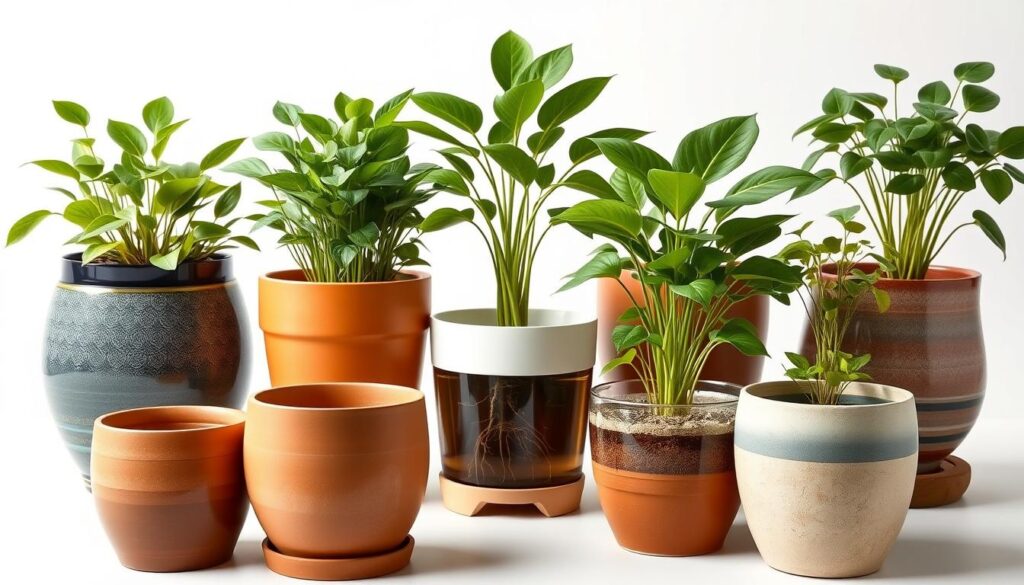
Self-watering pots are a new way for gardeners to make their lives easier. They have a water reservoir at the bottom. This lets plants get water as they need it, keeping the soil moist.
Definition and Functionality
The main thing about self-watering pots is their built-in water system. It slowly gives plants the water they need, avoiding too much or too little. Water moves from the reservoir to the roots, keeping the soil just right for plants.
Types of Self-Watering Pots
There are many types of self-watering pots out there. They meet different gardening needs. Here are a few:
- Basic Reservoir Pots: Simple designs with a water reservoir for easy care.
- Decorative Models: Pots that look good and work well.
- Hydroponic Plant Pots: Systems that use water and nutrients instead of soil.
Each type of self-watering pot has its own benefits. They’re great for both indoor and outdoor gardens.
Benefits of Using Self-Watering Pots
Using self-watering planters can change your gardening for the better. These pots offer many benefits for both new and experienced gardeners. They make your garden space better in many ways.
Reduced Watering Frequency
Self-watering pots are great because they need less watering. They have built-in water reservoirs that keep the soil moist. This means your plants can grow well with less care from you.
You can even go on holiday without worrying about your plants. They’ll be fine.
Ideal for Busy Gardeners
If you’re always busy, self-watering pots are perfect. They let you have a beautiful garden without spending hours watering. These pots keep the soil moist, so you can relax and let them do the work.
Encourages Healthy Growth
Self-watering systems help plants grow strong and healthy. They keep the soil moist, which helps plants absorb nutrients better. This leads to plants that are vibrant and full of life.
Having constant water helps roots grow strong. Strong roots are key for healthy plants.
Potential Risks of Self-Watering Pots
Self-watering planters make caring for plants easier. But, they can cause problems, like root rot. It’s important to know the signs of too much water to keep your plants healthy.
Root Rot Explained
Root rot happens when the soil is too wet. This stops roots from getting the oxygen they need. It can make plants wilt, turn brown, and even die. So, it’s key to watch how much water your plants get.
Signs of Overwatering
Spotting signs of too much water is vital. Here are some common ones:
- Yellowing leaves: This usually means the roots are too wet.
- Wilting: Plants can wilt even if the soil is wet, showing root problems.
- Stunted growth: Plants might not grow well if they’re stressed by too much water.
Prevention Strategies
To stop root rot in self-watering pots, try these tips:
- Choose plants that like wetter soil.
- Check the water levels often to stop it from getting too stagnant.
- Use a potting mix that drains well and lets air in.
How to Choose the Right Self-Watering Pot
Choosing the right self-watering pot is key for your plants. Size, design, and material are important. They help your plants thrive and make caring for them easier.
Size and Design Considerations
Think about the pot’s size and your plant’s roots. A good size pot lets roots grow and soak up water well. Look for pots with big water reservoirs if you forget to water often.
There are many indoor garden containers to pick from. You can find one that fits your space and style, making your home look better.
Material Options
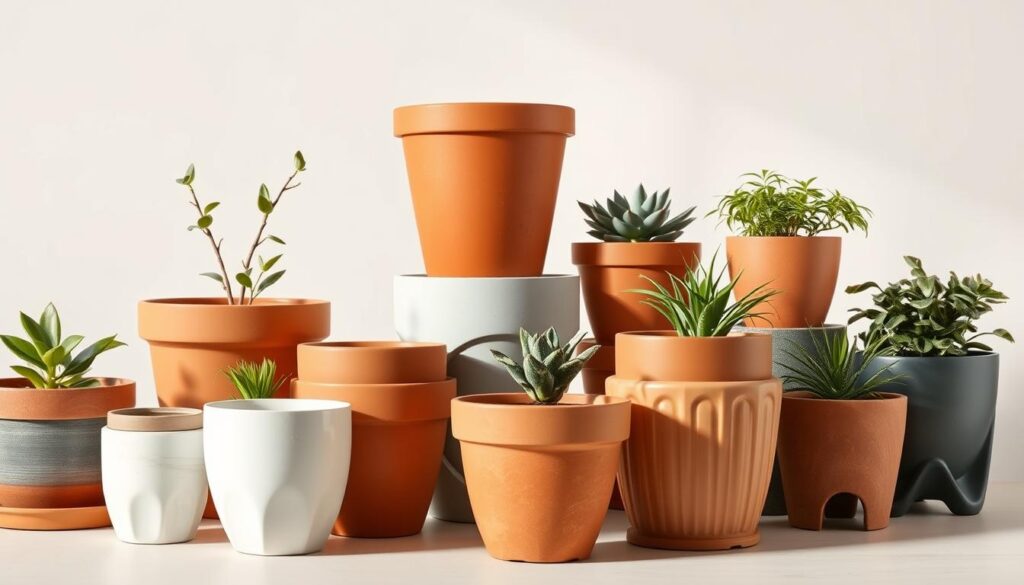
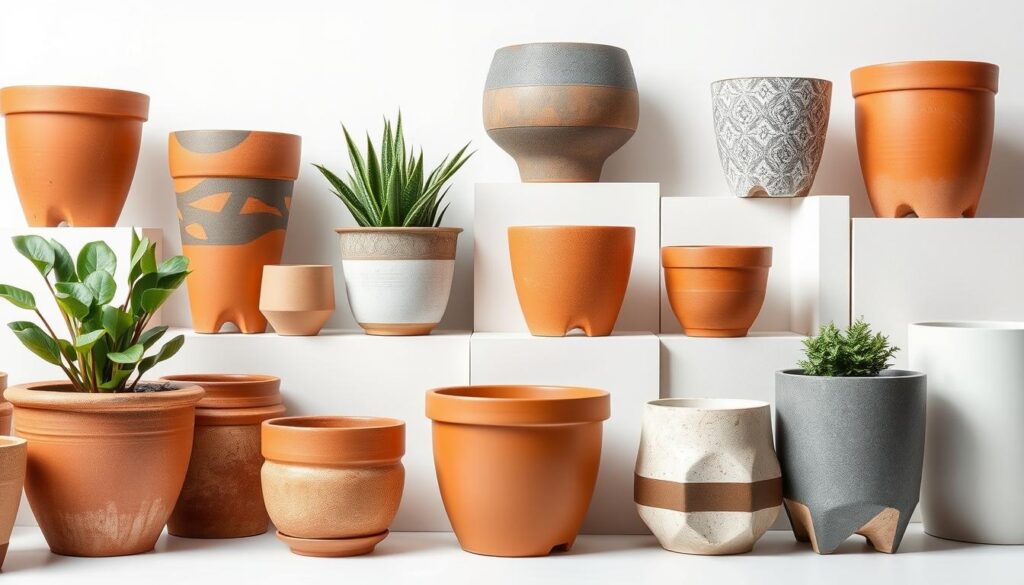
Automatic plant pots come in different materials, each with its own benefits. Plastic pots are light and cheap, while ceramic and resin ones look more stylish. Materials affect durability and insulation, which is good for roots.
Think about what you need for your plants and your gardening style. This will help you choose the best material for your pot.
Setting Up Your Self-Watering Pot
Setting up your self-watering pots is easy and helps your plants grow well with little effort. Start by picking a high-quality potting mix made for self-watering systems. This mix should drain well but keep moisture, which is key for your plants to grow well. After getting your mix, follow these steps to make a great hydroponic planting space.
Step-by-Step Guide
- Begin by filling the reservoir of your plant pots with water, following the instructions that came with your pot.
- Then, add the potting mix to the top part, making sure it’s even and loose to help roots grow.
- Make a small hole in the centre for your plant, and fill in around the roots gently to avoid air pockets.
- Check the water level in the reservoir and add more as needed, so your plant stays hydrated.
Tips for Successful Planting
When using self-watering pots, think about your plant’s water and light needs. Place your pot where it gets enough light, which is vital for healthy growth. Keep an eye on the water reservoir and refill it when it’s low. These steps help keep the right balance between ease and care for your plants.
Best Plants for Self-Watering Pots
Choosing the right plants for self-watering planters can make gardening better. It’s key to pick species that love moist soil. This way, your indoor and outdoor spaces can become lush and green.
Indoor Plant Suggestions
For indoor spaces, some plants do great in self-watering pots. Here are top picks:
- Pothos
- Spider Plants
- Peace Lilies
- Herbs such as Basil and Mint
Outdoor Plant Options
Many vegetables and herbs grow well in self-watering pots outside. Here are some good ones:
- Tomatoes
- Peppers
- Mint
- Chives
Don’t put succulents or cacti in these pots. They need dry soil and can get root rot in moist conditions. With the right plants, your self-watering pots can be full of life and produce a lot.
| Plant Type | Water Requirement | Self-Watering Suitability |
|---|---|---|
| Pothos | Moderate | Excellent |
| Tomatoes | High | Very Good |
| Cacti | Low | Poor |
| Basil | Moderate | Excellent |
Maintenance Tips for Self-Watering Pots
Keeping self-watering pots in good shape is key for your plants’ health and the pots’ life. Regular care makes sure your automatic plant pots work well and look great. Here are some tips to keep everything in top condition.
Regular Check-Ups
It’s important to check the water level often. Refill it when it’s low to stop your plants from drying out. Also, watch out for algae or mould, which can grow in damp places. Regular checks help spot problems early.
Cleaning and Care
Cleaning your self-watering pots regularly is a must. Clear out any organic stuff that might block water flow. Pots that are easy to take apart make cleaning a breeze. By keeping them clean, you help your plants stay healthy.
| Maintenance Task | Frequency | Description |
|---|---|---|
| Check Water Levels | Weekly | Monitor the reservoir for low water levels and refill as necessary. |
| Clean Reservoir | Monthly | Remove any algae or sediment to ensure proper water flow. |
| Inspect Plants | Weekly | Look for signs of overwatering or diseases, adjusting care as needed. |
| Replace Soil | Every 6 months | Refresh soil to provide nutrients and prevent compaction. |
Common Misconceptions About Self-Watering Pots
Many garden lovers and plant parents have wrong ideas about self-watering pots. Knowing these plant care myths can make your gardening better. It helps your plants do well instead of suffering.
Myth: They Don’t Need Watering
Some think self-watering pots mean no watering is needed. But, these pots have a water reservoir. You must check the water level often. The water can run out, fast in hot weather or with thirsty plants.
So, you can’t just forget about watering. Regular care is key.
Myth: They Cause Root Rot
Many believe self-watering pots lead to root rot. But, root rot usually comes from too much water. It can happen in any pot.
It’s important to watch the water level, no matter the pot. By clearing up these myths, you can focus on good plant care. This helps your plants grow strong and healthy.
Conclusion: Are Self-Watering Pots Worth It?
Thinking about self-watering pots shows they can really improve your gardening. They offer convenience and keep plants moist, great for all gardeners. With the right use and checks, your plants will thrive with little work.
Final Thoughts on Their Use
Self-watering planters make caring for plants easier. You won’t have to water every day. They fit well into busy lives, helping you keep a beautiful garden.
Personalising Your Plant Care Approach
Using self-watering pots lets you tailor your plant care. You can care for many plants without the usual watering stress. It makes gardening fun and easy, letting you enjoy healthy, lively plants.