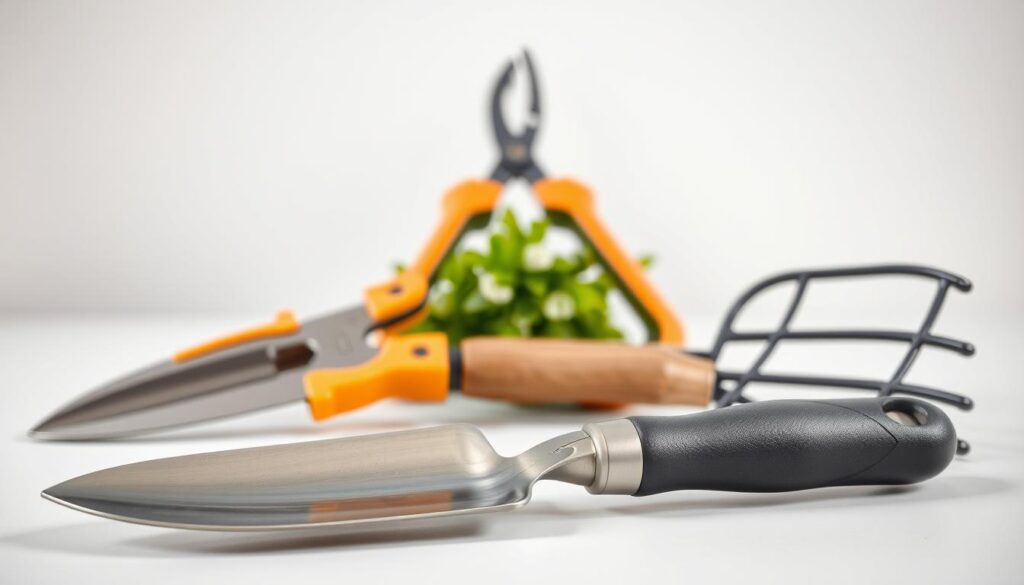
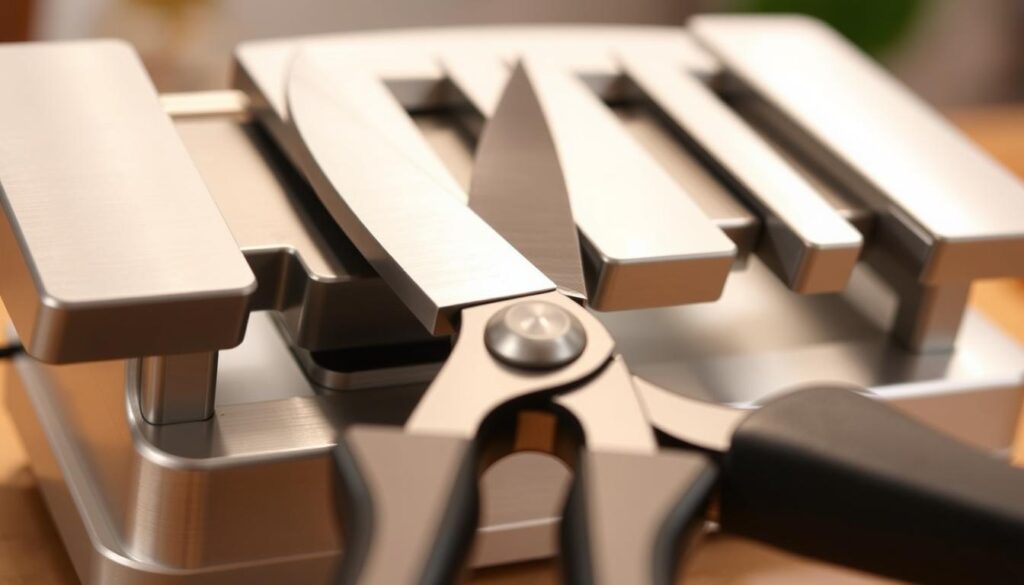
Ever thought a simple tool sharpener could make your gardening shears better? The state of your shears is key to gardening success. The right sharpener can make them as good as new. This guide will show you how the best tool sharpener can boost your shears and gardening.
You’ll learn about the benefits of sharp tools and the different sharpening options. You’ll find out how to keep your garden in top shape.
Key Takeaways
- Sharp shears are essential for achieving professional results in gardening.
- A good tool sharpener can significantly extend the lifespan of your shears.
- Understanding the different types of shears helps in selecting the right sharpener.
- Regular maintenance is vital for optimal shear performance.
- Choosing the best tool sharpener maximises efficiency and effectiveness.
- Safety precautions should always be taken when sharpening tools.
- Eco-friendly alternatives to tool sharpening are available for those focused on sustainability.
Understanding the Importance of Sharp Shears
Sharp shears are vital for gardeners, making gardening more efficient and effective. Sharp tools are key to making clean cuts, which are essential for plant health. A clean cut helps plants heal fast and fight off diseases.
Ignoring your shears can cause big problems. It’s important to keep them sharp.
Why Sharp Tools Matter for Gardening
Sharp tools make gardening easier and more rewarding. They cut through branches and leaves smoothly, making clean cuts. This helps your plants stay healthy and grow well.
Using sharp tools makes gardening more enjoyable and productive. You’ll see a big difference in your gardening experience.
The Consequences of Dull Shears
Dull shears can harm your garden. They crush plants instead of cutting them, causing damage. This damage can attract pests and diseases, harming your garden’s health.
Using dull tools also means more effort, leading to frustration and accidents. Keeping your shears sharp is essential for a safe and efficient gardening experience.
Types of Gardening Shears You Might Own
Knowing about different gardening shears can make gardening better. Each type is for a specific task, making gardening easier. Choosing the right shears depends on what you need.
An Overview of Common Shear Types
Bypass shears and anvil shears are common. Bypass shears work like scissors, perfect for trimming live branches. They cut smoothly without harming the plant.
Anvil shears have one sharp blade that presses against a flat surface. They’re great for cutting dry wood and thicker stems. For small, delicate plants, pruning snips or microtip shears are best.
Features to Look for in Shears
When picking garden shears, look at a few key features. The material of the blades is important. Stainless steel is good for its rust resistance and ease of cleaning. High carbon steel is stronger for harder tasks.
The comfort of the handle is also key, as you’ll use them a lot. Ergonomic designs help avoid hand strain. The weight of the shears affects how easy they are to use. Check out the features of garden shears to make a smart choice.
Tools for Sharpening Gardening Shears
Choosing the right sharpener is key to keeping your gardening shears sharp. You can pick between a manual or an electric sharpener. Each has its own benefits, helping you care for your tools well.
Manual vs Electric Sharpener: Which is Best?
A manual sharpener is a cost-effective and hands-on choice. It lets you control the sharpening, getting the exact edge you want. An electric sharpener, though, is faster and easier to use. It’s great for quick sharpening needs.
Different Types of Sharpener Tools
There are many sharpener tools to choose from:
- Diamond files – Quick touch-ups with a fine abrasive surface.
- Whetstones – Versatile for precise sharpening, taking your time.
- Dedicated shears sharpeners – Made for shears, for a custom sharpening.
How to Choose the Right Tool Sharpener
Finding the best garden tool sharpener requires careful thought. You need to consider several factors to make the right choice. Think about how easy it is to use, the cost, and how well it works.
It’s also important to match the sharpener to your skill level and the shears you use. This will help you make a decision more easily.
Factors to Consider When Buying
- Type of Sharpener: Decide if you need a manual or electric sharpener.
- Ease of Use: Choose a sharpener that is easy to use with clear instructions.
- Cost: Balance your budget with the quality of the sharpener for long-term benefits.
- Suitability: Make sure the sharpener works well with your shears.
- Portability: Consider a compact model if you garden in different places.
Comparing Brand Options
Brands like Dremel and Fiskars are popular among gardeners. When comparing them, look at durability, warranty, and user reviews. Getting insights from different sources will help you choose the best sharpener for your gardening needs.
Step-by-Step Guide on Sharpening Your Shears
Sharpening shears needs careful steps and attention. First, check your shears for rust or damage. If they’re badly worn, it might be time to get new ones. If they’re okay, take them apart for a deep clean.
Preparing Your Shears for Sharpening
Begin by disassembling your shears. Make sure each part, like blades and pivot points, is clean. Use a soft brush and soapy water to remove dirt and rust. Rinse and dry each piece well before sharpening.
Sharpening Techniques: A Detailed Process
When sharpening, keep the original bevel angle. This angle is key for a clean cut. Use a grinding stone or sharpening tool, moving smoothly along the blade’s edge. Do this a few times until your shears are sharp.
Cleaning and Maintenance Post-Sharpening
After sharpening, clean and maintain your shears. Wipe the blades with a cloth to remove shavings. Apply a small amount of lubricant to the pivot and blades. This keeps them running smoothly and prevents rust. Regular care will make your shears last longer and work better.
Safety Tips When Using a Tool Sharpener
Sharpening tools can be rewarding but also risky. It’s vital to stay safe while sharpening. By following the right steps, you protect yourself and improve sharpening results. Using safety tips for sharpeners can lower the risk of accidents and injuries.
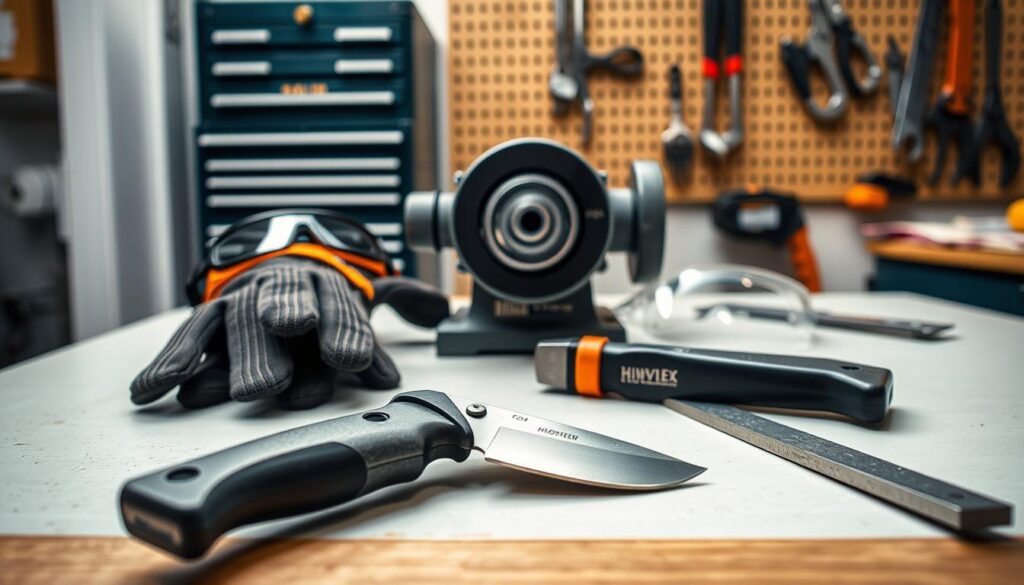
Essential Safety Gear to Wear
Wearing the right safety gear is key when sharpening shears. Make sure to include these items:
- Safety glasses to protect your eyes from flying debris.
- Dust masks to avoid inhaling harmful particles.
- Gloves to protect your hands from sharp edges and give a better grip.
Using the right safety gear is the first step to a safe and effective sharpening session.
Common Mistakes to Avoid
Knowing common mistakes can make sharpening better. Here are some to avoid:
- Not securing shears properly can cause slips and accidents.
- Not wearing safety gear puts your personal safety at risk.
- Rushing the sharpening can lead to poor technique and tool damage.
Avoiding these mistakes helps you sharpen tools safely and effectively.
Maintaining Your Gardening Shears’ Condition
Keeping your gardening shears in good condition is key to their long life and best performance. Regular care routines are vital. They ensure your tools are always ready for gardening tasks.
Regular Maintenance Routines
Start by checking your shears for damage or wear. Clean them well after each use to keep them sharp and durable. A quick wipe with a cloth and a rinse if needed can help a lot.
Use oil on the pivot point for smooth action. Regular care extends your tools’ life and boosts their efficiency.
Techniques to Prevent Rust
Rust can harm your shears’ performance. Apply a thin layer of oil, like boiled linseed oil or WD-40, to blades and handles. This guards against moisture and corrosion.
Store shears in a dry place and use a cover. Regular checks during the gardening season prevent rust. This keeps your tools ready for any task.
| Maintenance Task | Frequency | Purpose |
|---|---|---|
| Inspection | After each use | Identifying damage or wear |
| Cleaning | After each use | Removing sap and dirt |
| Lubrication | Weekly or as needed | Ensuring smooth operation |
| Rust Prevention | After cleaning | Protecting against corrosion |
Signs That Your Shears Need Sharpening
Keeping your gardening shears sharp is key to a great garden. Spotting dull shears early saves time and keeps gardening fun. It makes your tasks more efficient too.
Visual Indicators of Dullness
There are clear signs your shears need sharpening. Watch for:
- Frayed or ragged edges on cut leaves
- Uneven cuts that leave behind torn surfaces
- Difficulty in cutting through simple stems or branches
Seeing these signs means your shears need sharpening to cut well again.
Performance Issues You Might Encounter
Dull shears make gardening harder. You might face:
- Excessive effort required to make cuts
- Increased fatigue during extended use due to poor cutting performance
- Frustration stemming from the inability to achieve clean, precise cuts
Fixing these problems quickly makes gardening better and keeps plants healthy.
| Indicator | Description | Action Needed |
|---|---|---|
| Frayed Edges | Leaves or stems show jagged cuts | Sharpen shears |
| Uneven Cuts | Specific areas of plants are torn instead of cut cleanly | Sharpen shears |
| Excessive Effort | Significant force needed to cut | Sharpen shears |
Tools and Accessories to Enhance Shear Performance
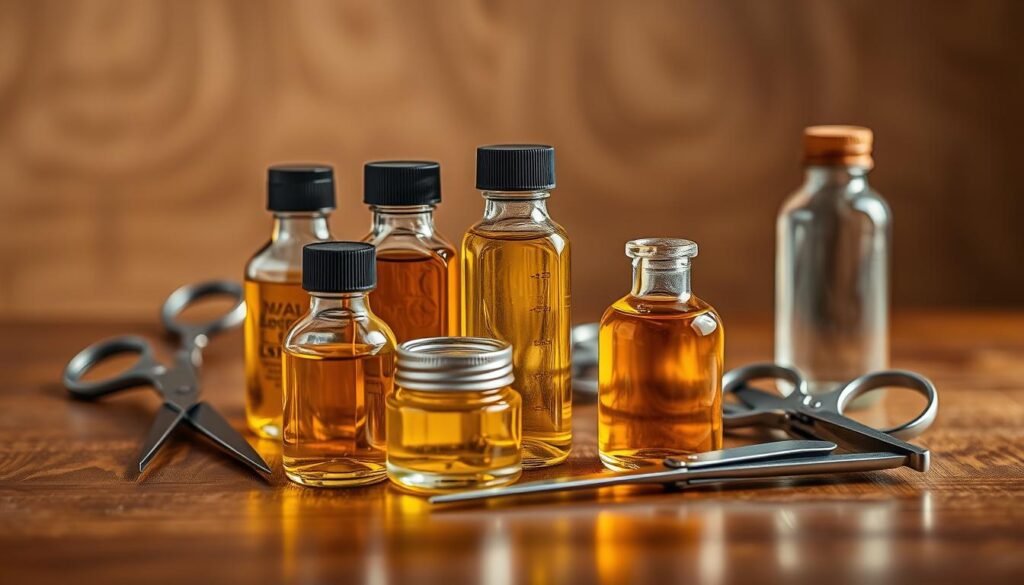
To get the most from your gardening shears, picking the right oils and sharpening tools is key. The best oils keep your shears running smoothly and last longer. Look for penetrating or lightweight oils for the best results.
Knowing about sharpening stones is also important. Different stones, like diamond and water stones, work well with different sharpening methods. They help keep your shears sharp.
Recommended Oil and Lubricants
Choosing the right oil for your shears is vital. Here are some top picks:
- Pennzoil Multi-purpose Oil: A lightweight option that penetrates well.
- 3-IN-ONE Oil: Perfect for preventing rust and ensuring smooth operation.
- WD-40 Specialist!: Ideal for protection against moisture and corrosion.
Sharpening Stones and Their Variations
There are many sharpening stones, each with its own benefits. Knowing which one to use can make a big difference:
| Type of Stone | Best Uses | Characteristics |
|---|---|---|
| Diamond Stone | Quick, efficient sharpening | Durable, requires no water |
| Whetstone | Fine edges on shears | Requires lubrication, versatile |
| Water Stone | Professionals and enthusiasts | Fine grit, easy to use |
Eco-Friendly Alternatives to Sharpening
Using eco-friendly sharpening methods can make gardening better for you and the planet. Try natural, sustainable ways to keep your tools sharp. These methods not only sharpen your shears but also help the environment.
Natural Methods for Sharpening Blades
Sharpening blades with natural stones is a great, chemical-free option. Here are some green sharpening tips:
- Whetstones: A classic choice, these stones provide excellent results when used with water, eliminating the need for oil.
- Homemade sharpening solutions: Mixing baking soda with water or using vinegar creates a natural compound that assists in sharpening.
- Sanding blocks: Craftily recycled wood paired with sandpaper can offer a sustainable means of sharpening your tools.
Sustainable Practices in Tool Maintenance
Good tool maintenance is more than just sharpening. It’s about caring for your gardening gear in a green way. Here are some tips:
- Reusing oils: Save and filter used oils for lubrication to minimise waste and lower consumption of new products.
- Biodegradable cleaning agents: Use eco-friendly soaps or plant-based cleaners to clean your tools without harming the environment.
- Efficient storage: Keep your shears in dry conditions to prevent rust and prolong their life span, reducing the need for replacements.
Frequently Asked Questions About Tool Sharpeners
Many people have questions about tool sharpeners. Some think they’re only for experts. But, sharpeners are useful for everyone, from new gardeners to seasoned pros.
They wonder about the key features of sharpeners. And how to fix common sharpening problems.
Common Misconceptions Explained
Some believe sharpeners are only for pros. But, anyone can learn to sharpen tools with the right tools. Good sharpeners are easy to use, no matter your skill level.
With a bit of practice, you can make your tools sharp. This will make them last longer and work better.
Troubleshooting Common Sharpening Issues
Sharpening problems can be annoying, but they’re usually simple to fix. If your blades are uneven or not cutting well, you’re not alone. These are common issues.
Check your sharpening method and tools. You might need to tweak your angle or pressure. Making these small changes can make a big difference.
Conclusion: Elevate Your Gardening Experience
Keeping your tools sharp is key to a successful garden. Dull shears make gardening hard, affecting your plants’ health. Sharp tools make gardening easier and more fun.
Getting a good tool sharpener can change your gardening for the better. It lets you work with precision and ease.
The Importance of Sharp Tools for Garden Success
Sharp shears lead to better cuts and healthier plants. A sharp tool cuts cleanly and protects your plants. This means a healthier garden for you.
Encouragement to Invest in Tool Sharpening
Invest in sharpening your tools, whether by hand or electric sharpener. Sharper tools mean more fun gardening. Every tool you sharpen shows your dedication to a great garden.
Start the journey of tool care and watch your garden grow. It’s a small step for a big garden success.